- Europe accounted for about 33 percent of global arms imports between 2021 and 2025.
- European arms imports more than tripled compared with the 2016–2020 period.
- Russia’s invasion of Ukraine accelerated defense modernization across NATO and EU states.
- The United States captured roughly 42 percent of global arms exports during the same period.
- Combat aircraft and advanced air defense systems dominate Europe’s new procurement orders.
Europe Becomes The World’s Largest Arms Importer
Europe has emerged as the world’s largest arms importer, reflecting a dramatic shift in global defense procurement driven by the war in Ukraine and growing security concerns across NATO. Data from the Stockholm International Peace Research Institute (SIPRI) shows European countries accounted for roughly 33 percent of global arms imports between 2021 and 2025, a sharp increase from about 12 percent during the previous five year period.
The surge represents one of the most significant shifts in global arms trade patterns in decades. European states more than tripled their arms imports compared with the 2016 to 2020 period as governments moved to strengthen military readiness, replenish equipment stocks, and support Ukraine’s defense against Russia’s invasion.
The rapid increase in European procurement also contributed to a nearly 10 percent rise in global arms transfers during the period.
The Big Picture
Europe’s rise as the largest arms importer highlights the continent’s accelerating rearmament after decades of reduced defense spending following the Cold War.
Russia’s full scale invasion of Ukraine in 2022 transformed Europe’s strategic environment. NATO members across Eastern and Northern Europe quickly reassessed their military readiness and initiated large scale modernization programs.
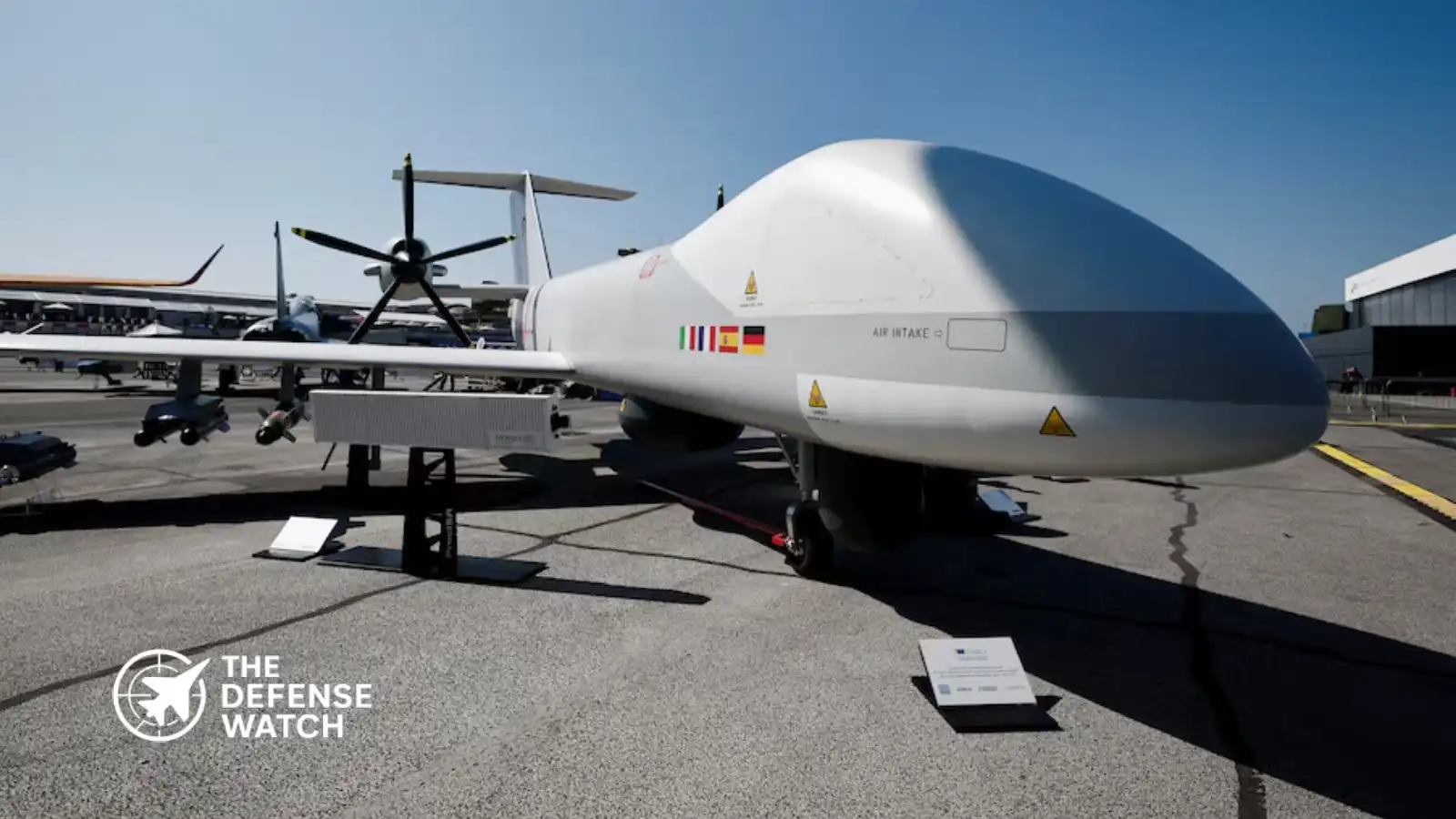
Countries such as Poland, the United Kingdom, the Netherlands, Norway, and Germany have placed major orders for advanced fighter aircraft, missile defense systems, armored vehicles, and long range artillery. These acquisitions aim to strengthen deterrence along NATO’s eastern flank and ensure rapid response capability in a potential high intensity conflict.
The procurement surge also reflects long standing capability gaps in European forces. Many European militaries reduced inventories and delayed modernization programs during the early 2000s and 2010s. The Ukraine war exposed vulnerabilities in ammunition stockpiles, air defense coverage, and armored formations.
What’s Happening
According to SIPRI’s latest data on international arms transfers, European states dramatically increased imports of major weapons systems between 2021 and 2025.
Several factors contributed to the increase.
First, European governments rushed to deliver weapons to Ukraine while simultaneously rebuilding their own depleted inventories.
Second, NATO members accelerated modernization programs that had been planned but not fully funded prior to the war.
Third, some European countries sought to strengthen deterrence amid uncertainty about long term U.S. security guarantees.
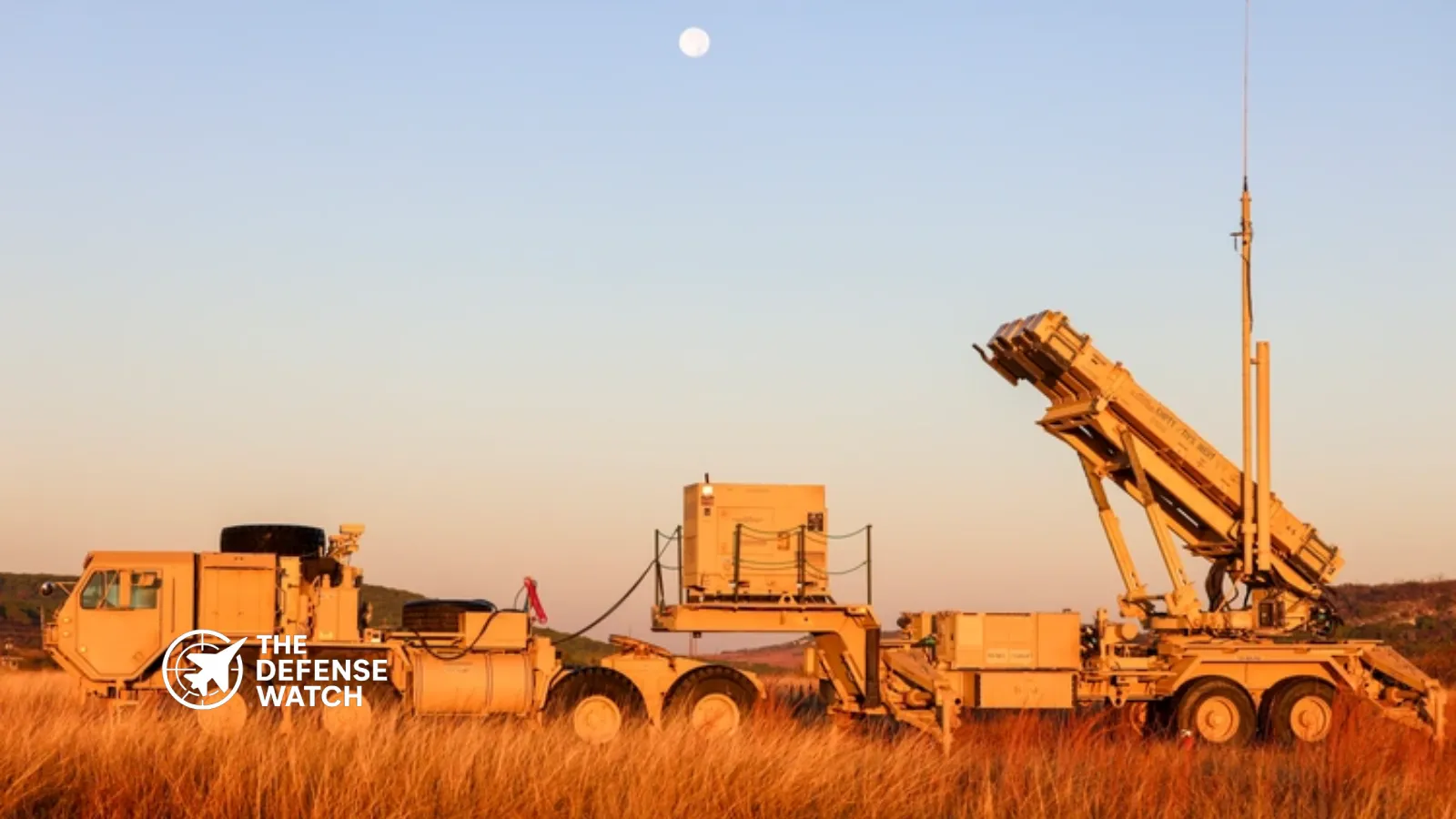
Despite efforts to boost domestic defense manufacturing, many European states continued purchasing large quantities of U.S. systems, particularly advanced combat aircraft and long range air defense platforms.
The United States remains the dominant supplier in the global arms market, accounting for roughly 42 percent of worldwide arms exports. France ranks second with nearly 10 percent of exports, while Russia’s share has dropped sharply to around 6.8 percent.
(adsbygoogle = window.adsbygoogle || []).push({});Why It Matters
The surge in European arms imports signals a structural shift in NATO’s defense posture.
For decades, the alliance relied heavily on U.S. military power to provide strategic deterrence and advanced capabilities. Today, European governments are investing heavily to rebuild national forces and improve interoperability with NATO command structures.
Air defense systems, precision strike weapons, and modern fighter aircraft dominate new procurement programs. These systems are considered essential for countering Russia’s growing missile arsenal and maintaining control of European airspace during a conflict.
The rearmament trend also supports NATO’s broader strategy of strengthening forward defense in Eastern Europe, particularly in countries bordering Russia and Belarus.
Strategic Implications
Europe’s increased arms imports are reshaping the global defense market.
First, the surge reinforces the dominance of U.S. defense exports. For the first time in decades, Europe has become the largest regional recipient of American weapons, surpassing the Middle East.
Second, European defense companies are expanding production capacity to meet demand for artillery shells, air defense interceptors, armored vehicles, and drones. Governments across the European Union are promoting initiatives aimed at strengthening domestic defense industries and reducing reliance on external suppliers.
Third, the rapid expansion of NATO capabilities near Russia’s borders will likely intensify security competition in Europe for the foreseeable future.
Competitor View
Russia is likely to interpret Europe’s rearmament as confirmation that NATO intends to maintain a long term military buildup near its western borders.
Moscow has repeatedly warned that NATO expansion and military modernization in Eastern Europe threaten Russian national security. Increased deployments of missile defense systems, combat aircraft, and armored brigades could further heighten tensions.
China is also closely monitoring Europe’s procurement surge. The shift in global arms demand strengthens the United States defense industrial base, which also supports U.S. military capabilities in the Indo Pacific.
For Beijing, a stronger Western defense industry could complicate efforts to compete militarily with the United States and its allies.
What To Watch Next
Several developments will determine how Europe’s defense buildup evolves in the coming years.
NATO countries are expected to continue increasing defense spending to meet or exceed the alliance’s two percent of GDP benchmark.
Major procurement programs involving fifth generation fighter aircraft, missile defense systems, and long range strike weapons are already underway.
(adsbygoogle = window.adsbygoogle || []).push({});European defense manufacturers are also expanding production capacity for ammunition and ground combat systems, aiming to address supply shortages revealed during the Ukraine war.
Future data from SIPRI will show whether Europe’s surge in arms imports stabilizes or continues as new procurement contracts enter production.
Capability Gap
Europe’s rapid procurement push reflects several operational weaknesses exposed during the Ukraine conflict.
Many NATO members discovered that their ammunition stockpiles were insufficient for sustained high intensity combat. Air defense coverage across much of Europe also remains limited compared with the scale of missile threats demonstrated in Ukraine.
Another challenge is industrial capacity. European defense manufacturers are still scaling production to meet the demand for artillery shells, air defense interceptors, and armored vehicles.
While imports provide short term capability improvements, long term security will depend on Europe’s ability to expand domestic defense production.
The Bottom Line
Europe’s emergence as the world’s largest arms importer signals a historic shift toward sustained military rearmament across the continent.