West Point Branch Week Connects Cadets With Army Career Paths
The 2026 West Point Branch Week gave U.S. Military Academy cadets a direct look at 16 Army branches and the missions they could enter after graduation and commissioning. The U.S. Army said the Aug. 24-28 event combined static displays, informational booths, engagement sessions and a final Capability Exercise at West Point, New York.
- West Point Branch Week Connects Cadets With Army Career Paths
- Takeaways
- Branch Displays Put Army Capabilities In Front Of Cadets
- Infantry Officers Emphasize Leadership And Physical Demands
- Field Artillery Faces A Technology-Driven Transition
- Aviation Interest Reflects A Changing Army Air Arm
- EOD Offers A Highly Specialized Technical Mission
- Why Branch Week Matters To The Future Army
- Cadets See More Than Today’s Army
Takeaways
West Point’s 2026 Branch Week exposed cadets to 16 Army branches while connecting career decisions with the service’s evolving operational and modernization priorities.
The event is designed to help cadets make better-informed decisions about their future branches. Upper-class cadets received deeper briefings on their top two choices while interacting with officers and noncommissioned officers who currently serve in those fields.
The timing is significant because the Army is undergoing broad modernization across fires, aviation, command and control, autonomous systems and other capabilities. The service’s fiscal 2026 modernization strategy identifies long-range precision fires, air and missile defense, autonomous systems, cyber, electronic warfare and counter-space capabilities as major priorities for the future force.
Branch Displays Put Army Capabilities In Front Of Cadets
Branch Week provided a physical demonstration of how different Army specialties contribute to a larger force.
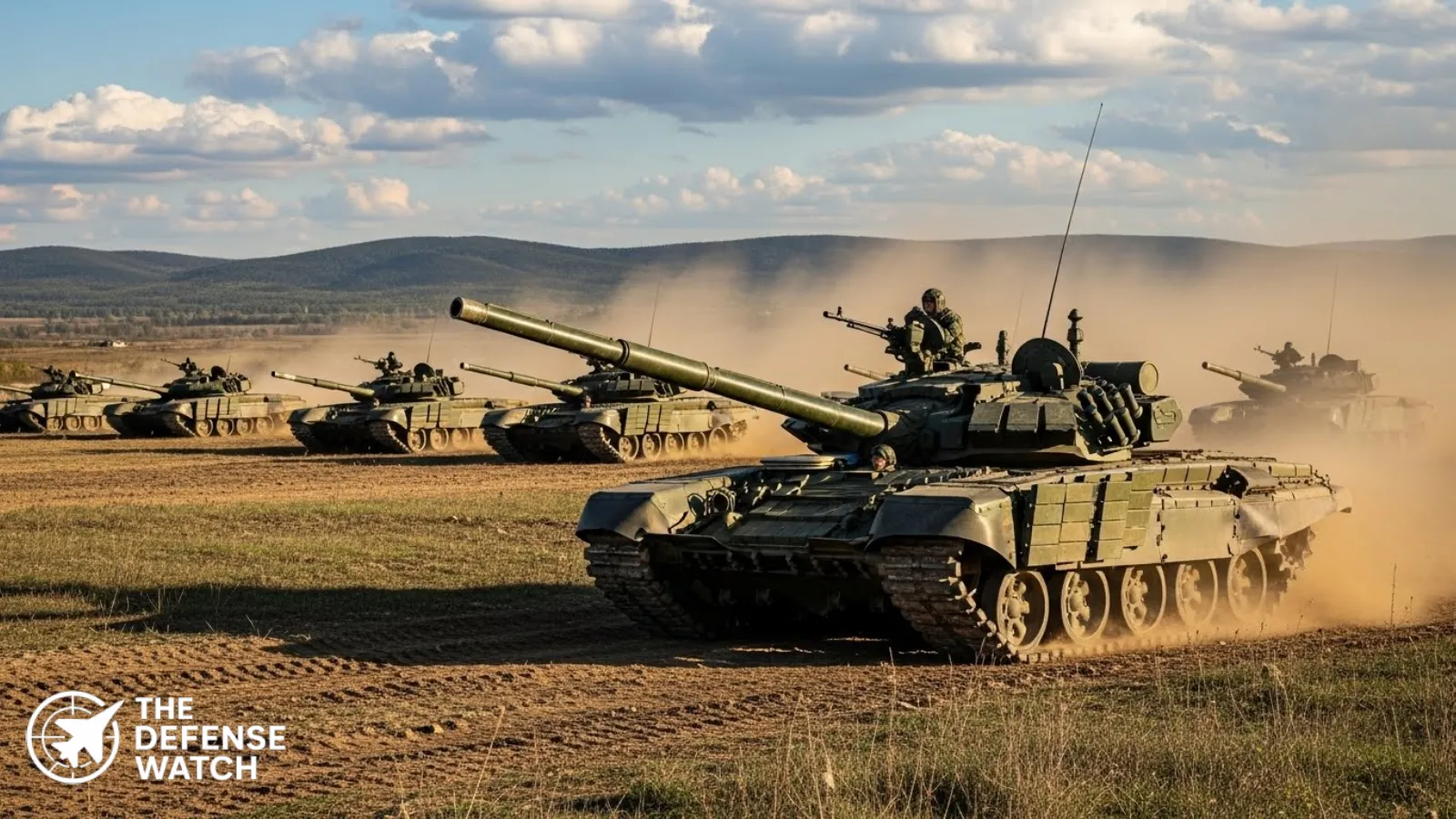
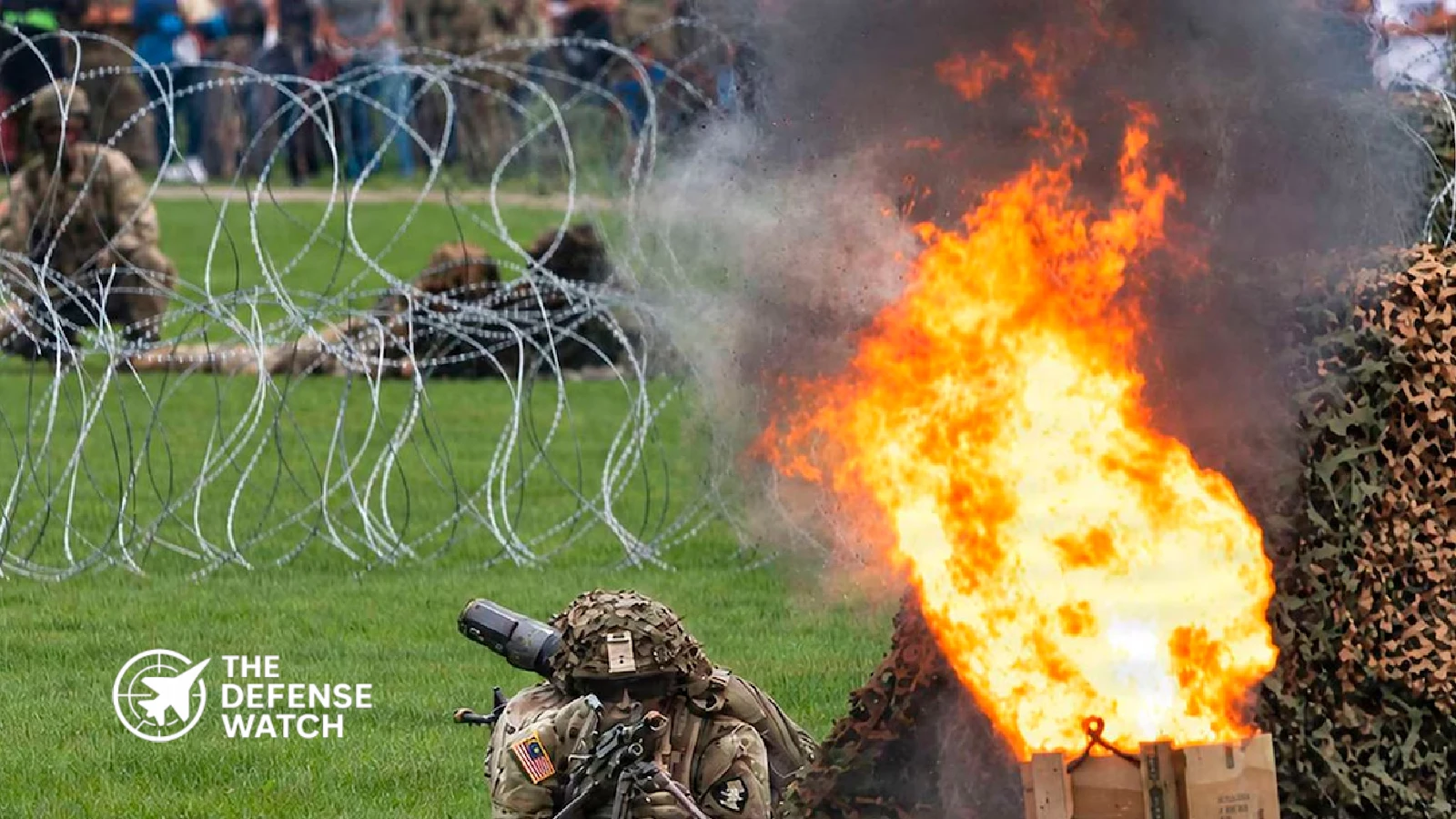
Static displays around Washington Hall and the Washington Statue included artillery and rocket systems, tanks, helicopters and tactical vehicles. The five-day program then concluded with a Capability Exercise that demonstrated Army power and lethality for spectators.
For cadets, that format offers a different perspective from classroom instruction. Instead of considering branches only as organizational categories, they can see how equipment, personnel and missions fit together at the tactical level.
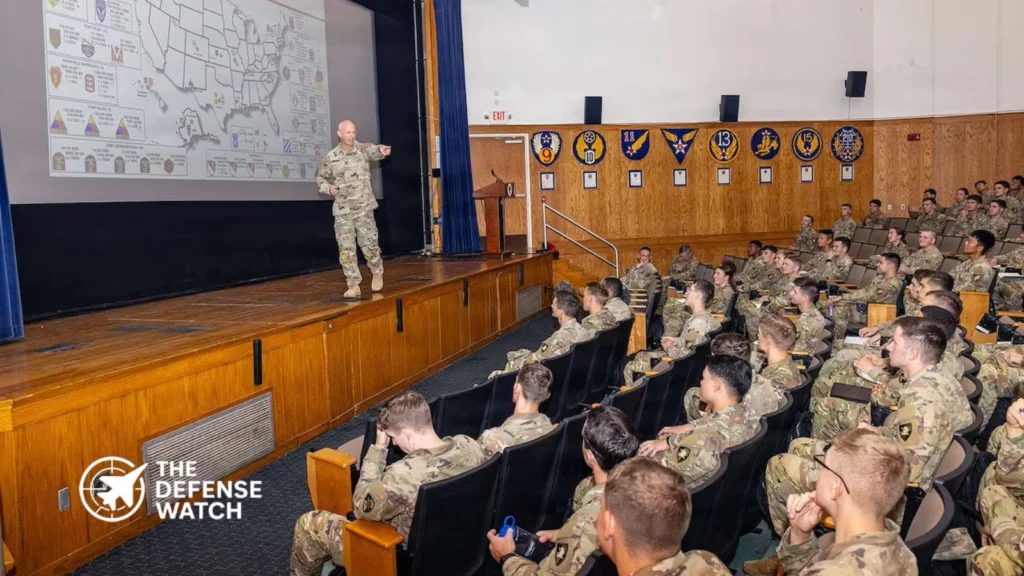
That combined-arms perspective is particularly important for future officers. An infantry formation depends on fires, intelligence, logistics, aviation, communications and other supporting capabilities, while those supporting branches depend on maneuver units to create operational effects.
Class of 2027 Cadet Samuel Eppler described the experience as a way to understand how closely the Army’s branches depend on one another. He said the event changed his earlier view of the Army as being primarily centered on infantry and showed him the wider range of possible military careers.
Infantry Officers Emphasize Leadership And Physical Demands
Army Capt. Wilson Catoe, a 2022 West Point graduate and former Army West Point football player, returned to the academy representing the Infantry Branch.
Catoe serves with the U.S. Army Infantry School and the Office of the Chief of Infantry as an Infantry branch proponent officer. His responsibilities include helping determine which cadets and other officer candidates enter the Infantry Branch.
His message focused heavily on leadership, physical demands and the responsibility associated with leading soldiers in difficult environments.
For cadets considering Infantry, the branch offers an early opportunity to command platoons and operate directly within maneuver formations. That experience also provides a foundation for understanding how infantry integrates with armor, artillery, aviation and other capabilities.
Catoe’s own career illustrates that progression. Before his current assignment, he served as a platoon leader and executive officer with the 1st Battalion, 67th Armor Regiment, 3rd Armored Brigade Combat Team, at Fort Bliss, Texas.
Field Artillery Faces A Technology-Driven Transition
Field Artillery representatives presented a different type of career challenge.
Army 1st Lt. Sam Hanson, assigned to the Field Artillery Proponent Office at Fort Sill, Oklahoma, told cadets that the branch contains several distinct jobs requiring different skill sets. He also emphasized that every Army branch contributes to the fight rather than competing for importance.
Hanson highlighted the pace of change in Army fires. He told cadets that the service expects new weapon systems to enter the force over the next five years, potentially changing how artillery units conduct close combat.
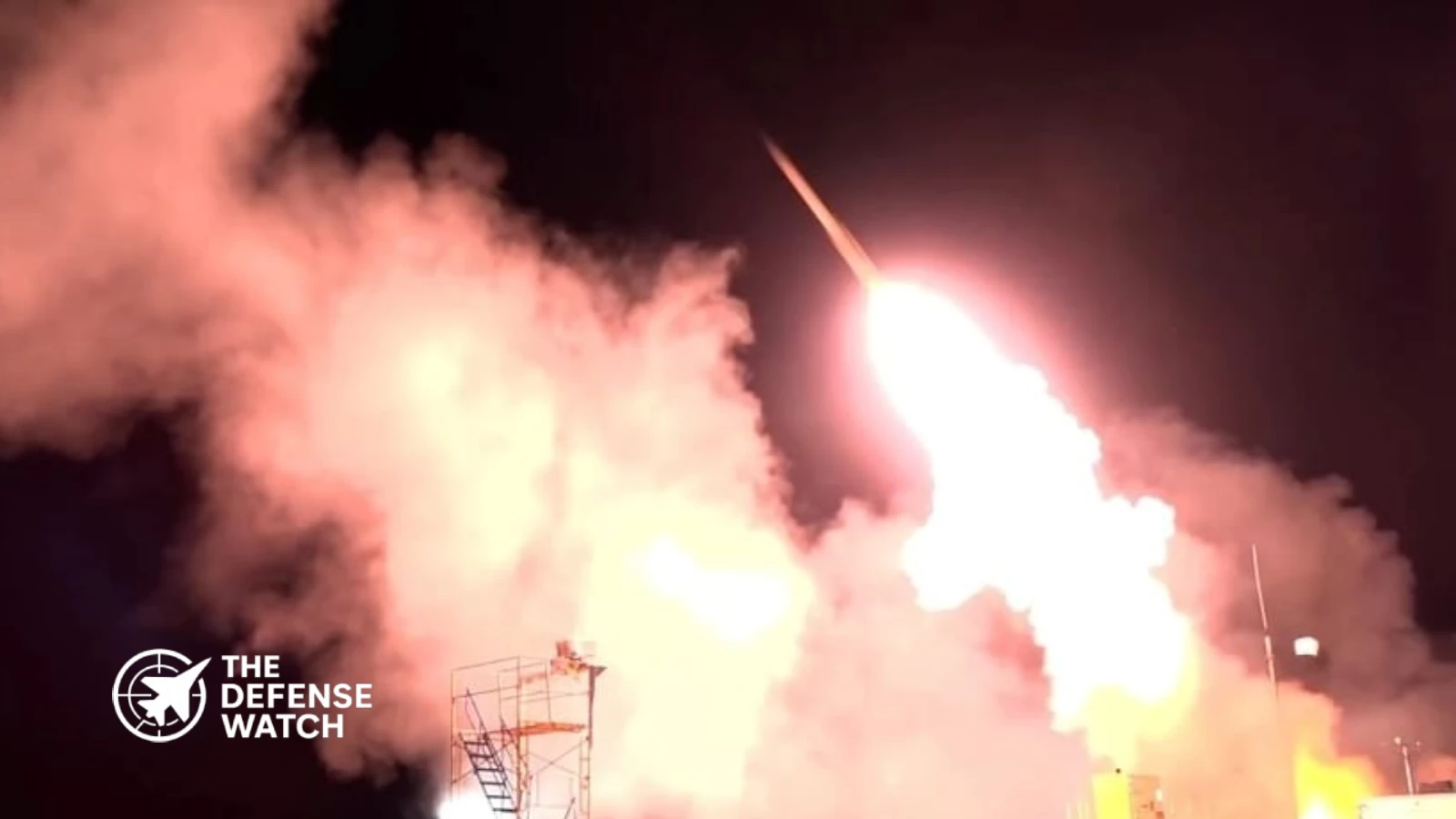
That assessment reflects a wider Army effort to modernize its fires architecture. The service is experimenting with autonomous launchers, digital command systems and longer-range precision capabilities while seeking greater mobility and survivability for artillery formations.
The Army’s Project Convergence Capstone 6, for example, included experimentation with autonomous launcher and command capabilities. The service has described the broader effort as part of its move toward faster, more adaptable combat formations.
The result is that a future Field Artillery officer is likely to operate in an environment increasingly shaped by sensors, digital networks, precision weapons and autonomous systems rather than relying solely on traditional artillery procedures.
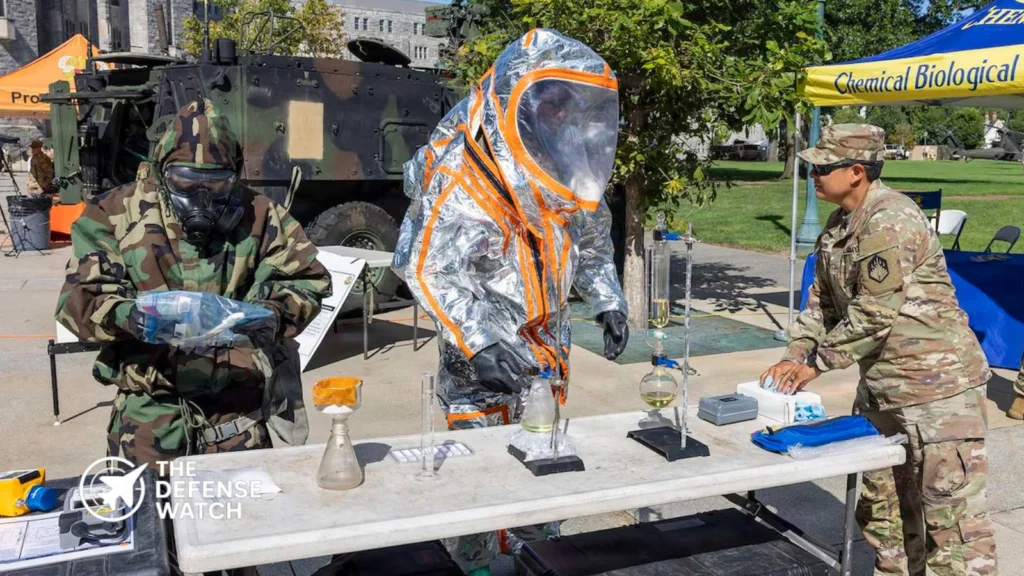
Chemical Corps Branch representatives dressed in protective gear discuss the Army’s chemical, biological, radiological and nuclear defense with a U.S. Military Academy cadet during Branch Week at West Point, N.Y., Aug. 24-28, 2026. (Image : DoW)
Aviation Interest Reflects A Changing Army Air Arm
For some cadets, Branch Week also provided an opportunity to assess Army Aviation at a time of major change.
Eppler said he hopes to enter Aviation and potentially fly the UH-60 Black Hawk. He also attended an Explosive Ordnance Disposal engagement session after developing an interest in EOD during summer training with an EOD unit at Fort Bragg, North Carolina.
Army Aviation is itself moving through a substantial transformation.
In August, the Army announced Flight School Next, a new approach to initial rotary-wing training. The program is intended to train between 800 and 1,500 Army pilots annually and uses a contractor-owned, contractor-operated model with commercially available aircraft and equipment. The announced contract has a potential cumulative value of $10 billion over up to 26 years.
The Army is also integrating unmanned capabilities with existing helicopters. In June, UH-60M crews successfully launched and controlled multiple medium-range air-launched effects during testing, giving pilots the ability to employ unmanned systems from a position of relative safety.
The service has additionally received an H-60Mx Black Hawk modified to operate with or without a pilot at the controls, marking another step in its effort to integrate autonomy into Army Aviation.
For cadets considering Aviation, these changes demonstrate that the branch’s future will involve more than conventional helicopter operations. Pilot training, autonomy, launched effects, networked systems and next-generation aircraft are increasingly connected parts of the Army’s aviation model.
EOD Offers A Highly Specialized Technical Mission
Eppler’s interest in EOD illustrates another aspect of Branch Week: cadets can discover specialized career paths through direct exposure rather than simply through formal recruiting material.
The Army’s EOD mission includes detecting, identifying, evaluating, rendering safe, exploiting and disposing of explosive ordnance. The mission is conducted worldwide during both peacetime and conflict.
EOD therefore requires a markedly different technical and operational skill set from conventional maneuver branches. Its personnel work at the intersection of explosives expertise, technical analysis, risk management and operational support.
The contrast between Infantry, Field Artillery, Aviation and EOD is exactly what Branch Week is intended to expose. Each branch contributes to Army operations, but the daily work, training requirements and technical demands can differ substantially.
Why Branch Week Matters To The Future Army
The broader value of Branch Week extends beyond helping individual cadets select a career.
The Army is attempting to prepare officers for an operating environment in which traditional maneuver formations increasingly depend on digital command networks, precision fires, unmanned systems, electronic warfare and other technologies.
The service’s Next Generation Command and Control effort is one example. Army testing has focused on using data and artificial intelligence to help commanders make decisions more quickly and operate across complex, high-threat environments.
At the same time, Army acquisition organizations have been reorganized to accelerate development and fielding of new capabilities. The service created Portfolio Acquisition Executive organizations around areas such as Fires, Maneuver Ground, Maneuver Air, Command and Control, Agile Sustainment and Layered Protection.
That means today’s West Point cadets are selecting branches within an Army that is actively changing its force structure and technology base.
The implication is not that traditional branches are becoming less important. Instead, their missions are becoming more dependent on integration with other parts of the force.
A future infantry officer will need to understand fires and unmanned systems. A field artillery officer will increasingly operate through digital networks and sensor inputs. An aviation officer will have to manage a force that includes both crewed aircraft and unmanned effects. Sustainment officers will have to support increasingly complex equipment across dispersed formations.
Branch Week gives cadets an early view of that reality.
Cadets See More Than Today’s Army
Eppler said conversations with officers and enlisted personnel also gave cadets insight into where the Army is heading, including lessons emerging from Ukraine and other conflicts.
That perspective is increasingly important for an officer corps preparing to operate in a rapidly changing technological environment. The Army is testing new systems while simultaneously modifying training, acquisition processes and force structures.
For cadets, the central lesson from Branch Week is therefore broader than choosing between Infantry, Field Artillery, Aviation or EOD.
It is understanding how each branch contributes to a connected force.
The event’s combination of equipment displays, professional engagement and live capability demonstrations gives future officers a practical view of that relationship before they receive their commissions.
As Eppler put it, the experience reinforced the idea that there are no bad branches in the Army. Each provides a different route to serving within the same larger mission.
For the Army, exposing cadets to those differences is also an investment in future leadership. Officers who understand how branches depend on one another will enter the force with a clearer view of the combined-arms system they will eventually be expected to lead.