Raytheon Tests Upgraded Coyote Interceptor to Improve Drone Engagement Speed
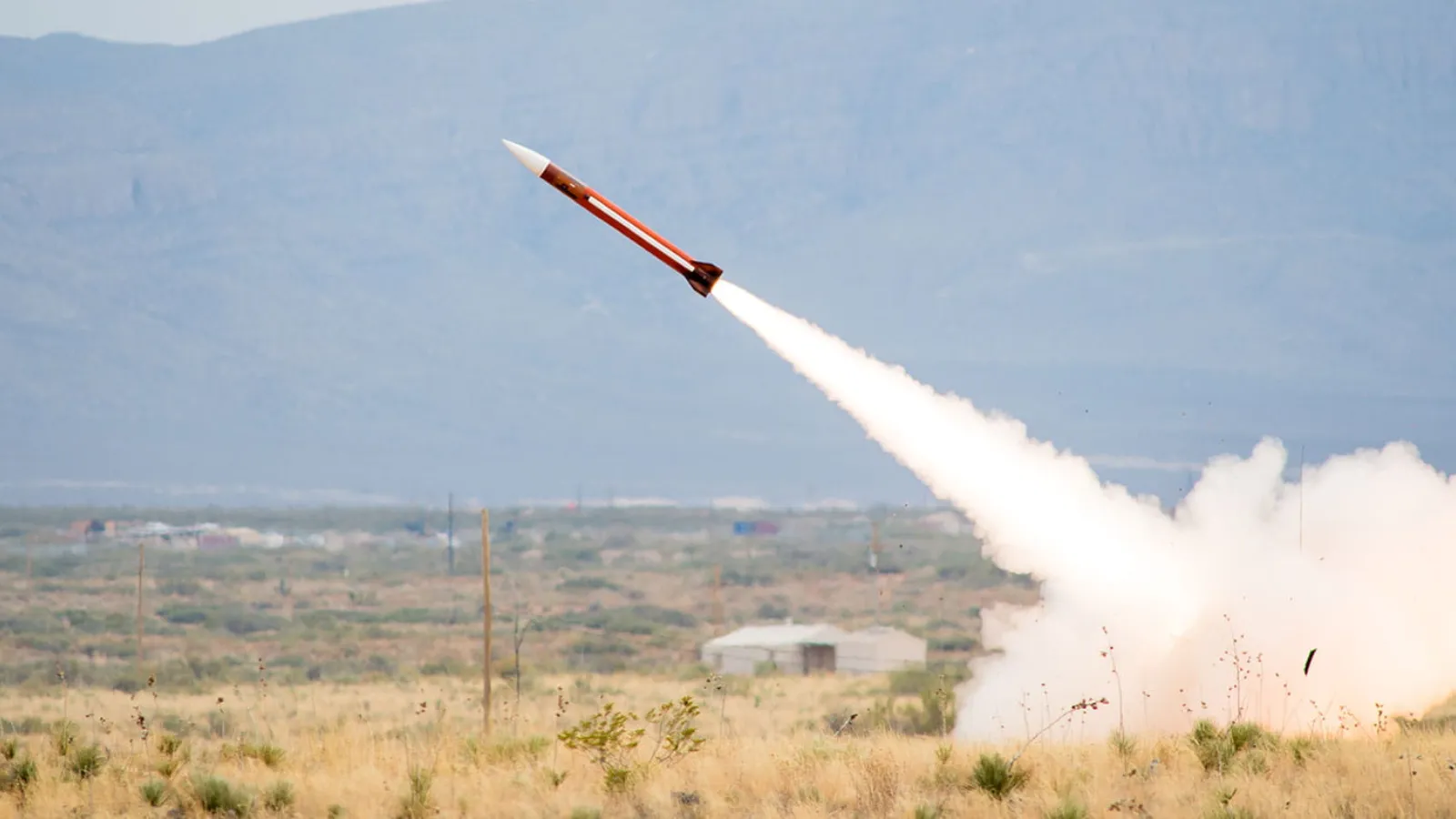
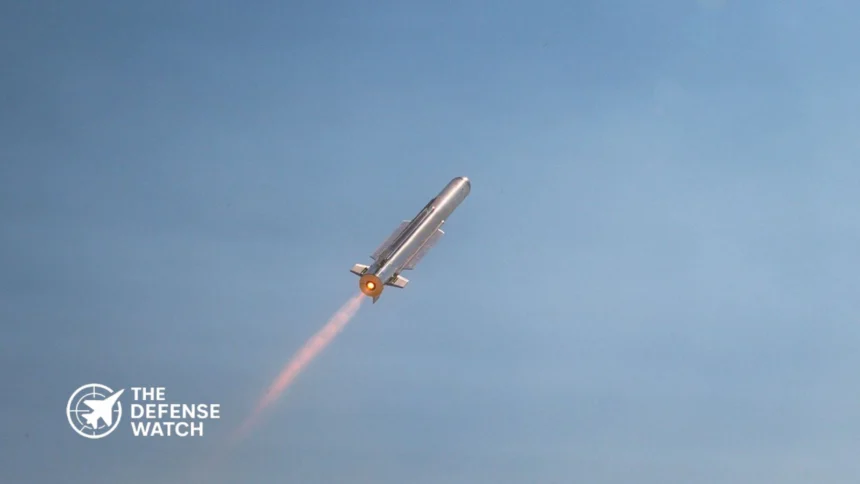
Raytheon has completed three developmental tests of its Coyote Block 2C+RM counter-unmanned aircraft system interceptor, advancing an upgrade designed to shorten launch and engagement timelines against increasingly capable drones.
Announced on October 12, 2026, by parent company RTX, the tests evaluated upgrades that include a tactical rocket motor, a new seeker and a kinetic warhead. Raytheon funded the development effort, which the company said progressed from concept to testing in 15 months.
The program aims to improve the performance of an existing interceptor family used for counter-drone missions. However, the announcement does not disclose test conditions, target types, engagement distances or measured improvements in flight performance. The results therefore demonstrate development progress, rather than establishing the upgraded system’s full operational effectiveness.
Why Raytheon is adding a rocket motor
The Coyote Block 2C+RM builds on the existing Block 2 interceptor, which uses a kinetic warhead to destroy unmanned aircraft through physical impact or the effects of its warhead.
The new configuration adds a tactical rocket motor intended to improve acceleration and flight performance. According to Raytheon, the change is intended to reduce the time required to engage a threat and allow faster successive shots when multiple drones approach a defended location.
The upgrade also includes a new seeker, which helps the interceptor acquire and track its target, and an updated kinetic warhead. Raytheon has not publicly specified the seeker’s technical configuration, the warhead’s design or the extent to which either component differs from those used in earlier variants.
These changes address a practical challenge for short-range air defense. A counter-drone system must detect a threat, establish a track, assign an interceptor and complete the engagement before the target reaches the asset being protected.
Reducing interceptor flight time can help compress that sequence. It may also give operators more time to respond to subsequent threats, although the actual benefit depends on sensor performance, target behavior, command-and-control delays and interceptor availability.
Integration matters as much as speed
Raytheon said the initial test series confirmed the upgraded interceptor’s initial integration with the existing counter-drone architecture. The company also reported the first launches of a Coyote effector equipped with the tactical rocket motor.
That integration is important because an interceptor is only one part of a functioning air defense system.
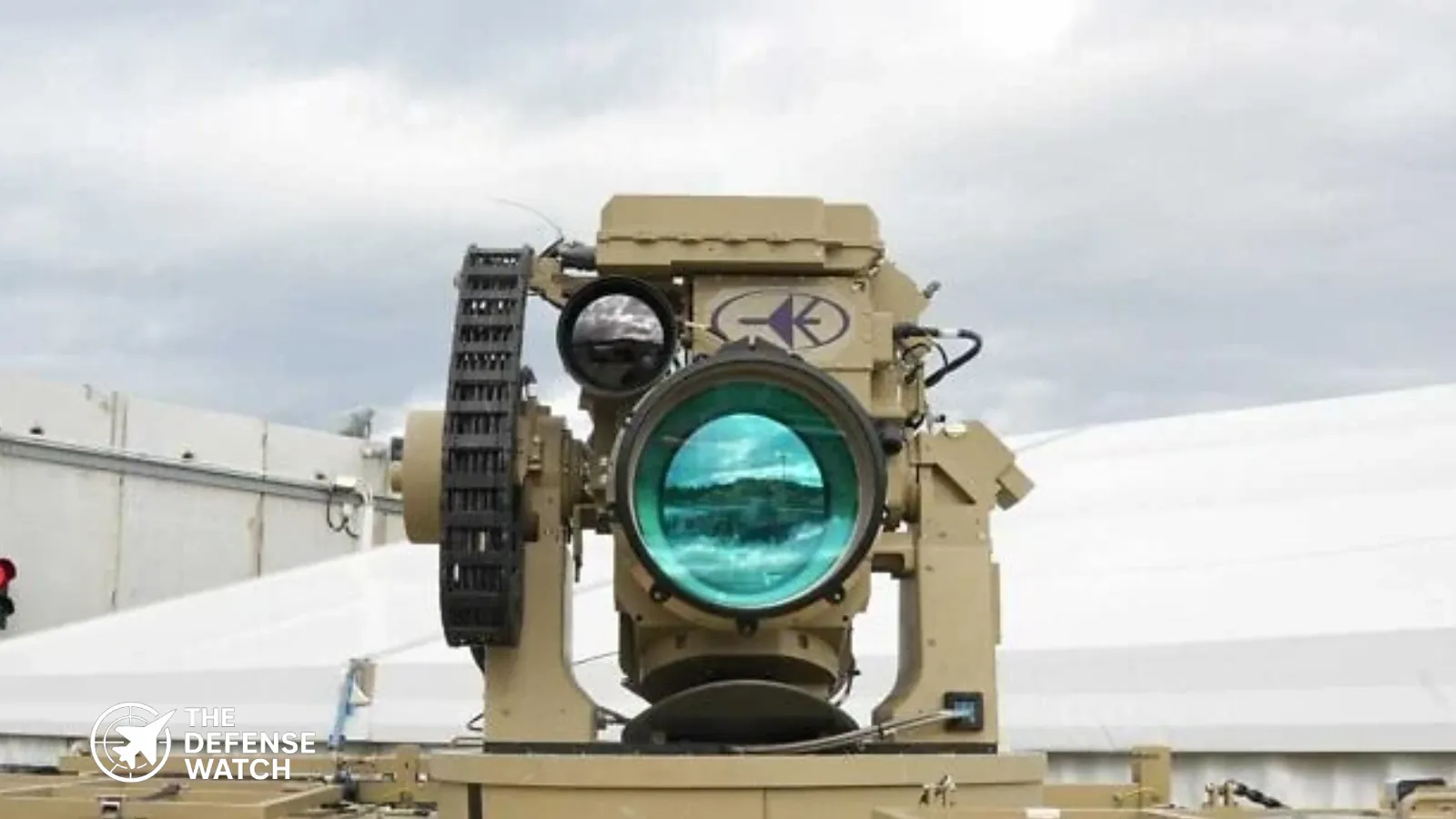
The U.S. Army’s Low, slow, small, unmanned aircraft Integrated Defeat System, known as LIDS, combines detection and tracking equipment with counter-drone effectors and command-and-control capabilities. Raytheon’s Ku-band Radio Frequency Sensor, or KuRFS, provides radar-based detection and tracking, while Coyote interceptors provide the engagement component.
In an October 2024 company announcement, Raytheon described Army testing involving KuRFS and Coyote Block 2 and Block 3 variants against individual drones and swarms. That earlier testing provides context for the established system architecture, but it should not be confused with the October 2026 developmental tests of the upgraded Block 2C+RM.
Compatibility with existing systems could reduce the integration work required to introduce the upgraded interceptor into an established counter-drone configuration. The latest announcement, however, does not establish that the new variant has completed operational qualification or entered production.
A growing requirement to defeat more drones
The upgrade comes as U.S. forces seek ways to protect military installations, deployed units and other assets from unmanned aircraft. Small drones can present difficult engagement problems because they may approach at low altitude, operate in groups or require defenders to respond to several tracks in a short period.
The cost and availability of defensive interceptors also matter. Using a missile against a relatively inexpensive drone can create an unfavorable cost exchange, particularly during repeated attacks. At the same time, allowing a threatening drone to reach a defended site may impose far greater costs.
The Coyote family offers different approaches to this problem. The Block 2 uses a kinetic warhead, while the Block 3 non-kinetic variant is designed to counter drone threats without relying on a conventional explosive interception. Raytheon says the Block 3 non-kinetic system can loiter, engage drone swarms and be recovered for reuse. These are distinct configurations with different operating concepts, not interchangeable versions of the same engagement method.
The Block 2C+RM upgrade retains the kinetic approach while introducing propulsion and guidance-related changes. Whether that approach provides a cost-effective solution will depend on the interceptor’s eventual price, production capacity, reliability and demonstrated performance against the threats it is intended to defeat. RTX has not disclosed those details for the upgraded configuration.
Existing procurement provides a measure of demand
The Army has previously funded substantial Coyote interceptor procurement. In February 2024, the service announced a $75 million contract action for 600 Coyote 2C interceptors, supporting an increased demand for counter-unmanned aircraft capabilities.
That award concerned the existing Coyote 2C variant, not the newly tested Block 2C+RM. It nevertheless illustrates the Army’s established investment in the interceptor family and the need to support operational demand with adequate production capacity.
Raytheon’s decision to fund development of the new configuration also places the upgrade in a different category from a publicly announced production contract. Company-funded testing can help mature a design before a customer commits to procurement, but it does not guarantee a future order, deployment date or production quantity.
The three tests are therefore an intermediate development milestone. Further evidence will be needed to establish whether the updated interceptor can meet military requirements under representative operating conditions.
What remains unconfirmed
Raytheon’s October 12 announcement provides no detailed performance data for the Coyote Block 2C+RM. It does not identify a planned operational testing date, a production schedule, a unit price or a confirmed procurement commitment.
The company also has not published numerical figures showing how much faster the upgraded interceptor launches or reaches a target compared with the existing version.
Those details will be important for assessing the practical value of the changes. A shorter engagement timeline could improve a defender’s ability to respond to multiple incoming drones, but its operational impact will depend on the complete sensor-to-shooter process and the types of threats encountered.
For now, the tests show that Raytheon has advanced the Coyote Block 2C+RM through an initial series of developmental events. They do not yet establish the scale of its performance gains or when U.S. forces might receive the upgraded interceptor.