Germany’s First F-35A Completes Maiden Flight
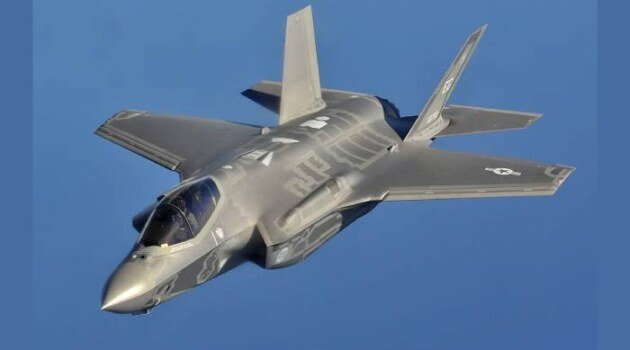
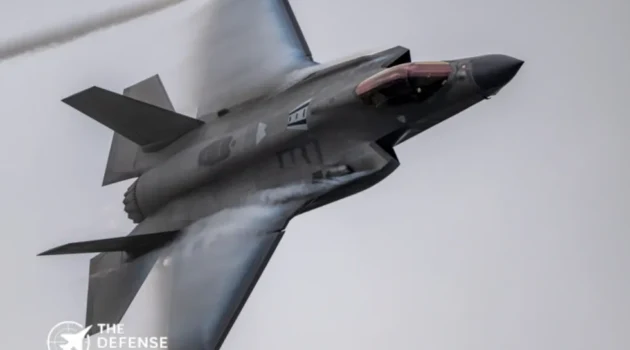
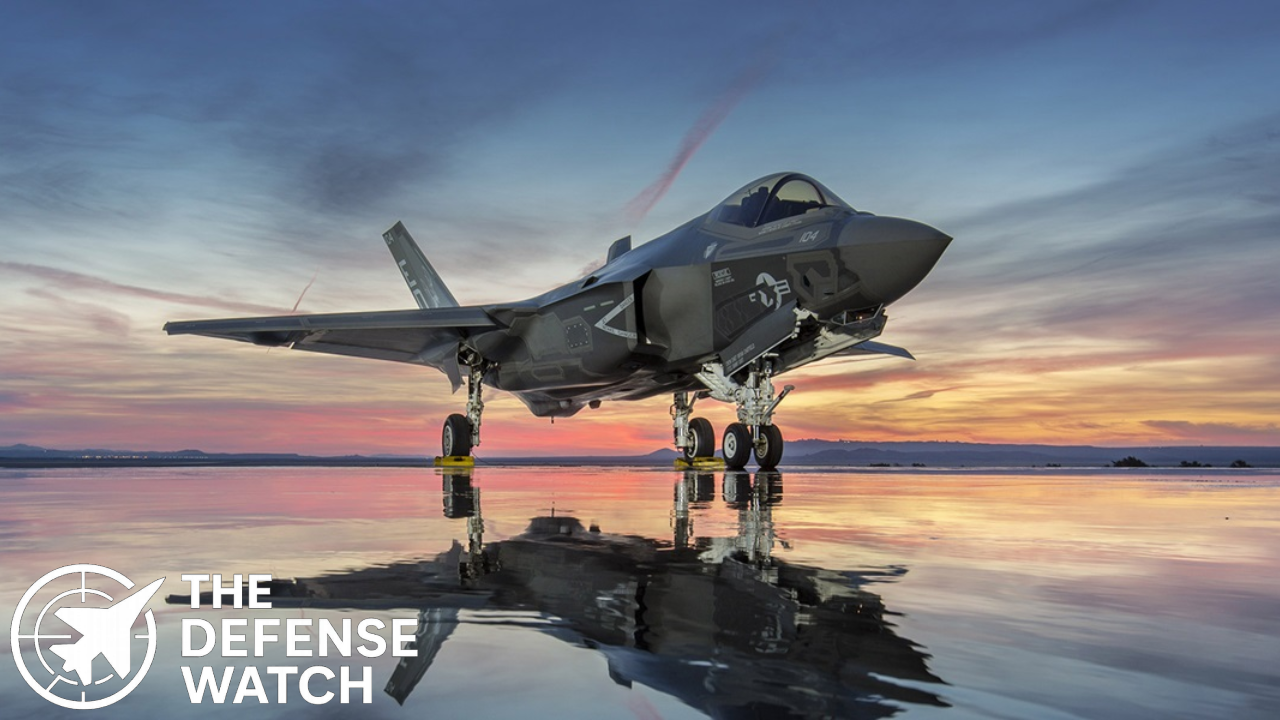
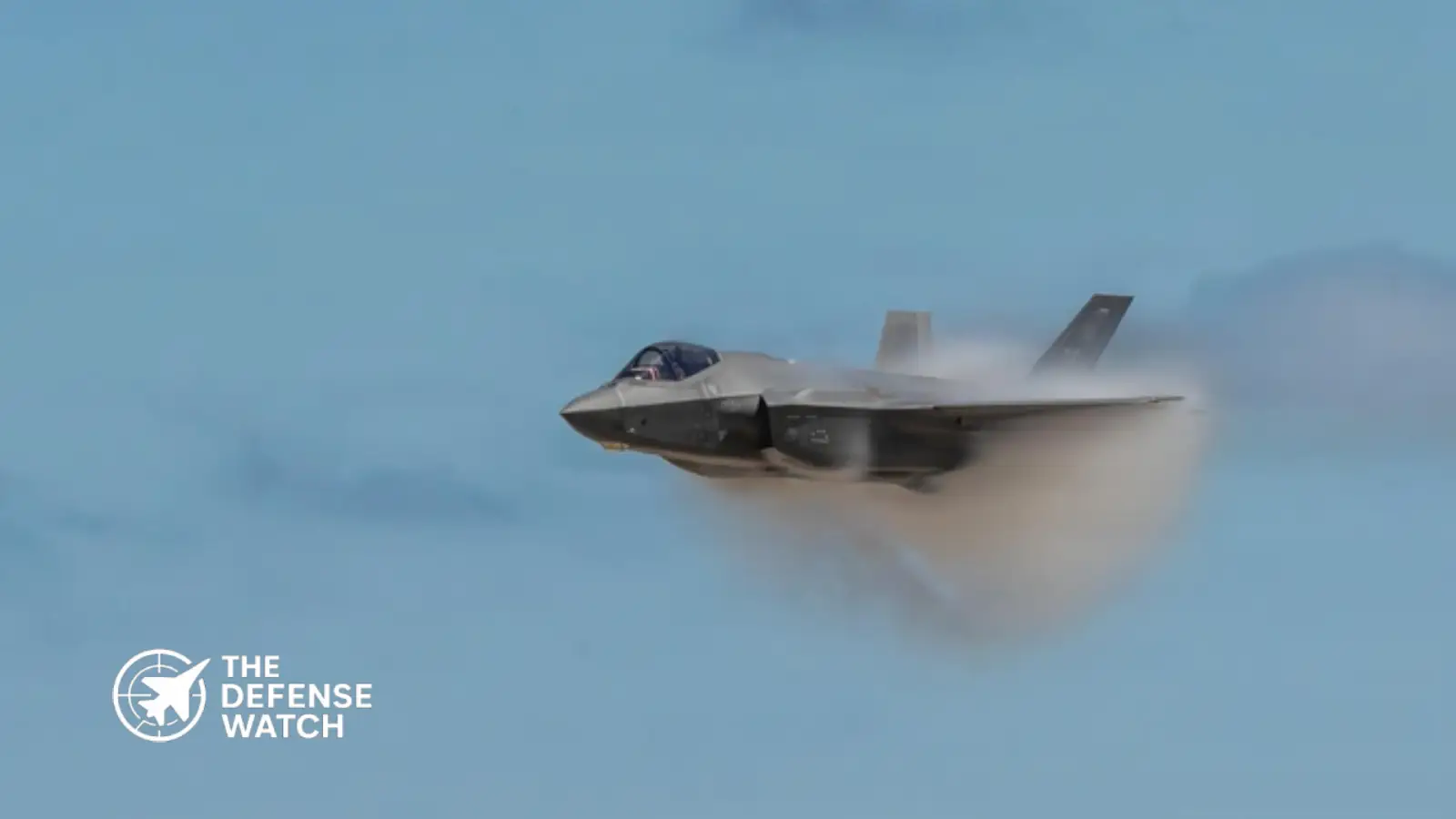
Germany’s first F-35A Lightning II has completed its maiden flight, marking a major milestone in the Luftwaffe’s transition to fifth-generation combat aviation. Lockheed Martin confirmed the flight after the aircraft completed final assembly and finishing work at the company’s Fort Worth, Texas, production facility.
- Germany’s First F-35A Completes Maiden Flight
- Takeaways
- A 35-Aircraft Replacement for the Tornado
- Why the Maiden Flight Matters
- German F-35 Training Moves Through Arkansas
- Büchel Infrastructure Is Being Upgraded
- F-35 Adds Fifth-Generation Capabilities
- NATO Interoperability Is a Central Part of the Program
- Nuclear Sharing Remains a Major Driver
- What Happens Next
- A Significant Milestone for German Airpower
Takeaways
Germany’s first F-35A has completed its maiden flight, marking a major production milestone before the aircraft enters the U.S.-based training phase of the Luftwaffe’s 35-aircraft program.
The aircraft, identified as MG-01, is the first of 35 F-35A fighters Germany is acquiring to replace its aging Panavia Tornado fleet. The German government selected the F-35A in 2022 and signed the procurement agreement in July 2023.
The maiden flight moves the program from production and acceptance activity into a more operationally focused phase. The next major step is delivery for German training in the United States before the aircraft begin arriving at Büchel Air Base in Germany.
A 35-Aircraft Replacement for the Tornado
Germany’s F-35 program is centered on 35 F-35A conventional takeoff and landing aircraft.
Program Element Germany F-35A Aircraft Lockheed Martin F-35A Lightning II Quantity 35 aircraft First German aircraft MG-01 Production site Fort Worth, Texas First flight September 8, 2026 U.S. training location Ebbing Air National Guard Base, Arkansas German operating base Büchel Air Base Tornado replacement Yes Planned German deliveries Beginning in 2027 Planned Tornado retirement 2030 The Bundeswehr says the F-35A acquisition is intended to strengthen Germany’s combat-air capability and improve interoperability with NATO partners. The aircraft will also take over missions currently performed by the Tornado, including Germany’s role in NATO nuclear sharing.
The transition is important because the Tornado fleet is approaching the end of its planned service life. Germany has stated that the remaining Tornado aircraft are expected to be retired by 2030.
Why the Maiden Flight Matters
A first flight does not mean the aircraft is operational with the Luftwaffe. It does, however, confirm that the first German production aircraft has progressed beyond assembly and ground preparation into flight testing.
That distinction matters for a program involving a sophisticated fifth-generation aircraft. Before a new F-35 can enter regular service, the aircraft must complete acceptance activity, support documentation, training arrangements and the broader infrastructure required to operate and maintain the platform.
Lockheed Martin completed final assembly of Germany’s first aircraft in August 2026. The company had previously moved the aircraft into its Aircraft Final Finishes stage, following the integration of its major structural components.
The successful maiden flight therefore represents one step in a much longer introduction process rather than an immediate change in Germany’s operational fighter force.
German F-35 Training Moves Through Arkansas
A key feature of Germany’s F-35 introduction is that the initial training pipeline will be based in the United States.
German pilots and maintenance personnel are expected to train at Ebbing Air National Guard Base in Arkansas. The U.S. Air Force has established Ebbing as a major international F-35 training location under the Foreign Military Sales program.
The training infrastructure became operationally relevant in 2024, when the U.S. Air Force completed new facilities supporting international F-35 pilot training. The 33rd Fighter Wing has also conducted exercises at Ebbing focused on dispersed operations and readiness in contested environments.
Germany is one of the first international customers scheduled to use the Ebbing training system alongside other F-35 operators. This arrangement gives Berlin access to an established U.S. training framework rather than requiring the entire initial training architecture to be built in Germany.
For the United States, the arrangement also reinforces the role of Ebbing as a central hub for training allied F-35 crews and maintainers.
Büchel Infrastructure Is Being Upgraded
While initial training takes place in Arkansas, Germany is preparing its own infrastructure for the F-35.
Büchel Air Base in western Germany is being upgraded through what the Bundeswehr describes as an F-35 campus. The work includes facilities for aircraft maintenance, flight preparation, logistics, operations and security.
The infrastructure requirement is particularly important because the F-35 is not simply a direct replacement for the Tornado in terms of airframe dimensions and performance. Its support system also includes specialized maintenance, information systems, secure communications and facilities designed around the aircraft’s low-observable characteristics.
The Bundeswehr has said the new infrastructure is also intended to meet the cybersecurity requirements associated with the aircraft.
F-35 Adds Fifth-Generation Capabilities
The German F-35A introduces capabilities that were not available to the Luftwaffe through the Tornado fleet.
The aircraft combines low-observable design, advanced sensors, onboard data processing and networked communications. The Bundeswehr specifically identifies sensor fusion, networking and reduced detectability as core characteristics of the F-35.
The operational significance goes beyond the aircraft’s ability to penetrate defended airspace. The F-35 is designed to collect and distribute information across a wider force, allowing it to function as both a strike aircraft and a sensor and communications node.
That characteristic is particularly relevant to NATO operations, where German aircraft may operate alongside F-35s from other European countries and U.S. forces.
Lockheed Martin has said more than 550 F-35 aircraft are expected to operate from more than 10 European countries by the 2030s. The growing European fleet is creating a common fifth-generation aircraft ecosystem across NATO.
NATO Interoperability Is a Central Part of the Program
Germany’s decision to acquire the F-35 also fits into a broader European shift toward common fifth-generation combat-air capabilities.
Denmark, Italy, Norway, the Netherlands and other European NATO members already operate or are introducing F-35 aircraft. The aircraft are increasingly appearing together in multinational exercises and air operations.
During Ramstein Flag 2026, F-35s from Denmark, Italy, Norway and the United States operated across northern Europe, demonstrating the integration of fifth-generation aircraft with allied air forces and supporting systems.
Germany’s entry expands this network. Once the Luftwaffe reaches operational capability, its F-35s will be able to participate in a much broader ecosystem of common training, logistics, tactics and operational data exchange.
For NATO, that commonality can reduce some of the interoperability challenges created by fleets built around different aircraft types and national support structures.
Nuclear Sharing Remains a Major Driver
Germany’s F-35 purchase also has a strategic dimension beyond conventional air combat.
The Bundeswehr explicitly links the acquisition to Germany’s NATO nuclear-sharing role. The F-35A will replace the Tornado in the German nuclear-sharing mission, subject to the applicable NATO and national arrangements.
This makes the F-35 transition particularly important for the Alliance. The aircraft provides Germany with a modern platform capable of operating in environments where survivability, electronic warfare resilience, sensor awareness and secure communications are increasingly important.
The F-35 is therefore not simply another fighter acquisition for Berlin. It is part of the broader effort to maintain Germany’s contribution to NATO airpower while replacing an aircraft design that dates to the Cold War era.
What Happens Next
The maiden flight is followed by a sequence of milestones leading toward German training and eventual deployment.
The first German aircraft are scheduled to remain in the United States for training, with the Bundeswehr previously identifying the initial group as part of the U.S.-based pilot and ground personnel training effort.
Germany is simultaneously completing the infrastructure required at Büchel. The Bundeswehr has stated that the first aircraft are planned to reach the German base from 2027, while the Tornado fleet is scheduled to reach the end of its planned service life in 2030.
This creates a multi-year transition period in which Germany must build experience with the F-35 while maintaining sufficient Tornado capability until the new fleet can assume its assigned missions.
The key challenge is therefore not the maiden flight itself. It is the successful integration of aircraft, pilots, maintainers, infrastructure, weapons, logistics and secure information systems into a functioning German combat-air system.
A Significant Milestone for German Airpower
Germany’s first F-35A maiden flight marks the aircraft’s transition from an industrial production program into the next stage of German military integration.
The 35-aircraft purchase gives the Luftwaffe a fifth-generation fighter built around stealth, sensor fusion and networked operations. It also brings Germany deeper into the growing European F-35 community and strengthens the common aircraft base available to NATO air forces.
The immediate focus now shifts toward acceptance, U.S.-based training and preparations for the aircraft’s eventual arrival at Büchel.
For Germany, the program represents the replacement of a Cold War-era strike and nuclear-sharing aircraft with a modern fifth-generation platform. For NATO, it adds another major European operator to an expanding F-35 network.