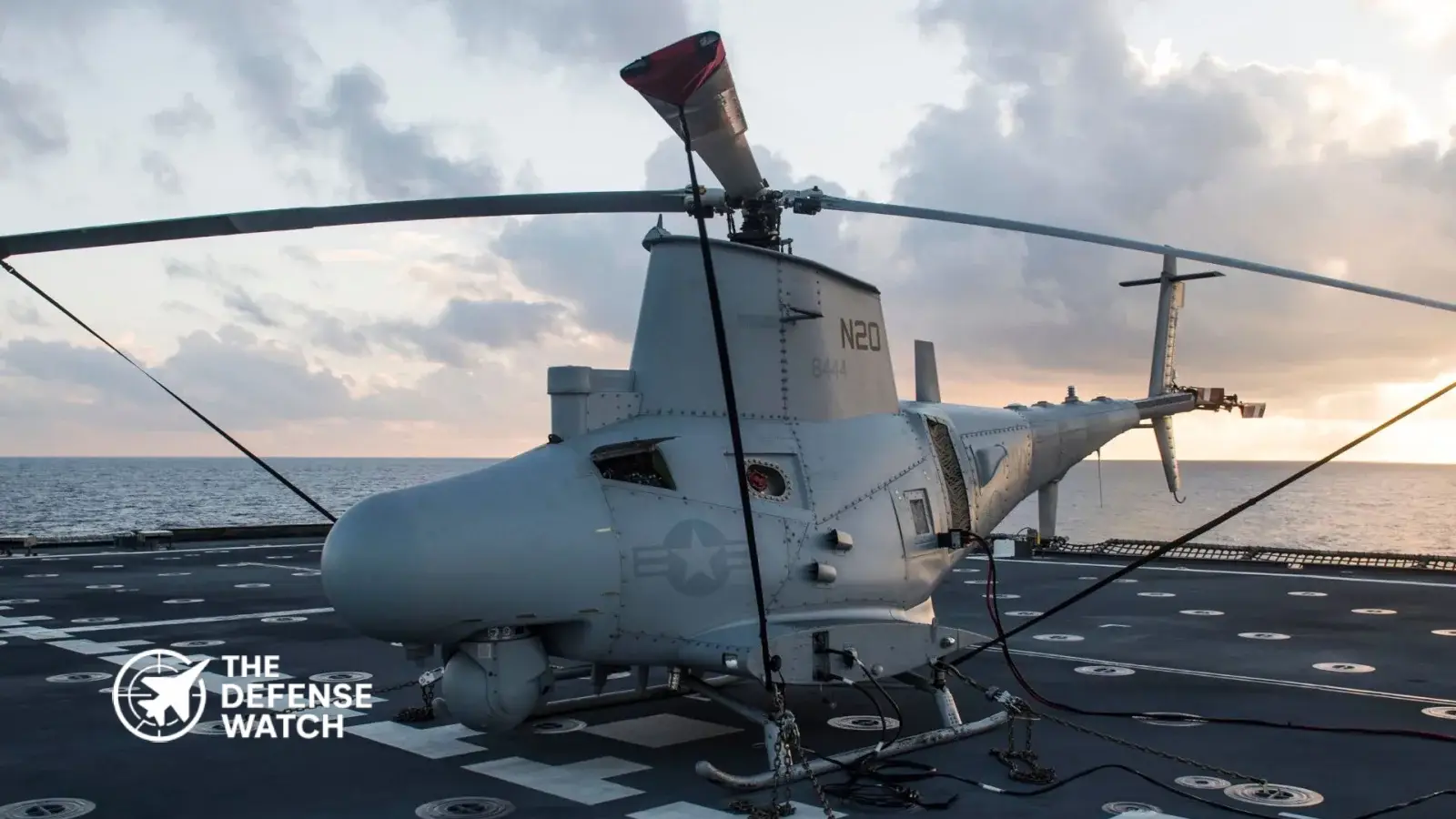
U.S. SOUTHCOM Autonomous Warfare Command Targets Smuggling Networks
U.S. SOUTHCOM autonomous warfare efforts entered a new phase after the command announced the creation of an Autonomous Warfare Command designed to deploy drones and related systems for counter narcotics missions across its area of responsibility.
- U.S. Southern Command has created an Autonomous Warfare Command focused on unmanned systems.
- Initial missions center on intelligence, surveillance, reconnaissance, and counter narcotics operations.
- The move reflects rising U.S. interest in low cost autonomous systems for regional security missions.
- SOUTHCOM oversees U.S. military operations across Latin America and the Caribbean.
- Command may become a model for wider Pentagon adoption of theater level drone integration.
The initiative, first reported by Army Recognition and based on official command messaging, places unmanned and autonomous technologies inside a dedicated operational framework rather than treating them as supporting tools. That distinction matters because it suggests the U.S. military now sees autonomous systems as core mission enablers in the Western Hemisphere.
The Big Picture
U.S. defense planners increasingly view inexpensive autonomous platforms as a force multiplier. Lessons from conflicts in Eastern Europe, the Middle East, and maritime security operations have shown that drones can provide persistent surveillance, precision targeting support, and rapid intelligence collection at lower cost than many crewed assets.
For SOUTHCOM, that model is especially relevant. The command covers vast maritime zones, jungle terrain, and remote transit routes used by narcotics traffickers and transnational criminal organizations. Monitoring those areas with crewed aircraft alone is expensive and resource intensive.
A dedicated autonomous warfare structure allows commanders to scale coverage without proportionally increasing manpower or operating costs.
What Is Happening
U.S. Southern Command, headquartered in Doral, oversees U.S. military cooperation and security missions throughout Latin America and the Caribbean. According to the source report, the new organization will focus on deploying drone capabilities to strengthen counter narcotics operations.
That likely includes:
- Persistent airborne surveillance
- Maritime route monitoring
- Detection of small boats and clandestine airstrips
- Intelligence sharing with partner nations
- Faster cueing of interdiction forces
The command has not publicly detailed the full mix of platforms, but small tactical UAVs, medium endurance ISR drones, and autonomous maritime systems would align with mission demands.
Why It Matters
Drug trafficking networks adapt quickly. They use low profile vessels, remote jungle logistics hubs, encrypted communications, and decentralized movement patterns. Traditional patrol models often struggle to maintain constant coverage.
Autonomous systems help close that gap by staying on station longer, collecting real time data, and feeding information directly to analysts and patrol forces.
This also reflects a broader Pentagon trend. Combatant commands increasingly want theater specific innovation cells that can test and field new systems rapidly instead of waiting for long acquisition cycles.
Strategic Implications
For regional partners, the new command could improve intelligence fusion and cooperative interdiction. Many Latin American and Caribbean nations face budget limits, making shared access to U.S. surveillance data valuable.
For Washington, the initiative supports homeland security indirectly. A large share of narcotics interdiction begins far from U.S. borders, often in transit corridors at sea or in remote land routes.
For the Pentagon, SOUTHCOM may serve as a lower risk environment to refine autonomous doctrine before applying similar structures in more contested theaters such as the Indo Pacific.
Competitor View
China and Russia both monitor U.S. security engagement in Latin America. Beijing has expanded economic and technology ties across the region, while Moscow maintains selective defense relationships.
A stronger U.S. autonomous presence may be interpreted as a sign Washington intends to retain operational influence through modern, lower footprint tools rather than large permanent force deployments.
Criminal organizations will also adapt. Expect more emphasis on deception, route diversification, signal discipline, and attempts to overwhelm surveillance networks with volume.
What To Watch Next
Several indicators will show whether the command becomes strategically important:
- Public announcements on drone types and procurement
- Joint exercises with regional partners
- Integration with Coast Guard and law enforcement agencies
- Use of autonomous maritime systems
- Measurable increases in interdictions or route disruption
If SOUTHCOM receives sustained funding, the concept could expand beyond narcotics missions into disaster response, search and rescue, and maritime security.
Capability Gap
The main weakness this initiative addresses is persistent coverage across enormous operating areas. Crewed aircraft are effective but costly and limited by endurance, maintenance cycles, and available airframes.
Drones are not a complete solution. They require secure communications, trained operators, legal authorities, and protection from cyber interference. Dense weather, jungle canopy, and maritime conditions can also limit effectiveness.
The Bottom Line
U.S. SOUTHCOM’s new autonomous warfare command shows how low cost drones are becoming central tools for regional security, interdiction, and future military operations.