The U.S. Iran blockade effort has reportedly intensified after 23 ships turned back from key maritime routes.The development suggests a sharper enforcement phase focused on limiting Iranian access to strategic shipping corridors while increasing pressure on commercial traffic linked to sanctioned trade networks.
- The United States has reportedly intensified maritime pressure on Iran-linked shipping routes.
- Army Recognition reported that 23 commercial vessels turned back amid expanding enforcement activity.
- Key sea lanes near the Gulf region remain vital for global oil and container traffic.
- Increased naval presence signals broader deterrence and sanctions enforcement strategy.
- Any prolonged disruption could affect freight costs, insurance rates, and energy markets.
The reported movement of vessels reversing course is notable because merchant shipping companies rarely alter routes without clear commercial or security reasons. When multiple ships change course in a short period, it often signals heightened operational risk, tighter inspections, or concern over possible escalation.
The waterways surrounding Iran, including approaches to the Strait of Hormuz, remain among the most important maritime chokepoints in the world. A significant share of global oil exports and container traffic transits the region, making any shift in naval posture strategically important.
Why 23 Ships Turning Back Matters
The number itself matters less than the pattern. If commercial operators believe delays, boarding actions, sanctions checks, or confrontation risks are rising, many will choose alternative routes or wait offshore.
That creates three immediate effects:
- Higher shipping insurance premiums
- Longer transit times
- Greater freight volatility for energy and cargo markets
This is where the U.S. Iran blockade strategy can generate leverage without direct combat. Economic friction on maritime movement can pressure state revenues and complicate logistics while avoiding broader military escalation.
U.S. Naval Presence And Enforcement Strategy
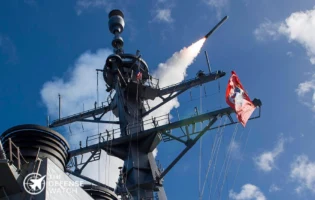
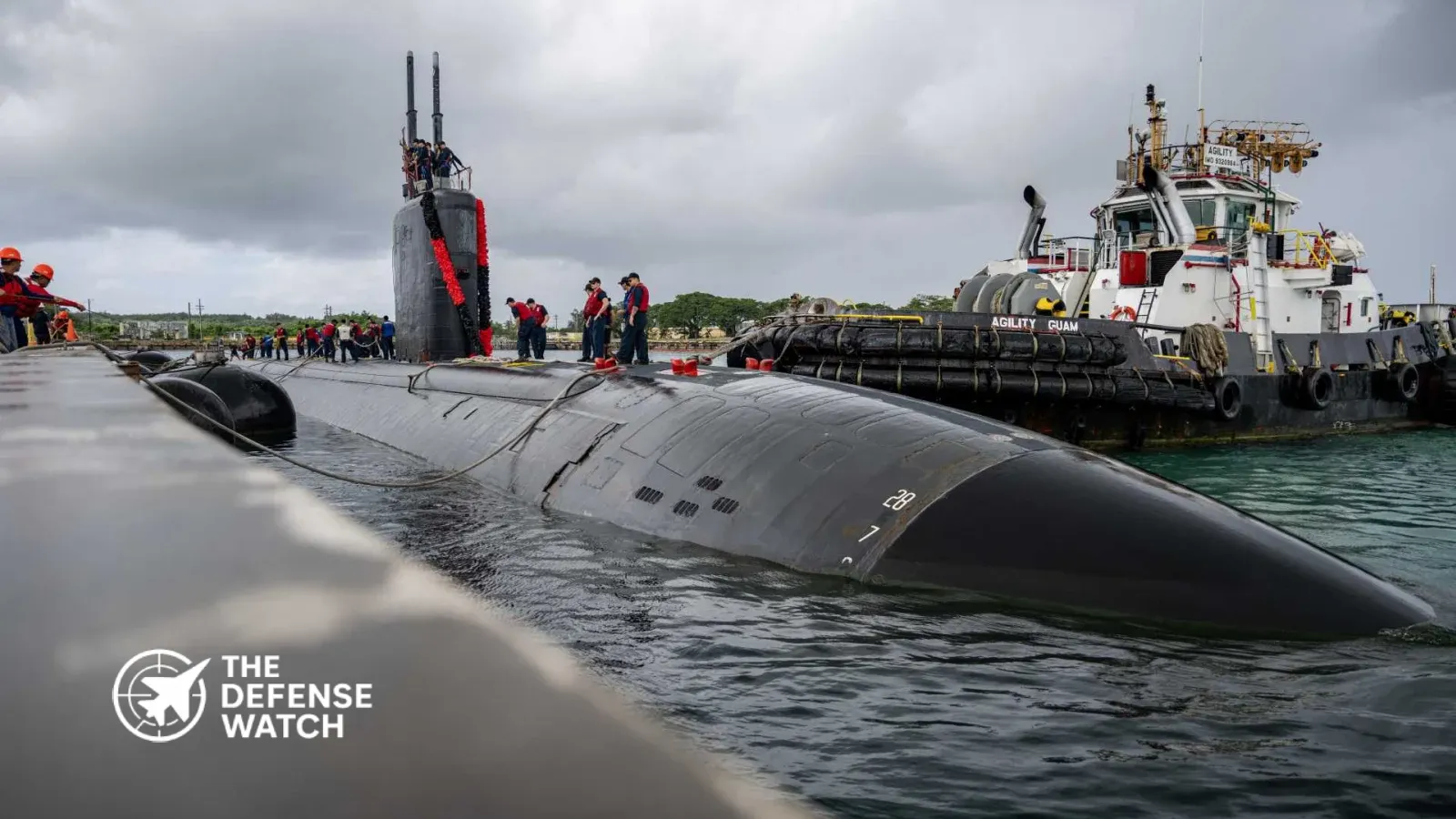
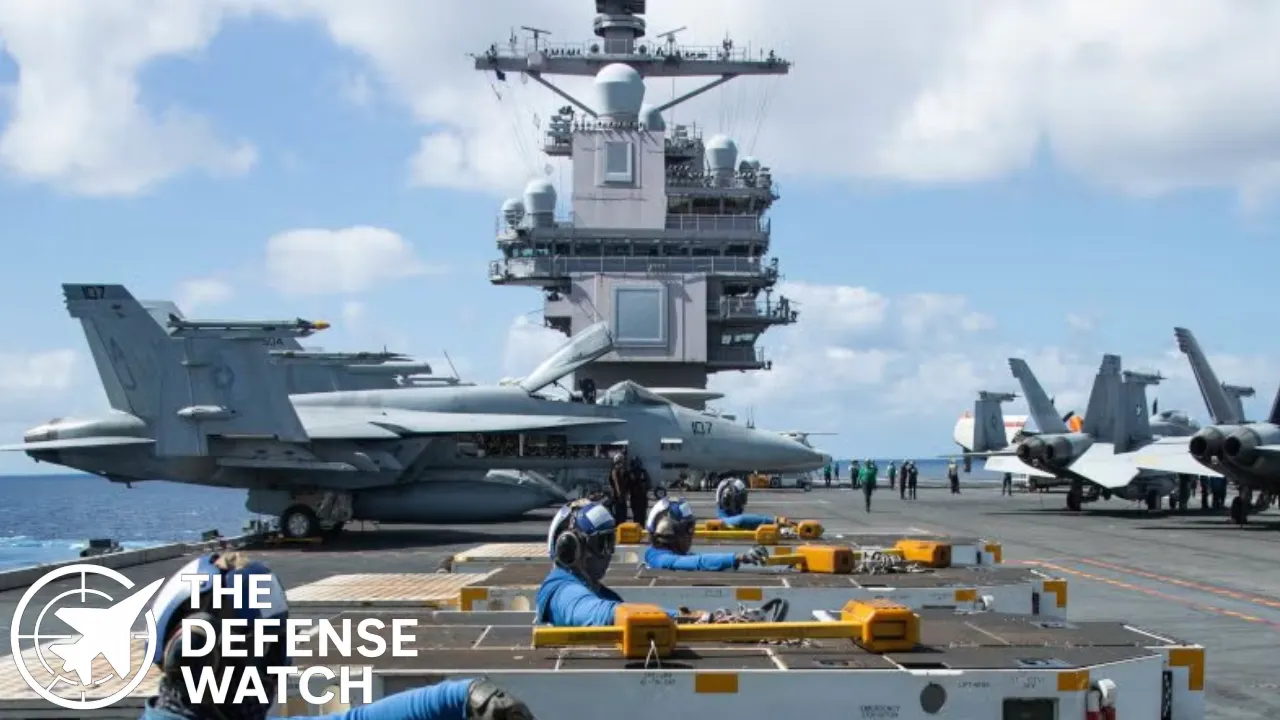
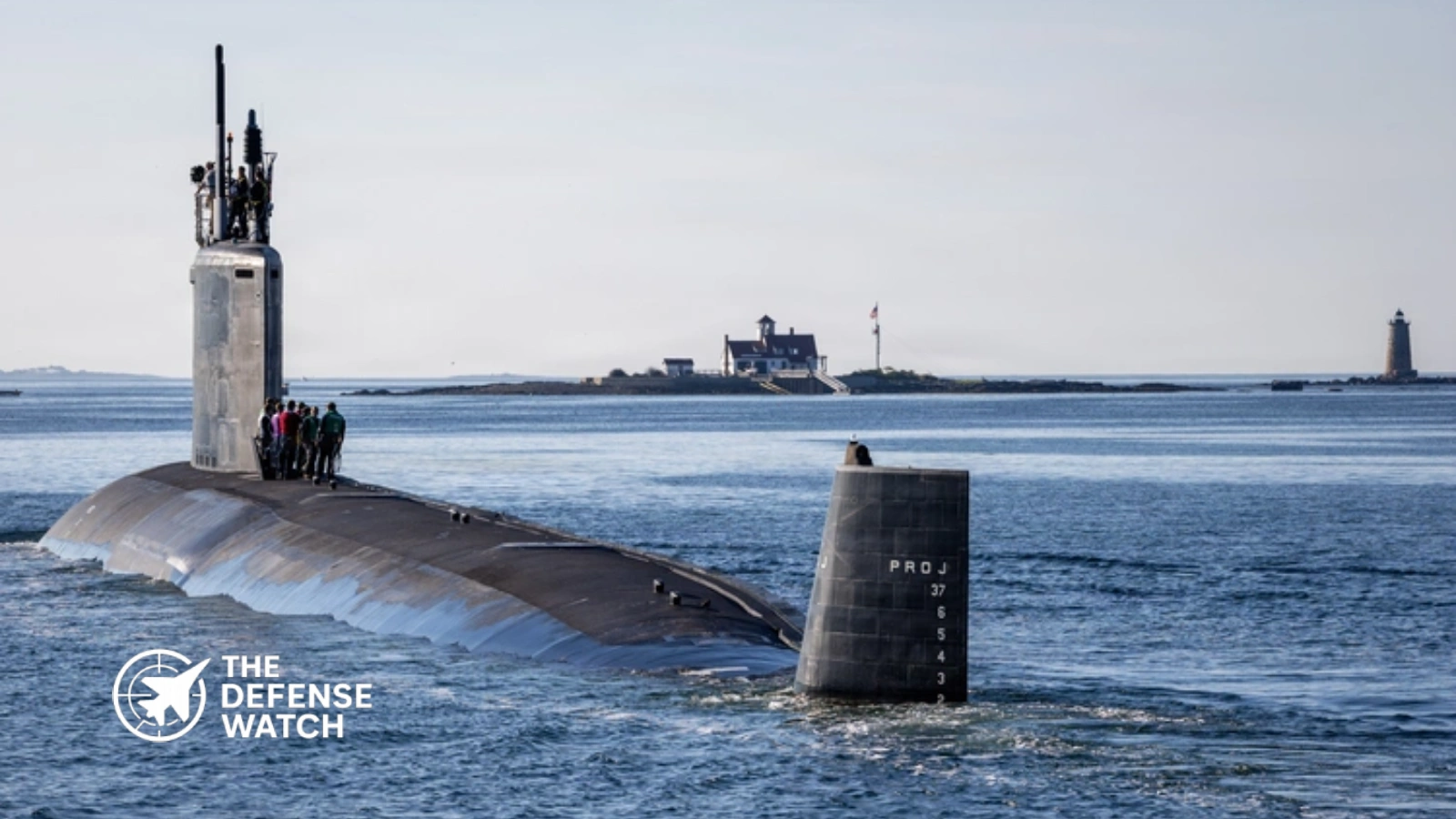
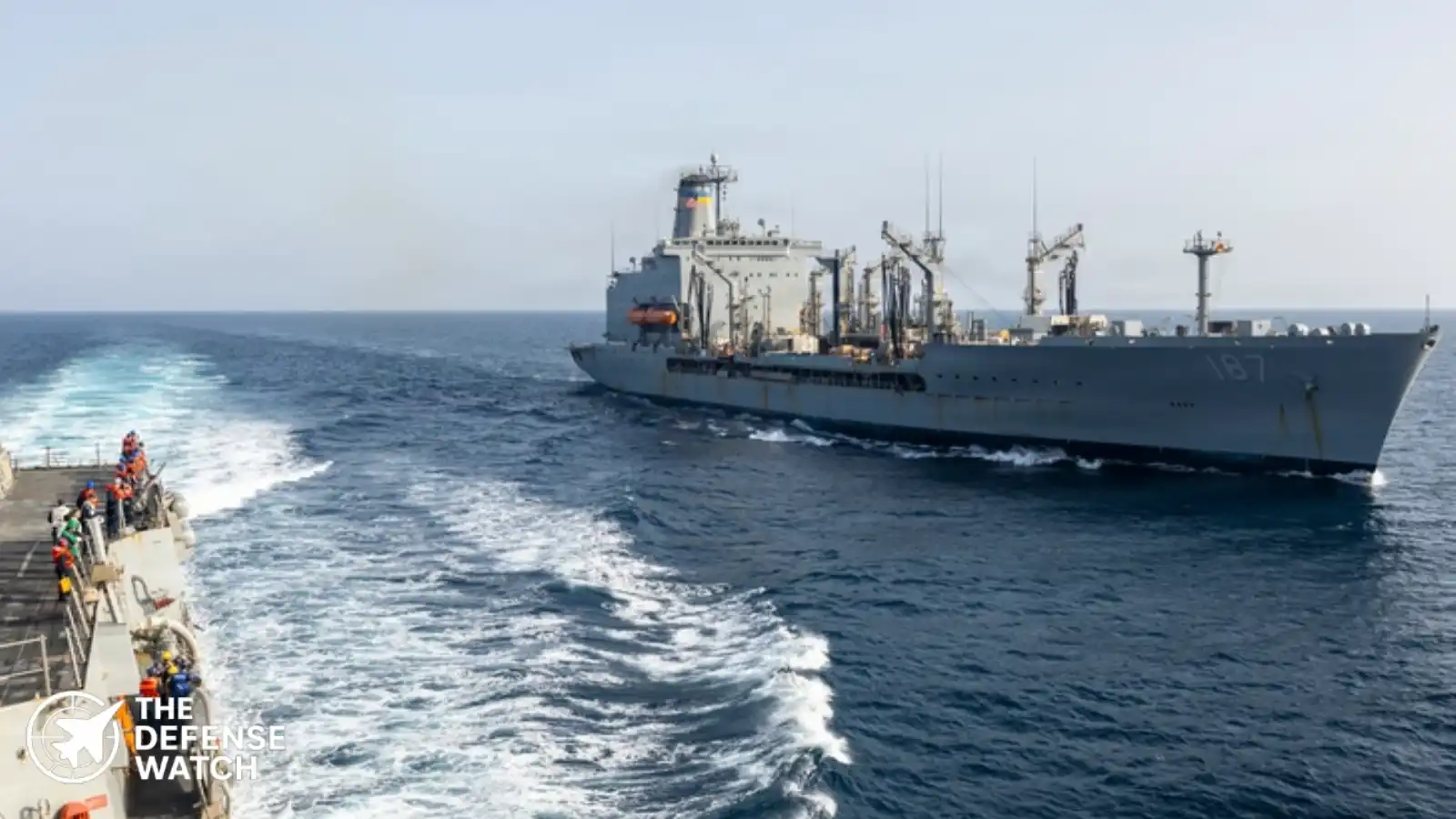
Washington has repeatedly used carrier strike groups, destroyers, patrol aircraft, and maritime surveillance assets to monitor Gulf traffic and reassure regional partners. Expanding control over key sea lanes typically involves intelligence gathering, vessel tracking, and selective interdiction backed by visible naval force.
If sustained, this approach can shape commercial behavior quickly. Shipping firms are highly sensitive to uncertainty. Even a low probability of disruption can move traffic patterns.
That makes maritime control one of the most efficient tools available in regional pressure campaigns.
Risks Of Escalation
While the reported move may strengthen deterrence, it also carries risk. Iran has historically responded to pressure through asymmetric methods, including harassment of shipping, drone activity, proxy operations, or threats to close strategic waterways.
Any cycle of action and reaction could raise tensions across the Gulf and affect neighboring states that rely on stable maritime commerce.
From a defense perspective, the balance now is between maintaining credible pressure and avoiding incidents at sea.
Strategic Analysis
At least part of the message appears aimed beyond Tehran. Regional allies, energy markets, and commercial operators are all audiences.
For allies, it signals continued U.S. commitment.
For markets, it warns of possible volatility.
For Iran, it demonstrates reach and persistence.
That multi-layered signaling often matters as much as the ships at sea.
Outlook
If more vessels reroute in coming days, the U.S. Iran blockade campaign could begin affecting global tanker flows and cargo schedules. If traffic normalizes, the move may instead be remembered as a short, sharp coercive signal.
Either way, maritime pressure remains one of the fastest tools Washington can employ in the region.