France Limits Rafale Source Code Access
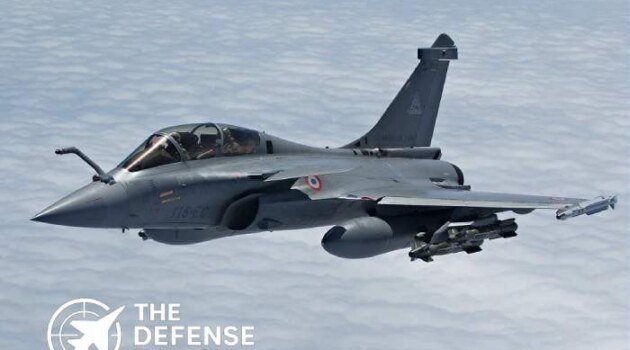
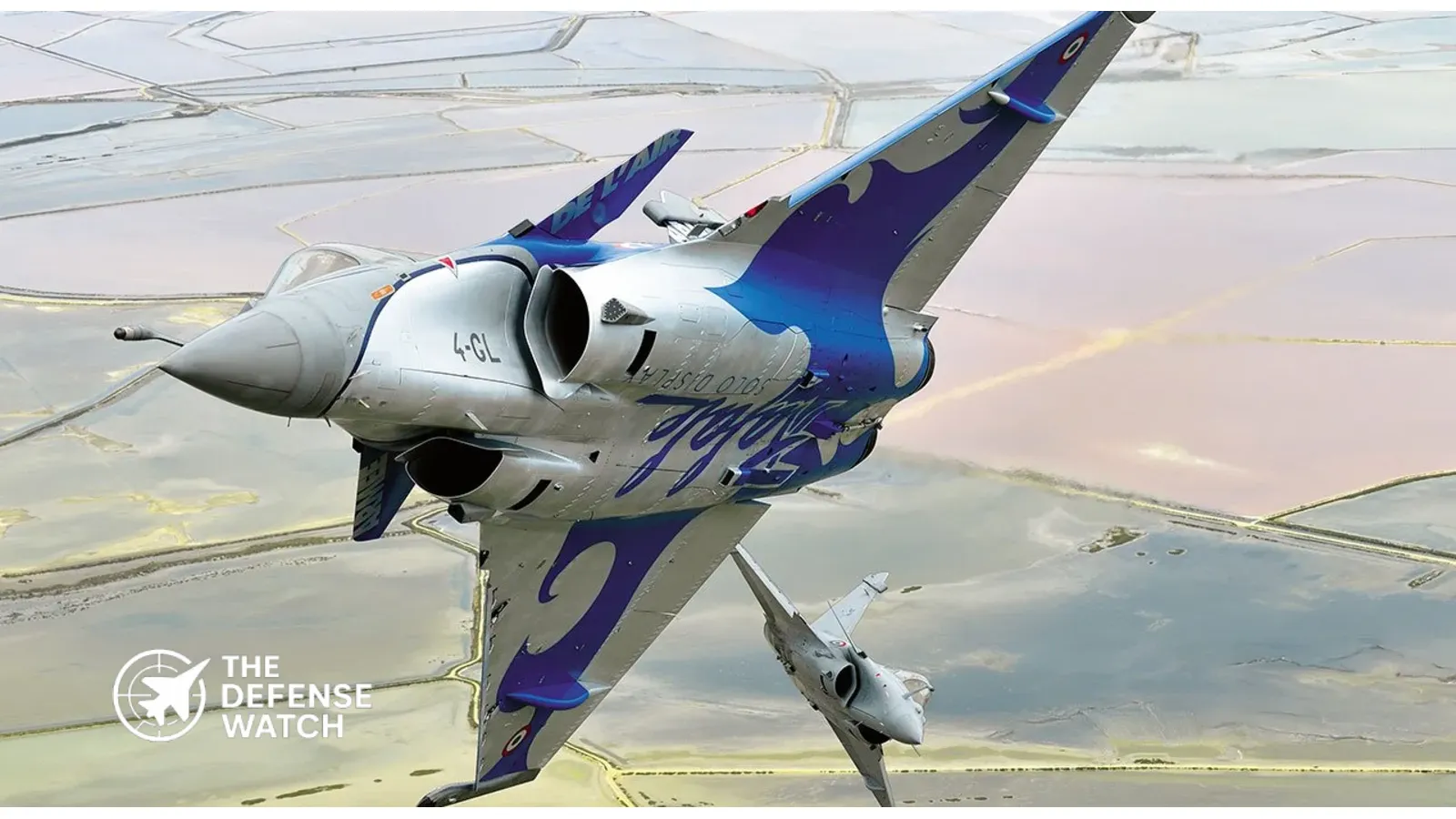
The Rafale source code access dispute has emerged as a key friction point between France and India, raising questions about operational sovereignty over one of the world’s most advanced multirole fighters, the Dassault Rafale.
According to reports, Paris has declined to grant New Delhi access to critical software source codes governing core systems on the Rafale. These include mission computers, radar integration frameworks, and the highly classified SPECTRA electronic warfare system.
The decision effectively limits India’s ability to independently modify or upgrade key onboard systems without French approval or direct involvement from the aircraft manufacturer, Dassault Aviation.
- France has reportedly refused to provide Rafale fighter source codes to India.
- The restriction affects India’s ability to independently integrate new AESA radar systems.
- Access limitations also extend to the SPECTRA electronic warfare suite.
- India seeks greater autonomy in upgrading its Rafale fleet with domestic and third-party systems.
- The issue highlights broader challenges in technology transfer agreements for advanced fighter jets.
Impact on AESA Radar Integration
A central issue in the Rafale source code access dispute is India’s ambition to integrate new or customized AESA radar capabilities into its fleet.
India has pursued efforts to enhance sensor performance, potentially through domestic technologies or hybrid solutions involving foreign subsystems. However, without access to the underlying software architecture, integrating these systems becomes significantly more complex.
Modern fighter jets rely heavily on tightly coupled software ecosystems. Radar, electronic warfare, and weapons systems are deeply integrated through mission computers. Without source code access, even minor changes can require manufacturer support, limiting flexibility and increasing long-term dependency.
This constraint is not unique to India. Many advanced Western platforms operate under similar restrictions, designed to protect sensitive intellectual property and prevent unauthorized modifications that could compromise system integrity.
SPECTRA System Remains Fully Controlled
The Rafale’s SPECTRA suite remains one of its most sensitive components. Developed by Thales Group and MBDA, the system provides radar warning, electronic countermeasures, and threat detection capabilities.
France’s refusal to share source code for SPECTRA underscores the strategic importance of electronic warfare technologies. These systems often incorporate classified threat libraries and advanced algorithms that are closely guarded even among close defense partners.
For India, this means that any effort to adapt SPECTRA to evolving regional threats must go through French channels, potentially slowing response times and limiting customization.
Strategic Implications for India’s Defense Autonomy
The Rafale source code access dispute reflects a broader challenge facing India’s defense modernization strategy, which emphasizes self-reliance and indigenous capability development.
New Delhi has increasingly pushed for deeper technology transfer in major defense acquisitions. Programs such as indigenous fighter development and domestic radar production aim to reduce reliance on foreign suppliers.
However, the Rafale case highlights the limits of such ambitions when dealing with highly advanced Western systems. Even when platforms are purchased outright, critical technologies often remain under the control of the original manufacturer.
This creates a long-term trade-off. While platforms like the Rafale offer cutting-edge performance, they can also lock operators into specific upgrade pathways controlled by external partners.
Balancing Capability and Control
From France’s perspective, restricting access to source code is standard practice. Protecting intellectual property, ensuring system security, and maintaining export control compliance are key considerations.
For India, the challenge is balancing immediate operational capability with long-term sovereignty. The Rafale remains one of the most capable fighters in its inventory, but the inability to fully control its software architecture may influence future procurement decisions.
The Rafale source code access dispute could also shape how India approaches upcoming fighter programs, including potential collaborations or domestic development initiatives.
Get real time update about this post category directly on your device, subscribe now.