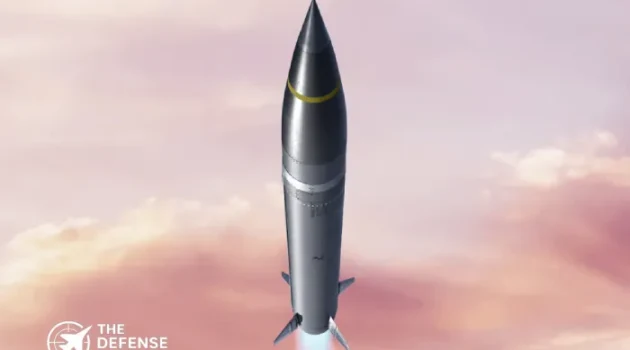
- ► The US used the 500km Precision Strike Missile in its first confirmed combat operation against Iranian targets.
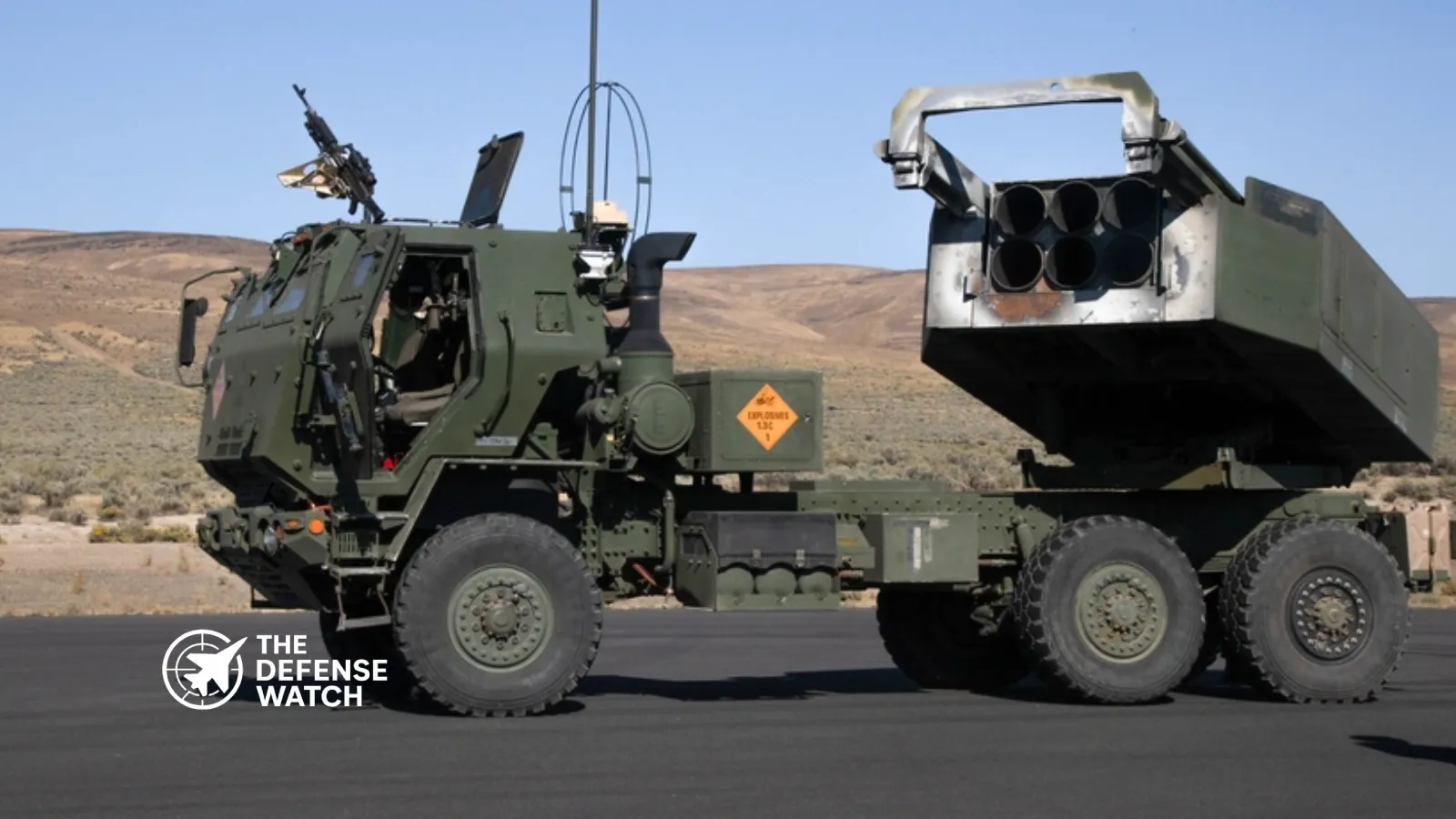
- ► The PrSM was launched from an M142 HIMARS platform operated by US Army forces.
- ► The strike reportedly targeted high value Iranian military infrastructure.
- ► PrSM replaces the ATACMS system and extends US Army deep strike reach beyond 300km.
- ► The combat debut signals a shift in how the US Army employs long range precision fires in regional conflicts.
US Deploys 500km PrSM Ballistic Missile In First Combat Strike On Iran
The 500km PrSM ballistic missile was used in combat for the first time during a US strike on Iranian targets, marking a major milestone for the US Army long range fires modernization program.
U.S. Central Command, the strike involved the Precision Strike Missile, or PrSM, launched from an M142 High Mobility Artillery Rocket System. The operation represents the first confirmed battlefield employment of the new missile, which is designed to replace the aging ATACMS inventory.
A New Phase For US Army Long Range Fires
The Precision Strike Missile is a next generation surface to surface ballistic missile developed by Lockheed Martin for the US Army. It is designed to engage high value targets at ranges of up to 500 kilometers under current configurations, with future increments expected to extend that range further.
PrSM is compatible with both the M142 HIMARS and the M270 Multiple Launch Rocket System. Unlike ATACMS, which carries one missile per pod, PrSM allows two missiles per launcher pod, effectively doubling the firepower available from existing platforms.
The reported use of the 500km PrSM ballistic missile in a strike on Iran suggests the US Army is now confident in its operational readiness under real combat conditions. That decision carries technical and strategic weight.
Operational And Strategic Implications
The deployment of the 500km PrSM ballistic missile changes the geometry of land based strike operations in the Middle East. With a 500km reach, US Army units can hold a broader range of fixed and mobile targets at risk without repositioning forward elements.
In a regional scenario involving Iran, this extended range allows US forces to strike command nodes, logistics hubs, air defense systems, and missile infrastructure from greater standoff distances. That reduces exposure to counterbattery fire and ballistic missile retaliation.
The PrSM also improves accuracy and survivability compared to older systems. Open source defense assessments indicate the missile incorporates improved guidance and anti access resilience features, though full specifications remain classified.
The combat debut sends a signal beyond the immediate theater. It demonstrates that the Army long range precision fires program, a top modernization priority, has moved from testing and limited fielding into active operational use.
Replacement Of ATACMS
PrSM is intended to fully replace the MGM 140 Army Tactical Missile System, which entered service in the 1990s. ATACMS has seen combat in Iraq, Afghanistan, and Syria, but its range and payload limits have constrained future use against more advanced adversaries.
By contrast, the 500km PrSM ballistic missile restores overmatch in deep fires while complying with post INF Treaty realities. After the collapse of the Intermediate Range Nuclear Forces Treaty in 2019, the United States was no longer bound by the 500km cap, though initial PrSM variants are reported to operate within that threshold.
The missile forms part of the Army broader Long Range Precision Fires portfolio, which also includes hypersonic weapons development and extended range cannon artillery.
Regional Escalation Risks
The use of the 500km PrSM ballistic missile in a strike on Iran carries geopolitical consequences. Iran has invested heavily in layered air defense systems and its own ballistic missile arsenal. A confirmed US employment of PrSM could influence Iranian force posture and regional deterrence calculations.
At the same time, the operational use of PrSM underscores how the US Army is adapting to high intensity conflict environments rather than counterinsurgency operations that dominated the past two decades.
From a force design perspective, it also reinforces the relevance of ground based fires in joint campaigns traditionally dominated by airpower and naval strike assets.
What Comes Next
Future increments of PrSM are expected to include multi mode seekers capable of engaging moving maritime targets, potentially expanding the missile role into anti ship missions. That would align with US efforts to counter anti access strategies in contested theaters.
For now, the first combat use of the 500km PrSM ballistic missile marks a clear turning point. It confirms the system has transitioned from development and limited operational capability into active combat employment.
The move will likely accelerate allied interest in long range precision fires, particularly among NATO and Indo Pacific partners already operating HIMARS platforms.
Get real time update about this post category directly on your device, subscribe now.