B-2 Spirit Drops GBU-57 Bunker Busters On IRGC Command Compound In Tehran During Operation Epic Fury
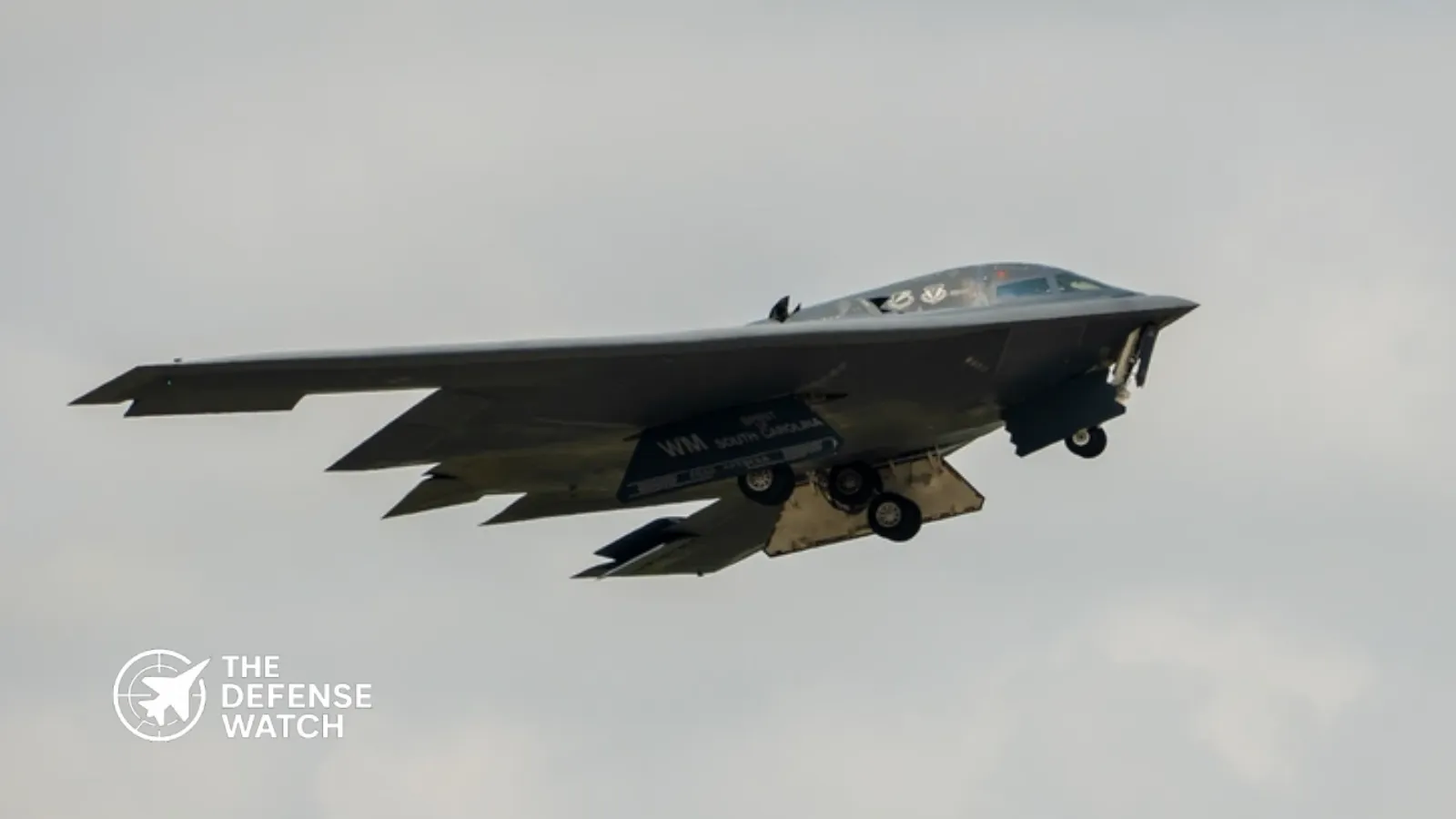
U.S. B-2 Spirit stealth bombers struck an underground Islamic Revolutionary Guard Corps command bunker near Tehran on April 7, 2026, using GBU-57 Massive Ordnance Penetrator bombs, The Wall Street Journal reported. The strike was executed as part of Operation Epic Fury — an active U.S. campaign that simultaneously included the combat recovery of a downed American airman inside Iranian territory, one of the most complex concurrent operations in recent American military history.
- U.S. B-2 Spirit stealth bombers struck a hardened underground IRGC command compound in Tehran on April 7, 2026, according to The Wall Street Journal.
- The aircraft reportedly employed the GBU-57 Massive Ordnance Penetrator — a 30,000-pound precision hard-target defeat weapon engineered specifically to destroy deeply buried, reinforced facilities.
- The mission was ordered by CENTCOM commander Admiral Brad Cooper after intelligence reportedly identified a high concentration of senior IRGC leaders inside the bunker — indicating a dynamic, time-sensitive targeting decision rather than a pre-planned strike.
- The B-2 sortie launched from Whiteman Air Force Base, Missouri, requiring intercontinental range, aerial refueling support, and a round-trip penetration of Iranian airspace — demonstrating the full reach of U.S. homeland-based power projection.
- The strike formed part of Operation Epic Fury, which simultaneously included the rescue of a downed U.S. F-15E airman inside Iran and supporting interdiction strikes to suppress Iranian ground forces in the recovery corridor.
The Big Picture
Washington’s willingness to apply strategic long-range bombers against hardened leadership targets deep inside Iran reflects a fundamental shift in how U.S. CENTCOM has approached Iranian military infrastructure. For years, deterrence against Iran rested primarily on regional air presence, carrier strike groups, and the implicit threat of escalation. Operation Epic Fury suggests a posture that has moved beyond deterrence by denial and toward active, kinetic suppression of Iran’s most protected command architecture — including deeply buried sites within the capital.
That shift carries meaning well beyond the immediate tactical outcome. The B-2 Spirit remains the sole operational platform capable of combining low-observable penetration of advanced air defense environments with the carriage and precision delivery of the GBU-57 MOP. When Washington deploys that specific combination against targets near Tehran, it signals a willingness to match the most demanding aimpoints in the Iranian target set with the most capable conventional weapons in the American inventory.
B-2 Spirit and GBU-57 in Operation Midnight Hammer, June 2025
What’s Happening
CENTCOM commander Admiral Brad Cooper ordered B-2 bombers to conduct a round-trip strike mission from Whiteman Air Force Base in Missouri after intelligence reportedly pinpointed a significant gathering of senior IRGC commanders inside a hardened underground compound in Tehran. According to The Wall Street Journal, the decision was driven by time-sensitive targeting data — meaning the window to strike the leadership concentration was narrow and required rapid command authorization, rapid aircraft tasking, and sustained aerial refueling support across intercontinental distance.
Each B-2 released GBU-57 Massive Ordnance Penetrators against the bunker. The GBU-57 is a 30,000-pound GPS-guided weapon with a hardened steel casing and a delayed fuze designed to penetrate multiple meters of earth and reinforced concrete before detonating. It is not a general-purpose munition. Its development was driven explicitly by the requirement to defeat the type of deeply buried, purpose-built command and weapons facilities that Iran, North Korea, and other adversaries have invested in for decades.
The mission unfolded while separate U.S. forces were executing a combat search and rescue operation to recover a downed F-15E Strike Eagle aircrew member inside Iran — a personnel recovery mission that itself required American bombers to drop approximately one hundred 2,000-pound bombs to suppress Iranian forces attempting to intercept the rescue corridor.
Why It Matters
The operational significance of this strike rests on three converging elements: what was targeted, what was used, and when it happened.
Targeting an IRGC command bunker near Tehran during an active personnel recovery operation means U.S. forces were simultaneously managing at least two high-risk, high-complexity mission threads inside Iranian territory at the same moment. That level of concurrent joint-force integration — dynamic leadership targeting layered on top of combat rescue — reflects the maturity and responsiveness of the American kill chain in a contested, rapidly evolving operational environment.
The selection of the GBU-57 confirms that the target was assessed as deeply hardened. Standard 2,000-pound penetrating bombs are capable against moderate protection, but the IRGC has constructed facilities specifically designed to survive conventional bombardment. Only the MOP — carried exclusively by the B-2 — provides the combination of mass, penetration geometry, and fuze delay necessary to defeat such structures with conventional ordnance.
The launch from Whiteman AFB rather than a forward theater base is equally deliberate. It demonstrates that the United States can generate power projection directly from the continental homeland without requiring in-region basing that could be denied, threatened, or politically complicated. For planners in Tehran, that removes one of the key assumptions behind Iranian A2/AD strategy: that U.S. airpower depends on vulnerable regional airfields to generate sustained strike sorties.
Strategic Implications
This mission accelerates the erosion of a core Iranian strategic assumption — that underground military architecture provides meaningful sanctuary for senior leadership and command nodes.
Iran has invested heavily in buried facilities over decades. The logic was straightforward: depth and reinforced construction would preserve regime command continuity under air attack, effectively holding a critical element of Iranian military capacity beyond the reach of conventional American airpower. The June 2025 Operation Midnight Hammer already challenged that assumption by marking the first confirmed combat employment of the GBU-57 against hardened Iranian nuclear facilities. The April 2026 strike against the IRGC command bunker near Tehran extends that logic directly to protected leadership infrastructure.
The implications for Iranian force posture are significant. If the IRGC can no longer rely on fixed underground compounds as secure command centers during a conflict, it must adapt — dispersing leadership more widely, shifting to mobile command platforms, reducing the concentration of senior officers in any single location, and accepting the degraded coordination that comes with that dispersal. None of these adaptations are costless. Greater dispersion reduces coherence. Mobile command platforms are harder to secure and easier to detect. The tradeoff between survivability and command effectiveness becomes a permanent operational tension.
For U.S. deterrence signaling, the strike delivers a message that is precise, concrete, and unmistakable: the combination of B-2 Spirit penetration and GBU-57 hard-target defeat capability can be applied against deeply buried command sites in the Iranian capital on compressed timelines, driven by real-time intelligence, and executed from the American homeland.
Competitor View
For China and Russia, both of which maintain extensive hardened underground military facilities — including leadership bunkers and nuclear command infrastructure — the B-2 and GBU-57 pairing carries a sobering deterrent signal. The demonstrated willingness of the United States to employ its deepest-penetrating conventional ordnance against protected command sites in a real operational context, rather than in exercise scenarios, sharpens the credibility of American hard-target defeat capability in any future high-end contingency.
Beijing’s People’s Liberation Army operates numerous deeply buried strategic facilities, and Chinese defense planners will have noted both the weapon employed and the dynamic, intelligence-driven targeting cycle that preceded the strike. Moscow similarly maintains Cold War-era and more recent deep underground command complexes. Both capitals now have updated empirical evidence that U.S. conventional hard-target defeat capability has moved from validated testing into active combat use against a non-nuclear regional adversary.
For Iran specifically, the strike against an IRGC command node — not merely nuclear or missile infrastructure — indicates that Washington views the IRGC’s protected command architecture as a legitimate conventional target set during active hostilities. That broadens the perceived target menu and further compresses Iranian confidence in the survivability of command-and-control during a sustained U.S. air campaign.
What To Watch Next
The immediate follow-on questions center on battle damage assessment and Iranian operational response. Independent confirmation of the physical damage inflicted on the IRGC bunker will take time, and the U.S. government has not issued a formal official statement as of this publication. Commercial satellite imagery of the affected area near Tehran will likely provide initial indicators.
Strategically, the pace of subsequent U.S. strike activity within Operation Epic Fury — and whether Washington signals any pause linked to diplomatic signaling — will indicate whether the current campaign posture is oriented toward coercive pressure or toward sustained degradation of Iranian military capability. The U.S. has also not publicly defined the operational boundaries or stated objectives of Epic Fury, leaving Iranian and regional interlocutors to assess U.S. intentions based primarily on the actions observed.
Capability Gap
The GBU-57 Massive Ordnance Penetrator was developed because no previous conventional weapon in the American inventory could reliably defeat the class of hardened and deeply buried facilities that Iran, North Korea, and other actors have constructed specifically to survive standard munitions. The B-2 was already the only aircraft large enough and stealthy enough to carry the MOP into contested airspace, but the weapon languished as a contingency asset through most of the previous decade.
Operation Midnight Hammer in June 2025 closed the gap between validated capability and operational credibility. The April 2026 IRGC bunker strike confirms that GBU-57 employment is now an established tool in the active U.S. operational playbook — not a threshold reserved exclusively for existential scenarios.
The realistic limitation is inventory depth. The GBU-57 is a specialized, expensive, and low-volume munition. Sustained employment in a prolonged campaign would draw down available stocks. The degree to which the United States has expanded MOP production or pre-positioned additional units since Midnight Hammer remains classified, but inventory management will be a real planning constraint in any extended hardened-target campaign.
The Bottom Line
The reported B-2 Spirit strike against a hardened IRGC command bunker near Tehran with GBU-57 Massive Ordnance Penetrators confirms that the United States has integrated deep-strike hard-target defeat into active, time-sensitive, concurrent operations — fundamentally undermining the strategic logic that underground military architecture provides durable sanctuary for Iranian leadership.
¦ KEY FACTS AT A GLANCE- The United States has reportedly suffered its first-ever combat loss of an E-3 Sentry AWACS aircraft.
- The aircraft was damaged or destroyed during an Iranian strike on Prince Sultan Air Base in Saudi Arabia.
- The E-3 Sentry plays a critical role in airborne early warning, command, and control operations.
- The incident underscores growing threats to high-value airborne and ground-based assets in the Middle East.
- The strike reflects escalating regional tensions and expanding Iranian long-range strike capabilities.
US E-3 Sentry Combat Loss Marks Turning Point In Airpower Vulnerability
The US E-3 Sentry combat loss marks a significant development in modern air warfare, following an Iranian strike on Prince Sultan Air Base in Saudi Arabia that reportedly damaged or destroyed the high-value airborne early warning aircraft.
According to reports, the incident represents the first confirmed combat loss of an E-3 Sentry since the platform entered service in the late Cold War era. The aircraft, operated by the US Air Force, is a cornerstone of airborne command and control, providing real-time surveillance, battle management, and coordination across joint forces.
While details remain limited, the strike is believed to have targeted the airbase using long-range precision munitions, potentially including ballistic or cruise missiles. The base has served as a key hub for US air operations in the region.
Strategic Role Of The E-3 Sentry In Modern Warfare
The E-3 Sentry, commonly referred to as AWACS, is built on a modified Boeing 707 airframe and equipped with a distinctive rotating radar dome. It can detect and track airborne and maritime threats at extended ranges, while directing friendly aircraft and coordinating complex operations.
Losing such a platform, even on the ground, carries operational and symbolic consequences.
From an operational standpoint, the US E-3 Sentry combat loss reduces available airborne surveillance capacity in a region where persistent monitoring is critical. These aircraft are limited in number, and their replacement is both costly and time-consuming.
From a strategic perspective, the incident highlights a shift in threat environments. High-value assets that were once considered relatively secure at rear-area bases are now increasingly vulnerable to precision strikes.
Iranian Strike Capabilities And Regional Escalation
The reported strike reflects the growing sophistication of Iran’s long-range strike arsenal. Over the past decade, Tehran has invested heavily in ballistic missiles, cruise missiles, and unmanned systems designed to penetrate air defenses and strike high-value targets.
Previous attacks on regional infrastructure, including energy facilities and military installations, have demonstrated both range and accuracy improvements. The ability to target a heavily defended airbase hosting US assets suggests continued refinement of targeting and strike coordination.
The US E-3 Sentry combat loss therefore fits into a broader pattern of evolving asymmetric capabilities aimed at offsetting conventional US military advantages.
Implications For US Force Posture And Base Defense
This incident is likely to trigger a reassessment of US force protection measures across the Middle East.
Airbases that host critical assets such as AWACS, tanker aircraft, and command platforms may require enhanced missile defense coverage, hardened shelters, and dispersal strategies. The vulnerability of fixed infrastructure has been a growing concern, particularly as adversaries expand their precision strike reach.
In practical terms, the US E-3 Sentry combat loss may accelerate efforts to:
- Increase deployment of layered air and missile defense systems
- Disperse high-value aircraft across multiple locations
- Invest in survivable and distributed command-and-control architectures
It also reinforces ongoing discussions about transitioning some AWACS functions to space-based and distributed sensor networks.
Broader Impact On Airborne Early Warning Operations
The loss underscores the enduring importance, and vulnerability, of airborne early warning platforms in contested environments.
While next-generation systems are under development, including more survivable and networked solutions, the E-3 Sentry remains a primary asset for US and allied forces. Any reduction in availability could affect operational tempo and situational awareness in high-risk theaters.
At the same time, adversaries are clearly prioritizing these platforms as high-value targets, both for their operational role and their strategic significance.
â– KEY FACTS AT A GLANCE- â–º The US used the 500km Precision Strike Missile in its first confirmed combat operation against Iranian targets.
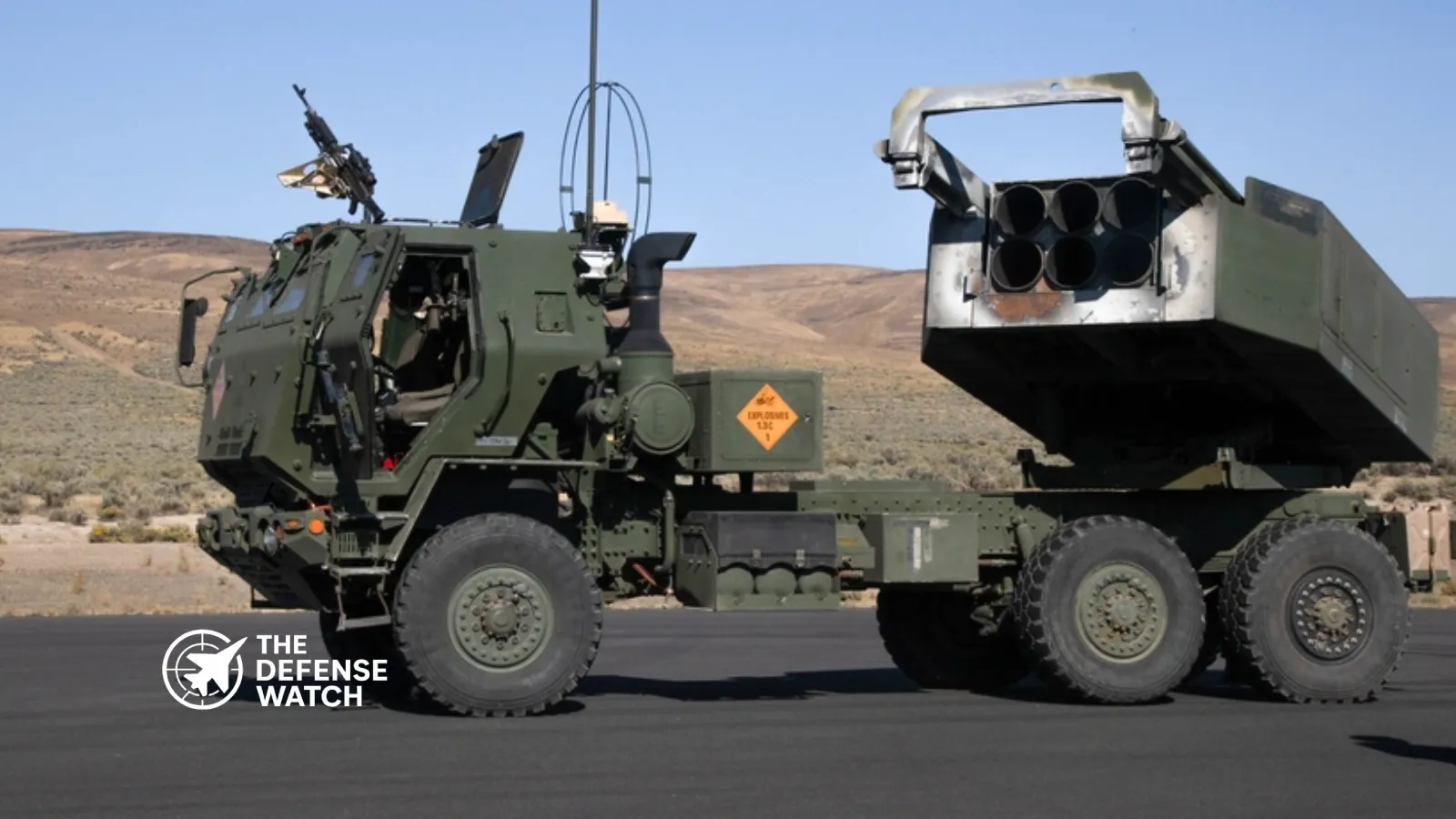
- â–º The PrSM was launched from an M142 HIMARS platform operated by US Army forces.
- â–º The strike reportedly targeted high value Iranian military infrastructure.
- â–º PrSM replaces the ATACMS system and extends US Army deep strike reach beyond 300km.
- â–º The combat debut signals a shift in how the US Army employs long range precision fires in regional conflicts.
US Deploys 500km PrSM Ballistic Missile In First Combat Strike On Iran
The 500km PrSM ballistic missile was used in combat for the first time during a US strike on Iranian targets, marking a major milestone for the US Army long range fires modernization program.
U.S. Central Command, the strike involved the Precision Strike Missile, or PrSM, launched from an M142 High Mobility Artillery Rocket System. The operation represents the first confirmed battlefield employment of the new missile, which is designed to replace the aging ATACMS inventory.
A New Phase For US Army Long Range Fires
The Precision Strike Missile is a next generation surface to surface ballistic missile developed by Lockheed Martin for the US Army. It is designed to engage high value targets at ranges of up to 500 kilometers under current configurations, with future increments expected to extend that range further.
PrSM is compatible with both the M142 HIMARS and the M270 Multiple Launch Rocket System. Unlike ATACMS, which carries one missile per pod, PrSM allows two missiles per launcher pod, effectively doubling the firepower available from existing platforms.
The reported use of the 500km PrSM ballistic missile in a strike on Iran suggests the US Army is now confident in its operational readiness under real combat conditions. That decision carries technical and strategic weight.
Operational And Strategic Implications
The deployment of the 500km PrSM ballistic missile changes the geometry of land based strike operations in the Middle East. With a 500km reach, US Army units can hold a broader range of fixed and mobile targets at risk without repositioning forward elements.
In a regional scenario involving Iran, this extended range allows US forces to strike command nodes, logistics hubs, air defense systems, and missile infrastructure from greater standoff distances. That reduces exposure to counterbattery fire and ballistic missile retaliation.
The PrSM also improves accuracy and survivability compared to older systems. Open source defense assessments indicate the missile incorporates improved guidance and anti access resilience features, though full specifications remain classified.
The combat debut sends a signal beyond the immediate theater. It demonstrates that the Army long range precision fires program, a top modernization priority, has moved from testing and limited fielding into active operational use.
Replacement Of ATACMS
PrSM is intended to fully replace the MGM 140 Army Tactical Missile System, which entered service in the 1990s. ATACMS has seen combat in Iraq, Afghanistan, and Syria, but its range and payload limits have constrained future use against more advanced adversaries.
By contrast, the 500km PrSM ballistic missile restores overmatch in deep fires while complying with post INF Treaty realities. After the collapse of the Intermediate Range Nuclear Forces Treaty in 2019, the United States was no longer bound by the 500km cap, though initial PrSM variants are reported to operate within that threshold.
The missile forms part of the Army broader Long Range Precision Fires portfolio, which also includes hypersonic weapons development and extended range cannon artillery.
Regional Escalation Risks
The use of the 500km PrSM ballistic missile in a strike on Iran carries geopolitical consequences. Iran has invested heavily in layered air defense systems and its own ballistic missile arsenal. A confirmed US employment of PrSM could influence Iranian force posture and regional deterrence calculations.
At the same time, the operational use of PrSM underscores how the US Army is adapting to high intensity conflict environments rather than counterinsurgency operations that dominated the past two decades.
From a force design perspective, it also reinforces the relevance of ground based fires in joint campaigns traditionally dominated by airpower and naval strike assets.
What Comes Next
Future increments of PrSM are expected to include multi mode seekers capable of engaging moving maritime targets, potentially expanding the missile role into anti ship missions. That would align with US efforts to counter anti access strategies in contested theaters.
For now, the first combat use of the 500km PrSM ballistic missile marks a clear turning point. It confirms the system has transitioned from development and limited operational capability into active combat employment.
The move will likely accelerate allied interest in long range precision fires, particularly among NATO and Indo Pacific partners already operating HIMARS platforms.
Standoff Missiles Would Likely Lead Any Strike Package
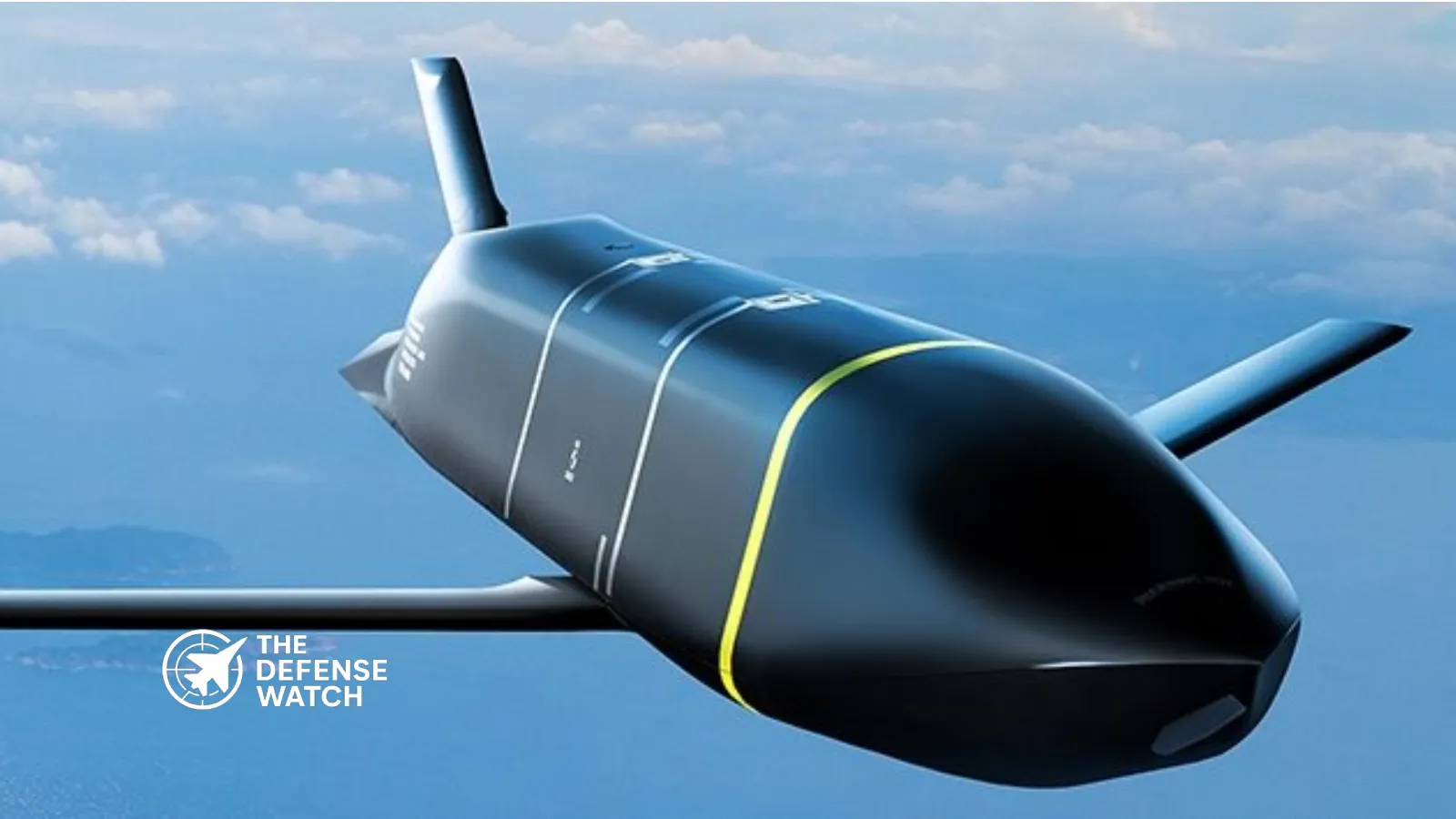
In any hypothetical U.S. military strike on Iran, the Joint Air-to-Surface Standoff Missile (JASSM) would be a likely weapon of choice, particularly in scenarios emphasizing standoff capabilities to minimize risks to American aircraft and personnel. Military analysts point to the weapon’s extended range and stealth characteristics as key factors that would make it central to operational planning.
The JASSM, especially its extended-range variant JASSM-ER, offers ranges exceeding 500 miles, allowing launches from well outside Iranian airspace. This capability avoids direct confrontation with Iran’s integrated air defenses, including systems like the Russian-supplied S-300 or indigenous equivalents that have been deployed around strategic sites.
According to defense industry analysis, JASSM is specifically designed for striking hardened, high-value targets like command centers, missile sites, nuclear facilities, and air defense radars. The weapon features stealth characteristics, GPS/INS guidance, and a penetrating warhead, making it effective against buried or protected installations.
Tomahawk Cruise Missiles Provide Naval Strike Option
While JASSM would be prominent in any air campaign, it wouldn’t be used in isolation. Tomahawk cruise missiles, launched from Navy surface ships and submarines positioned in the Persian Gulf or Arabian Sea, would provide complementary strike capability from maritime platforms.
The Tomahawk Land Attack Missile (TLAM) offers similar standoff range to JASSM, with the latest Block V variants featuring enhanced navigation systems and the ability to retarget in flight. Navy assets could launch coordinated strikes from multiple vectors, complicating Iranian defensive responses and forcing air defense systems to engage threats from different directions simultaneously.
Defense News reporting indicates that U.S. Navy destroyers and cruisers routinely operate in the region with full Tomahawk loadouts, providing persistent strike capability without requiring aircraft deployment or basing negotiations with regional partners.
B-2 Stealth Bombers Could Strike Deep Underground Facilities
For specialized missions requiring penetration of deeply buried facilities—such as underground nuclear sites or hardened command bunkers—the B-2 Spirit stealth bomber armed with Massive Ordnance Penetrators (MOP) represents the ultimate bunker-defeat capability. The GBU-57 MOP weighs approximately 30,000 pounds and can penetrate up to 200 feet of reinforced concrete before detonation.
According to Aviation Week reporting, only the B-2’s combination of stealth, payload capacity, and precision delivery allows employment of these specialized munitions against the most heavily protected targets. The bomber’s low-observable characteristics enable penetration of defended airspace, while its internal weapons bay accommodates the oversized MOP.
Military planners could employ B-2s against Iran’s underground Fordow uranium enrichment facility or other strategic sites where conventional munitions would prove insufficient. The aircraft’s intercontinental range allows operations from U.S. bases, eliminating dependency on regional airbases.
Rapid Dragon System Converts Cargo Planes Into Strike Platforms
Recent innovation has introduced the Rapid Dragon palletized munition system, which allows JASSM-ER missiles to be launched from the rear cargo ramp of unmodified transport and cargo aircraft including C-130 and C-17 platforms.
The deployment sequence involves rolling pallets with missiles out of the aircraft, with parachutes deploying to orient them, and then missiles launching in sequence. While not the standard employment method, this capability was developed for distributed operations and to give transports strike potential in a crisis.
According to U.S. Air Force statements, Rapid Dragon reflects evolving concepts for distributed warfare, potentially converting large portions of the cargo fleet into improvised standoff strike platforms during major conflict scenarios. This dramatically expands the number of launch platforms available to commanders.
F-35 Stealth Fighters Provide Penetrating Strike Capability
F-35A Lightning II stealth fighters stationed at regional bases or aboard aircraft carriers could conduct penetrating strikes against time-sensitive targets or air defense nodes. While the F-35’s internal weapons bay limits payload compared to legacy strike aircraft, the fighter’s stealth and sensor fusion capabilities enable operations in heavily defended environments.
The F-35 can carry 2,000-pound JDAM precision-guided bombs internally, or external munitions in lower-threat environments. Breaking Defense analysis notes that F-35s would likely operate in coordinated packages, using their advanced sensors to locate and target mobile threats while suppressing air defenses for follow-on strikes by less survivable platforms.
Legacy Strike Aircraft Carry Heavy Payloads
B-52H Stratofortress and B-1B Lancer heavy bombers, along with F-15E Strike Eagle fighters, provide substantial munitions capacity for mass strikes against multiple target sets. These aircraft can carry dozens of precision-guided weapons per sortie, though they would likely operate from standoff ranges rather than penetrating defended airspace.
The B-52 can carry 20 JASSM missiles externally, while the B-1B accommodates 24 JASSM internally. F-15E Strike Eagles, likely operating from regional bases, provide tactical flexibility with mixed loadouts of air-to-ground weapons and self-defense capabilities.
Jane’s Defence Weekly reporting indicates these platforms would form the backbone of any sustained air campaign, delivering the volume of precision strikes necessary to achieve operational objectives across distributed target sets.
Electromagnetic and Cyber Capabilities
Beyond kinetic weapons, U.S. forces possess electromagnetic warfare and cyber capabilities that could disrupt Iranian command and control, air defense networks, and communications infrastructure. While details remain classified, defense analysts note that integrated electronic attack would likely precede or accompany any kinetic strikes.
EA-18G Growler electronic attack aircraft could jam Iranian air defense radars, while cyber operations could target network infrastructure and weapon systems. These non-kinetic effects would degrade Iranian defensive responses and create windows for strike packages to reach their targets.
Strategic Implications of Standoff Strike Doctrine
The emphasis on standoff weapons reflects lessons learned from previous conflicts and the evolving threat environment. By enabling strikes from beyond the effective range of most surface-to-air missile systems, these weapons reduce attrition risk to aircraft and aircrew while maintaining the ability to hold strategic targets at risk.
In the context of potential operations against Iran, standoff strike capability provides both military effectiveness and strategic flexibility. Decision-makers can authorize proportional responses that demonstrate resolve while limiting escalation risks and avoiding the political complications associated with aircraft losses or pilot capture.
Military analysts emphasize that the diverse arsenal available to U.S. commanders allows tailored responses matching specific scenarios, from limited strikes against individual facilities to comprehensive campaigns against integrated target sets. The combination of stealth platforms, extended-range missiles, and enabling capabilities provides options across the spectrum of potential contingencies.