Iran Missile Attack On Jordan Puts Patriot Defense Under Pressure
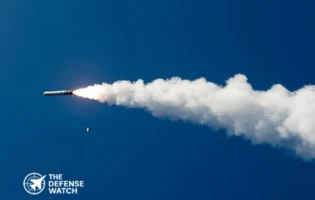
The Iran missile attack on Jordan has highlighted both the effectiveness and the cost of modern ballistic missile defense after Iranian forces launched 20 ballistic missiles toward Jordan overnight.
- Iran Missile Attack On Jordan Puts Patriot Defense Under Pressure
- Takeaways
- What The Jordanian Military Confirmed
- How Many Patriot Missiles Were Fired?
- What Would 60 To 100 PAC-3 MSE Interceptors Cost?
- Why The Numbers Matter
- A Larger Escalation Between Iran And The United States
- What Remains Unknown
- Defense Industry Implications
- Bottom Line
Takeaways
Jordan confirmed that 18 of 20 Iranian ballistic missiles were intercepted during the latest attack, while claims of extensive Patriot interceptor use remain unverified.
The Jordanian Armed Forces said its air defense systems intercepted and destroyed 18 of the incoming missiles. The remaining two missiles fell in unpopulated areas, and Jordan reported no casualties from the attack.
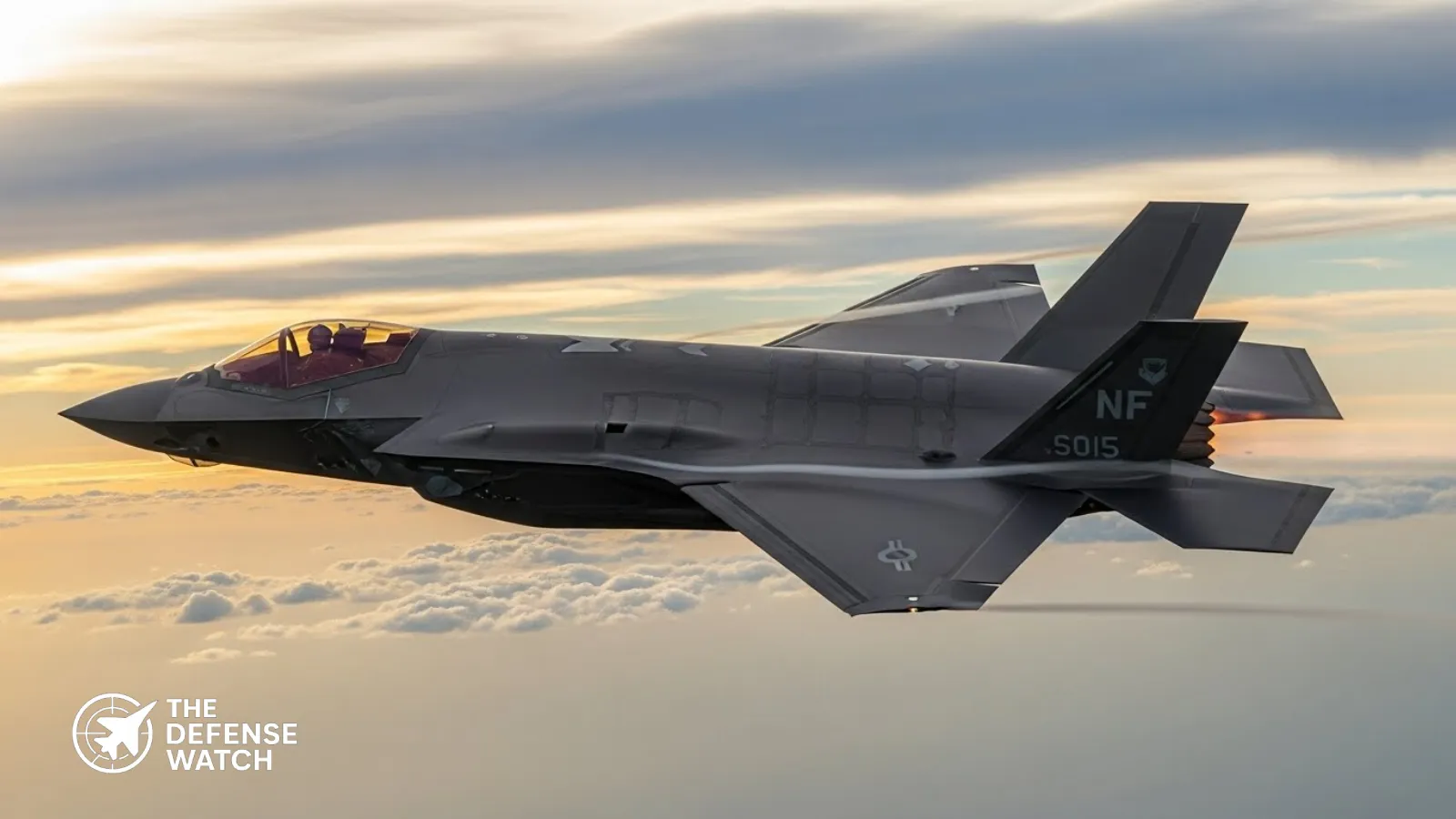
The attack targeted the Al-Azraq area, where the U.S.-used Muwaffaq Salti Air Base is located. Iran’s Islamic Revolutionary Guard Corps claimed that its operation targeted facilities associated with U.S. aircraft, including F-35, F-16 and F-15 fighter operations.
Iran also claimed that the strike caused heavy damage. Those claims have not been independently verified. A U.S. official cited in current reporting said the Iranian attack was ineffective and that all American personnel were accounted for.
What The Jordanian Military Confirmed
The most reliable figure currently available is the Jordanian military’s account of the engagement.
According to the Jordanian Armed Forces, 20 ballistic missiles were launched from Iranian territory toward Jordan. Eighteen were intercepted and destroyed, while two reached areas away from population centers.
Jordanian authorities said specialized teams were deployed to deal with missile debris and warned residents not to approach unidentified fragments.
The 18 successful interceptions represent a 90 percent interception rate based on the number of missiles Jordan says were launched.
That figure does not, however, tell us how many interceptor missiles were fired.
How Many Patriot Missiles Were Fired?
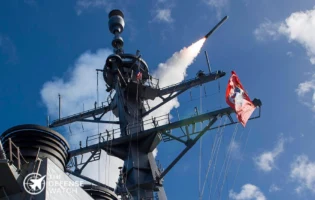
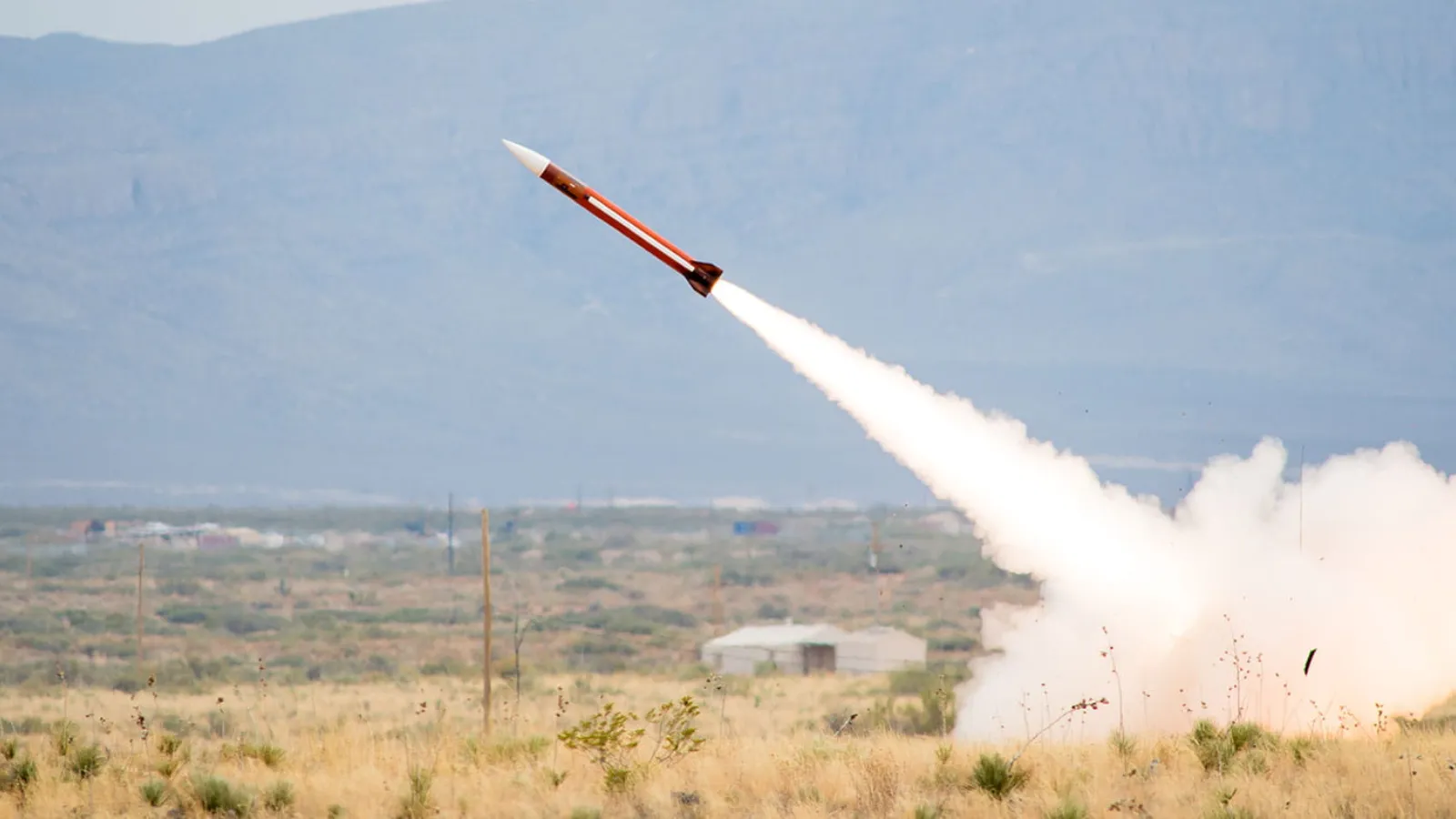
Video footage circulating online shows multiple Patriot air defense launch sequences during the Iranian attack.
Open-source analysts have attempted to count individual launches visible in nighttime footage. One current OSINT estimate places the number of Patriot interceptor launches between approximately 60 and more than 100.
That estimate should be treated cautiously.
Video footage can contain overlapping launches from different batteries, multiple camera angles can capture the same engagement, and launch flashes do not by themselves establish the specific interceptor variant used. It is therefore not possible to state as fact that 60 to 100 PAC-3 MSE missiles were fired.
Neither the U.S. military nor the Jordanian government has publicly released an official interceptor expenditure figure for this engagement.
That distinction is important when assessing the financial impact of the Iran missile attack on Jordan.
What Would 60 To 100 PAC-3 MSE Interceptors Cost?
The PAC-3 MSE is one of the most expensive interceptors in the U.S. air defense inventory.
Reuters reported in 2025 that the U.S. Army’s $9.8 billion Patriot contract covered 1,970 PAC-3 MSE interceptors and associated hardware, with the missile costing about $4 million each according to Army budget documents.
The Center for Strategic and International Studies has similarly estimated the PAC-3 MSE at about $4.1 million per missile.
Using a simplified $4 million per interceptor calculation:
60 interceptors × $4 million = $240 million
100 interceptors × $4 million = $400 million
If a $5 million per missile assumption is used, the equivalent range becomes approximately $300 million to $500 million.
Those numbers should not be described as the confirmed cost of the Jordan engagement.
They represent the estimated procurement value of the number of interceptors assumed to have been launched. Actual costs can differ depending on procurement contracts, accounting methods, missile configuration and other associated expenses.
Why The Numbers Matter
The Iran missile attack on Jordan illustrates a central challenge in modern air defense.
Defenders may need to fire several interceptors against a single incoming ballistic missile when the threat is considered sufficiently dangerous. That can create a major imbalance between the cost of the attacking weapon and the defensive interceptor.
The Patriot system is designed to provide a high-end defensive layer against ballistic missiles and other airborne threats. PAC-3 interceptors use hit-to-kill technology, meaning the interceptor is designed to destroy the incoming target through direct collision rather than relying primarily on a conventional explosive warhead.
The system’s effectiveness comes with a significant logistical burden.
The U.S. and its allies are already expanding Patriot interceptor production because of demand from multiple theaters. In September 2025, Lockheed Martin received a $9.8 billion U.S. Army contract covering 1,970 PAC-3 MSE missiles and associated hardware.
In July 2026, Lockheed Martin also announced the PAC-3 ACE, a lower-cost interceptor intended to reduce the cost burden associated with using high-end Patriot missiles against a wider range of threats. Reuters reported that the new interceptor is expected to cost less than half as much as the PAC-3 MSE.
The development reflects a wider problem facing missile defense forces: expensive interceptors can provide effective protection, but sustained high-volume attacks can place pressure on missile inventories and industrial production.
A Larger Escalation Between Iran And The United States
The Iran missile attack on Jordan followed a sharp escalation involving Iranian oil tankers and U.S. forces.
Reuters reported that the United States had destroyed five Iranian oil tankers after accusing Iran of targeting a U.S. Navy warship with ballistic missiles. Iran subsequently launched the ballistic missile attack toward Jordan.
The sequence demonstrates how military pressure has expanded beyond direct exchanges between U.S. and Iranian forces.
Jordan has become an important geographic location because of its cooperation with the United States and its role in regional military operations. The Al-Azraq facility has been used by U.S. and allied forces for operations in the Middle East.
The latest attack also comes amid wider Iranian threats and attacks involving shipping around the Strait of Hormuz, adding another layer of risk to an already volatile regional security environment.
What Remains Unknown
Several important details remain unavailable.
It is not publicly known how many Patriot batteries participated in the engagement, how many interceptors were fired by each battery, or whether every visible launch in the circulating footage involved a PAC-3 MSE.
The identities of the specific Iranian ballistic missiles used in the attack have also not been independently established in the available reporting.
Likewise, there is no confirmed public evidence supporting Iran’s claim of heavy damage to U.S. facilities at Al-Azraq.
For that reason, the most defensible assessment is that Jordan successfully intercepted the overwhelming majority of the reported Iranian missile salvo, while the precise scale and financial cost of the Patriot response remain unconfirmed.
Defense Industry Implications
The engagement could add to pressure on the U.S. defense industrial base to produce more affordable missile interceptors at higher rates.
The issue is not limited to Iran. Patriot systems are heavily committed across several theaters, while the United States and its allies are simultaneously seeking additional air and missile defense capacity.
A high-volume ballistic missile exchange can therefore consume interceptors far faster than peacetime planning assumptions might suggest.
The reported 60 to 100 plus launches, if later confirmed, would represent a significant expenditure in a single engagement. But until the U.S. military releases an official expenditure figure, the number should remain classified as an open-source estimate.
That distinction is essential for accurate reporting and for understanding the real cost of modern missile defense.
Bottom Line
The latest Iran missile attack on Jordan was a significant ballistic missile engagement, but the confirmed facts are narrower than some social media claims suggest.
Jordan says Iran launched 20 ballistic missiles and that 18 were intercepted, with two landing in unpopulated areas and no reported casualties. Iran claims it struck U.S.-linked military facilities, while U.S. officials have described the attack as ineffective.
OSINT analysis of video footage suggests that dozens of Patriot interceptors may have been launched, potentially exceeding 100 according to some estimates. That figure has not been officially confirmed.
At approximately $4 million per PAC-3 MSE interceptor, 60 to 100 launches would correspond to a notional missile value of roughly $240 million to $400 million. Using a $5 million assumption would increase that calculation to as much as $500 million.
The episode nevertheless demonstrates the growing financial and industrial challenge of defending against large missile salvos with high-end interceptors.