Switzerland Patriot Missile System Deal Faces Uncertainty
The Switzerland Patriot missile system program is under renewed scrutiny after government officials confirmed that canceling the deal remains a viable option, reflecting growing pressure over defense spending and procurement priorities.
According to Reuters reporting, Swiss authorities are reassessing the purchase of the U.S.-made Patriot air defense system as part of a broader review of military modernization costs. The Patriot system had been selected as a cornerstone of Switzerland’s future ground based air defense architecture.
The development highlights a rare moment of uncertainty in a major European missile defense acquisition, especially at a time when many countries are accelerating air and missile defense investments in response to evolving security threats.
- Switzerland says canceling its Patriot missile system order remains an option amid budget concerns.
- The Patriot system was selected to modernize Switzerland’s ground based air defense network.
- Rising costs and procurement scrutiny have triggered political debate over the deal.
- The system is intended to counter aircraft, cruise missiles, and ballistic threats.
- Any cancellation could reshape Switzerland’s long term air defense strategy and partnerships.
Cost Pressures And Political Debate Intensify
The potential cancellation stems largely from rising costs tied to the Switzerland Patriot missile system deal. Swiss officials have signaled concern that overall program expenses may exceed initial projections, placing strain on the country’s defense budget.
This has triggered debate within Switzerland’s political landscape, where defense spending decisions are closely scrutinized. Lawmakers and stakeholders are weighing whether the Patriot system remains the most cost effective solution for national air defense.
While no final decision has been made, the willingness to consider cancellation suggests a shift toward more cautious procurement planning, even as regional security dynamics grow more complex.
From an analytical standpoint, this reflects a broader European trend where governments are balancing urgent defense needs against fiscal constraints. Unlike frontline NATO states, Switzerland maintains a neutral posture, which can influence how aggressively it pursues high end military systems.
Strategic Importance Of The Patriot System
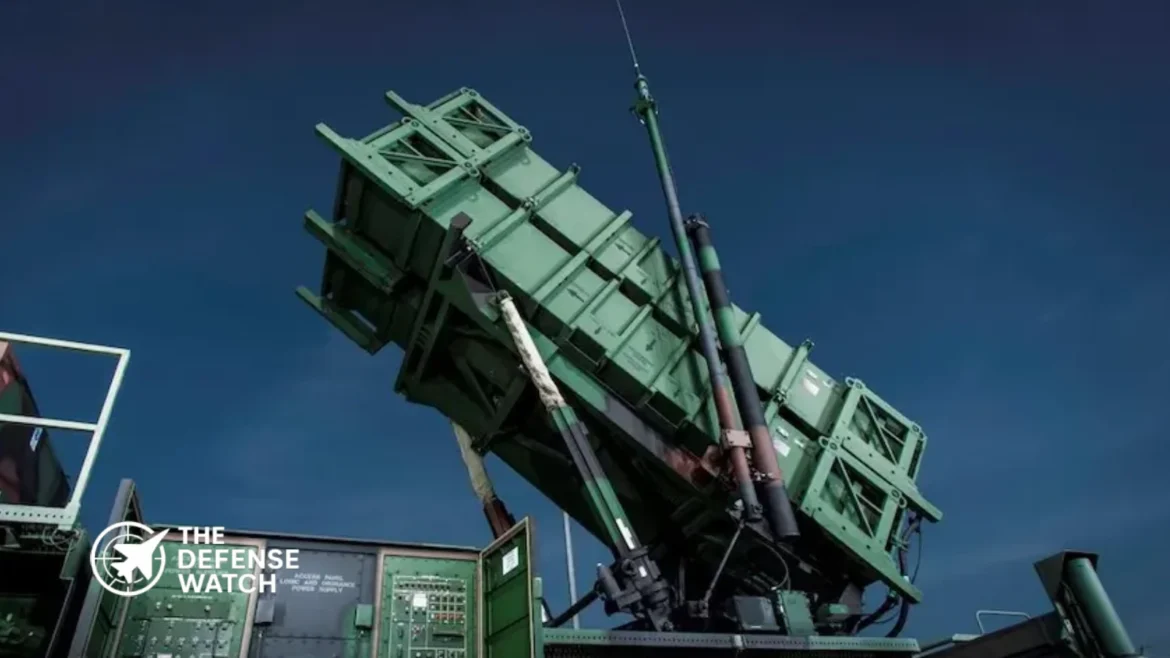
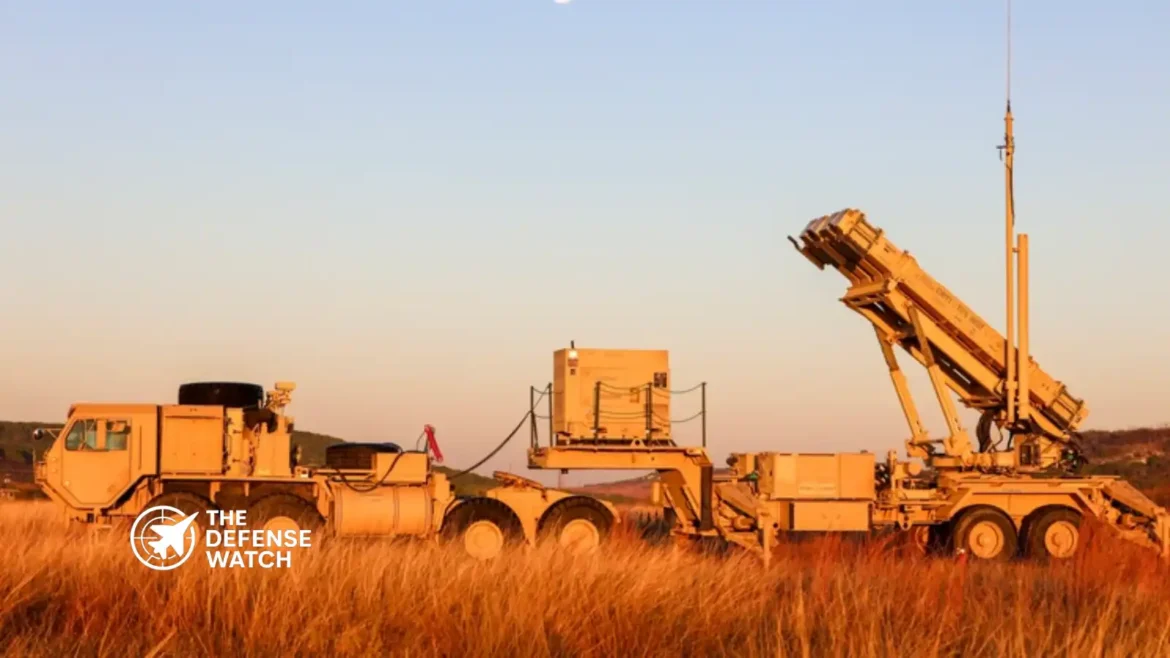
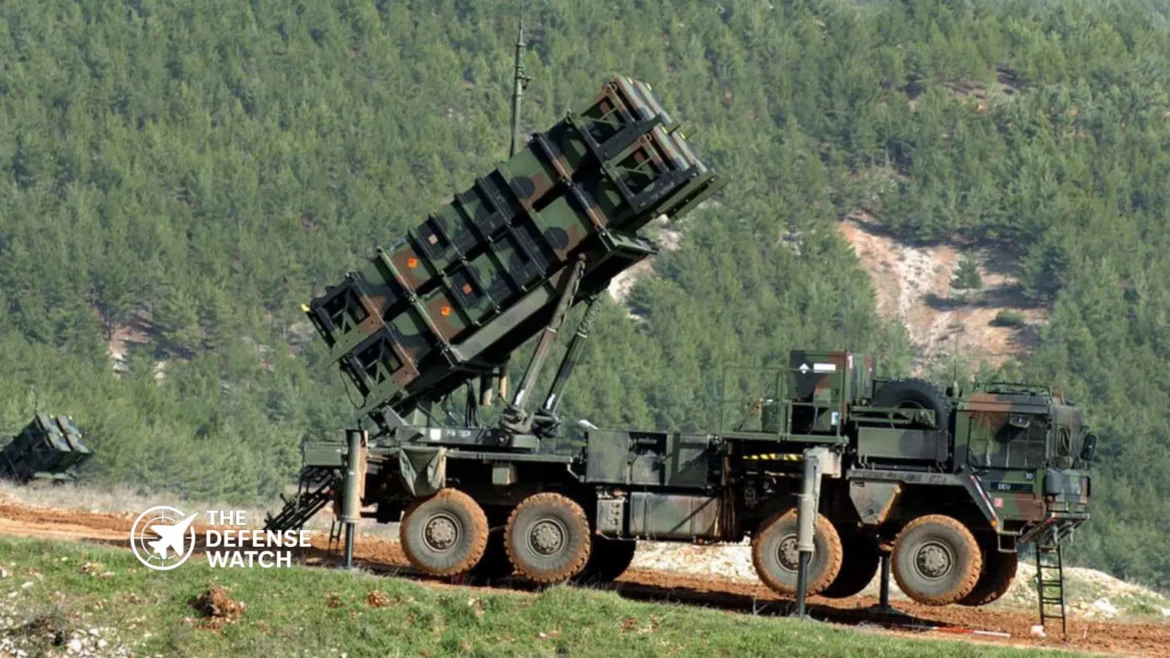
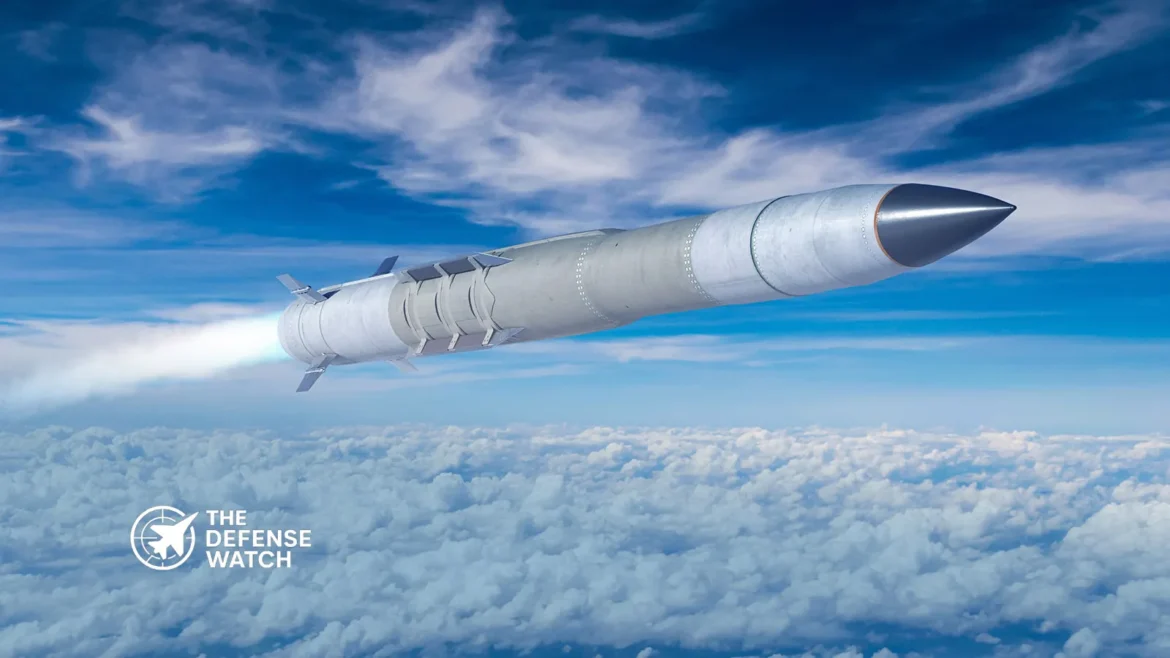
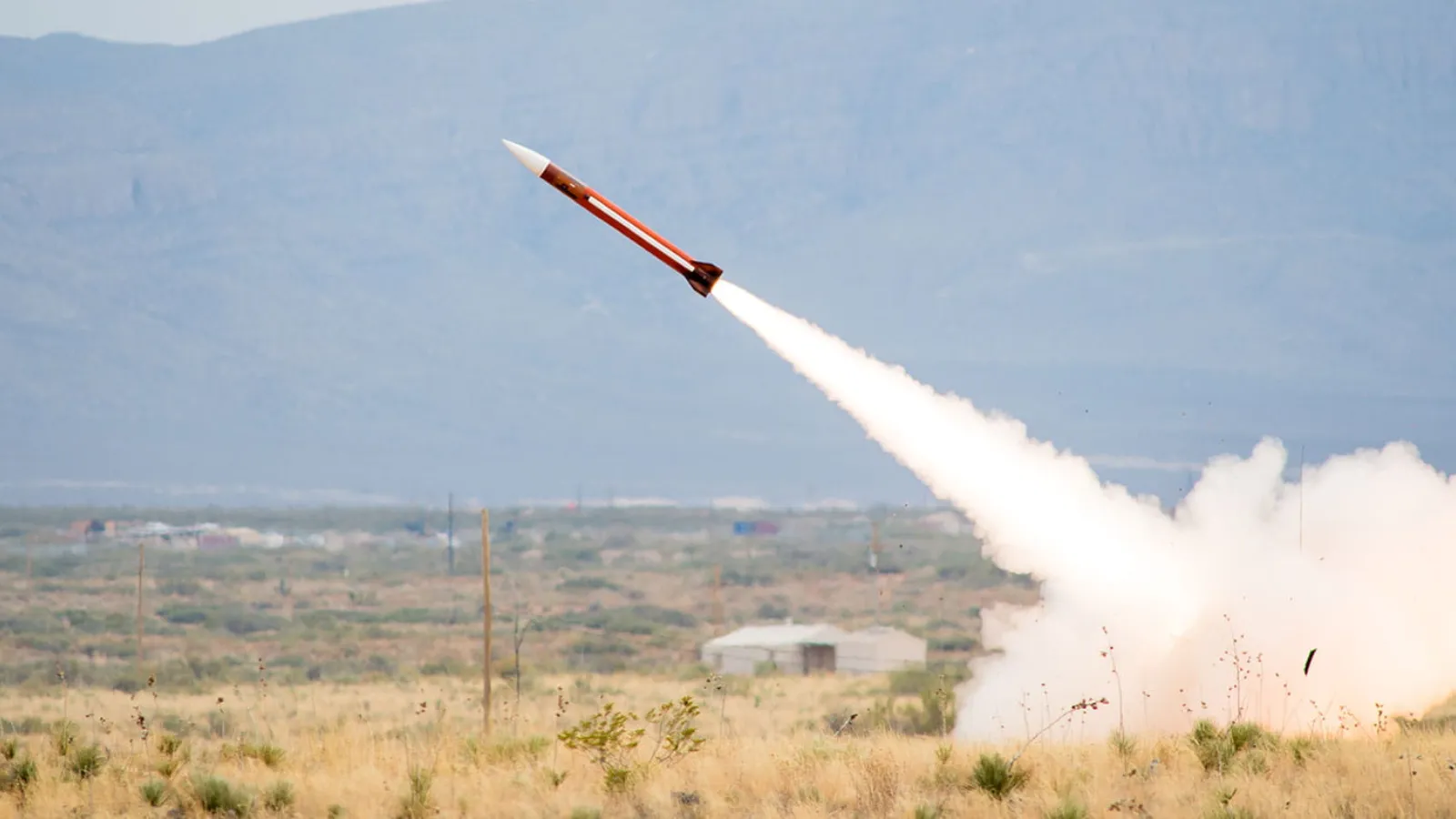
The Patriot air defense system, developed by the United States, is widely regarded as one of the most capable surface to air missile platforms in service today. It is designed to intercept a range of threats, including aircraft, cruise missiles, and certain ballistic missiles.

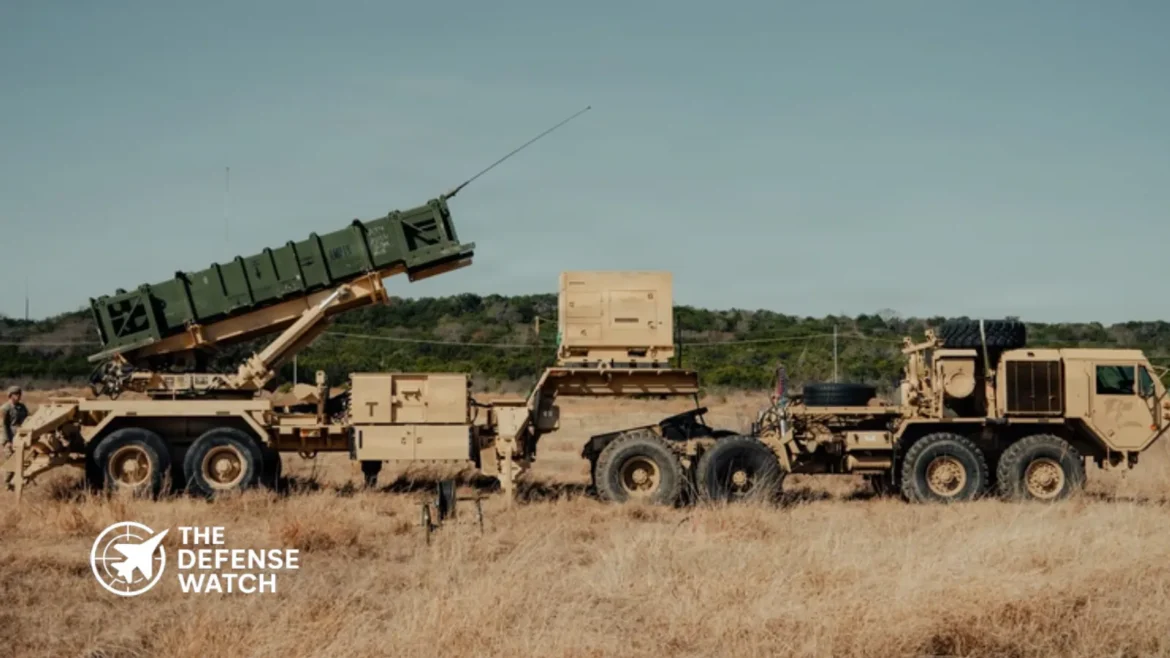
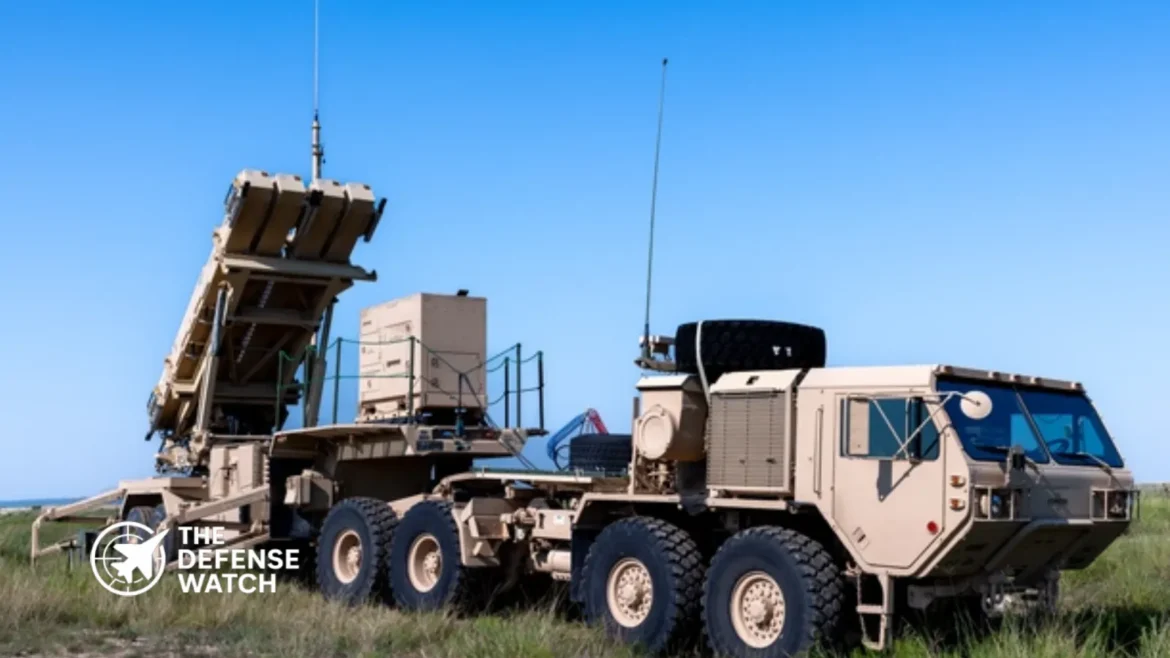
Image : U.S. Army For Switzerland, the Patriot system was intended to replace aging air defense assets and provide a modern, layered defense capability. Its integration would significantly enhance the country’s ability to detect and respond to advanced aerial threats.
Canceling the Switzerland Patriot missile system deal could create a capability gap, particularly in high altitude and long range interception. This would force Swiss defense planners to explore alternative solutions, potentially delaying modernization timelines.
Broader Implications For European Defense
The uncertainty surrounding the Switzerland Patriot missile system deal carries implications beyond national borders. European countries are increasingly prioritizing integrated air and missile defense networks, often relying on interoperable systems sourced from allied partners.
A cancellation could signal hesitation toward high cost U.S. defense systems, potentially opening the door for European alternatives or hybrid procurement strategies. It may also influence how other smaller nations approach large scale defense acquisitions.
At the same time, the move underscores the complexity of defense procurement in a rapidly changing threat environment. While systems like Patriot offer proven capabilities, their cost and lifecycle requirements remain significant factors in decision making.
What Comes Next
Swiss authorities have not announced a final decision, and the Switzerland Patriot missile system contract remains in place for now. Officials are expected to continue evaluating cost, capability, and strategic alignment before determining the program’s future.
If the deal proceeds, Switzerland will move forward with a major upgrade to its air defense network. If canceled, the country will need to reassess its approach, potentially delaying critical modernization efforts.
Either outcome will be closely watched across Europe, as nations navigate similar challenges in balancing defense readiness with financial sustainability.
- The PAC-3 interceptor demonstrated extremely high effectiveness during recent missile defense testing.
- The missile uses hit-to-kill technology designed to destroy ballistic and advanced maneuvering threats.
- Testing reflects growing demand for layered missile defense against emerging hypersonic weapons.
- The Patriot PAC-3 system remains a key component of U.S. and allied air and missile defense architecture.
- Modernization of missile defense systems is accelerating amid rising global missile threats.
PAC-3 Interceptor Shows Strong Performance Against Emerging Missile Threats
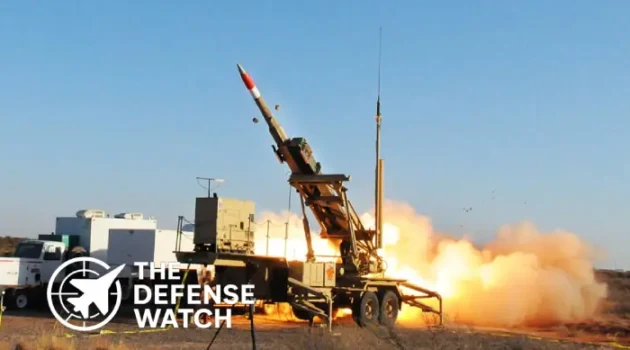
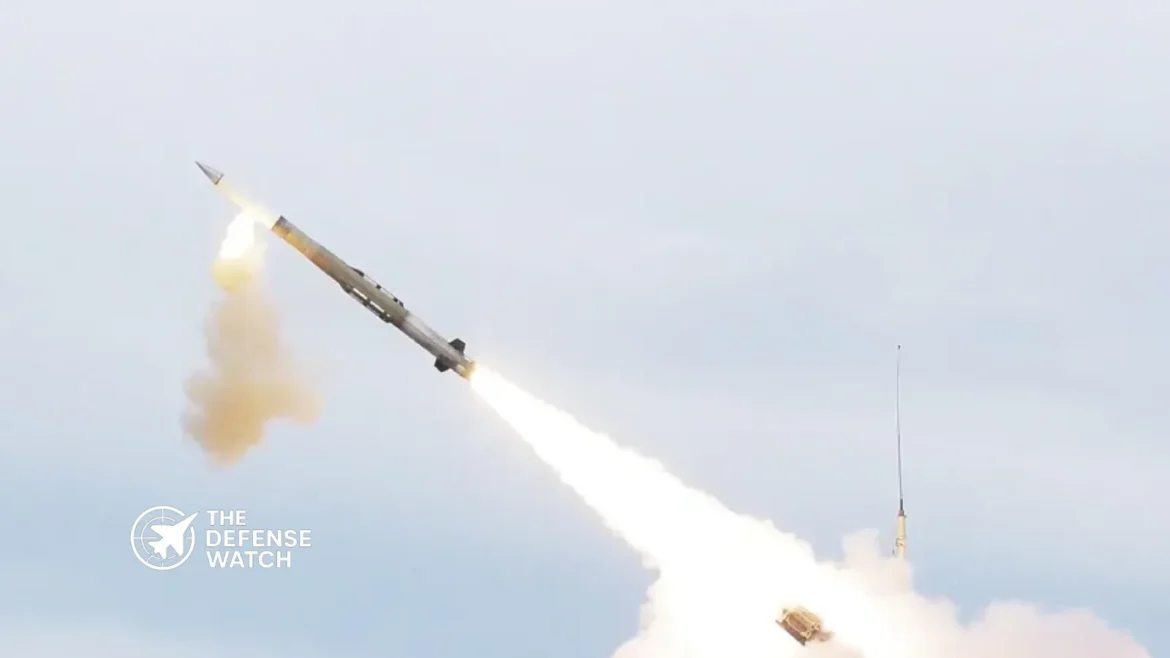
The PAC-3 interceptor has demonstrated extremely high effectiveness against ballistic and hypersonic missile threats during recent testing, reinforcing the growing importance of advanced missile defense systems in modern military operations.
The interceptor is a central component of the Patriot air and missile defense system, widely deployed by the United States and numerous allied nations. Its latest testing highlights the system’s capability to defeat increasingly complex missile threats that are reshaping global defense planning.
The Big Picture
Missile defense has become a critical pillar of U.S. and allied military modernization strategies. Nations such as China, Russia, Iran, and North Korea continue to expand their arsenals of ballistic and advanced maneuvering missile systems, including hypersonic weapons designed to evade traditional defenses.
These developments have increased the urgency for layered missile defense architectures capable of detecting, tracking, and intercepting high-speed threats across multiple phases of flight.
The PAC-3 interceptor sits at the center of this architecture. Integrated within the Patriot system, it provides terminal phase missile defense against short and medium range ballistic missiles, cruise missiles, and advanced aerial threats.
Recent testing results underscore the system’s continued relevance as militaries seek to counter evolving missile technologies.
What’s Happening
Recent missile defense testing demonstrated the PAC-3 interceptor successfully engaging advanced target threats designed to replicate modern ballistic and hypersonic missile profiles.
The interceptor uses hit-to-kill technology, which destroys incoming threats through direct kinetic impact rather than relying on explosive warheads. This approach increases interception accuracy and reduces the risk of debris or secondary damage.
The PAC-3 missile is part of the Patriot Advanced Capability program developed by Lockheed Martin and integrated within the Patriot air and missile defense system, originally developed by Raytheon.
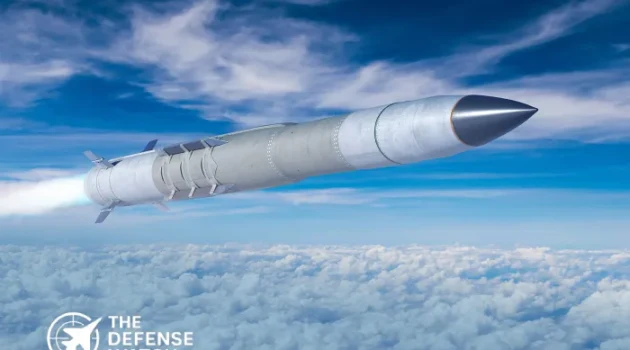
Modern variants such as the PAC-3 Missile Segment Enhancement (MSE) feature improved propulsion, enhanced maneuverability, and extended engagement ranges. These upgrades allow the interceptor to engage faster and more agile threats compared to earlier Patriot interceptors.
Testing typically takes place at U.S. missile ranges such as the White Sands Missile Range, where advanced target vehicles simulate real-world missile attack profiles.
Why It Matters
The demonstrated effectiveness of the PAC-3 interceptor is significant because missile threats are evolving faster than many existing defense systems.
Ballistic missiles continue to proliferate globally, while hypersonic weapons introduce additional challenges due to their high speed and maneuverability. Hypersonic glide vehicles can change trajectory during flight, complicating traditional interception methods.
The PAC-3 interceptor provides a critical terminal defense layer within a broader integrated missile defense network. Systems such as the Patriot battery often protect high-value assets including air bases, command centers, and critical infrastructure.
Operational experience has reinforced the system’s importance. Patriot systems equipped with PAC-3 interceptors have been deployed in Europe, the Middle East, and the Indo-Pacific to defend allied forces and infrastructure.
Strategic Implications
Effective missile defense enhances deterrence by reducing the potential impact of adversary missile strikes. The performance of the PAC-3 interceptor supports broader U.S. and allied strategies aimed at strengthening integrated air and missile defense.
Countries across Europe, the Middle East, and Asia continue to invest heavily in Patriot systems and PAC-3 interceptors as missile threats expand regionally.
Several NATO members are increasing procurement as part of Europe’s evolving air and missile defense architecture. Similarly, partners in the Indo-Pacific view Patriot systems as a key defense against regional missile capabilities.
By demonstrating strong effectiveness during testing, the PAC-3 program helps reinforce confidence among allied militaries that rely on the system for frontline missile defense.
Competitor View
Strategic competitors closely monitor developments in U.S. missile defense technologies.
China and Russia have invested heavily in maneuverable hypersonic systems partly designed to complicate existing missile defense networks. Systems such as Russia’s Avangard hypersonic glide vehicle and China’s DF-17 hypersonic missile reflect this trend.
These weapons aim to exploit gaps in traditional air defense by flying at extremely high speeds and maneuvering during flight.
Testing results showing strong performance from interceptors like PAC-3 signal that missile defense technologies are continuing to evolve in response.
Capability Gap
The PAC-3 interceptor addresses a key operational challenge in modern warfare, defending against short and medium range ballistic missiles during the final phase of flight.
While the system provides highly effective terminal defense, it represents only one layer within a broader missile defense architecture.
Long range ballistic missiles and advanced hypersonic weapons may require additional systems such as high altitude interceptors, space based sensors, and early warning networks.
For this reason, U.S. missile defense strategy relies on a layered structure combining Patriot, THAAD, Aegis Ballistic Missile Defense, and emerging hypersonic defense programs.
What To Watch Next
Several developments will shape the future of the PAC-3 interceptor program.
Production of PAC-3 MSE interceptors continues to expand to meet growing global demand. The United States and allied nations are also investing in improved radar systems, enhanced command and control networks, and integrated air defense frameworks.
Future upgrades could further increase interception ranges, engagement speeds, and system integration across multi domain defense networks.
As missile threats continue to evolve, testing and modernization efforts will remain essential to maintaining the effectiveness of the Patriot system.
The Bottom Line
The PAC-3 interceptor remains a cornerstone of modern missile defense, providing proven capability against ballistic and emerging hypersonic missile threats.
- ► Raytheon Co. awarded $183,682,456 firm fixed price contract for Patriot Program support under UAE FMS case AE-B-ZUW.
- ► Total cumulative contract face value stands at $281,146,668.
- ► Work includes procurement, installation, inspection, logistics, and program management services.
- ► Performance location: Tewksbury, Massachusetts, with completion expected by March 3, 2031.
- ► Contracting authority: U.S. Army Contracting Command, Redstone Arsenal, Alabama.
US Army Awards Patriot Program Contract For UAE Air Defense
The Patriot Program contract awarded to Raytheon Co. underscores continued US support for the United Arab Emirates’ integrated air and missile defense architecture under the Foreign Military Sales framework.
The US Army announced a firm fixed price award valued at $183,682,456 for new kit hardware and associated services tied to the Patriot Program. The work falls under FMS case AE-B-ZUW for the United Arab Emirates. With options and cumulative actions included, the total contract face value reaches $281,146,668.
The contracting authority is the U.S. Army Contracting Command, Aviation Logistics, based at Redstone Arsenal, Alabama.
Fiscal Year 2026 FMS funds in the full amount of $183,682,456 were obligated at the time of award.
Scope Of Work And Performance Timeline
According to the Army contract notice, the Patriot Program contract covers procurement, installation, inspection, logistics support, and program management services. These activities are essential to maintaining operational readiness and lifecycle sustainment of Patriot air defense systems already fielded by the UAE.
Work will be performed in Tewksbury, Massachusetts, a long standing hub for Patriot system integration and sustainment activities. The estimated completion date is March 3, 2031.
Only one bid was received via online solicitation, a common outcome in sole source or limited source defense sustainment programs where original equipment manufacturers retain technical data and system integration authority.
Strategic Importance Of The Patriot Program Contract
The Patriot Program contract is more than a sustainment action. It reflects the enduring role of the Patriot system in Gulf security planning.
The United Arab Emirates operates one of the most capable Patriot configurations outside the United States. The system provides layered defense against tactical ballistic missiles, cruise missiles, and advanced aerial threats. In recent years, the Gulf region has seen repeated missile and drone attacks targeting critical infrastructure and urban centers. Sustainment contracts like this ensure continued readiness against evolving threats.
Under the US Foreign Military Sales process, the Department of Defense manages procurement and oversight, ensuring interoperability with US and allied forces. This structure supports common training, shared logistics pipelines, and standardized upgrades.
From a policy perspective, Patriot sustainment contracts reinforce long term defense ties between Washington and Abu Dhabi. The UAE remains a key US security partner in the Middle East, hosting American forces and participating in regional security initiatives.
Industrial And Budget Context
The award comes as the US Army continues to modernize its own air and missile defense enterprise, including upgrades to Patriot radar, command and control networks, and interceptor variants.
For Raytheon, Patriot sustainment and modernization remain core revenue drivers within its integrated air and missile defense portfolio. International operators account for a significant share of Patriot program activity, particularly in Europe, the Middle East, and Asia.
Firm fixed price contracts transfer cost risk to the contractor but provide predictable budgeting for the government. The full obligation of Fiscal 2026 FMS funds at award indicates the UAE’s commitment to timely execution and sustained capability availability.
What Comes Next
Execution of the Patriot Program contract will focus on hardware kits and associated technical services required to maintain system performance through the end of the decade.
As regional missile threats grow more sophisticated, Gulf operators are investing in upgrades that enhance radar discrimination, interceptor effectiveness, and integration with broader air defense networks. Sustainment actions today often lay the groundwork for future modernization paths.
For the US defense industrial base, the contract highlights continued demand for integrated air and missile defense solutions in the Middle East.
Ukraine Calls Patriot Most Effective Air And Missile Defense System
Ukraine has described the Patriot air and missile defense system as its most effective air and missile defense capability and is urging partners to accelerate deliveries of interceptors as Russian missile and drone strikes continue.
Ukrainian officials said the US made Patriot system has demonstrated the highest success rate against advanced threats, including ballistic missiles. The appeal comes as Moscow sustains long range strikes targeting critical infrastructure, energy facilities, and urban centers.
According to reporting by Defence Industry Europe, Ukrainian representatives emphasized that while existing Patriot batteries have performed effectively, limited interceptor stockpiles constrain sustained defensive operations.
Proven Performance Against Ballistic Missiles
The Patriot air and missile defense system, developed by RTX, formerly Raytheon Technologies, is designed to counter aircraft, cruise missiles, and tactical ballistic missiles. The system has been in service with the US Army and allied nations for decades and has undergone multiple upgrades, including the PAC 3 interceptor variant optimized for ballistic missile defense.
Ukrainian authorities have previously credited Patriot batteries with intercepting advanced Russian systems, including the Kinzhal air launched ballistic missile. US officials have confirmed that Patriot systems supplied to Ukraine have successfully intercepted ballistic threats during the conflict.
The US Department of Defense has repeatedly highlighted Patriot’s layered defense capabilities, particularly when integrated with other systems such as NASAMS and IRIS T SLM, forming a multi tiered air defense network.
Growing Demand For Interceptors
Ukraine’s call for faster interceptor deliveries reflects the high operational tempo of air defense missions. Each ballistic missile engagement requires a significant number of interceptors, and sustained attacks can rapidly deplete available stocks.
The Patriot air and missile defense system relies on interceptors such as PAC 2 GEM T and PAC 3 MSE. Production capacity for these missiles is expanding in the United States and Europe, but lead times remain a challenge amid rising global demand.
The US has committed billions of dollars in security assistance to Ukraine, including Patriot batteries and munitions. According to the Pentagon, replenishment contracts and industrial base expansion efforts are underway to increase output of critical air defense interceptors.
European partners, including Germany and the Netherlands, have also provided Patriot components and additional launchers to strengthen Ukraine’s air defense coverage.
Strategic Impact On The Battlefield
The effectiveness of the Patriot air and missile defense system has had both tactical and strategic implications. By reducing the success rate of Russian ballistic missile strikes, Patriot systems help preserve critical infrastructure and protect civilian populations.
Defense analysts note that ballistic missile interception capability remains limited globally, making Patriot one of the few operational systems capable of reliably countering high speed maneuvering threats.
Ukraine’s emphasis on Patriot underscores the broader shift toward advanced missile defense as a core element of modern warfare. As missile technology proliferates, integrated air and missile defense networks are increasingly central to national security planning.
Industrial And Alliance Considerations
Accelerating interceptor production will require sustained coordination between governments and industry. RTX and Lockheed Martin, which produces the PAC 3 interceptor, have announced efforts to scale manufacturing in response to increased demand from both US and allied customers.
NATO officials have stressed the importance of strengthening collective air and missile defense in light of the ongoing conflict. The performance of Patriot systems in Ukraine is being closely studied by allied militaries assessing their own force modernization priorities.
For Kyiv, the immediate priority remains clear. Officials argue that maintaining sufficient stocks of Patriot interceptors is essential to counter persistent missile barrages and to ensure that the system can continue operating at peak effectiveness.
Switzerland’s 5 Patriot Air Defense Systems Deal Enters Uncertainty
Switzerland’s 5 Patriot air defense systems acquisition has entered a period of uncertainty, with delivery timelines slipping and projected costs rising, according to Swiss government statements and defense reporting.
The agreement, signed in 2023 as part of Bern’s broader air defense modernization plan, envisioned delivery of the systems by 2028. However, Swiss authorities have indicated that schedule changes are now expected. Costs may also exceed earlier projections.
The Bern administration has suspended payments after failing to receive a clear update from Washington regarding revised delivery timelines and pricing.
The delay is reportedly linked to the United States prioritizing Patriot systems for Ukraine, as Kyiv continues to request additional air and missile defense assets amid ongoing Russian missile and drone strikes.
Patriot Systems Central To Swiss Air Defense Modernization
The Switzerland Patriot air defense systems program is a cornerstone of the country’s future integrated air defense architecture. Bern selected the U.S.-made Patriot system in 2022 following a competitive evaluation process.
The Patriot system, produced by Raytheon Technologies, is designed to intercept aircraft, cruise missiles, and certain ballistic missile threats. It is widely deployed by NATO members and U.S. allies, including Germany, Poland, and several Gulf states.
Switzerland’s procurement includes five Patriot fire units intended to replace aging air defense capabilities and provide long range coverage against evolving aerial threats.
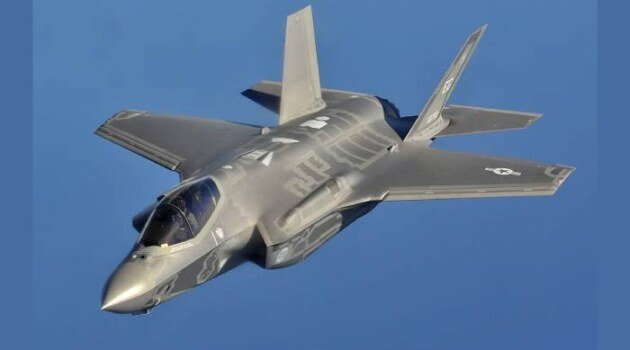
The deal forms part of a broader modernization effort that also includes the purchase of 36 F 35A fighter aircraft from Lockheed Martin.
U.S. Prioritizes Patriot Deliveries For Ukraine
The reported delay in the Switzerland Patriot air defense systems schedule comes as the United States and European allies continue to accelerate military assistance to Ukraine.
Washington has transferred multiple Patriot batteries to Kyiv since 2023, in coordination with NATO partners. Additional interceptors and support equipment have been directed to reinforce Ukraine’s air defense network against ballistic missile and drone attacks.
Given limited production capacity and high global demand, Patriot production lines are under pressure. The reallocation of systems or components to Ukraine may have contributed to schedule adjustments affecting other customers, including Switzerland.
Neither the U.S. Department of Defense nor Swiss officials have publicly detailed the revised delivery schedule. However, Bern’s decision to suspend payments underscores the seriousness of the delay.
Alternatives Under Consideration: SAMP T And Arrow
Amid uncertainty surrounding the Switzerland Patriot air defense systems deal, alternative solutions are reportedly being reevaluated.
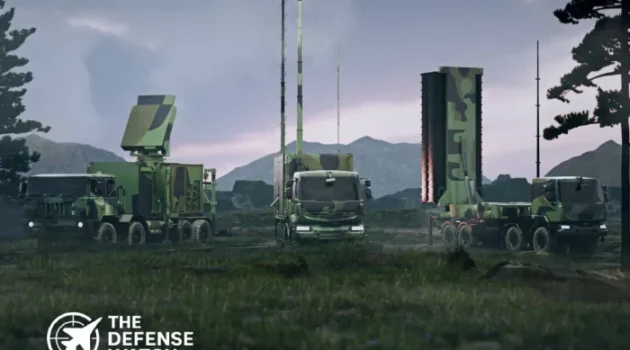
One option is the Franco Italian SAMP T system, developed by the European consortium Eurosam. SAMP T uses Aster interceptor missiles and is currently operated by France and Italy. It has also been supplied to Ukraine.
Another potential alternative is Israel’s Arrow missile defense system, developed by Israel Aerospace Industries in cooperation with the United States. Arrow is optimized for high altitude ballistic missile interception and has been adopted by Israel and Germany.
Any shift away from Patriot would carry strategic and political implications. Switzerland’s selection process previously identified Patriot as the most suitable system based on operational performance, cost, and interoperability considerations.
A reopening of the competition could delay modernization efforts further and require new negotiations.
Procurement Challenges Echo F 35A Cost Debate
The uncertainty surrounding the Switzerland Patriot air defense systems agreement follows a similar cost debate in the country’s F 35A fighter procurement.
Last year, Swiss authorities acknowledged that the contract value for 36 F 35A aircraft had risen by approximately 610 million dollars. Bern maintained that the maximum number of aircraft would still be procured within the approved budget ceiling of roughly 7.5 billion dollars.
The F 35A is a fifth generation stealth fighter produced by Lockheed Martin and selected by Switzerland in 2021 after a nationwide evaluation process.
Cost transparency and budget predictability remain politically sensitive issues in Switzerland, where major defense acquisitions often face public scrutiny and, in some cases, referendums.
Broader Implications For European Air Defense
The Switzerland Patriot air defense systems delay highlights broader pressures in the global missile defense market.
Since 2022, European states have accelerated investments in layered air and missile defense, responding to lessons from the war in Ukraine. Germany’s European Sky Shield Initiative and Poland’s rapid Patriot procurement are examples of this trend.

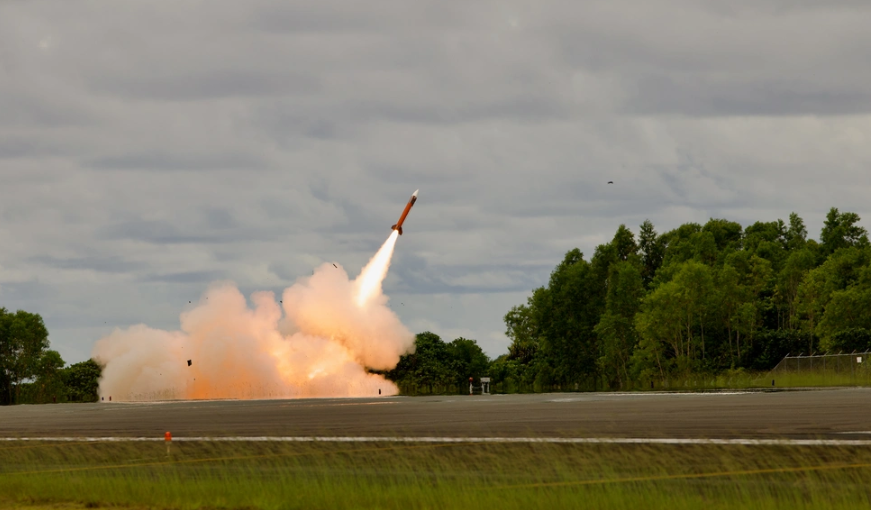
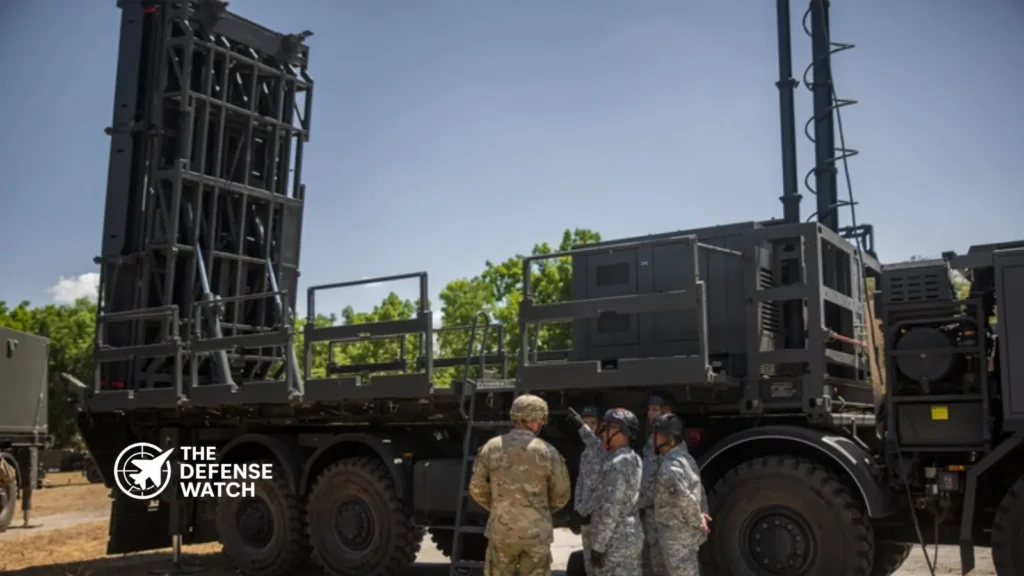
Image : dvidshub High demand, supply chain constraints, and increased production timelines are affecting multiple programs. U.S. defense officials have repeatedly stated that expanding production capacity for missile defense interceptors remains a priority, but scaling up complex systems takes time.
For Switzerland, maintaining a credible long range air defense capability is a strategic requirement, particularly as air and missile threats evolve across Europe.
What Comes Next
Swiss officials are expected to seek formal clarification from Washington regarding delivery schedules, cost adjustments, and contractual obligations tied to the Switzerland Patriot air defense systems program.
If revised terms are acceptable, the program could proceed with an adjusted timeline. If not, Bern may revisit alternative systems, including SAMP T or Arrow, potentially reopening a competitive procurement process.
For now, the suspension of payments signals that Switzerland intends to protect budgetary discipline while seeking firm commitments from its U.S. partner.
The outcome will be closely watched across Europe, where multiple governments are balancing urgent air defense needs with production realities and shifting geopolitical priorities.
State Department Clears Major Patriot Missile Sale
The U.S. State Department has approved a potential $9 billion Foreign Military Sale of 730 PAC-3 Missile Segment Enhancement (MSE) interceptors to Saudi Arabia, marking one of the largest air defense transactions in recent years. The Defense Security Cooperation Agency (DSCA) notified Congress of the proposed sale on January 31, according to official notifications.
The comprehensive package includes PAC-3 MSE missiles, associated equipment, technical support, training, logistics services, and classified software documentation. Saudi Arabia requested the advanced interceptors to modernize its integrated air and missile defense architecture against evolving threats in the Gulf region.
Strategic Rationale Behind the Sale
According to DSCA, the proposed sale directly supports U.S. foreign policy objectives by strengthening the defensive capabilities of a major non-NATO ally that contributes to regional stability. The agency stated that enhanced air defense systems will help Saudi Arabia address current and emerging threats while maintaining operational readiness.
The PAC-3 MSE represents the latest generation of the Patriot missile family, featuring hit-to-kill technology designed to intercept tactical ballistic missiles, cruise missiles, and advanced aircraft threats. The system provides significantly improved range and altitude capabilities compared to earlier Patriot variants.
U.S. officials emphasized that the sale will improve Saudi Arabia’s contribution to integrated air and missile defense operations within the U.S. Central Command area of responsibility. The enhanced capability is expected to protect both Saudi and allied forces operating in the region.
Technical Capabilities and Integration
The PAC-3 MSE employs kinetic energy to destroy incoming threats, eliminating the need for traditional explosive warheads. This hit-to-kill approach provides greater effectiveness against maneuvering targets and reduces collateral damage risks.
Lockheed Martin serves as the prime contractor for PAC-3 MSE production, with Boeing providing critical seeker components. Boeing recently expanded its Huntsville, Alabama facility to increase PAC-3 seeker production capacity by more than 30 percent to meet growing global demand.
The missiles will integrate with Saudi Arabia’s existing Patriot infrastructure, which has been upgraded over multiple decades through previous Foreign Military Sales programs. The Kingdom operates multiple Patriot fire units deployed at strategic locations throughout the country.
Regional Security Context
The approval comes as Gulf states face persistent threats from ballistic missiles, unmanned aerial systems, and cruise missiles. Saudi Arabia has intercepted numerous cross-border attacks in recent years, demonstrating the operational necessity of advanced air defense capabilities.
The DSCA notification stated that the sale will not alter the basic military balance in the region. Officials confirmed that Saudi Arabia possesses the technical capacity and trained personnel to absorb the new systems without difficulty.
Congressional notification marks the beginning of a 30-day review period during which lawmakers can raise objections to the proposed sale. The transaction will only proceed following Congressional approval and completion of final contract negotiations.
Production and Delivery Timeline
While specific delivery schedules were not disclosed in the DSCA notification, PAC-3 MSE production timelines typically extend over several years for large-quantity orders. Lockheed Martin has recently announced capacity expansion initiatives to accelerate interceptor production rates.
The company broke ground on a new production facility designed to increase output of both PAC-3 MSE and Terminal High Altitude Area Defense (THAAD) interceptors. These expansion efforts respond to increased demand from U.S. and allied forces worldwide.
Industry analysts note that the $9 billion package value includes not only the 730 interceptors but also extensive support infrastructure, training programs, spare parts, and multi-year logistics support. The total program cost reflects the comprehensive nature of major Foreign Military Sales.
Allied Air Defense Network
Saudi Arabia’s Patriot modernization aligns with broader regional air defense architecture developments. Multiple Gulf Cooperation Council nations operate Patriot systems, creating an interconnected defensive network across the Arabian Peninsula.
The enhanced capabilities will enable more effective coordination with U.S. forces stationed in the region and support combined air defense operations. Integration with command and control systems allows for rapid threat data sharing across the network.
U.S. Central Command maintains significant air defense assets in the Gulf region, including Patriot batteries, THAAD systems, and naval-based Aegis ballistic missile defense platforms. The Saudi acquisition complements these existing capabilities.
Congressional Review Process
The proposed sale now enters the mandatory Congressional review period, during which the Senate Foreign Relations Committee and House Foreign Affairs Committee will examine the transaction details. Lawmakers typically assess arms sales based on regional security implications, human rights considerations, and strategic alignment with U.S. interests.
Previous Patriot sales to Saudi Arabia have generally received bipartisan Congressional support, reflecting the strategic importance of Gulf security partnerships. However, individual members of Congress may raise specific concerns during the review period.
The State Department must address any Congressional inquiries before final contract implementation can proceed. Once approved, the Defense Security Cooperation Agency will work with Lockheed Martin to establish production schedules and delivery milestones.
Global Patriot Modernization Trend
The Saudi acquisition reflects a global trend toward air defense modernization as nations confront increasingly sophisticated missile threats. Multiple countries have requested PAC-3 MSE upgrades in recent years, including Poland, Romania, Sweden, and Taiwan.
U.S. Army forces are also transitioning their Patriot inventory to the MSE configuration, phasing out older PAC-2 and PAC-3 variants. The Army has emphasized the importance of maintaining common interceptor stocks with key allies to enable interoperability and simplified logistics.
International PAC-3 MSE sales provide important benefits to U.S. defense industrial base sustainment. Larger production runs reduce per-unit costs and help maintain critical manufacturing skills and capacity.
Ukraine Seeks Patriot Systems Amid Escalating Russian Attacks
KYIV, Ukraine — President Volodymyr Zelenskyy announced on November 10, 2025, that Ukraine intends to order 25 U.S.-made Patriot air defense systems to defend against Russia’s intensified aerial assaults targeting the country’s power infrastructure. The request comes as rolling blackouts spread across Ukraine ahead of the winter months, heightening concerns over heating and essential services.
Background: Growing Threats to Ukraine’s Energy Grid
Since Russia’s invasion nearly four years ago, Ukraine has faced persistent threats to its energy infrastructure. In recent months, attacks on the power grid have become increasingly sophisticated, employing hundreds of drones and missiles designed to overwhelm Ukrainian air defenses. Unlike earlier indiscriminate strikes, Russia has begun targeting regional switchyards and substations, causing localized blackouts rather than focusing solely on the centralized national grid.
Ukraine’s Energy Ministry reported that the latest attacks resulted in scheduled power outages across most regions and called on citizens to rationalize electricity consumption, especially during morning and evening peak hours.
Details of Zelenskyy’s Request
Zelenskyy acknowledged that Patriot systems are costly and that large-scale procurement could take years to fulfill. He suggested that European allies might temporarily transfer their existing systems to Ukraine while awaiting replacements, emphasizing the urgency: “We would not like to wait.”
Germany has recently provided additional Patriot systems to Ukraine, although the total number deployed across the country remains undisclosed. Ukrainian air defenses are reportedly stretched thin across the nation’s wide territory, leaving critical regions vulnerable.
NATO continues to coordinate large-scale weapons deliveries to Ukraine, with European allies and Canada purchasing most equipment from the United States. Notably, the Trump administration has not supplied arms to Ukraine, a shift from the prior Biden-era support.
Russian Tactics and the Battle for Pokrovsk
The request for Patriot systems comes amid ongoing battles in Ukraine’s eastern Donetsk region, particularly around the city of Pokrovsk. Zelenskyy indicated that Russian forces have amassed roughly 170,000 troops for a renewed push in the area.
According to the Washington-based Institute for the Study of War, fighting has been relatively quiet in recent days, but the think tank anticipates an escalation in Russian attacks as reinforcements are deployed.
Implications and Strategic Perspective
The introduction of additional Patriot systems could significantly bolster Ukraine’s ability to counter both drone swarms and precision missile attacks on energy infrastructure. Air defense experts highlight the increasing sophistication of Russian attacks, noting the combination of aerial surveillance drones with strike missiles that can adapt targeting in real time.
With winter approaching, maintaining the integrity of Ukraine’s power grid is critical not only for civilian survival but also for sustaining military operations in contested regions. International defense coordination through NATO remains a vital factor in ensuring Ukraine can counter these persistent threats effectively.
Looking Ahead
As Ukraine continues to press for advanced air defense capabilities, the next steps will likely involve expedited deliveries, potential transfers from European allies, and further integration of existing NATO systems into Ukrainian defenses. How quickly these measures are implemented could shape Ukraine’s resilience against winter attacks and influence the broader trajectory of the conflict in eastern Ukraine.
Why Missile Defense Matters
Missile defense has become one of the most critical pillars of national security in the 21st century. From hypersonic glide vehicles to swarms of short-range rockets, threats are becoming faster, more complex, and harder to intercept. The world’s most advanced missile defense systems are designed not only to counter traditional ballistic missiles but also to protect against drones, cruise missiles, and emerging hypersonic weapons.
For the United States and its allies, missile defense is no longer just a regional security issue—it is a global necessity. Nations like Russia, China, Iran, and North Korea continue to expand their missile arsenals, prompting countries to invest in advanced defense shields.
Patriot Missile System (U.S.)
The Patriot Air and Missile Defense System, developed by Raytheon, is one of the most widely deployed missile defense systems in the world. It provides defense against tactical ballistic missiles, cruise missiles, and advanced aircraft.
- Deployment: Used by the U.S., NATO allies, and countries in Asia and the Middle East.
- Capabilities: Radar-guided interceptors, high-altitude coverage, and proven combat history.
- Recent Use: Patriot systems have played a critical role in defending Ukraine against Russian missile attacks, demonstrating their continued relevance.
Iron Dome (Israel)
The Iron Dome, developed jointly by Israel and the U.S., is the gold standard in short-range defense. Known for its high interception success rate, it is designed to counter rockets, artillery shells, and drones.
- Range: 4–70 km
- Success Rate: Reported interception rate of over 90% in recent conflicts.
- Global Interest: The U.S. Army has tested the Iron Dome for its own layered missile defense architecture.
THAAD – Terminal High Altitude Area Defense (U.S.)
The THAAD system is a key U.S. missile defense asset, capable of intercepting ballistic missiles during their terminal phase, both inside and outside the atmosphere.
- Deployment: South Korea, Guam, and U.S. mainland sites.
- Capabilities: Uses hit-to-kill technology with no explosive warhead.
- Strategic Role: Provides protection against medium- and intermediate-range ballistic missiles, especially in the Indo-Pacific.
S-400 and S-500 Systems (Russia)
Russia’s S-400 Triumf and the next-generation S-500 Prometey are considered among the most sophisticated air and missile defense systems outside the U.S. sphere.
- S-400: Can engage aircraft, UAVs, cruise, and ballistic missiles at ranges up to 400 km.
- S-500: Advertised as capable of intercepting hypersonic targets and even low-orbit satellites, though operational details remain limited.
- Geopolitical Impact: The S-400 has been exported to countries like Turkey and India, raising tensions within NATO.
Aegis Ballistic Missile Defense (U.S. & Allies)
The Aegis system, deployed on U.S. Navy destroyers and cruisers, provides mobile, sea-based missile defense. Equipped with the SM-3 interceptors, Aegis can intercept ballistic missiles in the midcourse phase.
- Flexibility: Deployed globally on U.S. Navy ships.
- Land-based variant: Aegis Ashore sites in Romania and Poland enhance NATO’s shield against missile threats.
Emerging Trends: Hypersonic Defense
One of the greatest challenges for today’s systems is defending against hypersonic glide vehicles (HGVs). Unlike traditional ballistic missiles, hypersonics fly at lower altitudes and maneuver unpredictably.
- U.S. Response: The Pentagon is developing Glide Phase Interceptors (GPI) for future Aegis platforms.
- Allied Cooperation: Japan and Australia are working with the U.S. to integrate hypersonic defense technologies.
- Race Against Time: Russia and China have already fielded hypersonic weapons, accelerating global investments in next-generation defense.
Analysis: The Future of Missile Defense
Missile defense has evolved from protecting fixed targets to building layered, multi-domain shields that combine space, air, land, and sea-based systems. The integration of AI-driven radar, space-based sensors, and directed-energy weapons could shape the future of missile defense.
However, no system is foolproof. Cost asymmetry remains a major challenge—while interceptors cost millions of dollars, adversaries can deploy cheap rockets or drones in large numbers. This reality is pushing militaries toward mixed defenses, combining kinetic interceptors with electronic warfare and laser systems.
Conclusion
From the Patriot and Iron Dome to the S-500 and emerging hypersonic interceptors, the world’s most advanced missile defense systems represent both technological ingenuity and strategic necessity. As missile threats evolve, nations are racing to strengthen their shields—knowing that a single interception could mean the difference between destruction and survival.
Source: Missile Defense Agency.
FAQs
Which country has the most advanced missile defense system?The U.S. is considered the leader, with layered systems like Patriot, THAAD, and Aegis, but Russia’s S-500 and Israel’s Iron Dome are highly advanced.
Can missile defense stop hypersonic weapons?Current systems struggle against hypersonics, but new interceptors and space-based sensors are being developed.
What is the difference between Iron Dome and Patriot?Iron Dome protects against short-range rockets, while Patriot defends against aircraft, cruise, and tactical ballistic missiles.
Why is missile defense expensive?Interceptors can cost millions each, while adversaries can launch cheap rockets in large numbers, creating a cost imbalance.
Which countries deploy THAAD?The U.S., South Korea, Guam, and select allied sites host THAAD batteries.