

Lockheed Martin MH-60R Radar Upgrade Advances Navy Helicopter Fleet
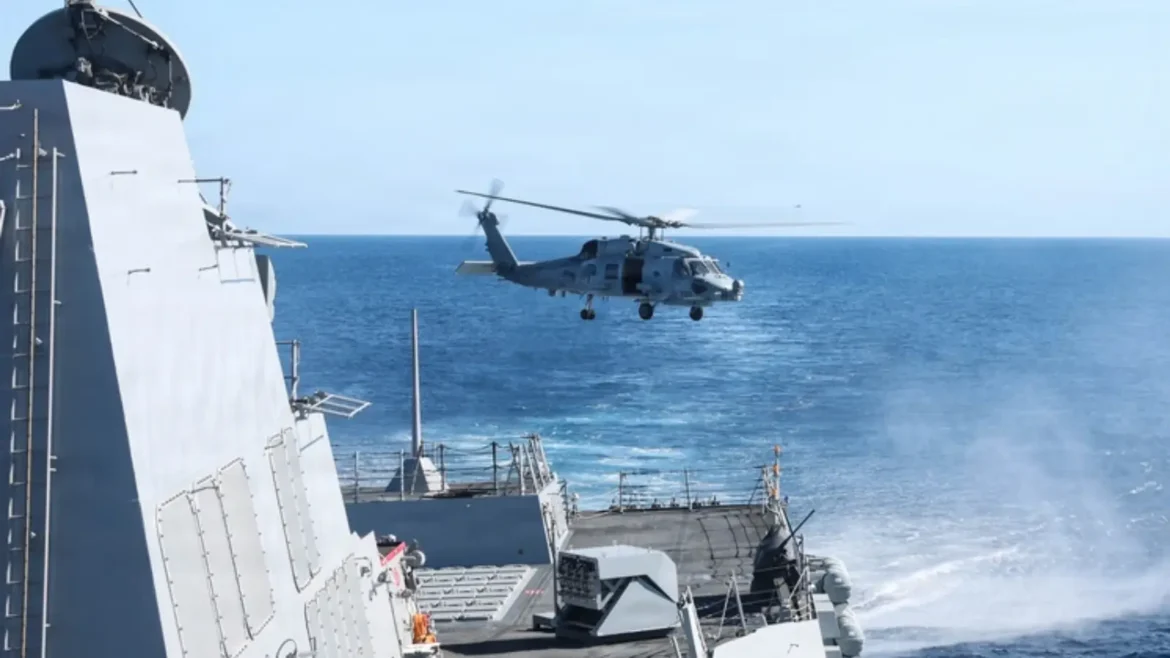
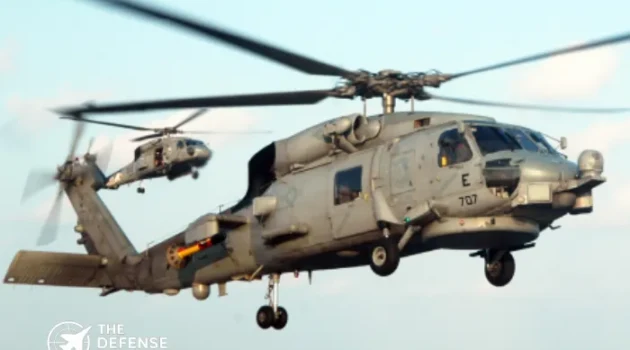
The MH-60R radar upgrade program moved forward after Lockheed Martin was awarded a $99,481,601 cost-plus-fixed-fee order to modernize the AN/APS-153 radar system installed on the MH-60R Seahawk. The award supports both domestic U.S. Navy aircraft and export variants sold through Foreign Military Sales channels.
According to the Pentagon contract announcement, the work includes design, development, integration, and testing of a radar data processor technology refresh. That indicates the focus is not merely maintenance, but deeper electronics modernization intended to keep the system effective against evolving maritime threats.
- Lockheed Martin received a $99.48 million U.S. Navy contract for MH-60R radar modernization.
- The work covers design, development, integration, and testing of a radar data processor technology refresh.
- The upgrade applies to the MH-60R AN/APS-153 radar system for U.S. and Foreign Military Sales variants.
- Work will be completed in New York and Connecticut through April 2031.
- Contracting authority is Naval Air Systems Command, Patuxent River, Maryland.
The order was issued under a previously established basic ordering agreement and was not openly competed.
Why The MH-60R Radar Upgrade Matters
The MH-60R Seahawk is one of the U.S. Navy’s most important multi-mission helicopters. It performs anti-submarine warfare, anti-surface warfare, surveillance, search and rescue, and fleet support operations from destroyers, cruisers, frigates, and shore bases.
Its AN/APS-153 radar plays a central role in detecting ships, small surface contacts, weather patterns, and navigation hazards. In contested waters, radar processing speed and reliability can directly affect mission success.
Refreshing the radar data processor likely brings three practical benefits:
- Faster target tracking and data handling
- Better reliability and lower sustainment burden
- Improved compatibility with future software upgrades
That matters because many U.S. military platforms now rely on incremental electronics refreshes rather than entirely new airframes. It is often cheaper and faster to modernize sensors than replace fleets.
Strategic Value For U.S. Navy And Allies
The contract also includes Foreign Military Sales variants, highlighting continued international demand for the MH-60R Seahawk. Countries operating the aircraft increasingly need common standards, spare parts support, and updated mission systems.
This approach helps allied navies remain interoperable with U.S. forces during coalition maritime operations. Shared radar architecture can simplify training, logistics, and software support over time.
For Washington, export support also strengthens long-term defense relationships while reducing per-unit sustainment costs across a broader user base.
Where The Work Will Be Done
Contract performance will take place in:
- Farmingdale, New York (68%)
- Owego, New York (31%)
- Stratford, Connecticut (1%)
The project is expected to run through April 2031, showing the scale and technical depth of the modernization effort.
Funding Breakdown
At the time of award, the Navy obligated:
- $6.5 million in Fiscal Year 2026 Navy research, development, test and evaluation funds
- $14.5 million in Foreign Military Sales funds
None of those funds expire at the end of the current fiscal year, allowing longer execution timelines.
Broader Defense Trend
The MH-60R radar upgrade reflects a wider Pentagon trend: extending proven platforms through sensor, processor, and software modernization. Rather than waiting years for next-generation aircraft, the military is improving fielded systems now.
For naval aviation, that means helicopters already deployed worldwide can remain relevant in increasingly crowded and contested maritime environments.
- ► Kongsberg awarded NOK 410 million contract by NDMA to upgrade Skjold-Class corvettes radar and sensors.
- ► Program focuses on enhancing situational awareness, detection range, and maritime combat effectiveness.
- ► Upgrades extend operational life of Norway high-speed coastal combat vessels.
- ► Contract supports Norway broader naval modernization and Arctic security strategy.
- ► Strengthens Kongsberg role as key supplier to Norwegian defense forces.
Kongsberg Secures Skjold-Class Corvettes Radar Upgrade To Boost Norway Coastal Defense
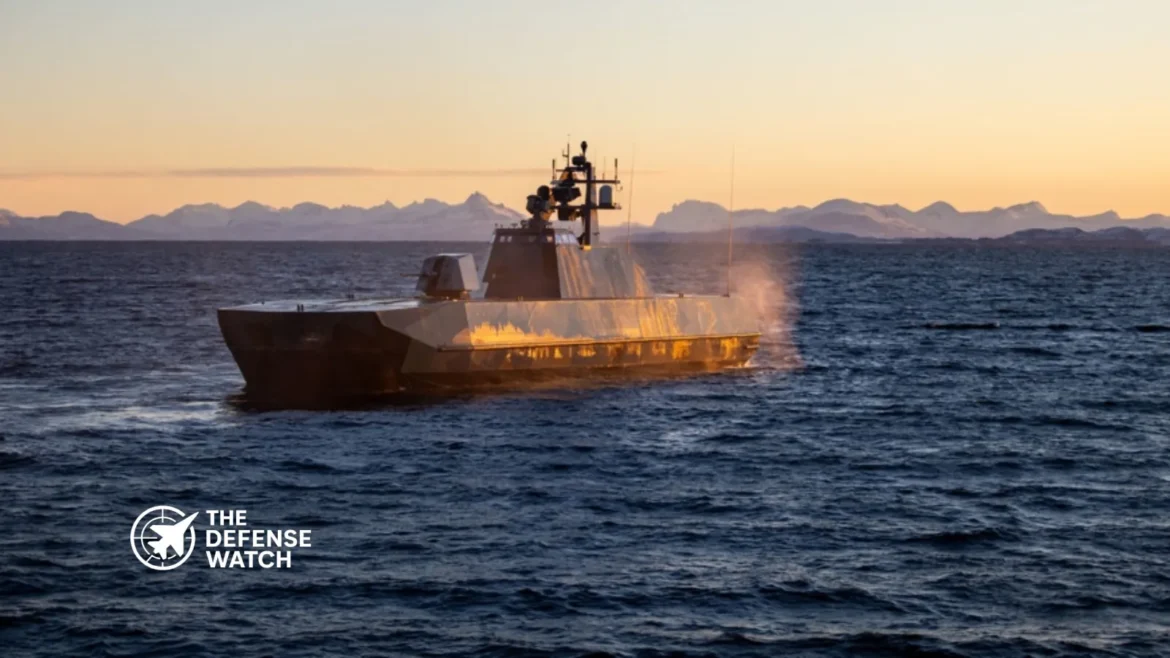
The Skjold-Class Corvettes radar upgrade is moving forward after Kongsberg signed a NOK 410 million contract with the Norwegian Defence Materiel Agency, marking a significant step in Norway naval modernization plan.
(adsbygoogle = window.adsbygoogle || []).push({});Under the agreement, Kongsberg will modernize radar and sensor systems aboard the Royal Norwegian Navy Skjold-Class corvettes. The contract, valued at approximately NOK 410 million, aims to enhance detection capabilities, improve situational awareness, and ensure the vessels remain operationally relevant in increasingly complex maritime environments.
According to the announcement, the work will focus on upgrading critical surveillance and sensor components to strengthen combat performance and extend service life.
Modernizing A Unique High-Speed Combat Platform
The Skjold-Class corvettes are among the fastest operational combat vessels in the world. Built for coastal operations, they combine stealth features, air-cushion technology, and advanced missile systems. Their role is centered on rapid response and sea denial in Norway coastal waters.
Improving radar and sensor performance directly enhances these missions. Modern naval warfare places heavy emphasis on early detection, electronic resilience, and networked operations. Upgraded sensors increase the ships ability to detect surface and aerial threats at greater ranges while improving target tracking and fire control integration.
This Skjold-Class Corvettes radar upgrade aligns with broader trends across NATO fleets, where legacy platforms are being modernized to counter advanced anti-ship missiles, drones, and electronic warfare threats.
Strengthening Norway Arctic And Coastal Posture
Norway strategic geography, including its long coastline and proximity to the High North, demands strong maritime domain awareness. The Royal Norwegian Navy relies on fast, agile vessels like the Skjold-Class to monitor and defend coastal approaches.
(adsbygoogle = window.adsbygoogle || []).push({});Upgrading radar and sensors enhances maritime surveillance in contested environments. It also improves interoperability with allied naval and air assets operating in the North Atlantic and Arctic regions.
The contract reflects Norway commitment to maintaining credible deterrence through incremental modernization rather than wholesale fleet replacement. As defense budgets rise across Europe, many nations are extending platform lifespans while integrating more capable electronics.
Kongsberg Expands Domestic Industrial Role
Kongsberg has long served as a core supplier to Norway defense establishment, providing missile systems, combat management systems, and maritime technologies. This new Skjold-Class Corvettes radar upgrade reinforces its role as a domestic industrial anchor for naval capabilities.
By keeping upgrades within national industry, Norway sustains sovereign control over sensitive technologies and ensures long-term supportability. That approach is increasingly important in a security environment marked by supply chain risks and geopolitical uncertainty.
(adsbygoogle = window.adsbygoogle || []).push({});The NOK 410 million contract also underscores steady investment in maintenance and modernization rather than headline-grabbing procurement programs. Incremental improvements often deliver substantial operational gains at lower cost and risk.
Operational Impact And Future Outlook
While detailed technical specifications were not publicly disclosed, radar and sensor upgrades typically involve improved signal processing, enhanced electronic counter-countermeasures, and integration with modern command and control networks.
For the Skjold-Class fleet, this means improved reaction time against fast-moving threats and better integration with Norway joint force structure. In practical terms, commanders gain clearer maritime pictures, stronger threat discrimination, and more reliable targeting data.
(adsbygoogle = window.adsbygoogle || []).push({});The Skjold-Class Corvettes radar upgrade therefore supports both national defense requirements and allied commitments. Norway plays a key role in NATO northern flank operations, and credible coastal combatants contribute to regional stability.
As naval warfare becomes more sensor-driven, investments in detection and electronic resilience can be as decisive as new hulls or weapons. This contract signals that Norway recognizes that shift.

B-52 radar upgrade aircraft arrives at Edwards Air Force Base
A U.S. Air Force B-52 Stratofortress fitted with a major radar upgrade has flown to Edwards Air Force Base in California for dedicated flight testing. The deployment took place in mid December 2025 and marks a key step in validating new sensor capabilities for the aging but still central U.S. strategic bomber fleet.
The aircraft will support a structured test campaign led by the Air Force Test Center, focusing on radar performance, integration, and reliability. Edwards AFB is the primary hub for developmental flight testing of advanced U.S. military aircraft systems.
Why the B-52 radar upgrade matters
The B-52 radar upgrade is a core element of the U.S. Air Force plan to keep the Stratofortress operational into the 2050s. First introduced in the 1950s, the B-52 has undergone multiple modernization efforts, but its legacy radar has long been considered a limitation in contested airspace.
The new radar is derived from the AN APG 79 family, a proven active electronically scanned array system already used on U.S. Navy aircraft. By adapting this technology for the B-52, the Air Force aims to deliver improved target detection, higher resolution mapping, and stronger resistance to electronic attack.
Background on B-52 modernization efforts
The radar effort sits alongside several other major upgrades underway for the bomber. These include new commercial derivative engines, updated communications, improved navigation systems, and the integration of future long range weapons.
Together, these changes are designed to extend the aircraft service life while keeping operating costs under control. Air Force officials have repeatedly stated that the B-52 will operate in tandem with newer platforms such as the B-21 Raider, rather than being replaced outright.
Testing objectives at Edwards AFB
At Edwards, engineers and test pilots will evaluate how the B-52 radar upgrade performs across a wide range of flight conditions. This includes high altitude cruise, long range navigation, and target tracking scenarios relevant to both conventional and nuclear missions.
Testing will also examine how the radar integrates with existing avionics and mission systems. Because the B-52 airframe was not originally designed for modern digital sensors, ensuring stable power, cooling, and data flow is a major focus of the program.
According to U.S. Air Force testing practices, early flight tests typically emphasize safety and basic functionality before moving into advanced mission profiles later in the campaign.
Operational benefits for the U.S. Air Force
Once fielded, the B-52 radar upgrade is expected to significantly improve situational awareness for bomber crews. The new system offers faster scan rates and better performance against moving and low visibility targets.
These improvements support both stand off strike missions and maritime operations, where accurate long range sensing is critical. Enhanced radar capability also strengthens the bomber ability to operate in environments with advanced air defense systems.
From a strategic standpoint, the upgrade reinforces the credibility of the U.S. bomber leg of the nuclear triad by ensuring the aircraft can operate effectively well into the future.
Industry and program context
The radar effort reflects a broader trend within the U.S. Department of Defense to reuse mature technologies across platforms. By leveraging an existing radar design, the Air Force aims to reduce development risk and accelerate deployment timelines.
Defense industry partners are supporting the integration and test phases, working closely with Air Force engineers at Edwards. The program remains part of a wider bomber modernization budget approved under recent defense authorization acts.
What comes next after flight testing
Following the Edwards test phase, data will be reviewed to confirm performance thresholds and identify any required design changes. If results meet expectations, the Air Force will proceed toward low rate initial production and fleet wide installation.
Operational B-52 units are expected to begin receiving the upgraded radar later in the decade. Full fleet integration will take several years, aligning with other major upgrades such as the new engine replacement program.
The successful completion of this test phase will be a critical milestone for ensuring the B-52 remains a viable and effective asset for U.S. global strike missions.
