(adsbygoogle = window.adsbygoogle || []).push({});Executive Summary:
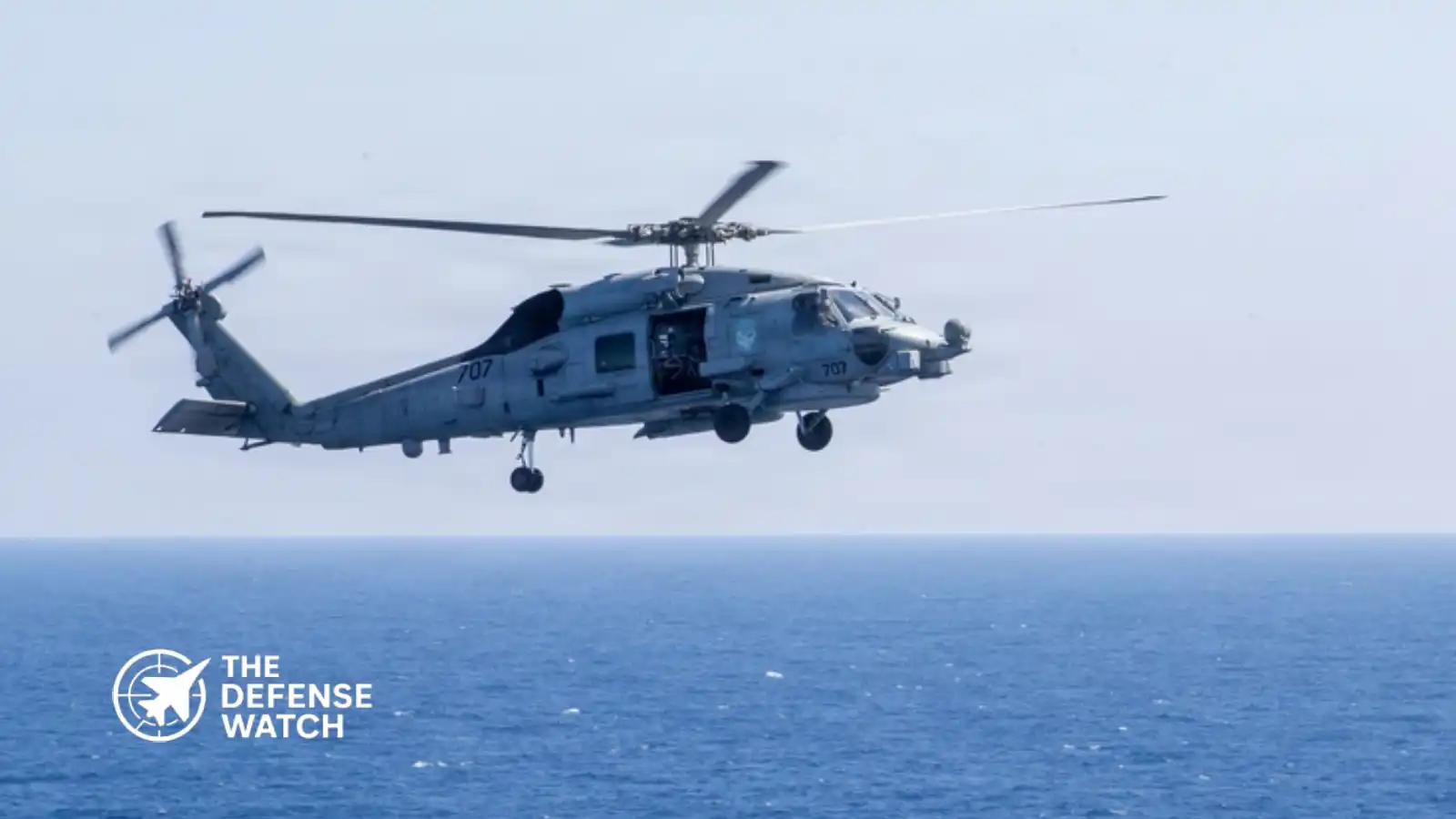
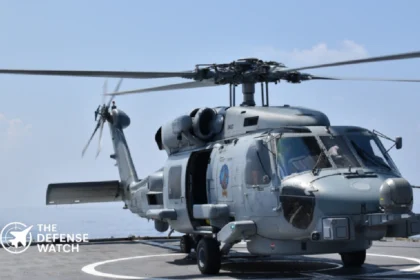
The United States has approved a potential $1.5 billion Foreign Military Sale of five MH-60R Seahawk maritime helicopters and associated equipment to New Zealand. The deal supports Wellington’s ongoing defense modernization effort and is intended to strengthen maritime surveillance, anti-submarine warfare, and homeland defense capabilities amid a more competitive Indo-Pacific security environment.
U.S. Approves MH-60R Seahawk Sale To New Zealand
The U.S. State Department has approved a potential $1.5 billion sale of five MH-60R Seahawk multi mission helicopters and related systems to New Zealand, marking one of Wellington’s most significant defense acquisitions in recent years. The approval was announced through the U.S. Foreign Military Sales process and now moves forward for congressional review and subsequent implementation.
According to the State Department, the proposed sale will improve New Zealand’s ability to address current and future security challenges while enhancing the protection of critical national infrastructure and strengthening homeland defense capabilities.
The helicopters will be supplied by Sikorsky, a division of Lockheed Martin, which manufactures the MH-60R for the U.S. Navy and numerous allied operators worldwide.
Part Of A Broader Defense Modernization Strategy
The helicopter acquisition aligns with New Zealand’s 2025 Defence Capability Plan, which committed an additional NZ$9 billion in defense spending over four years and set a goal of raising defense expenditure to approximately 2% of GDP within eight years.
Last month, Wellington allocated NZ$1.58 billion in new defense funding as part of a broader effort to modernize aging military equipment and improve force readiness.
(adsbygoogle = window.adsbygoogle || []).push({});Prime Minister Christopher Luxon has argued that New Zealand must adapt to a more competitive strategic environment after decades of limited defense investment. Government officials have increasingly emphasized the need for greater military preparedness and interoperability with key regional partners.
Why The MH-60R Matters
The MH-60R Seahawk is widely regarded as one of the world’s most capable naval helicopters. Designed for anti-submarine warfare (ASW), anti-surface warfare (ASuW), intelligence gathering, maritime surveillance, and search-and-rescue missions, it serves as a critical force multiplier for modern naval fleets.
Key MH-60R Capabilities
| Capability | Description |
|---|---|
| Anti-Submarine Warfare | Detection and tracking of submarines using airborne sonar systems |
| Maritime Surveillance | Surface search and monitoring of large maritime areas |
| Anti-Surface Warfare | Engagement of surface threats and maritime targets |
| Search and Rescue | Long-range rescue and recovery operations |
| Networked Operations | Integration with naval task groups and allied forces |
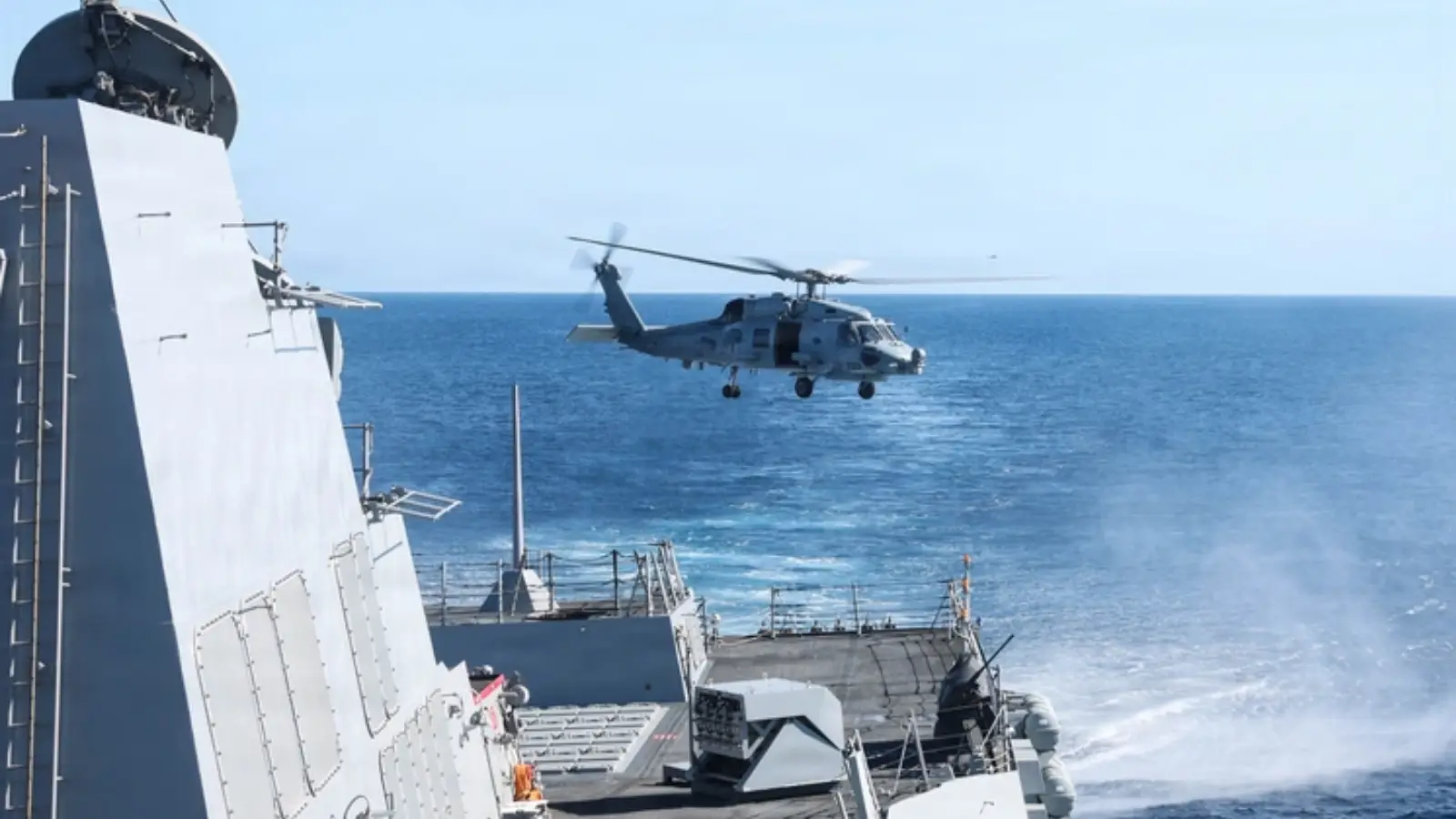
The platform has become a preferred choice among U.S. allies because it combines advanced sensors, data links, radar systems, electronic support measures, and weapons integration into a single aircraft capable of operating from frigates, destroyers, and other naval vessels.
(adsbygoogle = window.adsbygoogle || []).push({});Operational Impact For New Zealand
For New Zealand, the acquisition is particularly important because maritime security remains central to its defense strategy. The country is responsible for monitoring a vast exclusive economic zone and routinely contributes to regional security operations across the South Pacific.
The MH-60R fleet will provide significantly improved maritime domain awareness while enhancing the ability of the New Zealand Defence Force to support naval operations, monitor sea lanes, conduct humanitarian missions, and participate in coalition activities with partners such as Australia and the United States.
The helicopters are also expected to strengthen anti-submarine warfare capabilities at a time when underwater threats are receiving increased attention across the Indo-Pacific. Regional militaries are investing heavily in submarine fleets, long-range maritime surveillance systems, and undersea warfare capabilities, making ASW assets increasingly valuable.
Strategic Significance In The Indo-Pacific
While the sale is primarily a capability upgrade, it also reflects broader trends shaping regional security.
The United States has encouraged allies and partners across both Europe and the Indo-Pacific to increase defense spending and invest in military readiness. New Zealand’s decision to expand defense investments aligns with that wider effort.
(adsbygoogle = window.adsbygoogle || []).push({});From a strategic perspective, maritime helicopters provide an important layer of capability between surface ships, maritime patrol aircraft, and undersea assets. They extend the reach of naval forces far beyond a ship’s onboard sensors and enable rapid responses across large ocean areas.
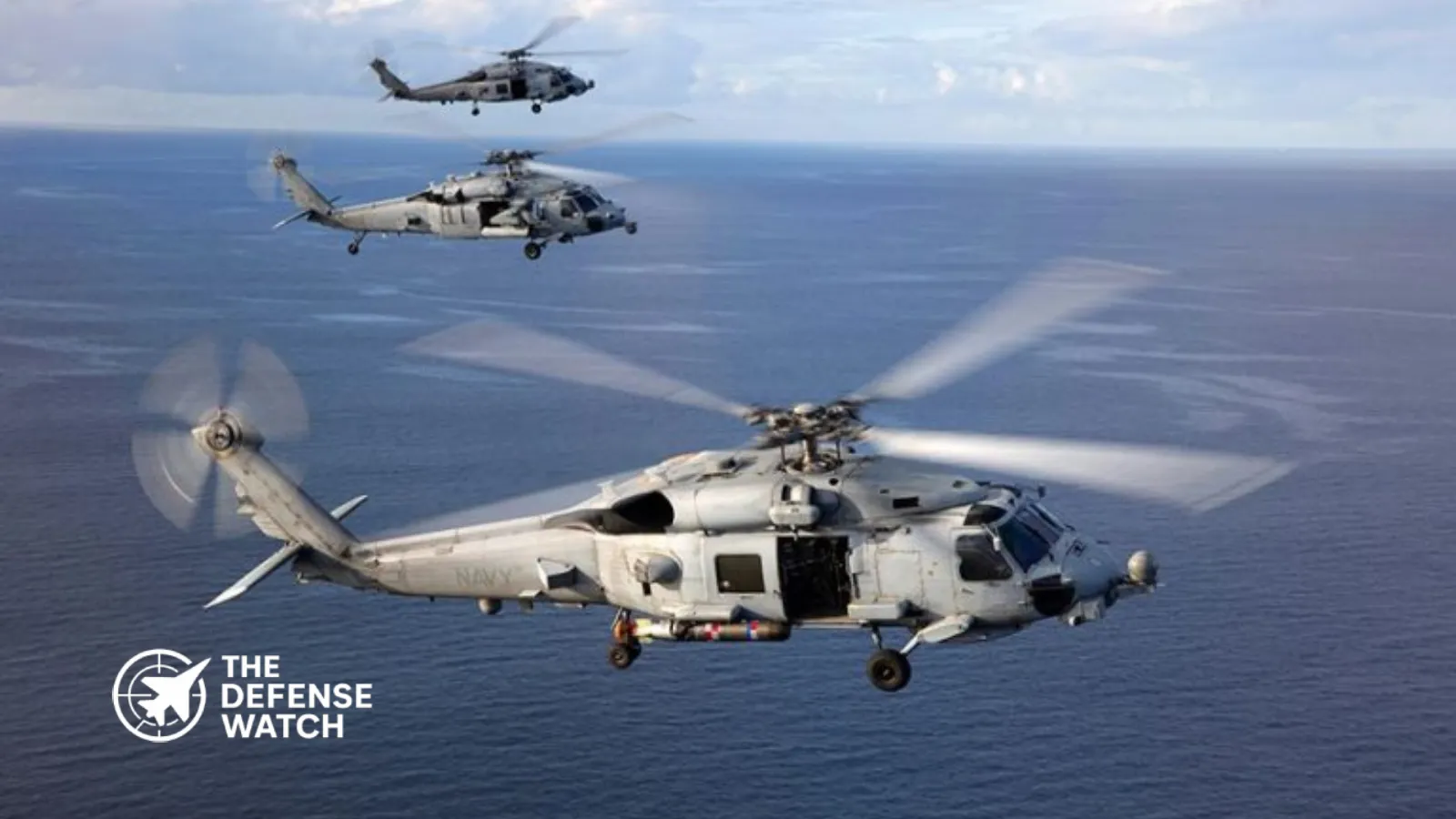
The acquisition also improves interoperability with regional partners already operating the MH-60R, including Australia, India, South Korea, and other allied navies. Shared platforms often reduce training complexity, simplify logistics, and improve coalition effectiveness during multinational operations.
Technical And Program Considerations
Although the State Department approval represents a major milestone, Foreign Military Sales notifications indicate a maximum estimated value rather than a final contract price. Actual procurement costs may vary depending on configuration, support packages, training requirements, sustainment services, and future negotiations.
The package includes not only the aircraft themselves but also associated equipment, logistics support, training, and integration activities necessary for operational deployment. Similar MH-60R programs for allied operators have included advanced sensors, sonar systems, mission planning equipment, maintenance support, and personnel training infrastructure.
(adsbygoogle = window.adsbygoogle || []).push({});For New Zealand, successful integration will require investment in infrastructure, maintenance capabilities, and personnel training to ensure the helicopters can achieve full operational effectiveness.
Outlook
The approval of the MH-60R Seahawk sale represents a significant step in New Zealand’s long term defense modernization strategy. Beyond replacing aging capabilities, the acquisition strengthens maritime security, enhances interoperability with allied forces, and expands Wellington’s ability to contribute to regional stability operations.
As Indo-Pacific security dynamics continue to evolve, maritime aviation platforms such as the MH-60R are likely to play an increasingly important role in surveillance, deterrence, and naval operations across the region.
Lockheed Martin MH-60R Radar Upgrade Advances Navy Helicopter Fleet
The MH-60R radar upgrade program moved forward after Lockheed Martin was awarded a $99,481,601 cost-plus-fixed-fee order to modernize the AN/APS-153 radar system installed on the MH-60R Seahawk. The award supports both domestic U.S. Navy aircraft and export variants sold through Foreign Military Sales channels.
According to the Pentagon contract announcement, the work includes design, development, integration, and testing of a radar data processor technology refresh. That indicates the focus is not merely maintenance, but deeper electronics modernization intended to keep the system effective against evolving maritime threats.
- Lockheed Martin received a $99.48 million U.S. Navy contract for MH-60R radar modernization.
- The work covers design, development, integration, and testing of a radar data processor technology refresh.
- The upgrade applies to the MH-60R AN/APS-153 radar system for U.S. and Foreign Military Sales variants.
- Work will be completed in New York and Connecticut through April 2031.
- Contracting authority is Naval Air Systems Command, Patuxent River, Maryland.
The order was issued under a previously established basic ordering agreement and was not openly competed.
Why The MH-60R Radar Upgrade Matters
The MH-60R Seahawk is one of the U.S. Navy’s most important multi-mission helicopters. It performs anti-submarine warfare, anti-surface warfare, surveillance, search and rescue, and fleet support operations from destroyers, cruisers, frigates, and shore bases.
Its AN/APS-153 radar plays a central role in detecting ships, small surface contacts, weather patterns, and navigation hazards. In contested waters, radar processing speed and reliability can directly affect mission success.
Refreshing the radar data processor likely brings three practical benefits:
- Faster target tracking and data handling
- Better reliability and lower sustainment burden
- Improved compatibility with future software upgrades
That matters because many U.S. military platforms now rely on incremental electronics refreshes rather than entirely new airframes. It is often cheaper and faster to modernize sensors than replace fleets.
Strategic Value For U.S. Navy And Allies
The contract also includes Foreign Military Sales variants, highlighting continued international demand for the MH-60R Seahawk. Countries operating the aircraft increasingly need common standards, spare parts support, and updated mission systems.
This approach helps allied navies remain interoperable with U.S. forces during coalition maritime operations. Shared radar architecture can simplify training, logistics, and software support over time.
For Washington, export support also strengthens long-term defense relationships while reducing per-unit sustainment costs across a broader user base.
Where The Work Will Be Done
Contract performance will take place in:
- Farmingdale, New York (68%)
- Owego, New York (31%)
- Stratford, Connecticut (1%)
The project is expected to run through April 2031, showing the scale and technical depth of the modernization effort.
Funding Breakdown
At the time of award, the Navy obligated:
- $6.5 million in Fiscal Year 2026 Navy research, development, test and evaluation funds
- $14.5 million in Foreign Military Sales funds
None of those funds expire at the end of the current fiscal year, allowing longer execution timelines.
Broader Defense Trend
The MH-60R radar upgrade reflects a wider Pentagon trend: extending proven platforms through sensor, processor, and software modernization. Rather than waiting years for next-generation aircraft, the military is improving fielded systems now.
For naval aviation, that means helicopters already deployed worldwide can remain relevant in increasingly crowded and contested maritime environments.
- South Korea has begun deploying MH-60R Seahawk helicopters to strengthen anti-submarine warfare operations.
- The helicopters are designed to detect, track, and engage submarines using advanced sensors and weapons.
- The move targets growing concerns over North Korea’s expanding submarine and underwater capabilities.
- MH-60R platforms integrate sonar systems, radar, and torpedoes for multi-mission maritime operations.
- Deployment reflects deeper interoperability with U.S. naval forces and regional deterrence efforts.
South Korea MH-60R Seahawk Deployment Strengthens Anti-Submarine Warfare
South Korea MH-60R Seahawk deployment marks a significant step in enhancing the Republic of Korea Navy’s anti-submarine warfare capability amid rising undersea threats from North Korea.
According to reporting by Army Recognition, Seoul has begun fielding its first batch of MH-60R Seahawk maritime helicopters, a U.S.-built platform widely regarded as one of the most advanced naval helicopters for anti-submarine and anti-surface warfare missions. The deployment comes as North Korea continues to invest in submarine-launched ballistic missile programs and quieter diesel-electric submarines.
The introduction of the MH-60R provides South Korea with a modern, networked system capable of detecting, tracking, and engaging hostile submarines across complex maritime environments.
Advanced Sensors And Weapons Enhance Maritime Awareness
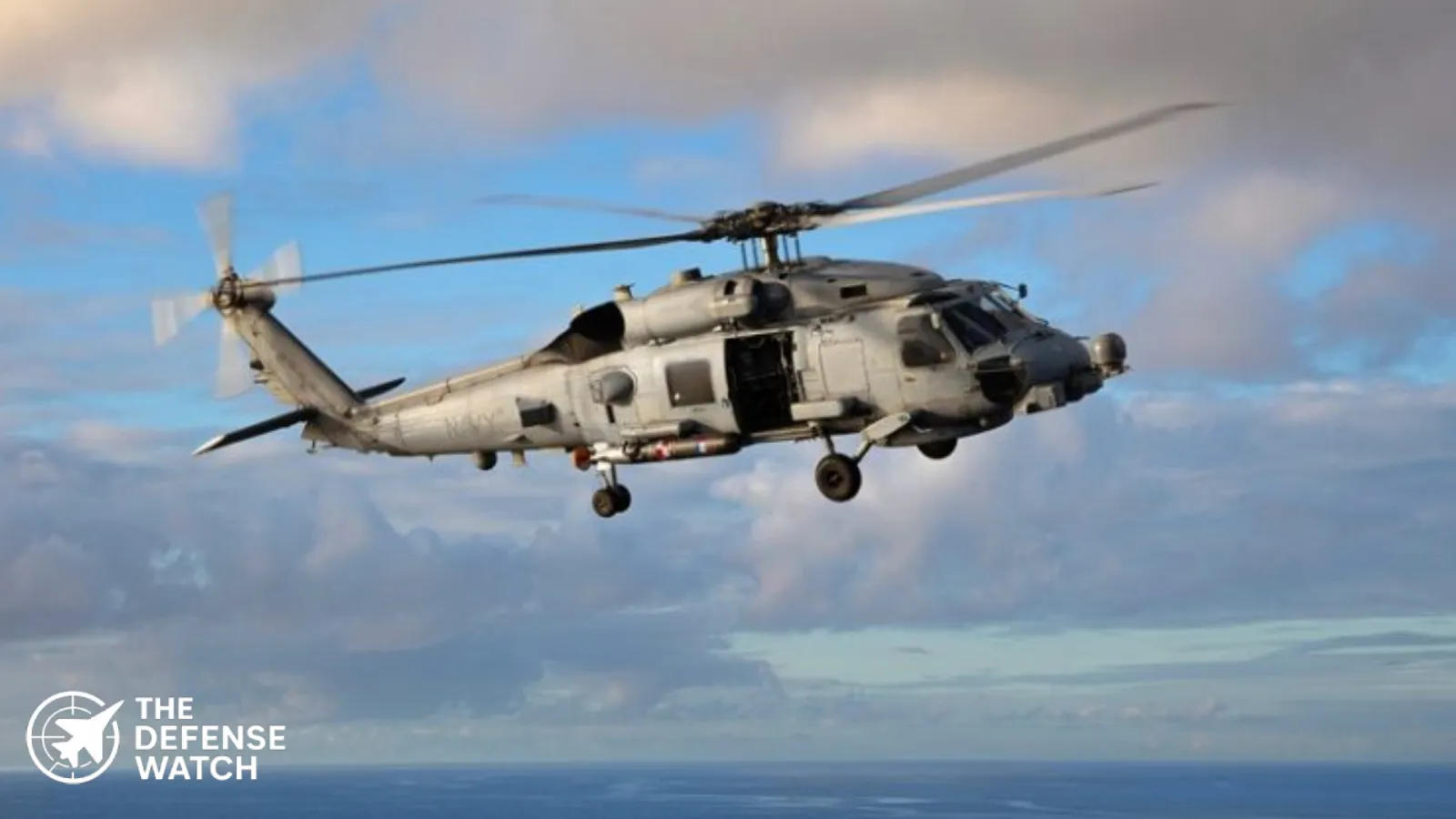
The MH-60R Seahawk is equipped with a suite of advanced sensors that significantly improve situational awareness in contested waters. These include dipping sonar systems, sonobuoys, maritime surveillance radar, and electro-optical targeting systems.
This combination allows operators to detect submerged threats at extended ranges while maintaining real-time data links with surface combatants. The helicopter can deploy Mk 54 lightweight torpedoes and anti-ship missiles, giving it both defensive and offensive capabilities.
From an operational standpoint, the platform enables layered anti-submarine warfare. Surface ships can rely on airborne assets to extend their detection range, reducing response time against fast-moving or stealthy underwater threats.
This capability is particularly relevant in the Korean Peninsula, where shallow waters and dense maritime traffic complicate submarine detection.
Strategic Context: Rising North Korean Submarine Threat
The South Korea MH-60R Seahawk deployment is closely tied to evolving threats from North Korea’s naval forces. Pyongyang has prioritized the development of submarine-based deterrents, including experimental ballistic missile submarines and new classes of conventional attack submarines.
While North Korea’s submarine fleet is not as technologically advanced as those of major naval powers, its focus on asymmetrical warfare poses persistent risks. Smaller, quieter submarines operating in coastal environments can challenge traditional detection methods.
By integrating the MH-60R into its fleet, South Korea is addressing a critical capability gap in airborne anti-submarine warfare. The helicopter’s ability to operate from destroyers and frigates adds flexibility, allowing rapid deployment across multiple maritime zones.
This shift reflects a broader trend in regional naval modernization, where airborne assets are increasingly central to undersea warfare.
Interoperability With U.S. Forces And Regional Allies
Another key aspect of the MH-60R Seahawk deployment is interoperability. The platform is already widely used by the U.S. Navy and several allied nations, including Australia and India.
For South Korea, this means seamless integration into joint operations, particularly in scenarios involving combined maritime task forces. Shared systems, communication protocols, and training frameworks allow for coordinated anti-submarine operations.
This interoperability enhances deterrence by signaling a unified response capability to potential adversaries. It also improves operational efficiency during joint exercises and real-world contingencies.
In practical terms, South Korean MH-60R units can operate alongside U.S. naval forces with minimal adaptation, strengthening alliance-based maritime security in Northeast Asia.
Operational Impact On Korean Peninsula Maritime Security
The deployment of MH-60R helicopters is expected to significantly expand South Korea’s maritime surveillance and response capabilities. By extending the detection range of surface fleets, the helicopters provide early warning against submarine incursions.
They also improve response speed. Instead of relying solely on ship-based sensors, commanders can deploy helicopters to investigate contacts, track targets, and engage if necessary.
This layered approach reduces vulnerabilities in coastal defense and strengthens protection of key sea lines of communication. Given the strategic importance of maritime trade routes to South Korea’s economy, enhanced naval aviation capability plays a critical role in national security.
From a broader perspective, the deployment underscores the increasing importance of anti-submarine warfare in modern naval strategy. As submarine technologies evolve, so too must the tools used to counter them.
Analysis: A Targeted Capability Upgrade With Strategic Implications
The South Korea MH-60R Seahawk deployment is not just a platform upgrade, it represents a focused investment in undersea warfare dominance.
While surface ships and submarines remain central to naval power, airborne assets like the MH-60R are becoming indispensable in detecting and neutralizing underwater threats. The ability to rapidly deploy sensors and weapons from the air adds a critical dimension to maritime operations.
In the context of the Korean Peninsula, where geographic and operational constraints complicate traditional naval engagements, this capability is especially valuable. It allows South Korea to counter North Korea’s submarine strategy more effectively without relying solely on expensive or time-intensive ship deployments.
At the same time, the move aligns with broader U.S.-allied efforts to strengthen maritime security across the Indo-Pacific. By adopting a widely used platform, South Korea enhances both its independent defense posture and its role within allied frameworks.
Denmark Hellfire Missile Sale Backed by US State Department
The United States State Department has approved a possible $45 million Foreign Military Sale of AGM-114R Hellfire missiles and related equipment to Denmark, aimed at equipping the country’s MH-60R Seahawk helicopter fleet, the Defense Security Cooperation Agency said in a Jan. 8 announcement.
Under the proposed sale, Denmark may acquire up to 100 AGM-114R Hellfire missiles, three captive air test missiles, six M299 launchers, two MHU-191/M trailers, and three BRU-14 ejector racks. The package also includes training aids, support equipment, spare parts, technical documentation, transportation, and U.S. Government and contractor engineering and logistical support services.
The AGM-114R Hellfire is a multi-purpose, precision guided air-to-surface missile widely used by U.S. and allied forces aboard helicopters and unmanned aircraft. It features a multi-function warhead and laser or radar guidance capability, allowing it to engage armored vehicles, small craft, and other targets across maritime and land environments.
Supporting NATO Interoperability
The U.S. government notified Congress of the pending sale as required under the Foreign Military Sales process. Officials said the sale supports U.S. foreign policy and national security interests by enhancing the defense capabilities of a NATO ally and preserving interoperability with U.S. and allied forces. Denmark’s armed forces are expected to absorb the systems with no significant difficulty.
The proposed sale is not expected to alter the basic military balance in the region. Denmark will provide personnel training and logistics support, but no permanent U.S. military presence is planned in conjunction with the delivery of the missiles.
Denmark’s MH-60R Seahawk Role
Denmark operates MH-60R Seahawk maritime helicopters procured from the United States under a 2012 Foreign Military Sale, with deliveries completed by 2018. These multi-mission helicopters serve in anti-submarine warfare, anti-surface warfare, search and rescue, transport, and maritime patrol roles.
The MH-60R combines advanced sensors, communications systems, and weapon stations. In U.S. and allied service, Hellfire missiles have been integrated on MH-60R platforms for precision strike against small surface targets and other threats, complementing torpedoes and machine guns carried for maritime operations.
Contracting and Industry
Lockheed Martin Missile and Defense in Ocala, Florida, remains the principal contractor for AGM-114R Hellfire missiles involved in the sale, according to the DSCA notification.