

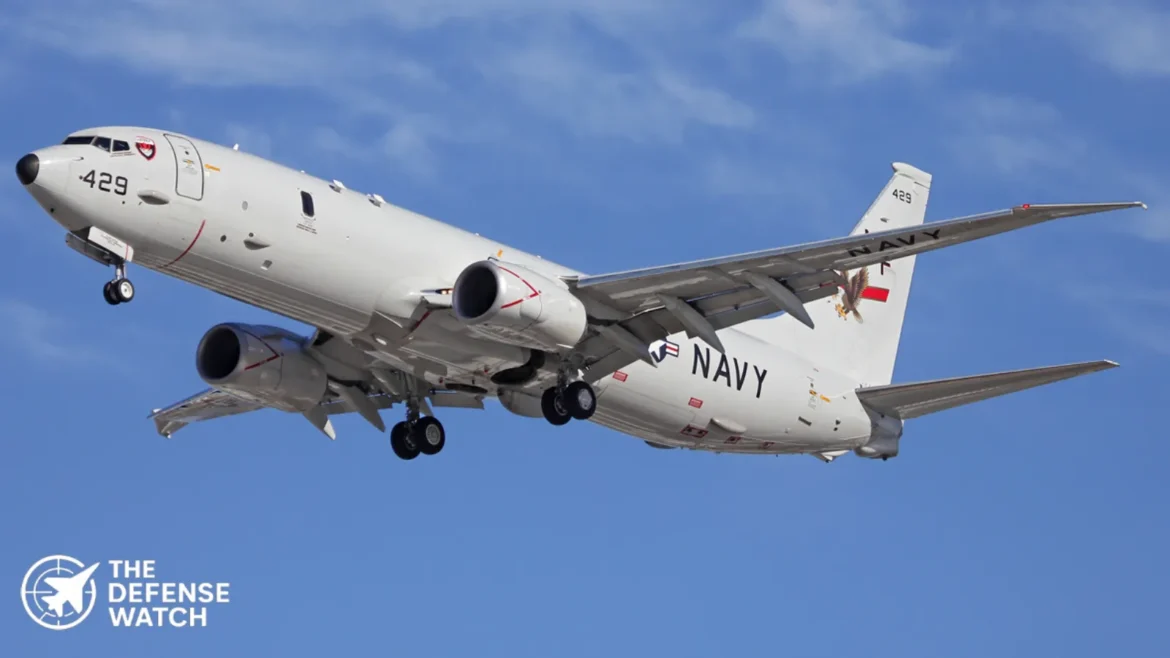
US Approves P 8A Poseidon Sale to Singapore
The US government has approved a potential 2.3 billion dollar P 8A Poseidon sale to Singapore to replace the country’s aging maritime patrol fleet, marking a major step in strengthening long standing US Singapore defense cooperation. The approval was announced through the US Defense Security Cooperation Agency as part of the Foreign Military Sales process, with Congress formally notified of the proposed deal.
According to official disclosures, the sale will provide Singapore with advanced maritime patrol and anti submarine warfare capabilities based on the Boeing P 8A Poseidon, an aircraft already in service with the US Navy and several allied air forces. The acquisition supports Singapore’s effort to modernize its air and maritime surveillance forces amid growing security demands in the Indo Pacific region.
(adsbygoogle = window.adsbygoogle || []).push({});What the P 8A Poseidon Package Includes
The proposed P 8A Poseidon sale includes aircraft, mission systems, training, spares, and long term sustainment support. While the exact number of aircraft has not been publicly specified, the total value of up to 2.3 billion dollars reflects a comprehensive capability package rather than airframes alone.
The P 8A Poseidon is built on the Boeing 737 800 airframe and integrates a wide range of sensors for maritime domain awareness. These include surface search radar, electro optical and infrared systems, acoustic sensors for submarine detection, and secure communications for networked operations. The aircraft is designed for long range patrol, anti submarine warfare, anti surface warfare, and intelligence, surveillance, and reconnaissance missions.
US officials stated that the proposed sale will enhance Singapore’s ability to monitor sea lines of communication, deter maritime threats, and operate effectively with US and allied forces.
Replacing Singapore’s Legacy Maritime Patrol Aircraft
Singapore currently operates a small fleet of Fokker 50 maritime patrol aircraft that have been in service for decades. While these aircraft have been upgraded over time, they no longer meet the full range of modern surveillance and anti submarine requirements facing the Singapore Armed Forces.
The P 8A Poseidon sale is intended to replace this aging fleet with a platform that offers significantly greater range, speed, sensor coverage, and data fusion. For a country that sits astride critical global shipping routes, including the Strait of Malacca and surrounding sea lanes, maritime patrol aircraft are a core element of national defense.
(adsbygoogle = window.adsbygoogle || []).push({});Singapore’s Ministry of Defence has repeatedly emphasized the importance of maintaining a technologically advanced and credible deterrent force, particularly in air and maritime domains.
Strategic Importance for the Indo Pacific
The approval of the P 8A Poseidon sale carries broader strategic implications beyond Singapore alone. The aircraft is widely regarded as one of the most capable maritime patrol platforms in service today and is a key asset in US and allied efforts to maintain maritime security in the Indo Pacific.
The region has seen increased naval activity, undersea competition, and pressure on freedom of navigation in recent years. Advanced maritime patrol aircraft play a critical role in tracking submarines, monitoring surface vessels, and providing early warning of potential threats.
By equipping Singapore with the P 8A Poseidon, the US strengthens interoperability with a close security partner and reinforces a network of like minded states operating common platforms and shared tactics.
Interoperability With US and Allied Forces
One of the major advantages of the P 8A Poseidon sale is interoperability. The aircraft is already operated by the United States, Australia, the United Kingdom, India, and several NATO allies. This allows for shared training, common logistics, and coordinated operations during exercises or real world contingencies.
Singapore regularly hosts and participates in multinational exercises with the US Navy and allied air forces. Operating the same maritime patrol aircraft simplifies information sharing and enhances combined operational effectiveness.
US officials noted that the sale will not alter the regional military balance but will contribute to stability by improving a partner nation’s ability to defend its maritime approaches.
Industry and Program Background
The P 8A Poseidon is produced by Boeing Defense, Space and Security and has become the standard maritime patrol aircraft for the US Navy, replacing the older P 3C Orion fleet. The aircraft has been combat tested and routinely deployed for operations ranging from anti submarine patrols to search and rescue and overland intelligence missions.
(adsbygoogle = window.adsbygoogle || []).push({});Boeing continues to deliver P 8A aircraft to international customers under Foreign Military Sales agreements, with sustained production supporting both US and allied requirements.
The proposed Singapore sale includes US government and contractor support for training, maintenance, and integration, ensuring long term operational readiness.
Congressional Review and Next Steps
As with all Foreign Military Sales, the P 8A Poseidon sale to Singapore is subject to congressional review. Lawmakers typically assess such deals based on their impact on US foreign policy, regional security, and defense industrial interests.
Once approved, contract negotiations and production timelines will follow. Delivery schedules are expected to align with Boeing’s existing P 8A production line and Singapore’s planned retirement of its current maritime patrol aircraft.
Neither the US Department of Defense nor Singapore’s Ministry of Defence indicated any immediate obstacles to moving forward with the program.

Trump’s Greenland Push Draws Tough Reception at Davos
U.S. President Donald Trump used the 2026 World Economic Forum in Davos to intensify his controversial push for control of Greenland, drawing firm pushback from European leaders and allies over the strategic Arctic territory.
President Trump said that the United States needs Greenland for national security reasons, specifically to counter Russia and China. He indicated he expects talks with European and NATO partners during his Davos visit to yield progress on U.S. aims, though critics say his approach risks undermining alliance unity.
Trump’s remarks came after he delayed his Davos arrival due to a minor aircraft issue. Once on the ground, he told reporters he hopes to work out an agreement with NATO allies that satisfies all sides but did not rule out more forceful options, offering a cryptic reply when asked how far he was willing to go on Greenland.
European officials have publicly resisted Trump’s framing of U.S. control of Greenland as necessary. Danish and other European leaders have reiterated that Greenland, an autonomous territory of the Kingdom of Denmark, is not for sale and must decide its own future. Macron of France, among others, has questioned the U.S. strategy, underscoring allied concerns.
NATO Strains and Arctic Security
Trump’s push for Greenland is rooted in broader geopolitical concerns about Russia and China’s influence in the Arctic. The island’s strategic location and existing U.S. military presence have made it a focus of U.S. defense policy discussions.
However, NATO officials warn that Trump’s hardline rhetoric and threats of punitive trade measures could fray ties within the alliance. European capitals are reportedly preparing options to push back, including economic countermeasures.
Leaders of Denmark and Greenland have offered alternatives to outright U.S. control that would expand American security roles on the island without ceding sovereignty. Those proposals have yet to satisfy the White House.
Broader Davos Agenda and U.S. Policy
Trump’s original agenda at the summit included touting U.S. economic achievements and unveiling a domestic housing initiative. He is also scheduled to meet leaders from Switzerland, Poland, and Egypt and preside over a ceremony for a new Board of Peace group aimed at global reconstruction efforts.
The Greenland issue has become a focal point of the summit, overshadowing economic discussions and highlighting deep differences between the U.S. and European allies on defense priorities and transatlantic cooperation.
What Comes Next
Trump is expected to return to Washington after Davos with the Greenland debate unresolved. European resistance shows that consensus on the island’s future remains distant, and NATO cohesion faces renewed stress as Arctic security takes center stage in transatlantic policy discussions.
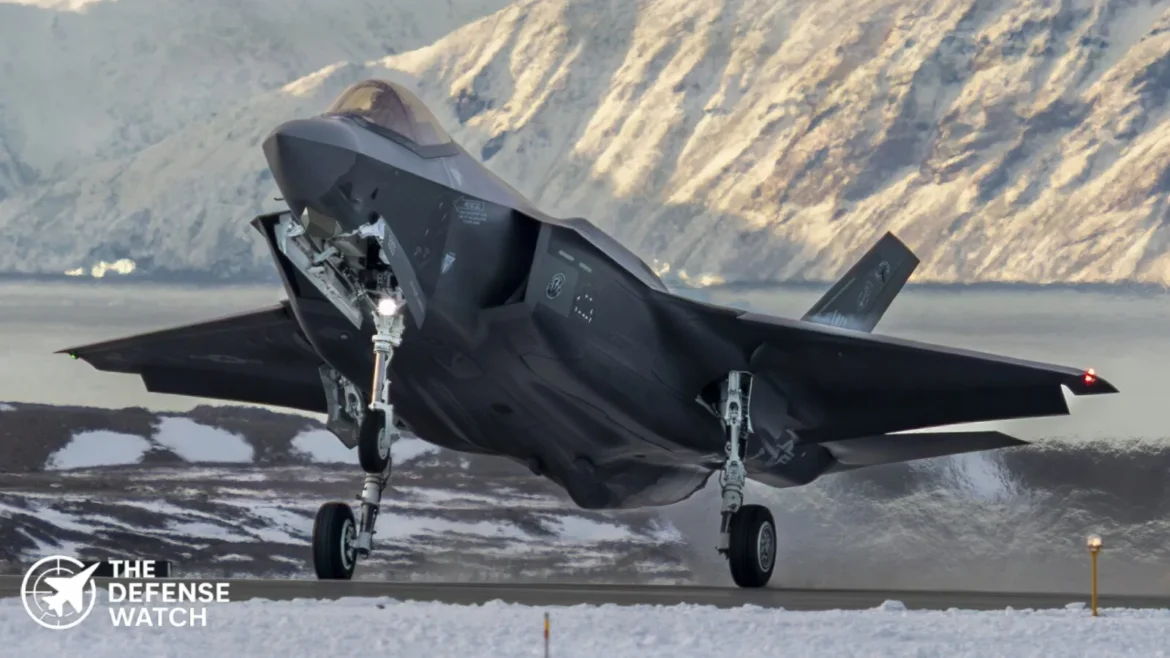
The North American Aerospace Defense Command (NORAD) confirmed on January 19, 2026, the deployment of multiple aircraft to Pituffik Space Base in Greenland. While NORAD maintains the mission is a “routine, long-planned” exercise, the move comes during a period of heightened geopolitical friction regarding the status of the world’s largest island.
Key Takeaways: The January 2026 Deployment
- Official Status: Routine, pre-scheduled activities coordinated with the Kingdom of Denmark.
- Strategic Context: Occurs as the U.S. administration reiterates interest in acquiring Greenland, leading to recent tariff threats against European allies.
- Primary Assets: While specific 2026 aircraft types are undisclosed, previous iterations included F-35 Lightning IIs, F-16s, and KC-135 Stratotankers.
- Base Significance: Pituffik (formerly Thule) is the northernmost U.S. military installation, critical for missile warning and Arctic air defense.
Strategic Shift: Why Pituffik Matters in 2026
Pituffik Space Base serves as the “eyes and ears” of North America’s northern approach. Operated by the U.S. Space Force’s 821st Space Group, the base has seen a surge in investment and strategic reorganization over the past year.
Alignment with U.S. Northern Command (USNORTHCOM)
In 2025, the U.S. Department of Defense shifted the operational responsibility of Greenland from European Command (EUCOM) to Northern Command. This move signals a permanent shift in viewing Greenland not just as a NATO outpost, but as a central pillar of Homeland Defense.
Infrastructure Overhaul
Recent military contracts have initiated massive upgrades to Pituffik’s:
- Runway Lighting: Advanced systems for extreme-weather, 24/7 operations.
- Facility Resilience: Retrofitting aging structures to withstand accelerating Arctic environmental changes.
- Communication Arrays: Enhanced satellite links to support the 41st Air Expeditionary Group.
Routine Exercise vs. Geopolitical Friction
NORAD’s insistence on the “routine” nature of this deployment is likely a diplomatic effort to de-escalate tensions. On the same day as the announcement (January 19), Danish and Greenlandic officials met with NATO Secretary General Mark Rutte in Brussels to discuss Arctic sovereignty.
Expert Insight: “By framing this as a ‘long-planned’ event, NORAD is attempting to maintain operational transparency and avoid misinterpretation by both allies (Denmark) and adversaries (Russia/China) during a volatile diplomatic cycle.”
History of Operations: Operation Noble Defender
The current deployment builds on the success of Operation Noble Defender, a recurring exercise focused on interoperability.
| Feb 2025 | Noble Defender | F-16, CF-18, CC-150 | Testing U.S.-Canadian binational integration. |
| Oct 2025 | Dynamic Ops | F-35, F-16, KC-135 | Rapid deployment in extreme Arctic conditions. |
| Jan 2026 | Routine Deployment | Confidential | Sustained Arctic presence and surveillance. |
FAQ
Pituffik Space Base is the northernmost installation of the U.S. Armed Forces, located 750 miles north of the Arctic Circle in Greenland. It was renamed from Thule Air Base in 2023 to honor the local Greenlandic Inuit heritage.
Under a 1951 defense treaty between the U.S. and Denmark, the U.S. maintains a military presence in Greenland to provide early warning for ballistic missiles and to control the aerospace of the North American Arctic.
NORAD states the deployment was planned over a year in advance and is strictly operational. However, analysts note that the presence of U.S. fighters reinforces the strategic “value” currently being discussed in Washington and Copenhagen.
Final Thoughts for 2026 Arctic Security
The deployment of aircraft to Pituffik is a clear signal that regardless of political rhetoric, the U.S. military footprint in the Arctic is expanding. For North American defense, Greenland remains the most critical “high ground” in the world.

UK Withholds Details on Ukraine Multinational Force Plans
The United Kingdom has declined to release specifics on its possible contributions to a proposed multinational force for Ukraine, citing operational security concerns as planning with allies continues, the Ministry of Defence said.
Short background: British, French, and Ukrainian leaders signed a Declaration of Intent on January 7, 2026, outlining early planning for a multinational force that could support Ukraine’s defence, reconstruction, and long-term security after hostilities cease.
Government Response in Parliament
Defence Minister Al Carns told lawmakers that the UK government has discussed scenario planning with partners but will not publish details on potential force size, composition, participating nations, or specific assets. The Ministry of Defence emphasized that releasing such information could harm operational security.
Carns repeated that planning remains contingency work rather than confirmation of an imminent deployment, and that regular engagement with Ukraine, France, and other allies continues.
Operational Context
The proposed force has been discussed as part of broader efforts by Western partners to plan for security support to Ukraine after any ceasefire with Russia. Public reporting and official documents indicate that:
- A multinational force concept has been under review through 2025 and into early 2026, with a letter of intent signed by presidents and prime ministers including UK Prime Minister Keir Starmer, French President Emmanuel Macron, and Ukrainian President Volodymyr Zelenskyy.
- The force is intended to help secure Ukraine’s territorial integrity, support regeneration of its armed forces, and assist with air and maritime security once active hostilities end.
UK Defence Posture on Ukraine
The Ministry of Defence’s stance reflects broader UK support for Ukraine, including significant financial and material military aid since 2022 and ongoing cooperation with allied defence efforts. According to UK government data, the country has committed billions in military assistance to Ukraine, and senior leaders have framed planning for future security roles as part of long-term support.
Any future UK contribution to a multinational force would require parliamentary approval and depends on progress in diplomatic talks with Ukraine and partner governments.
Planning and Security Constraints
The UK’s refusal to disclose wide-ranging details comes amid ongoing discussions among NATO allies and other partners regarding post-hostilities roles, including ceilings on troop numbers, air and naval taskings, and command arrangements. MoD officials reiterated that releasing specifics could compromise operational readiness and strategic planning.
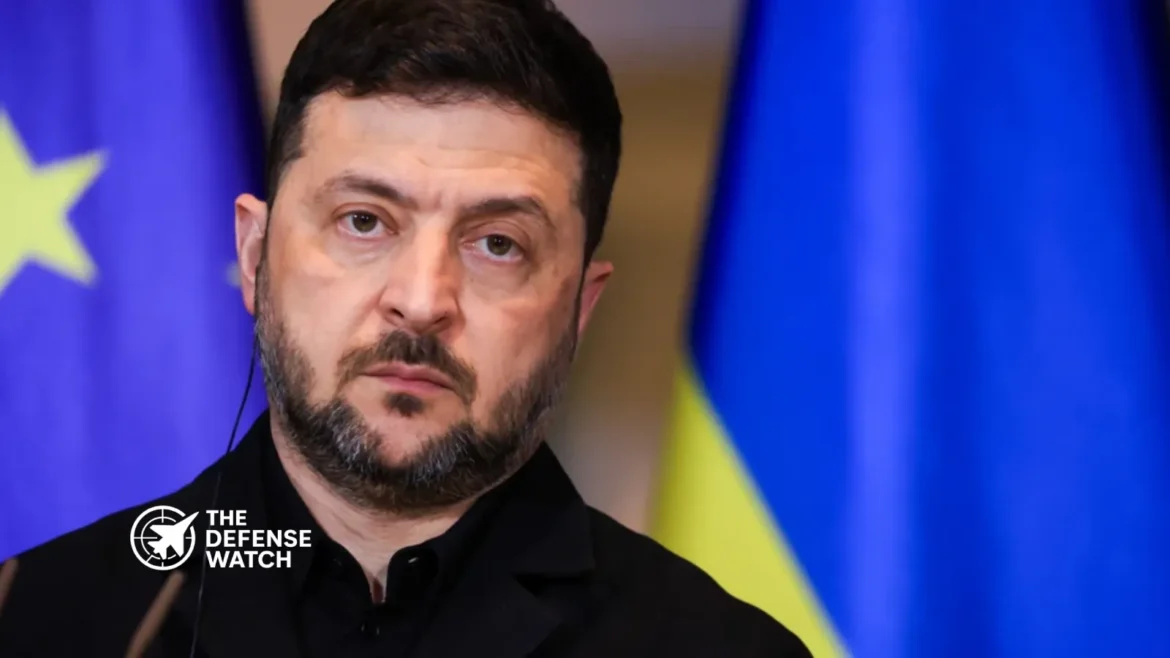
Ukrainian President Volodymyr Zelenskyy has revealed that he proposed the creation of a 3 million strong European army to European leaders last year, highlighting what he sees as a slow response to worsening security threats across the continent.
Speaking during an online press briefing on January 20, Zelenskyy said the idea has not moved forward since it was first raised. His remarks were reported by European Pravda, a Kyiv based news outlet closely covering Ukrainian government statements.
Zelenskyy Calls for European Military Unity
Zelenskyy said he presented the concept to multiple European leaders in 2025, arguing that Europe needs a unified armed force capable of deterring large scale aggression without relying solely on the United States.
According to Zelenskyy, a full year has passed since the proposal was raised, yet no concrete steps have been taken. He suggested that ongoing geopolitical shocks, including the war in Ukraine and broader instability along NATO’s eastern flank, could now force European leaders to reconsider the idea.
Strategic Context for a European Army Proposal
The proposal for a European army has surfaced periodically in policy debates, often tied to discussions on European strategic autonomy. France and Germany have previously supported deeper defense coordination, while other countries have raised concerns about sovereignty, command structure, and overlap with NATO.
Zelenskyy’s comments come as European governments increase defense spending and reassess force readiness. Several EU states are expanding ground forces, ammunition stockpiles, and air defense capabilities in response to Russia’s continued military operations in Ukraine.
NATO, Europe, and Ukraine’s Security Calculus
While Zelenskyy did not outline how a 3 million strong European army would be organized or funded, his remarks underscore Kyiv’s long standing push for stronger European defense commitments.
NATO remains the cornerstone of European security, but Zelenskyy’s proposal reflects growing debate over whether Europe can field a large scale, independent force capable of rapid response.

China Releases Video of Armed Cargo Ship Setting Sail
China has released footage showing a large cargo ship fitted with weapons systems departing port, in a move that highlights growing interest in militarizing merchant vessels as part of military civilian fusion strategy.
The video, shared on social media by China’s defense accounts, shows a modified Chinese merchant ship underway with visible military hardware installed on deck. The ship’s departure follows open-source images and reports of the vessel being fitted with missile launchers, radars and defensive guns in recent weeks.
What the Footage Shows
The released video presents a medium-sized cargo vessel moving under its own power, with superstructure and deck areas clearly showing hardware not typical of commercial ships. Analysts and observers say the ship includes vertical launching systems for missiles, multiple close-in weapon systems and advanced radar systems.
Military imagery and open-source reporting identify the vessel as the Zhongda 79, a civilian container ship that Chinese state and social media postings have shown being retrofitted at a Shanghai shipyard.
Context and Military Civilian Fusion
This development ties into a broader pattern of China experimenting with hybrid military and civilian platforms. Recent reporting noted containerized vertical launch cells, phased-array radars and defensive systems installed aboard merchant ships as part of tests and possible wartime conversion plans.
Some sources suggest China is also exploring the use of such platforms to support drone operations at sea by mounting launch systems typically used on warships.
Implications for Maritime Security
Naval analysts say converting or equipping merchant vessels with weapons systems blurs the line between commercial and military assets. In conflict scenarios this could complicate targeting and raise legal questions under international maritime law.
Beijing has not provided official details on the ship’s mission, weapon capabilities, or whether the voyage is a test, drill or operational deployment.
Regional and Strategic Relevance
The footage comes amid heightened maritime tensions in the Indo-Pacific, where China’s naval expansion and activities have drawn attention from regional states and the United States. The trend of integrating military systems into civilian platforms reflects China’s broader military modernization efforts over the past decade.
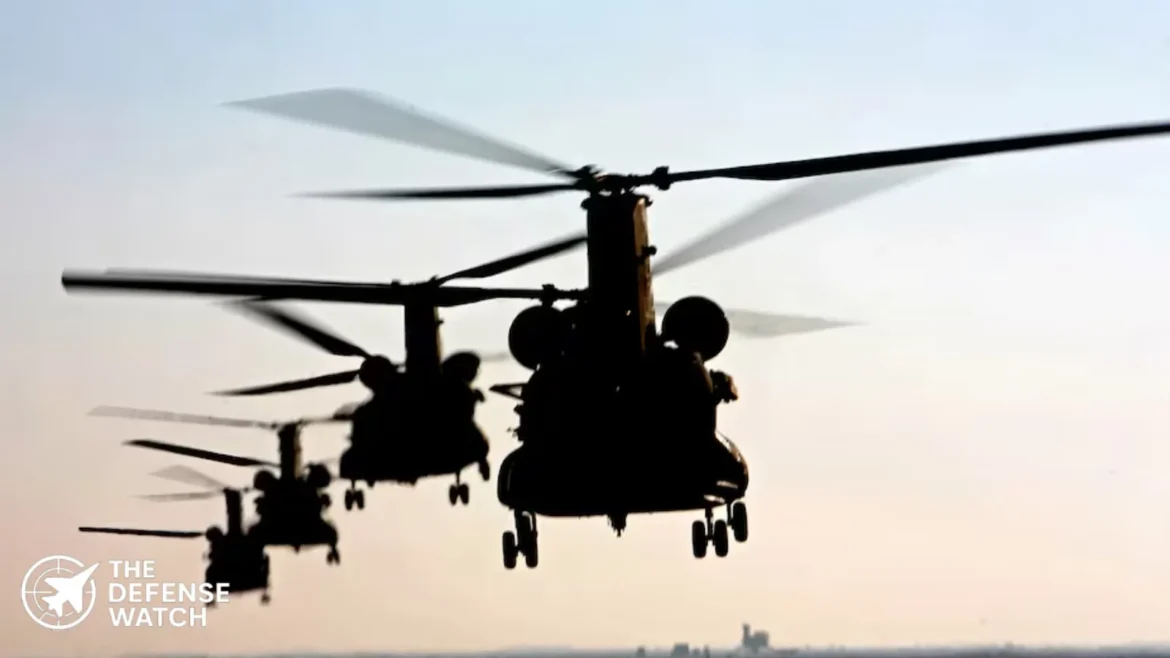
US withdrawal from Al Asad Airbase in Iraq is now complete, Iraqi officials and the Pentagon confirmed, marking the end of US operations at one of the country’s most significant military installations and signaling a further reduction in America’s on-the-ground presence.
The withdrawal reflects Washington’s ongoing shift from combat operations to advisory and support roles as Iraq continues to assert greater control over its security environment.
Pentagon Confirms Exit From Key Iraqi Base
Al Asad Airbase, located in Iraq’s western Anbar province, has been a central hub for US and coalition forces since 2014 during the campaign against the Islamic State group. The Pentagon confirmed that US forces have fully vacated the base and transferred remaining responsibilities to Iraqi security forces.
US Central Command declined to provide specific timelines or troop numbers tied to the departure, citing operational security. Defense officials emphasized that the move aligns with previously announced plans to streamline the US military presence in Iraq rather than representing a sudden policy shift.
Iraqi Officials Frame Withdrawal as Planned Transition
Iraqi defense and security officials described the US withdrawal from Al Asad Airbase as part of a coordinated transition agreed upon by both governments. Baghdad has increasingly pushed for a recalibration of the foreign military presence following years of domestic political pressure.
Iraqi authorities stressed that the Iraqi Air Force and ground units are prepared to assume full operational control of the base, which includes extensive infrastructure for air operations, logistics, and training.
US Military Presence in Iraq Continues Elsewhere
Despite the closure of Al Asad Airbase, the Pentagon confirmed that US forces remain in Iraq at other locations under bilateral agreements. The US military presence in Iraq continues to focus on intelligence sharing, counterterrorism coordination, and training missions.
Defense officials reiterated that American troops are no longer engaged in a direct combat role, instead supporting Iraqi forces in preventing a resurgence of extremist groups.
Strategic Implications for the Middle East
The US withdrawal from Al Asad Airbase underscores a broader recalibration of US force posture across the Middle East, as Washington balances regional commitments with global priorities. Analysts note that while the footprint is shrinking, the United States aims to maintain influence through partnerships rather than permanent basing.
Al Asad had previously been targeted by missile and rocket attacks, including Iran’s ballistic missile strike in January 2020, which heightened concerns about force protection and escalation risks.
Pentagon Emphasizes Ongoing Commitment
Pentagon officials stressed that the exit from Al Asad Airbase does not signal a full departure from Iraq. Instead, it reflects an evolution of the mission based on threat assessments and Iraqi capabilities.
The Department of Defense stated it will continue to evaluate force levels in coordination with Iraqi leaders, ensuring flexibility to respond to emerging security challenges.
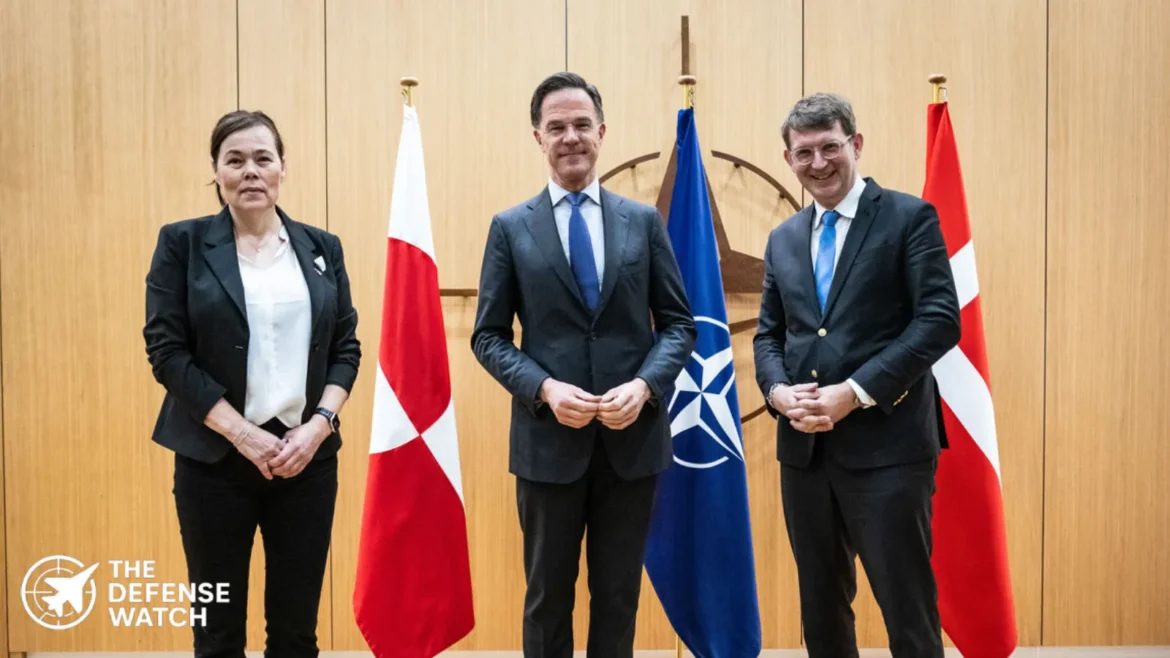
At NATO headquarters in Brussels on January 19 2026 NATO Secretary General Mark Rutte hosted Denmark’s Defence Minister Troels Lund Poulsen and Greenland’s Foreign Minister Vivian Motzfeldt in talks focused on Arctic security and the alliance’s collective defence posture in the High North.
Meeting Highlights
NATO Secretary General Mark Rutte met with senior officials from Denmark and Greenland at alliance headquarters in Brussels on January 19 to discuss strategic priorities in the Arctic region.
Participants included Denmark’s Defence Minister Troels Lund Poulsen and Greenland’s Foreign Minister Vivian Motzfeldt. The three leaders exchanged views on regional security trends and NATO’s role in deterring threats in the High North.
NATO remains focused on strengthening deterrence across all fronts including the Arctic. The alliance has increased its ability to deter and defend in the region and maintain persistent presence to support peace and stability and safeguard shared interests.
Focus On Collective Defense
The talks underscored the strategic importance of Greenland and the wider Arctic to the Alliance’s overall security posture. NATO officials noted that evolving global dynamics reinforce the need for strong cooperation among members to address emerging challenges.
Denmark has been investing in capabilities relevant to the Arctic environment. These include long range drones, maritime patrol aircraft and air to air refuelling assets along with advanced fighter aircraft.
Discussions also reflected broader regional efforts to align Nordic and NATO priorities on arctic security. In early January Nordic foreign ministers released a joint statement supporting greater deterrence and defence cooperation in the Arctic and reaffirming respect for territorial sovereignty and international law.
Strategic Context
The meeting comes against a backdrop of heightened global attention on Arctic security. Nations with interests in the High North continue to expand military activity and cooperation, and NATO has cited the region as part of its collective defence focus.
While NATO statements did not link the meeting to specific external pressures there is broader international discussion about the strategic significance of Greenland and the Arctic among allies. Decisions by Denmark to increase military activity in Greenland in 2026 reflect this context.
What NATO Says
According to NATO the meeting reaffirmed alliance commitments to work together to ensure necessary capabilities and readiness to respond to security challenges in all parts of the Euro Atlantic area.
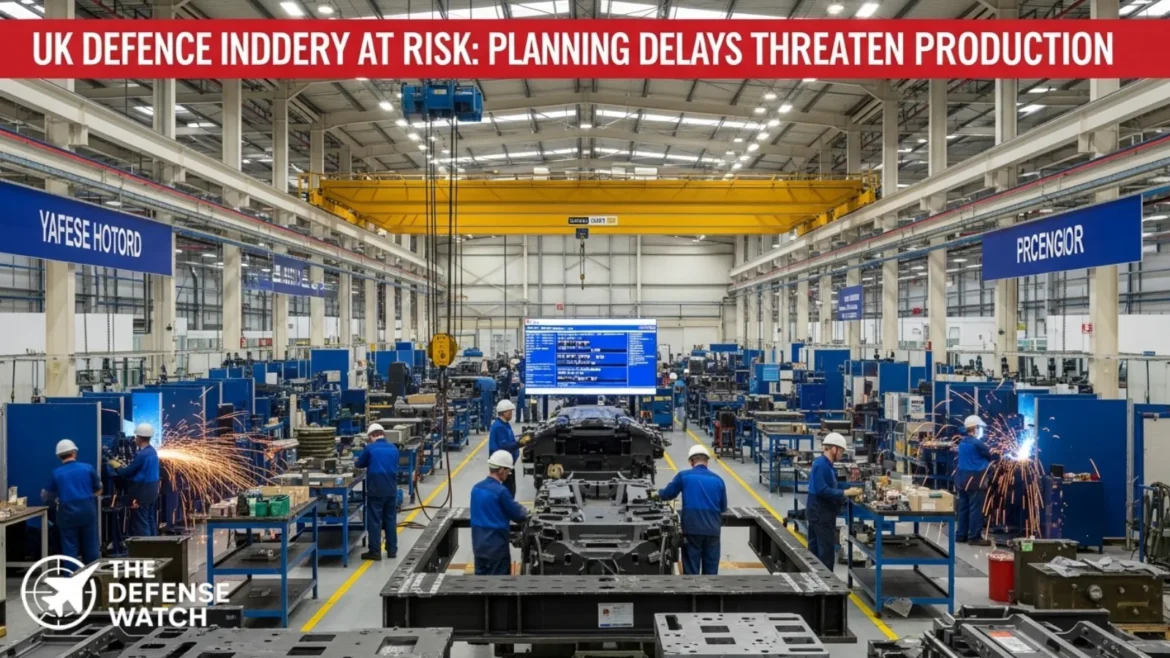
Delay in UK Defence Investment Plan Threatens Jobs, Skills
Trade union Unite has warned that further delays in the UK government’s Defence Investment Plan are putting thousands of defence jobs and specialised industrial skills at risk. The plan, originally expected last summer alongside the Strategic Defence Review, has been postponed multiple times and may now slip into March or later, according to union statements.
(adsbygoogle = window.adsbygoogle || []).push({});Unite represents a broad cross section of workers across the UK defence sector. The union says that uncertainty around defence spending commitments has made planning and investment difficult for employers and has increased the risk of job losses.
The group has also highlighted concerns that speculation about increased reliance on US-made equipment, rather than products built in the UK, is adding to industrial uncertainty and undermining domestic capability.
Union Urges Urgent Government Action
Unite general secretary Sharon Graham said the delay amounts to “an act of self-harm,” warning that businesses are “planning in the dark” and job losses may follow if the government does not act quickly. The union argues that previous pledges linking higher defence spending to jobs and innovation now need concrete follow-through.
In a letter to Prime Minister Keir Starmer, senior representatives from Leonardo and other major defence firms called for swift publication of the investment plan to safeguard jobs and industrial capabilities.
Risks to Industrial Skills and Sovereign Capability
Unite says that the continued uncertainty risks eroding highly specialised skills that are difficult to rebuild once lost. The union has called for confirmed commitments in several flagship programmes, including new Eurofighter Typhoon jets assembled in the UK with British engines and weapons, awarding the medium lift helicopter contract to Leonardo’s Yeovil facility, and retaining domestic production of the Skynet military satellite communications system.
Industry and political figures have also raised concerns over the broader impact of defence planning delays. Peers in the House of Lords recently criticised the slow progress of the investment plan and stressed that visible action is needed to maintain industry confidence.
(adsbygoogle = window.adsbygoogle || []).push({});Broader Defence Context
The UK defence investment plan is central to executing priorities set out in the Strategic Defence Review and to aligning future defence spending with industrial base renewal. Continued delay has been linked to internal government debates over affordability and procurement priorities. Independent sources have noted that the plan was expected before the end of 2025 but remains unpublished amid cost and policy reviews.
Industry concerns extend to specific programmes. For example, delays in contracts such as medium lift helicopters have put thousands of jobs at risk, with some firms warning of possible factory closures without confirmed orders.
Outlook
Unite is pressing for immediate publication of the Defence Investment Plan and for confirmed procurement decisions to give defence companies and workers the clarity they need. The union frames this as essential both for protecting jobs and for sustaining the UK’s sovereign defence capabilities.
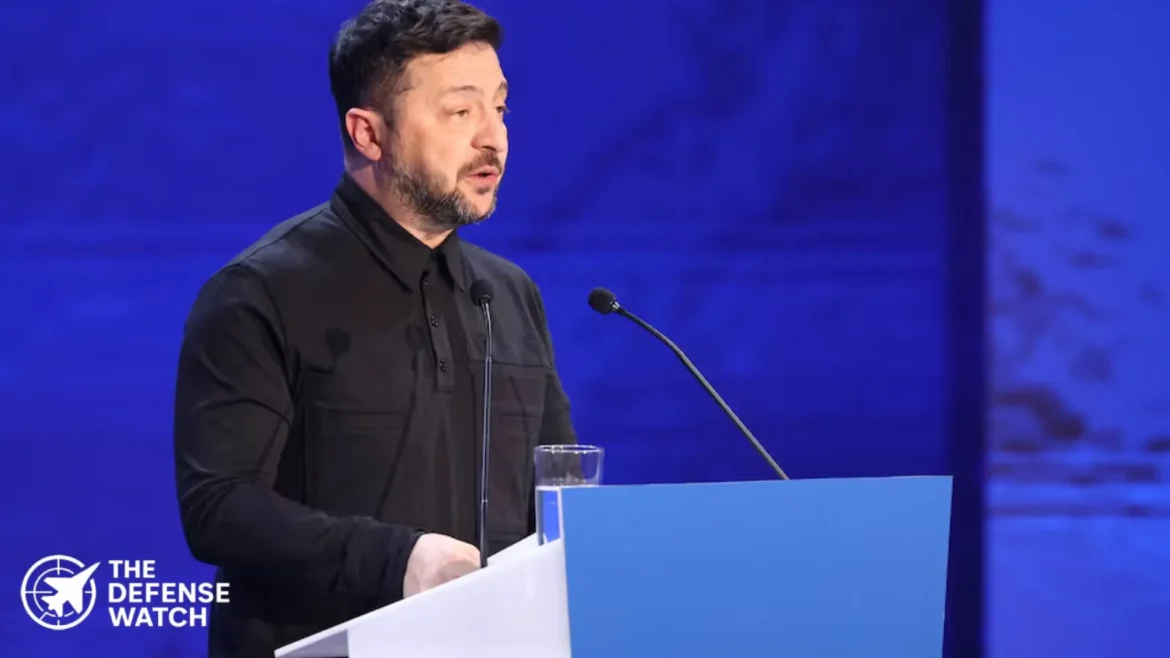
Ukraine Unveils New Air Defence System to Counter Russian Threats
Ukraine has announced a new air defence system that will use mobile fire groups and interceptor drones as part of a broader transformation of its air defence network, President Volodymyr Zelenskiy said in a televised address on January 19, 2026. Ukraine is pushing this effort as it prepares for what intelligence officials say could be another wave of Russian strikes on critical infrastructure.
(adsbygoogle = window.adsbygoogle || []).push({});Zelenskiy said the revamped system will place greater emphasis on small, mobile units that can rapidly respond to incoming threats and deploy interceptor drones and other short-range defence assets. The president described this shift as a “new approach” in how the Ukrainian Air Force applies its air defence capabilities.
The president also appointed Pavlo Yelizarov as deputy commander of the Air Force to oversee the development and implementation of the new air defence structure. Yelizarov is known for leading effective mobile defence units in recent operations.
Strategic Shift Toward Mobility and Drones
The updated air defence concept reflects Ukraine’s continued adaptation to Russian long-range missile and drone strikes that have targeted energy infrastructure, power grids, and residential areas in recent months. Russian attacks earlier this month severely damaged heating and electricity networks, leaving thousands of residents without essential services in winter conditions.
Ukraine has increasingly focused on domestically produced interceptor drones to supplement conventional air defence systems. These drones are designed to counter hostile unmanned aerial systems and fill gaps between longer-range systems and traditional anti-aircraft assets.
Zelenskiy highlighted the need for citizens and defence units to remain vigilant, saying intelligence indicates that Russia may be preparing for another large-scale strike. He urged regional authorities and emergency services to be ready to respond quickly to potential threats.
(adsbygoogle = window.adsbygoogle || []).push({});Broader Context and Allied Support
Ukraine’s call to strengthen air defences comes amid ongoing appeals to Western allies for additional systems, munitions, and technical support. Western nations have supplied a range of medium and long-range air defence platforms, but Kyiv maintains that evolving Russian tactics require flexible and layered defence solutions.
The introduction of mobile fire groups and interceptor drones is expected to increase flexibility and responsiveness, particularly against swarming drone attacks that can overwhelm fixed air defence sites. This layered approach aims to improve coverage and resilience across different threat vectors.
What Comes Next
The new system’s rollout will depend on training, integration with existing radar and command networks, and continued production of interceptor drones. Ukraine’s defence leadership plans to refine tactics in response to both domestic industry output and battlefield needs.