Executive Summary:
Kratos Defense & Security Solutions plans to increase production of its XQ-58A Valkyrie unmanned combat aircraft to approximately 18 aircraft in 2027. The planned expansion supports deliveries for the U.S. Marine Corps, Taiwan, and additional overseas customers while reflecting growing demand for affordable collaborative combat aircraft capable of operating alongside manned fighters.
Kratos Expands XQ-58A Valkyrie Production As Demand Accelerates
Kratos Defense & Security Solutions is preparing a significant increase in XQ-58A Valkyrie production after company executives confirmed plans to manufacture approximately 18 aircraft during 2027. The production target reflects expanding orders from the U.S. Marine Corps, Taiwan, and other international customers while highlighting the growing importance of affordable autonomous aircraft in modern military operations.
The production outlook was outlined by Kratos leadership during its latest financial update and follows continued investment in manufacturing capacity for the Valkyrie family. The company has positioned the aircraft as a low-cost, runway-independent platform capable of supporting a wide range of intelligence, strike, and collaborative combat missions.
Production Capacity Continues To Expand
Kratos has steadily transitioned the XQ-58A from an experimental demonstrator into a production-ready aircraft intended for operational use.
According to company officials, approximately 18 Valkyrie aircraft are expected to be produced during 2027, representing another step in scaling manufacturing after several years of development, testing, and customer evaluations.
The planned production increase reflects confidence that demand for autonomous combat aircraft will continue to grow among U.S. and allied militaries seeking lower-cost force multipliers.
Unlike traditional fighter aircraft programs that require years to expand production capacity, the Valkyrie was designed from the outset to emphasize affordability, rapid manufacturing, and simplified logistics.
U.S. Marine Corps Continues Valkyrie Development
One of the primary recipients of future Valkyrie production is the U.S. Marine Corps, which has been evaluating the aircraft for expeditionary operations.
The Marine Corps is exploring autonomous aircraft capable of supporting distributed operations across the Indo-Pacific, where long distances and contested environments create significant operational challenges.
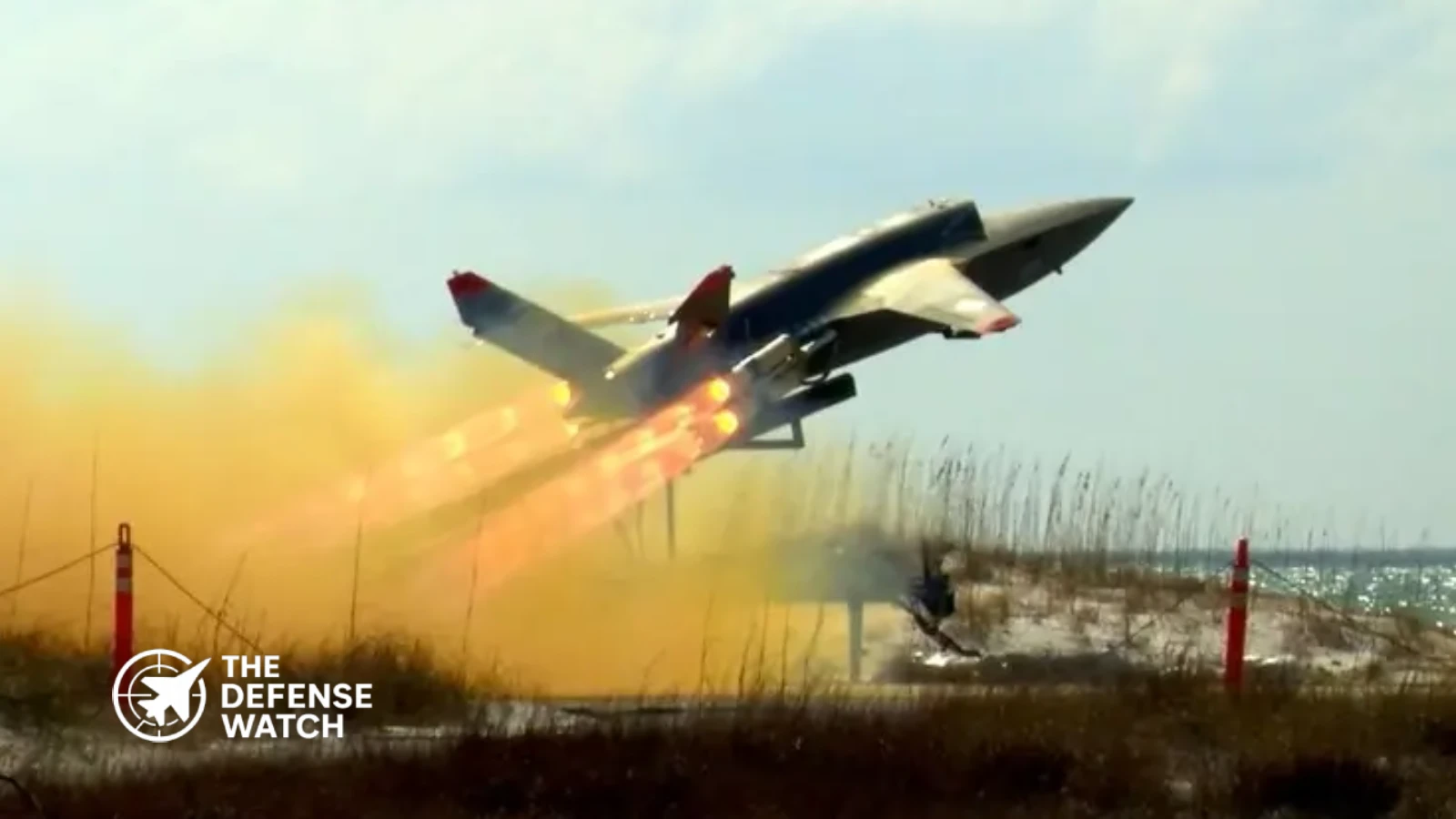
The XQ-58A’s ability to launch without conventional runways aligns closely with the Marine Corps’ Expeditionary Advanced Base Operations (EABO) concept, allowing unmanned aircraft to operate from dispersed locations while reducing dependence on large air bases.
Potential mission areas include:
- Intelligence, surveillance, and reconnaissance (ISR)
- Electronic warfare
- Communications relay
- Precision strike
- Decoy operations
- Loyal wingman support for manned aircraft
Taiwan Becomes A Key International Customer
Taiwan represents another important customer driving production growth.
The island has increasingly invested in asymmetric defense capabilities designed to strengthen deterrence while complicating potential military operations by adversaries.
Affordable autonomous aircraft offer several operational advantages, including:
- Rapid deployment
- Lower procurement costs
- Reduced pilot risk
- High operational flexibility
- Distributed force structure
For Taiwan, collaborative combat aircraft could complement existing fighter fleets while providing additional reconnaissance and strike capacity during high-intensity operations.
International Demand Continues To Increase
Kratos also indicated that additional overseas customers are contributing to future production requirements.
While not all international operators have been publicly identified, interest in autonomous combat aircraft has expanded rapidly as governments seek cost-effective alternatives to purchasing larger fleets of traditional fighters.
Many allied nations are now pursuing collaborative combat aircraft programs to complement fifth-generation fighters rather than replace them.
This trend mirrors broader modernization efforts across NATO and Indo-Pacific partners focused on combining crewed aircraft with increasingly capable autonomous systems.
XQ-58A Valkyrie At A Glance
Specification Details Manufacturer Kratos Defense & Security Solutions Aircraft Type Unmanned Combat Air Vehicle (UCAV) Primary Role Collaborative Combat Aircraft (CCA) Launch Method Rocket-assisted launch Recovery Parachute landing system Designed For ISR, strike, electronic warfare, loyal wingman missions Primary Customers U.S. military and international partners Why The Valkyrie Matters To U.S. Defense Strategy
The expansion of Valkyrie production reflects a broader shift occurring across U.S. military aviation.
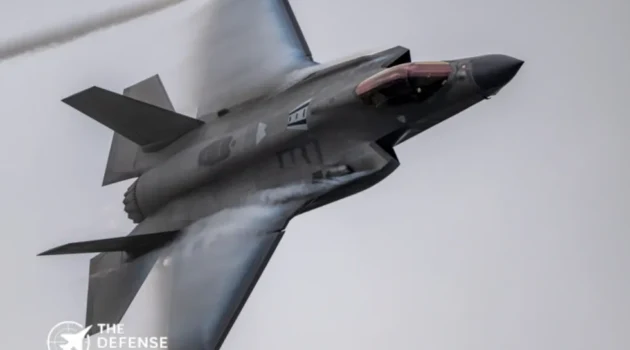
Rather than relying exclusively on increasingly expensive crewed fighters, the Department of Defense is investing heavily in autonomous aircraft capable of working alongside platforms such as the F-35 Lightning II, F-22 Raptor, and future Next Generation Air Dominance (NGAD) systems.
Collaborative combat aircraft are expected to assume higher-risk missions that would otherwise expose pilots to advanced air defenses.
Potential operational roles include:
- Forward reconnaissance
- Electronic attack
- Suppression of enemy air defenses
- Decoy operations
- Additional missile carriage
- Communications networking
By distributing missions across multiple autonomous aircraft, commanders gain greater operational flexibility while reducing the overall cost of generating combat mass.
Manufacturing Scale Becomes A Strategic Advantage
One of the most significant aspects of Kratos’ announcement is not simply the aircraft itself but the ability to manufacture it at increasing scale.
Traditional fighter aircraft often require complex production lines, specialized suppliers, and lengthy delivery schedules.
The Valkyrie was intentionally designed with affordability and manufacturability as core requirements. That approach allows production capacity to expand more rapidly than conventional combat aircraft while lowering acquisition costs for customers.
As defense planners increasingly emphasize inventory depth alongside technological superiority, manufacturing capacity itself has become a strategic capability.
Growing Importance In The Indo-Pacific
The Indo-Pacific remains the primary region driving investment in collaborative combat aircraft.
Military planners expect future operations across vast maritime distances where autonomous aircraft can extend sensor coverage, distribute weapons, and increase survivability for crewed aircraft.
The U.S. Marine Corps’ interest, combined with Taiwan’s procurement efforts, illustrates how autonomous systems are becoming integrated into regional deterrence strategies rather than serving solely as experimental technologies.
As additional allied nations pursue similar capabilities, production scalability is likely to become an increasingly important competitive advantage for manufacturers capable of delivering operational aircraft quickly.
Outlook
Kratos’ plan to manufacture approximately 18 XQ-58A Valkyrie aircraft during 2027 marks another milestone in the transition of autonomous combat aircraft from prototype programs to operational fleets.
While production numbers remain modest compared with traditional aircraft programs, the expansion demonstrates growing confidence among U.S. and allied defense organizations that collaborative combat aircraft will play a central role in future air operations.
For the U.S. Marine Corps, Taiwan, and other international customers, the Valkyrie offers a combination of affordability, operational flexibility, and scalable production that aligns with evolving military requirements for contested environments.