UK F-35B Procurement Reaches First Major Milestone
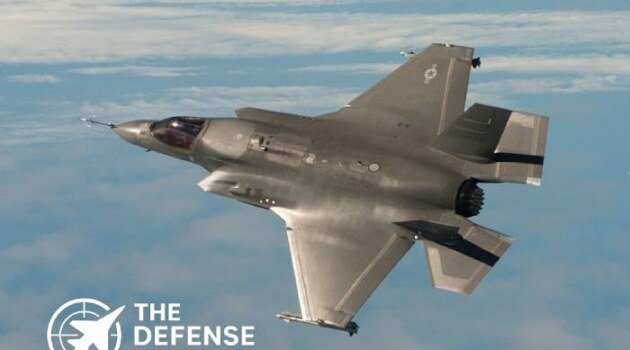
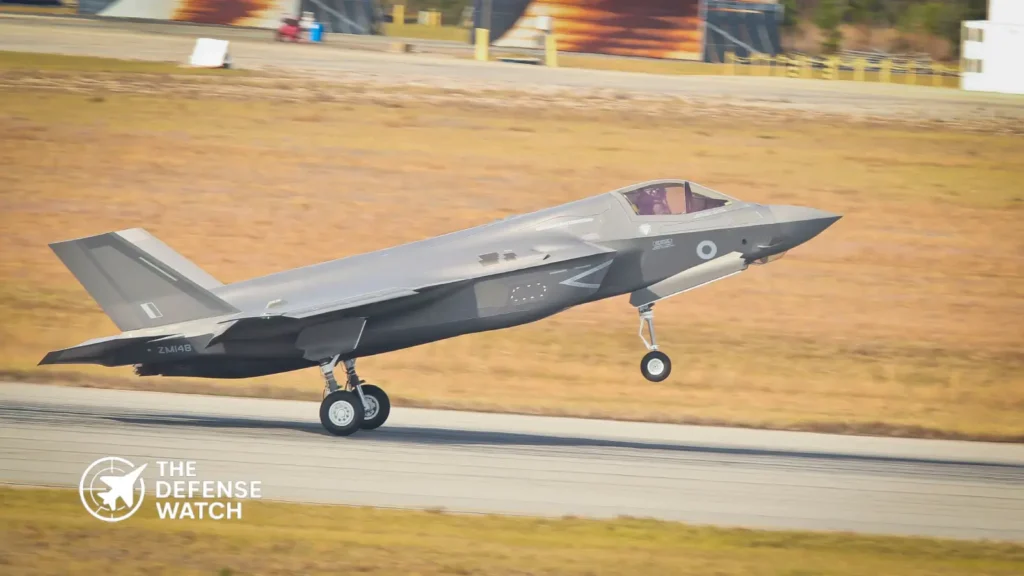
UK F-35B procurement has entered a new phase after the delivery of the 46th, 47th and 48th aircraft, completing Britain’s first contracted batch of fifth-generation fighters. The milestone marks the end of the initial acquisition phase for the Royal Air Force and Royal Navy Lightning Force.
- The United Kingdom has received aircraft numbers 46, 47 and 48, completing its initial F-35B procurement phase.
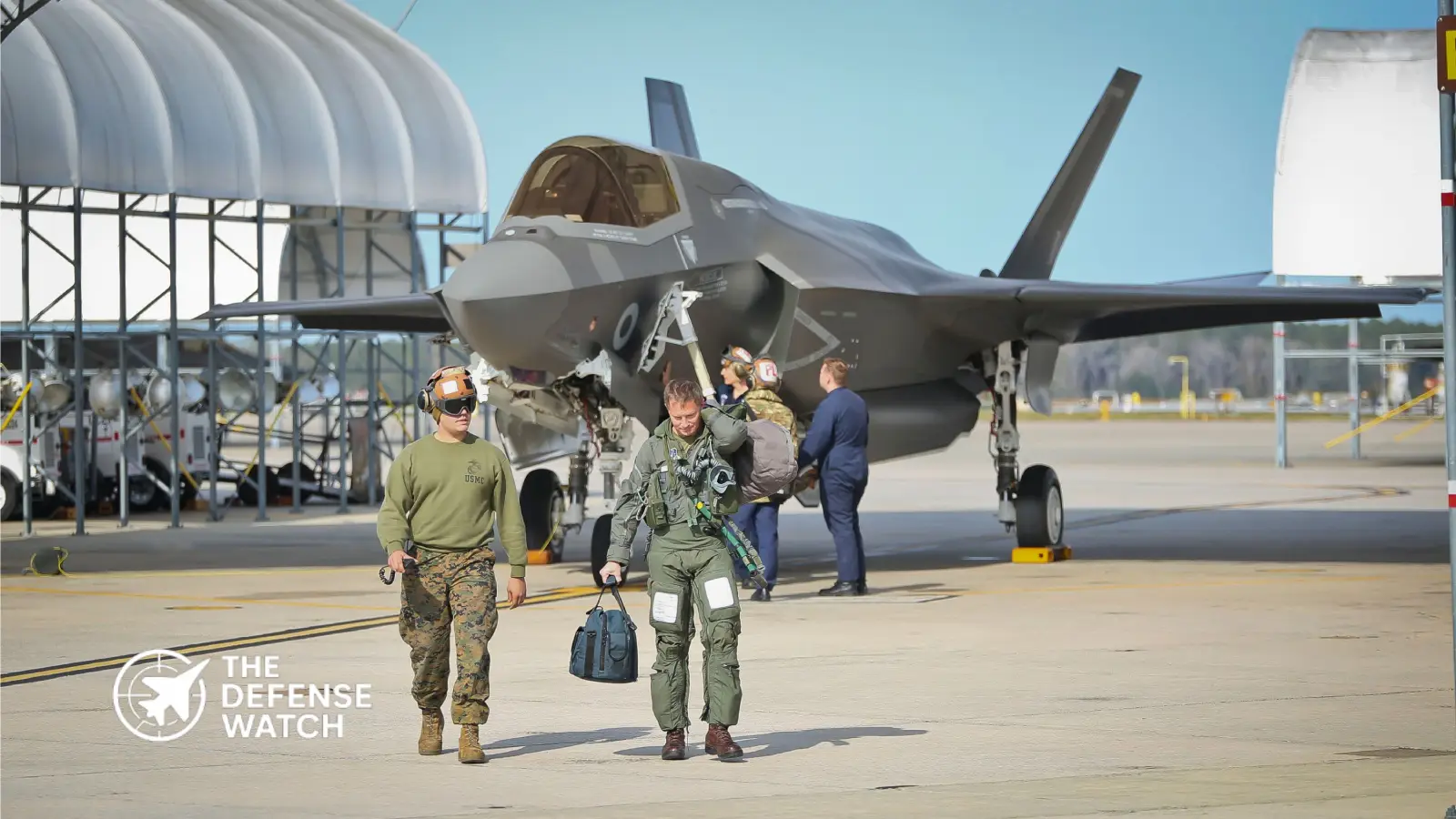
- The three jets arrived at RAF Marham, home of Britain’s Lightning Force.
- The F-35B is jointly operated by the Royal Air Force and Royal Navy for land and carrier operations.
- London still states a long-term goal of acquiring up to 138 F-35 aircraft.
- No confirmed timetable has been announced for purchases beyond the first 48 jets.
The aircraft were delivered to RAF Marham in Norfolk, the main operating base for the UK fleet. Britain’s F-35B force is jointly manned by the RAF and Royal Navy and forms the core of the country’s carrier air wing aboard the Queen Elizabeth-class aircraft carriers.
Why The F-35B Matters To Britain
The F-35B variant is the short takeoff and vertical landing model designed for operations from smaller decks and austere runways. That makes it essential to UK carrier strike operations because Britain’s aircraft carriers were built without catapult launch systems.
In practical terms, the jet gives London a modern stealth aircraft able to deploy from sea without relying on foreign bases. That provides political flexibility during crises and supports NATO maritime operations in Europe, the Mediterranean, and beyond.
For the United States and allied planners, Britain’s F-35B fleet is also valuable because it adds another carrier-capable fifth-generation force that can integrate with U.S. Marine Corps and NATO air assets.
Procurement Complete, But Bigger Questions Remain
While the first phase of UK F-35B procurement is now complete, future numbers remain unresolved. Successive British governments have maintained a headline ambition of 138 F-35 aircraft over the life of the program, but no firm contract has yet been announced for the next batch.

Image Source: Royal Air Force That matters because fleet size determines operational tempo. A carrier may deploy 24 or more aircraft during high-end operations, but training, maintenance cycles, and homeland requirements reduce the number available at any given time.
A fleet of 48 delivered aircraft, with one previously lost in a 2021 crash, gives Britain meaningful capability, but limited depth for sustained simultaneous operations.
Upgrade Delays Could Shape Combat Value
Another issue is software modernization. Wider F-35 Block 4 upgrades are needed for expanded weapons integration and future capability growth. British weapons such as Meteor air-to-air missiles and SPEAR 3 precision strike weapons are tied to that roadmap.
That means future combat power depends not only on buying more jets, but on receiving timely upgrades, weapons clearance, and sustainment support.
Strategic Outlook
The completion of the first UK F-35B procurement phase is a clear achievement for London, but it is also a decision point. Britain must now choose whether to expand its carrier air wings, diversify with more land-based fighters, or shift resources toward future programs such as GCAP.
For now, the delivery of jet number 48 confirms that the UK remains one of the leading non-U.S. operators of the F-35 and a key contributor to NATO airpower.
Get real time update about this post category directly on your device, subscribe now.