U.S. Air Force F-16 Integration Expands Strike Flexibility
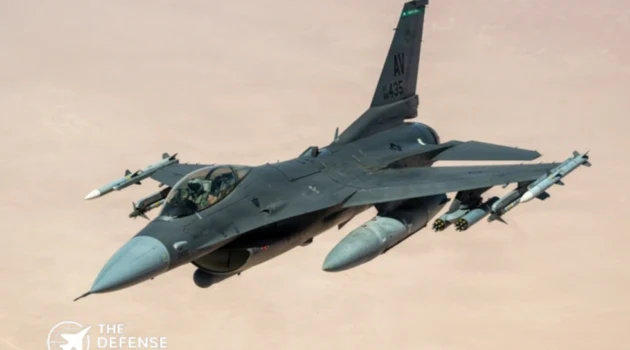
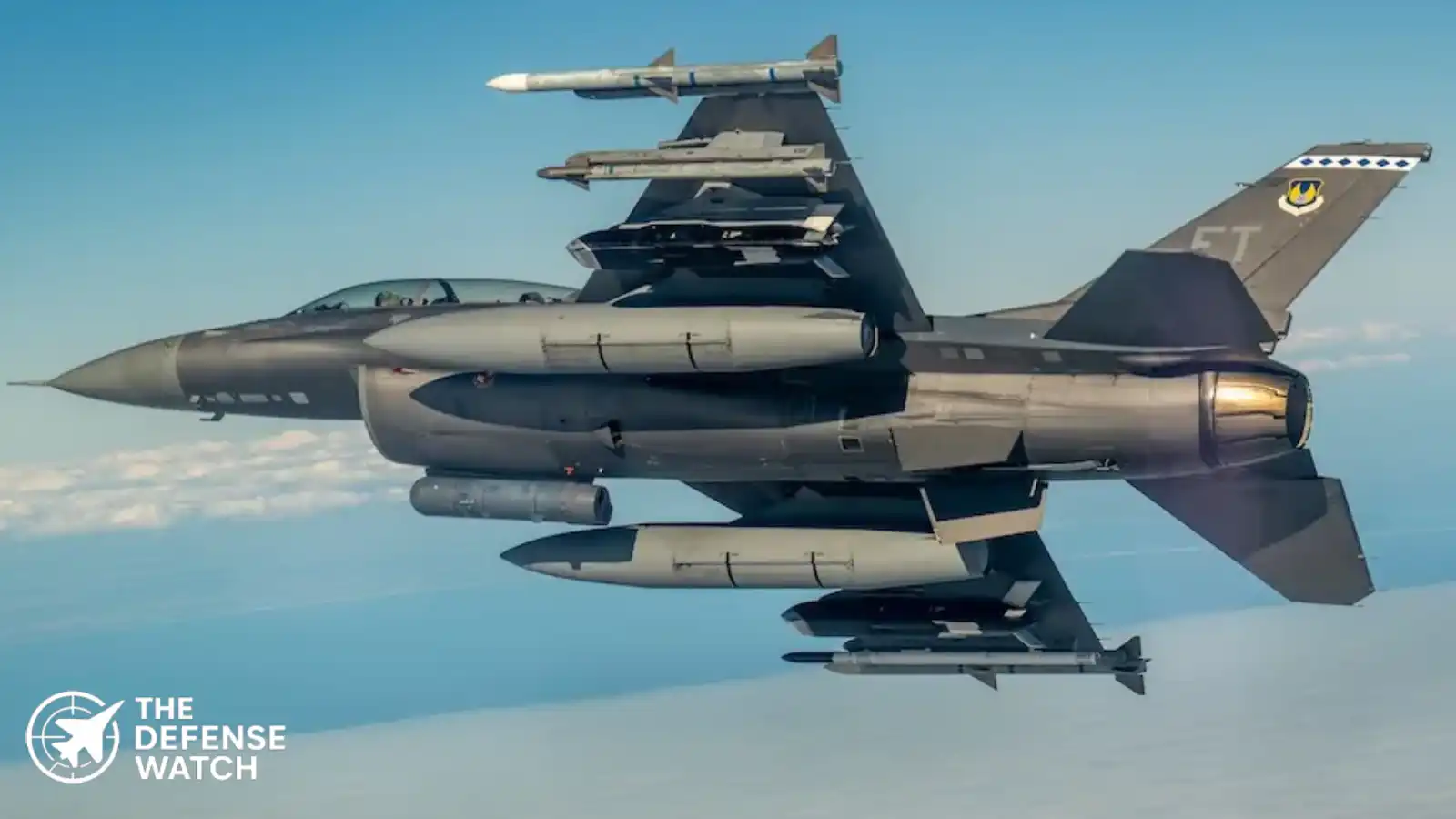
The U.S. Air Force F-16 has successfully undergone rapid integration work for a new munition, according to reporting from Defence Industry Europe. The effort underscores how the service continues to modernize proven fighter fleets through accelerated weapons testing rather than relying only on new aircraft procurement.
- U.S. Air Force test teams rapidly integrated a new munition onto the F-16 platform.
- Work focused on software, carriage, release, and compatibility testing.
- Faster integration improves combat flexibility during high demand operations.
- F-16 remains one of the most widely used U.S. and allied fighter aircraft.
- Upgrade shows legacy fighters can gain new capability without waiting for new airframes.
The Big Picture
The U.S. military faces simultaneous pressure to sustain readiness in Europe, the Middle East, and the Indo-Pacific. That environment has increased demand for adaptable aircraft that can carry multiple weapon types with minimal delay.
The F-16 remains central to that strategy. While fifth-generation fighters receive most public attention, large numbers of F-16s still perform air defense, close air support, suppression of enemy air defenses, and precision strike missions. Rapidly adding new munitions gives commanders more options at lower cost.
What’s Happening
The source report states that a U.S. Air Force test team completed fast-paced work to integrate a new munition with the F-16. Such programs usually involve several stages:
- Aircraft software updates
- Flight safety certification
- Carriage and separation testing
- Weapon guidance interface checks
- Live or simulated release trials
- Operational suitability reviews
These steps are essential because even capable weapons require platform-specific validation before frontline use.
The Air Force often conducts this work through developmental test units in partnership with industry and operational squadrons.
Why It Matters
Weapons integration speed can matter as much as aircraft performance. A fighter with an open, adaptable architecture can adopt new weapons faster than one requiring long redesign cycles.
That gives the F-16 three major advantages:
1. Lower-cost modernization
Adding weapons can extend service life without buying entirely new aircraft.2. Mission flexibility
Units can tailor loadouts for air defense, bunker strike, maritime attack, or battlefield interdiction.3. Allied interoperability
Many partner nations operate F-16 fleets. Once a weapon is integrated and approved, export users may eventually pursue similar upgrades.Strategic Implications
The F-16 still serves in U.S. Air National Guard units, active-duty formations, aggressor roles, and foreign military fleets. Any new munition integrated onto the aircraft potentially strengthens coalition airpower.
In Europe, upgraded F-16 fleets improve NATO depth and readiness. In the Middle East, they offer responsive strike capability with established logistics chains. In the Indo-Pacific, dispersed air operations favor aircraft with broad weapons compatibility and mature sustainment networks.
Rapid integration also signals that the Pentagon wants shorter acquisition cycles. That trend reflects lessons learned from recent conflicts where battlefield needs evolve faster than traditional procurement timelines.
Competitor View
China and Russia closely monitor U.S. efforts to improve legacy aircraft lethality. Both countries invest in layered air defenses, electronic warfare, and long-range missiles designed to complicate Western air operations.
A more flexible F-16 armed with modern stand-off or precision munitions complicates that planning. It means adversaries must account not only for stealth aircraft, but also for large fleets of upgraded fourth-generation fighters carrying effective weapons.
Regional rivals in other theaters may draw the same conclusion.
What To Watch Next
Several next steps will determine the program’s long-term value:
- Operational squadron fielding timelines
- Whether allied F-16 users adopt the same weapon
- Additional software block upgrades
- Integration with targeting pods and data links
- Production rates for the munition itself
If rollout occurs quickly, the F-16 could gain near-term combat relevance beyond previously planned timelines.
Capability Gap
The core weakness this kind of program addresses is inventory lag. Aircraft often remain in service longer than their original weapons architecture anticipated.
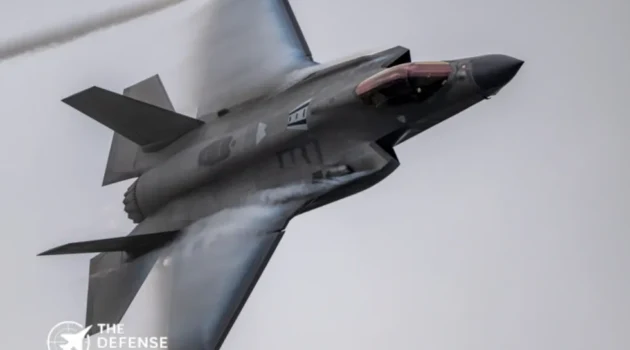
Rapid integration closes the gap between available aircraft and emerging weapons. It also helps offset limited numbers of newer fighters such as the F-35.
A realistic limitation remains survivability in heavily defended airspace. Even with advanced weapons, non-stealth aircraft still require tactics, escort support, electronic warfare, or stand-off employment.
The Bottom Line
Rapidly arming the F-16 with new munitions shows the U.S. Air Force can generate meaningful combat power now, not years from now.