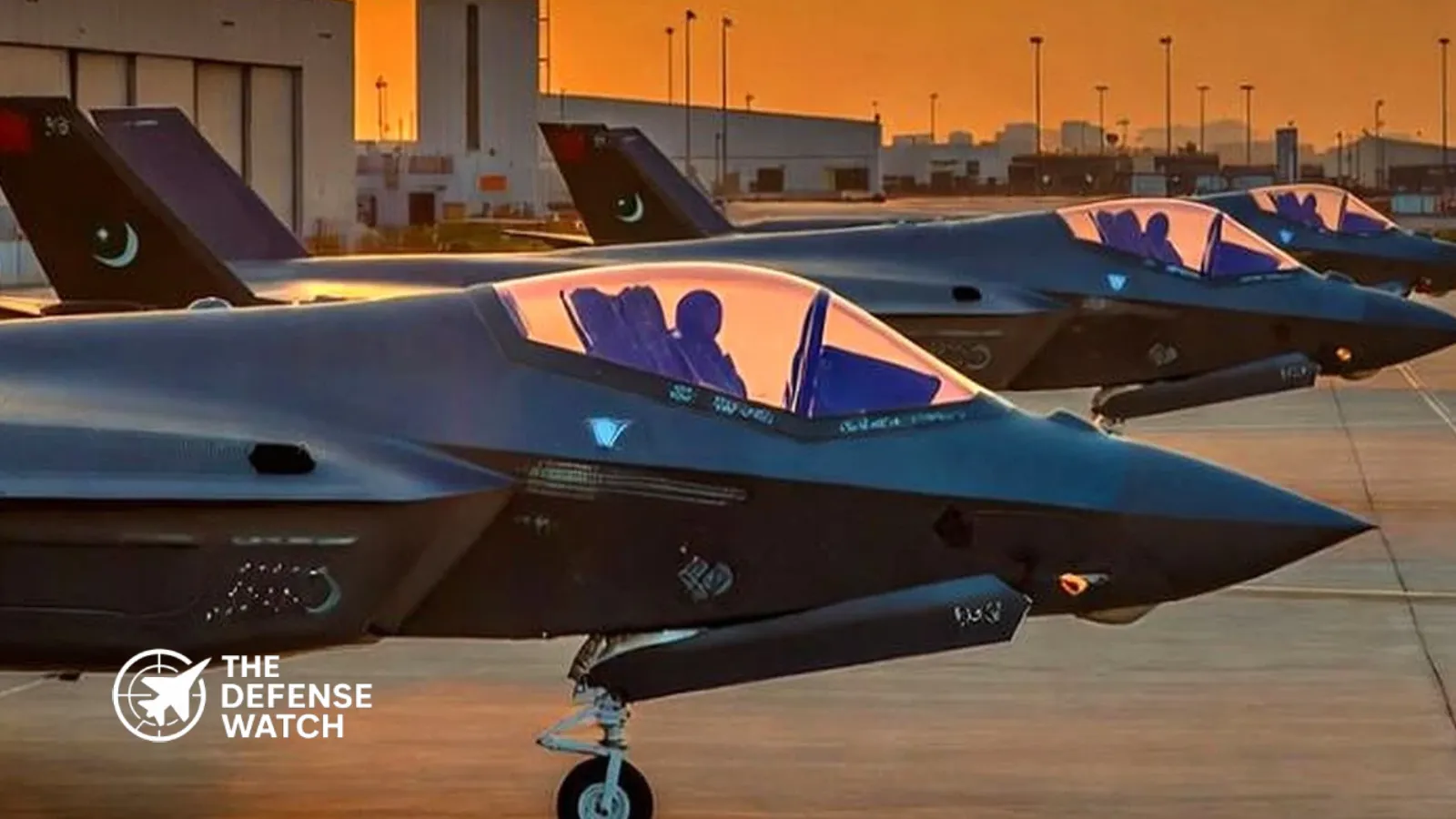
- Viral social media claims in late March 2026 alleged that the Pakistan Air Force (PAF) received its first batch of six J-35 stealth fighters from China.
- Defense sources and senior officials have categorically rejected the reports, stating no official announcement, photographs, or supporting airfield activity exists.
- The earliest possible delivery window for J-35 aircraft to Pakistan remains 2027, according to officials familiar with the program.
- Pakistan signed a framework agreement in principle for up to 40 J-35A export variants following talks in Beijing in June 2025, potentially making Islamabad the first export customer.
- Pakistan’s Defence Minister Khawaja Asif previously dismissed similar speculation as “only in the media.”
Pakistan J-35 Stealth Jet Claims Remain Unverified
The Pakistan Air Force has not taken delivery of any J-35 stealth fighter jets from China, according to defense sources familiar with the program.
Reports circulating on social media in late March 2026 claimed that the PAF had received an initial batch of six aircraft. These assertions, amplified by some regional media outlets, included unverified videos and posts but lacked any official confirmation from PAF headquarters or Pakistan’s Ministry of Defence.
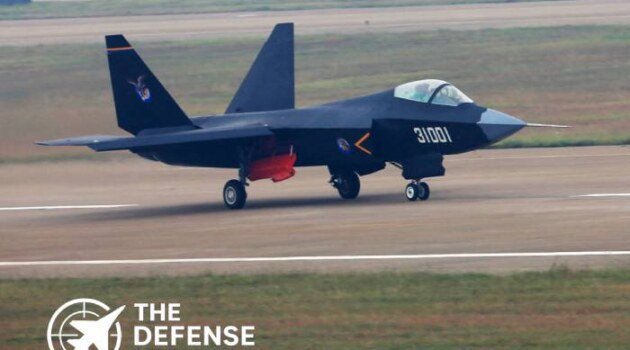
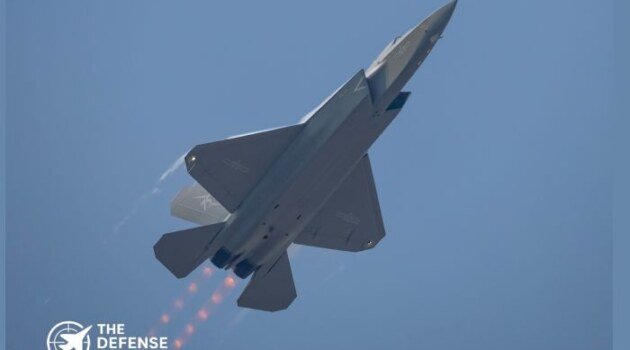
Senior officials told local defense correspondents that the earliest realistic delivery timeline for the J-35 remains 2027 at best. The Shenyang J-35, a twin-engine fifth-generation platform developed from the FC-31/J-31 program, entered limited series production for China’s People’s Liberation Army Air Force and Navy in late 2025.
Background on the Proposed Acquisition
Pakistan and China have maintained close defense ties for decades, with collaborative projects including the JF-17 Thunder multirole fighter. In June 2025, following high-level talks in Beijing, Pakistan’s government referenced an offer that included up to 40 J-35A export-variant stealth aircraft, alongside other systems such as the KJ-500 airborne early warning and control platform and HQ-19 air defense systems.
Defence Minister Khawaja Asif addressed similar speculation in mid-2025, describing it as “only in the media” during an interview. No formal contract signing has been publicly confirmed by either government, though preparatory activities—including potential pilot training—have been reported in defense circles.
If realized, the acquisition would mark Pakistan’s entry into fifth-generation fighter operations and position Islamabad as the first export customer for the J-35 platform. The aircraft is designed for low-observable penetration of contested airspace, equipped with advanced avionics, internal weapons bays, and multirole capabilities.
Current PAF Fleet Context
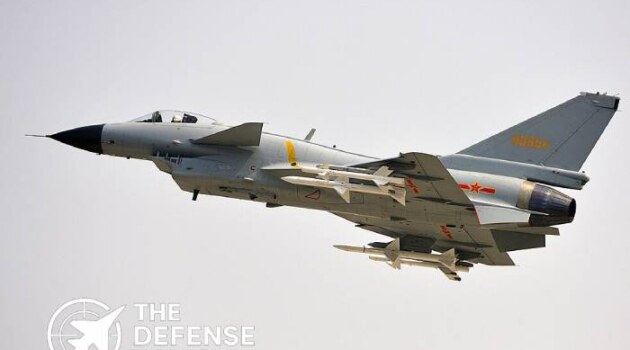
The Pakistan Air Force operates approximately 450 combat aircraft. Key assets include around 76 F-16 fighters in multiple variants, more than 180 JF-17 Thunder aircraft co-produced with China, a growing number of J-10CE multirole fighters inducted since 2022, and aging Mirage III and V platforms approaching the end of their service lives.
Introduction of a stealth platform would represent a significant qualitative upgrade, enabling improved survivability against advanced integrated air defense systems in the region. However, operational integration would require substantial investments in infrastructure, training, maintenance, and logistics.
Strategic Implications for Regional Air Power
A successful J-35 induction would contribute to evolving air power dynamics in South Asia. India has expanded its own capabilities with Rafale fighters and continues development of indigenous platforms, including the Advanced Medium Combat Aircraft program.
For Pakistan, the J-35 would complement existing Chinese-origin systems and address requirements for deep-strike and contested-environment operations. Analysts note that any such capability would form part of a broader layered approach potentially including improved airborne early warning and surface-to-air defenses.
However, challenges remain. Engine reliability concerns have surfaced in testing of carrier-based J-35 variants for the Chinese Navy. Export versions may incorporate modifications, but performance data for the specific configuration offered to Pakistan is limited in open sources.
Analysis: Tempering Expectations Amid Ongoing Modernization
The repeated pattern of unverified claims followed by official denials underscores the need for caution in assessing defense procurement timelines. Pakistan’s air force modernization proceeds steadily through proven platforms like the JF-17 Block III and J-10CE, while fifth-generation ambitions face technical, financial, and industrial hurdles common to new platforms.
At present, no evidence supports claims of operational J-35 aircraft in PAF service. Delivery expectations cited by officials align with realistic production and integration schedules for a complex stealth fighter. Future developments will likely depend on final contract terms, funding arrangements, and progress in China’s own J-35 production ramp-up.
TheDefenseWatch will continue monitoring authoritative statements from Islamabad and Beijing for confirmed milestones.