- Viral social media claims in late March 2026 alleged that the Pakistan Air Force (PAF) received its first batch of six J-35 stealth fighters from China.
- Defense sources and senior officials have categorically rejected the reports, stating no official announcement, photographs, or supporting airfield activity exists.
- The earliest possible delivery window for J-35 aircraft to Pakistan remains 2027, according to officials familiar with the program.
- Pakistan signed a framework agreement in principle for up to 40 J-35A export variants following talks in Beijing in June 2025, potentially making Islamabad the first export customer.
- Pakistan’s Defence Minister Khawaja Asif previously dismissed similar speculation as “only in the media.”
Pakistan J-35 Stealth Jet Claims Remain Unverified
The Pakistan Air Force has not taken delivery of any J-35 stealth fighter jets from China, according to defense sources familiar with the program.
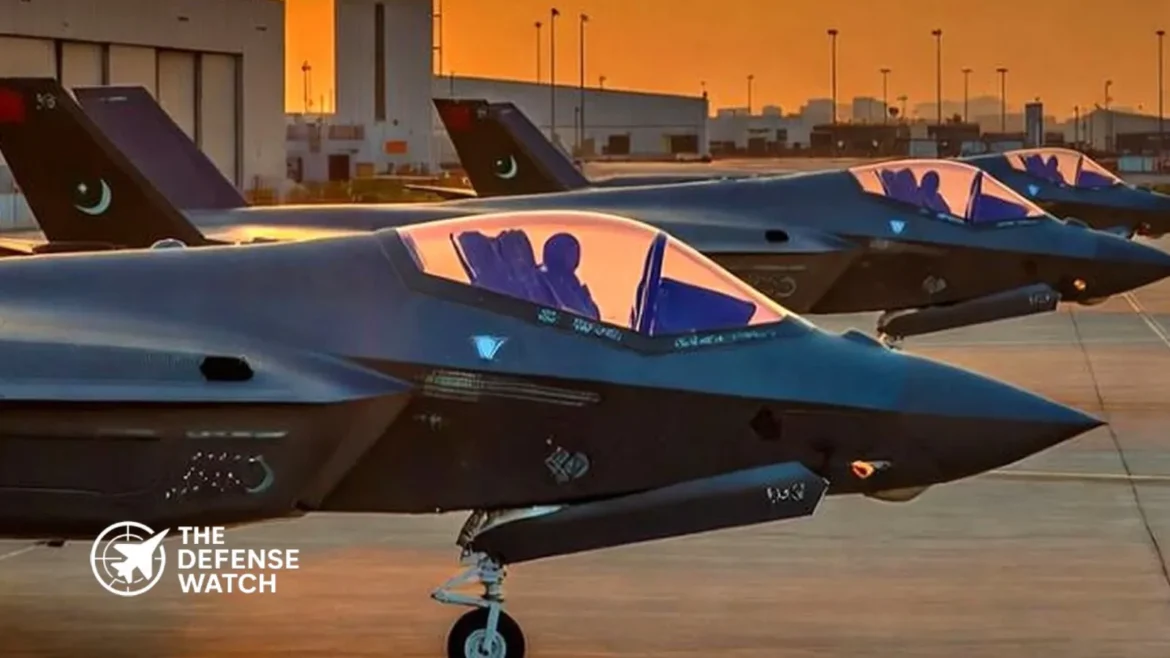
Reports circulating on social media in late March 2026 claimed that the PAF had received an initial batch of six aircraft. These assertions, amplified by some regional media outlets, included unverified videos and posts but lacked any official confirmation from PAF headquarters or Pakistan’s Ministry of Defence.
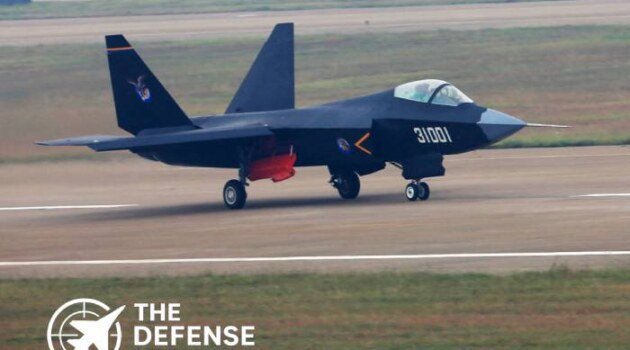
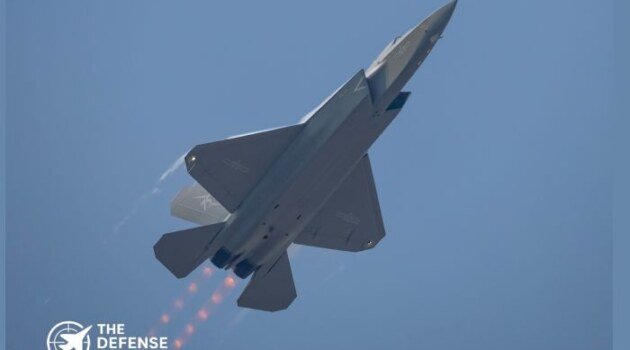
Senior officials told local defense correspondents that the earliest realistic delivery timeline for the J-35 remains 2027 at best. The Shenyang J-35, a twin-engine fifth-generation platform developed from the FC-31/J-31 program, entered limited series production for China’s People’s Liberation Army Air Force and Navy in late 2025.
Background on the Proposed Acquisition
Pakistan and China have maintained close defense ties for decades, with collaborative projects including the JF-17 Thunder multirole fighter. In June 2025, following high-level talks in Beijing, Pakistan’s government referenced an offer that included up to 40 J-35A export-variant stealth aircraft, alongside other systems such as the KJ-500 airborne early warning and control platform and HQ-19 air defense systems.
Defence Minister Khawaja Asif addressed similar speculation in mid-2025, describing it as “only in the media” during an interview. No formal contract signing has been publicly confirmed by either government, though preparatory activities—including potential pilot training—have been reported in defense circles.
If realized, the acquisition would mark Pakistan’s entry into fifth-generation fighter operations and position Islamabad as the first export customer for the J-35 platform. The aircraft is designed for low-observable penetration of contested airspace, equipped with advanced avionics, internal weapons bays, and multirole capabilities.
Current PAF Fleet Context
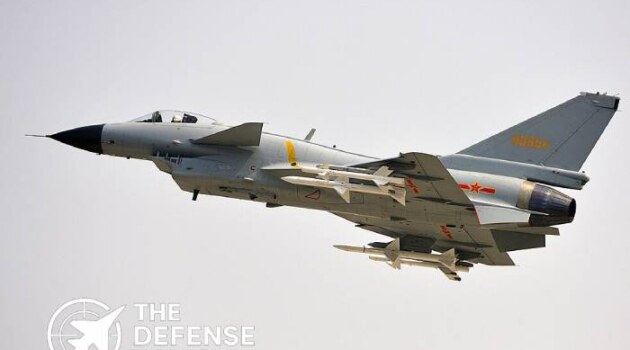
The Pakistan Air Force operates approximately 450 combat aircraft. Key assets include around 76 F-16 fighters in multiple variants, more than 180 JF-17 Thunder aircraft co-produced with China, a growing number of J-10CE multirole fighters inducted since 2022, and aging Mirage III and V platforms approaching the end of their service lives.
Introduction of a stealth platform would represent a significant qualitative upgrade, enabling improved survivability against advanced integrated air defense systems in the region. However, operational integration would require substantial investments in infrastructure, training, maintenance, and logistics.
Strategic Implications for Regional Air Power
A successful J-35 induction would contribute to evolving air power dynamics in South Asia. India has expanded its own capabilities with Rafale fighters and continues development of indigenous platforms, including the Advanced Medium Combat Aircraft program.
For Pakistan, the J-35 would complement existing Chinese-origin systems and address requirements for deep-strike and contested-environment operations. Analysts note that any such capability would form part of a broader layered approach potentially including improved airborne early warning and surface-to-air defenses.
However, challenges remain. Engine reliability concerns have surfaced in testing of carrier-based J-35 variants for the Chinese Navy. Export versions may incorporate modifications, but performance data for the specific configuration offered to Pakistan is limited in open sources.
Analysis: Tempering Expectations Amid Ongoing Modernization
The repeated pattern of unverified claims followed by official denials underscores the need for caution in assessing defense procurement timelines. Pakistan’s air force modernization proceeds steadily through proven platforms like the JF-17 Block III and J-10CE, while fifth-generation ambitions face technical, financial, and industrial hurdles common to new platforms.
At present, no evidence supports claims of operational J-35 aircraft in PAF service. Delivery expectations cited by officials align with realistic production and integration schedules for a complex stealth fighter. Future developments will likely depend on final contract terms, funding arrangements, and progress in China’s own J-35 production ramp-up.
TheDefenseWatch will continue monitoring authoritative statements from Islamabad and Beijing for confirmed milestones.

Turkish-Saudi Defense Partnership Eyes Kaan Fighter Jet Investment
The Kaan fifth-generation fighter jet could become the centerpiece of expanded defense cooperation between Turkey and Saudi Arabia, according to Turkish President Recep Tayyip Erdogan. Speaking to reporters on February 5, 2026, during his return from Cairo, Erdogan indicated that the homegrown stealth aircraft has attracted significant interest from Riyadh and that a joint investment partnership could materialize in the near future.
(adsbygoogle = window.adsbygoogle || []).push({});“We have received a lot of positive feedback on Kaan,” Erdogan stated, according to Anadolu Agency. “There is a joint investment with Saudi Arabia in this area, and we can implement this partnership at any moment.”
The announcement follows Erdogan’s two-day diplomatic tour to Saudi Arabia and Egypt, where defense industry cooperation featured prominently in bilateral discussions. Both Ankara and Riyadh signed what Erdogan described as “major” defense industry cooperation agreements, with Turkey expressing determination to expand these partnerships further.
Kaan: Turkey’s Indigenous Fifth-Generation Fighter
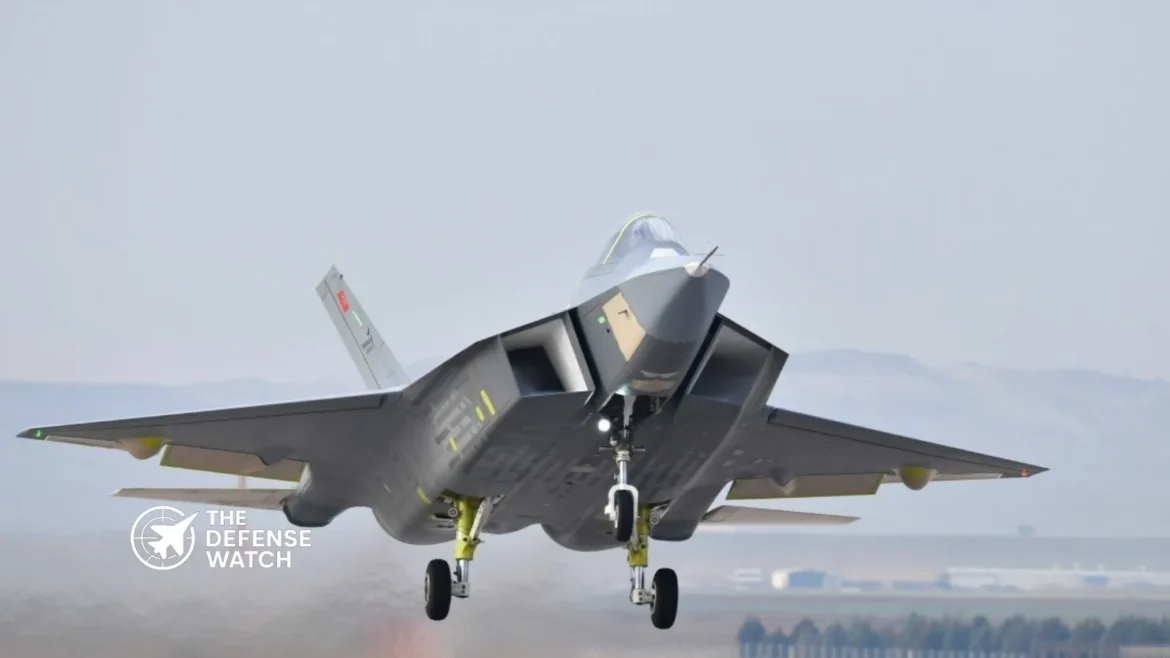
The Kaan fighter jet, developed by Turkish Aerospace Industries (TAI), represents Turkey’s most ambitious aerospace project to date. First publicly unveiled in 2023, the aircraft completed its maiden test flight in early 2024 and is scheduled to enter serial production in 2028.
Erdogan emphasized the strategic significance of the program beyond its military applications. Kaan is not just a fighter jet,” the Turkish president asserted. “Kaan is a symbol of Turkey’s engineering capabilities and independent defense will.
The fifth-generation stealth aircraft incorporates advanced avionics, low-observable technology, and modern weapons systems designed to compete with established platforms like the F-35 Lightning II and European fighter programs. Turkey’s development of the Kaan accelerated following Ankara’s removal from the F-35 program in 2019.
Growing Defense Ties Between Ankara and Riyadh
Turkey-Saudi Arabia defense cooperation has strengthened significantly in recent years as both nations pursue greater strategic autonomy and regional influence. The potential partnership on the Kaan program would mark the latest development in expanding bilateral defense ties.
During his visit to Saudi Arabia, Erdogan highlighted alignment between Turkey’s “Century of Turkey” vision and Saudi Arabia’s Vision 2030 development program. Beyond defense, the countries signed an energy agreement worth approximately $2 billion to construct two solar power plants in Turkey’s Sivas and Karaman provinces, with a combined capacity of 2,000 megawatts.
“We have deep-rooted relations with Saudi Arabia that have cultural and historical dimensions,” Erdogan said. The progress our country has made in the field of defense industry is being followed with interest by Saudi Arabia, as it is by the whole world.
International Market for Turkish Defense Systems
The potential Saudi investment in the Kaan fighter jet would follow Indonesia’s commitment to purchase up to 48 aircraft under an agreement signed by TAI in June 2024. The Indonesian deal makes the Southeast Asian nation the first confirmed international customer for the advanced fighter.
Turkey’s defense industry has experienced rapid growth over the past decade, with domestically produced systems gaining international recognition. Turkish-made Bayraktar TB2 unmanned aerial vehicles have seen operational success in multiple conflicts, while naval platforms and armored vehicles have attracted buyers across Africa, the Middle East, and Asia.
We are primarily focused on meeting our own needs in the defense industry,” Erdogan explained. “In addition, we also strive to meet the needs of our friends and brothers. We are signing important cooperation agreements with Saudi Arabia in the field of defense industry and we are determined to develop this further.”
Regional Defense Dynamics
The expanding Turkey-Saudi Arabia defense cooperation reflects broader shifts in Middle Eastern security arrangements. Both nations have positioned themselves as major military and economic powers pursuing independent defense capabilities and regional leadership.
(adsbygoogle = window.adsbygoogle || []).push({});Turkey has invested heavily in indigenous defense production, reducing reliance on Western suppliers while building export markets. The country’s defense and aerospace sectors have achieved global recognition, with products ranging from armored vehicles and naval vessels to sophisticated electronic warfare systems and precision-guided munitions.
Saudi Arabia, meanwhile, seeks to diversify its defense procurement and develop domestic military industries under Vision 2030. Riyadh has historically relied on American and European suppliers but is increasingly exploring partnerships with emerging defense producers including Turkey, South Korea, and others.
Strategic Implications
A joint Turkish-Saudi investment in the Kaan program could accelerate development timelines, share production costs, and create new export opportunities. For Turkey, Saudi financial backing would provide additional resources for a capital-intensive program. For Saudi Arabia, partnership in a fifth-generation fighter program aligns with ambitions to develop indigenous aerospace capabilities.
The cooperation also signals potential coordination between two NATO partners (Turkey) and key U.S. regional allies (Saudi Arabia) on advanced military technology, independent of traditional Western suppliers.
Erdogan’s comments suggest negotiations are advanced, though specific details regarding investment amounts, production sharing, or technology transfer arrangements have not been disclosed. Turkish officials have indicated that formal announcements could follow pending finalization of technical and financial terms.
Looking Ahead
With serial production scheduled to begin in 2028, the Kaan program is entering a critical phase. Securing additional international partners and customers will be essential for program sustainability and export success.
(adsbygoogle = window.adsbygoogle || []).push({});Turkey’s growing defense cooperation with both Saudi Arabia and Egypt, underscored by Erdogan’s recent diplomatic tour, suggests Ankara is positioning itself as a key defense supplier to Middle Eastern nations seeking alternatives to traditional suppliers.
As global defense markets evolve and regional powers pursue greater self-sufficiency, partnerships like the potential Turkish-Saudi collaboration on the Kaan fighter jet may represent a new model for defense cooperation among emerging military powers.
China Reveals Advanced J-35A Stealth Fighter Platform
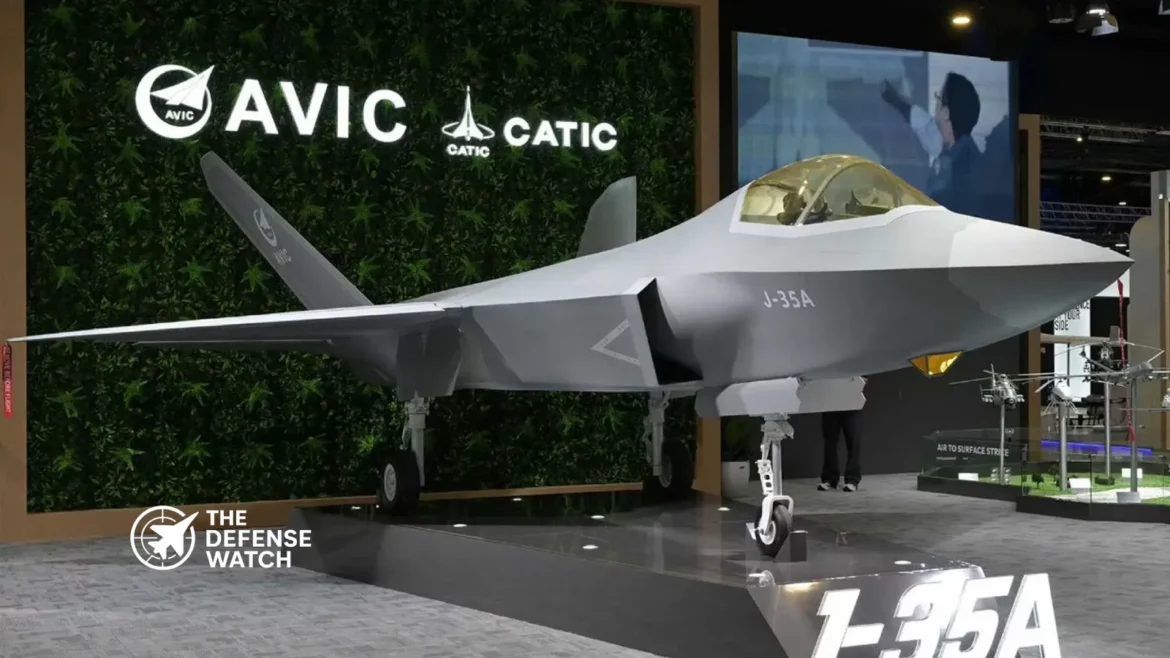
China’s state-owned Aviation Industry Corporation of China (AVIC) unveiled a detailed scale model of the J-35A stealth fighter at Singapore Airshow 2026, marking the clearest public presentation of the land-based fifth-generation aircraft to date. The February 3-8 exhibition at Changi Exhibition Centre provided international observers with the first comprehensive look at the People’s Liberation Army Air Force (PLAAF) platform designed to complement China’s existing J-20 heavy stealth fighter.
(adsbygoogle = window.adsbygoogle || []).push({});The J-35A represents Beijing’s continued advancement in low-observable combat aircraft technology and signals China’s intent to field a diversified fifth-generation air combat force across multiple mission profiles.
Technical Design and Stealth Characteristics
The scale model displayed at Singapore showcases several hallmark fifth-generation design elements optimized for reduced radar cross-section and enhanced survivability in contested airspace. The aircraft features diverterless supersonic intakes, canted twin vertical stabilizers, and edge-aligned control surfaces that minimize radar returns.
AVIC’s presentation emphasizes the J-35A’s blended fuselage lines and internal weapons bay configuration, which eliminates external stores during combat operations to maintain stealth characteristics. This design philosophy aligns with contemporary multi-domain air combat concepts employed by advanced air forces worldwide.
The platform’s aerodynamic shaping suggests optimization for both air superiority and precision strike missions, with geometry balancing stealth, maneuverability, and payload capacity requirements.
Strategic Role Within PLAAF Modernization
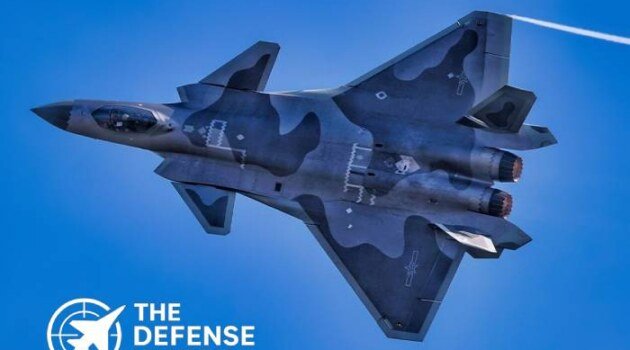
Defense analysts characterize the J-35A as a complementary system to China’s heavier J-20 stealth fighter, potentially offering the PLAAF a more flexible and numerically scalable fifth-generation option for various operational scenarios. The land-based configuration differs from naval variants associated with carrier aviation programs.
Unlike carrier-capable variants that require reinforced structures and specialized landing systems, the J-35A is optimized for conventional runway operations and integration into mainland air defense architectures. This design choice potentially reduces production complexity and maintenance demands compared to navalized versions.
Industry observers note the aircraft is expected to incorporate advanced sensor suites including active electronically scanned array (AESA) radar systems, electro-optical targeting capabilities, and comprehensive sensor fusion architecture designed to support network-centric operations.
Propulsion and Indigenous Technology Development
While AVIC did not release detailed performance specifications during the Singapore exhibition, the J-35A model configuration suggests compatibility with China’s latest-generation indigenous turbofan engines. This reflects Beijing’s ongoing efforts to achieve complete autonomy in high-performance military propulsion systems, reducing dependence on foreign technology suppliers.
(adsbygoogle = window.adsbygoogle || []).push({});The propulsion system development represents a critical component of China’s broader defense industrial modernization strategy, enabling sustained production and operational deployment without external dependencies.
International Exhibition Strategic Messaging
AVIC’s decision to showcase the J-35A at one of Asia’s premier aerospace events carries significant strategic implications. Singapore Airshow attracts senior defense officials and procurement authorities from across the Indo-Pacific region, Middle East, and Africa, providing China with a platform to demonstrate advanced military aviation capabilities to potential partner nations.
The public display signals both program maturity and Beijing’s readiness to position the aircraft as a future option for countries seeking advanced combat aircraft beyond traditional Western suppliers. This export-oriented messaging aligns with China’s expanding defense industrial outreach to developing nations and regional partners.
Fifth-Generation Fighter Ecosystem Integration
The J-35A is designed to operate within China’s evolving networked air combat architecture, integrating with airborne early warning platforms, unmanned systems, and ground-based command nodes. This multi-domain integration approach reflects modern air warfare concepts emphasizing distributed operations and real-time information sharing.
The platform’s sensor fusion capabilities enable coordinated operations with other PLAAF assets, potentially including the heavier J-20 fighter in high-low force structure arrangements similar to those employed by other major air forces.
Regional Security Implications
The J-35A’s development occurs within the broader context of intensifying military modernization across the Indo-Pacific region. Multiple nations are acquiring or developing fifth-generation fighter capabilities, driving regional arms competition and altering established air power balances.
U.S. defense officials have previously noted China’s rapid advancement in stealth aircraft technology as a key factor in Indo-Pacific security planning. The J-35A’s emergence as a mature platform adds another dimension to regional military calculations and alliance defense planning considerations.
Future Development and Deployment Timeline
While official PLAAF deployment timelines remain undisclosed, the Singapore Airshow presentation suggests the J-35A program has progressed beyond initial development phases. Scale model displays at major international exhibitions typically indicate approaching operational deployment or active production preparation.
(adsbygoogle = window.adsbygoogle || []).push({});Defense industry analysts anticipate the PLAAF may pursue substantial J-35A procurement to complement existing fourth-generation fighter fleets and augment the more limited numbers of J-20 heavy fighters in service. This two-platform fifth-generation approach would provide operational flexibility across diverse mission requirements.
Comparative Analysis With Global Competitors
The J-35A enters a competitive global market for fifth-generation fighters dominated by the United States’ F-35 Lightning II family and supplemented by platforms including Russia’s Su-57, South Korea’s KF-21, and Turkey’s KAAN development program.
China’s ability to offer a stealth fighter option independent of Western political constraints may appeal to nations seeking advanced capabilities without alignment conditions or operational restrictions typically associated with U.S. defense exports.
Technology Transfer and Export Potential
Beijing’s historical approach to defense exports includes varying levels of technology transfer and co-production arrangements, particularly with long-term strategic partners. The J-35A’s presentation at Singapore suggests China may pursue similar export strategies with this platform, though specific arrangements would likely depend on recipient nation relationships and strategic alignment.
Export versions of Chinese military aircraft have previously featured modified avionics and weapons integration compared to PLAAF operational variants, a pattern that may continue with any potential J-35A international sales.