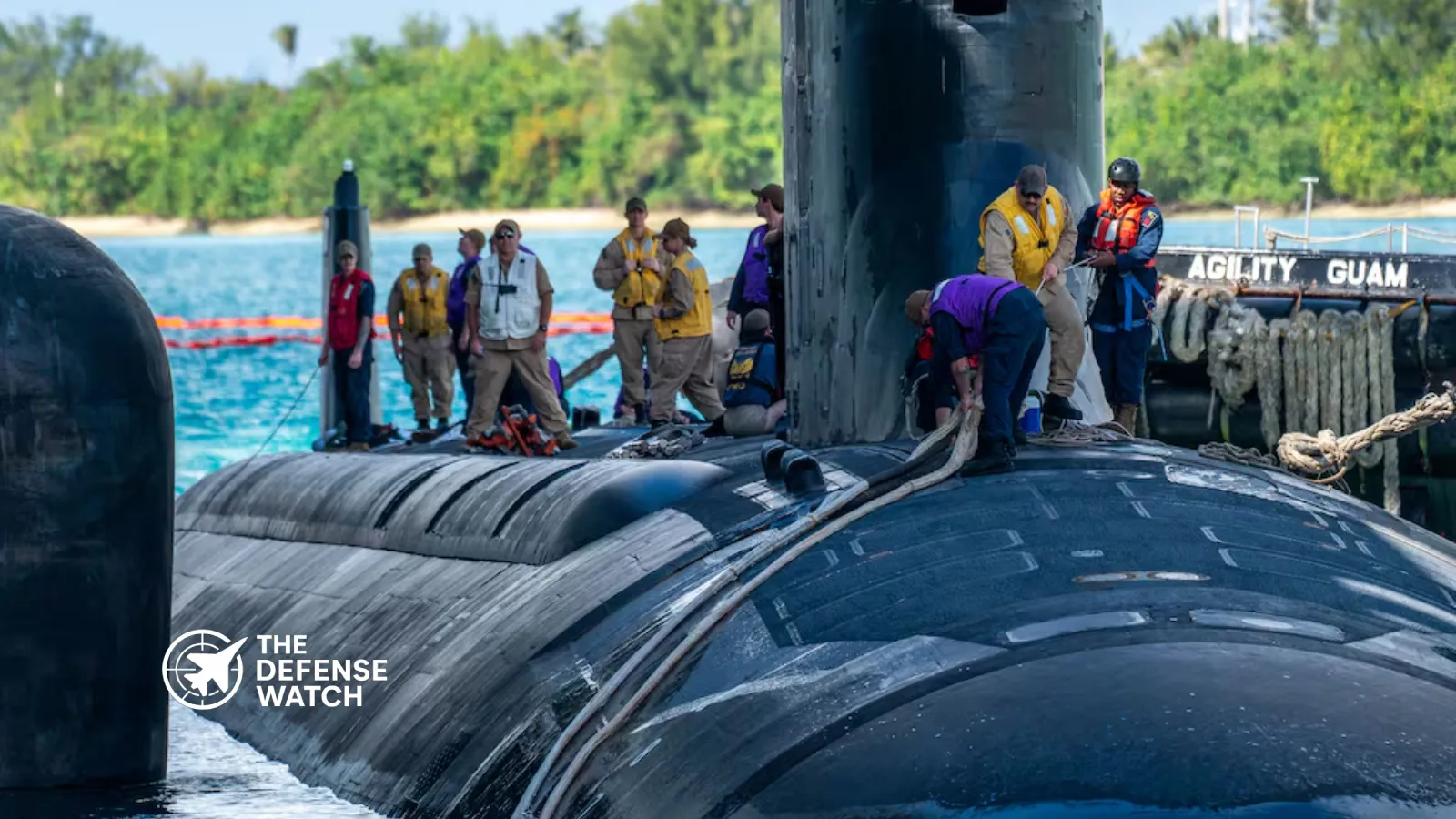
- Three Royal Australian Navy personnel were aboard a US Navy submarine when it sank the Iranian frigate IRIS Dena on March 4, 2026.
- The US submarine fired a Mark 48 torpedo that destroyed the Iranian warship in international waters near Sri Lanka.
- The Australian sailors were participating in submarine training tied to the AUKUS nuclear submarine partnership.
- Canberra confirmed the Australians did not take part in offensive combat operations during the engagement.
- The incident highlights the operational and political implications of deeper allied military integration under AUKUS.
Australian Submariners And The Iran War Incident
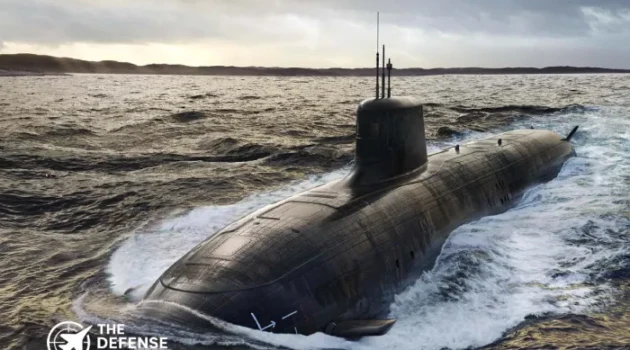
Australian submariners found themselves unexpectedly connected to the Iran conflict after a US Navy submarine sank an Iranian warship while carrying three Royal Australian Navy personnel onboard.
The incident occurred on March 4, 2026, when a US attack submarine torpedoed the Iranian frigate IRIS Dena in international waters near Sri Lanka. At least 80 Iranian sailors were killed in the strike. Australian Prime Minister Anthony Albanese later confirmed that three Australian sailors were aboard the submarine at the time, though none participated in the combat action.
The Australians were deployed on the vessel as part of long running training arrangements linked to the AUKUS security partnership between Australia, the United States, and the United Kingdom.
The Big Picture
The presence of Australian submariners on a US submarine during a wartime engagement reflects the growing operational integration between allied naval forces under the AUKUS framework.
AUKUS is designed to give Australia access to nuclear powered submarines and advanced undersea warfare capabilities. The plan includes decades of personnel exchanges, technology sharing, and industrial cooperation.
Under this arrangement, Australian sailors rotate through US and British submarine crews to build operational experience with nuclear powered attack submarines. More than 50 Australian sailors have already served aboard American submarines, and roughly 160 to 200 personnel are currently in training pipelines in the United States and United Kingdom.
These placements are essential for building the skilled workforce required for Australia’s future fleet of nuclear powered submarines.
What’s Happening
The naval engagement occurred during escalating hostilities between the United States and Iran.
According to defense reporting, a US Navy submarine attacked the Iranian frigate IRIS Dena, which was operating in the Indian Ocean after participating in exercises in India. The warship sank within minutes after being hit by a torpedo fired from the submarine.
Sri Lankan authorities reported recovering dozens of bodies and rescuing several survivors from the incident.
(adsbygoogle = window.adsbygoogle || []).push({});Although Washington has not officially confirmed the submarine involved, several reports suggested it may have been a Virginia class attack submarine operating in the region.
Two days after the incident, Australia confirmed that three Royal Australian Navy sailors were onboard the vessel. The Australian government emphasized that the personnel were embedded for training purposes and did not participate in the attack itself.
Officials explained that standing agreements require Australian personnel embedded on foreign military platforms to comply with Australian law and policy.
Why It Matters
The episode illustrates how deeply integrated allied forces have become in modern military alliances.
Personnel exchange programs are common among NATO and close security partners. However, the incident shows how quickly such arrangements can expose partner nations to operational events during conflicts they are not formally participating in.
For Australia, the presence of sailors on a US submarine during a combat operation highlights the complexity of the AUKUS partnership.
The Australian government maintains that the sailors did not take part in offensive operations and therefore did not place Australia in direct combat with Iran. Nevertheless, the incident triggered political debate inside Australia about the risks associated with embedding personnel on allied combat platforms.
The debate reflects a broader strategic tension. Canberra wants to deepen military integration with the United States while maintaining political control over when and how Australian forces participate in combat.
Strategic Implications
The incident underscores the increasing operational connectivity among allied submarine forces in the Indo Pacific.
Submarine warfare is one of the most sensitive and technologically complex areas of military operations. Training sailors requires years of experience, particularly when dealing with nuclear powered propulsion, advanced sonar systems, and long endurance deployments.
(adsbygoogle = window.adsbygoogle || []).push({});Embedding Australian sailors within US submarine crews accelerates the development of those skills.
From a military perspective, such arrangements strengthen coalition interoperability. Crews become familiar with each other’s procedures, command structures, and operational doctrine. This improves coordination during joint operations or crises.
At the same time, the incident highlights a strategic risk. When personnel operate inside allied platforms, political boundaries between national operations can blur. Even if embedded personnel are not directly involved in combat, their presence can create diplomatic or legal complications.
Competitor View
Iran has strongly condemned the sinking of the IRIS Dena and warned that the attack could have consequences for the United States and its partners.
From Tehran’s perspective, the incident reinforces the perception that Western alliances are expanding military cooperation across multiple regions, including the Indian Ocean.
Other strategic competitors are likely watching closely as well.
China has frequently criticized AUKUS, arguing that the agreement could fuel regional militarization and introduce nuclear submarine capabilities into the Indo Pacific.
Events like this reinforce Beijing’s narrative that Western alliances are becoming more operationally integrated and potentially more willing to project power beyond traditional areas of operation.
What To Watch Next
Several developments could shape how this incident affects regional security and alliance politics.
First, the continued expansion of AUKUS training programs will place more Australian personnel aboard US and British submarines over the coming years.
Second, Australia is preparing to acquire at least three US Virginia class submarines in the 2030s before introducing a jointly designed SSN AUKUS submarine later in the decade.
Third, political debate inside Australia may intensify regarding transparency and the rules governing embedded military personnel.
(adsbygoogle = window.adsbygoogle || []).push({});These questions will become increasingly important as allied military cooperation deepens across the Indo Pacific.
Capability Gap
Australia’s submarine workforce currently faces a significant capability gap.
Operating nuclear powered submarines requires specialized training in nuclear propulsion, reactor safety, long duration patrol operations, and advanced undersea combat systems.
Australia’s existing Collins class submarines are conventionally powered and rely on diesel electric propulsion. Transitioning to nuclear powered submarines represents a major technological and operational shift.
Embedding sailors within US and UK submarine crews is one of the few ways to rapidly build that expertise.
(adsbygoogle = window.adsbygoogle || []).push({});However, the arrangement also exposes Australian personnel to real world operational environments, including potential combat scenarios, even before Australia fields its own nuclear submarine fleet.
The Bottom Line
The presence of Australian submariners during the sinking of an Iranian warship highlights how deeper alliance integration under AUKUS is already shaping real world military operations.