- ► Former US Air Force Major Gerald Brown arrested in Indiana for allegedly training Chinese military pilots without authorization.
- ► Brown, 65, was an F-35 instructor pilot with 24 years of service, including combat and nuclear responsibilities.
- ► Allegedly traveled to China in December 2023 to train pilots under a contract negotiated by convicted Chinese national Stephen Su Bin.
- ► Faces charges similar to former US Marine Corps pilot Daniel Duggan, who is contesting extradition from Australia.
- ► US Justice Department warns that unauthorized military training for foreign powers carries civil and criminal penalties.
Former US F-35 Fighter Pilot Arrested In Alleged China Training Scheme
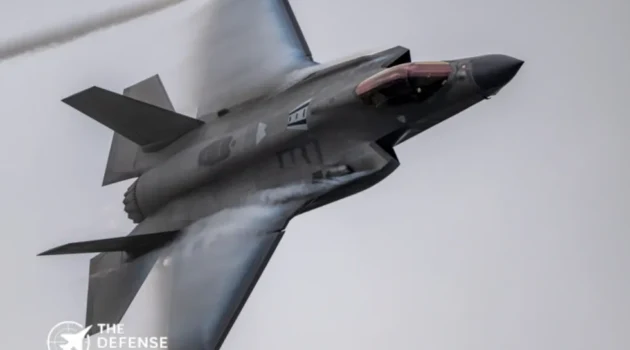
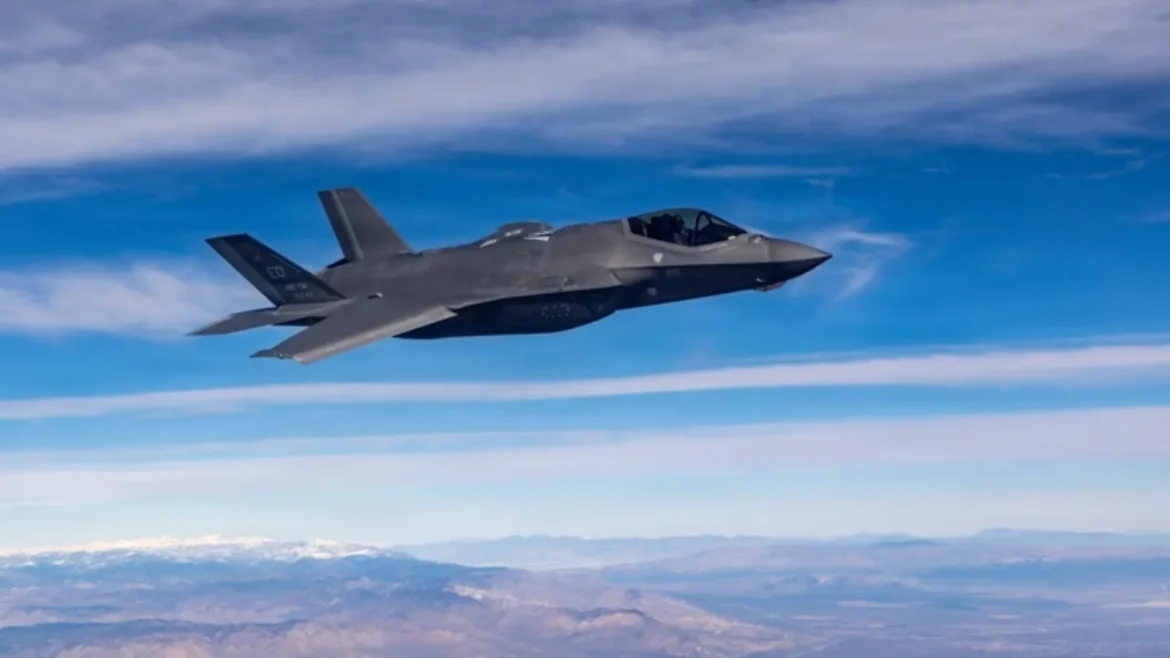
A former US F-35 fighter pilot has been arrested and charged with illegally training Chinese military aviators, according to the United States Department of Justice.
(adsbygoogle = window.adsbygoogle || []).push({});Federal prosecutors allege that Gerald Brown, a retired US Air Force major and former instructor on the F-35 Lightning II, provided defense services to Chinese pilots without required US government authorization.
Brown, 65, was arrested in Indiana and charged under federal statutes governing the export of defense services. The Justice Department said he conspired to provide training to Chinese military personnel, conduct that requires prior approval under US law.
DOJ And FBI Outline Allegations
In a statement, officials said Brown had a 24 year Air Force career that included combat missions and leadership of sensitive units, including those tied to nuclear weapons delivery systems.
Roman Rozhavsky, assistant director of the Counterintelligence and Espionage Division at the Federal Bureau of Investigation, said the former pilot allegedly trained Chinese aviators to counter US and allied capabilities.
The Justice Department has not publicly detailed the scope, duration, or exact location of the alleged training activities. Court filings are expected to clarify those elements as the case proceeds.
US Attorney Jeanine Ferris Pirro for the District of Columbia stated that individuals who conspire to provide unauthorized defense services to foreign militaries will be prosecuted.
Background And Career
According to the Justice Department, Brown left active duty in 1996 after serving in operational and command roles. After retiring from the Air Force, he worked as a commercial cargo pilot and later as a defense contractor.
(adsbygoogle = window.adsbygoogle || []).push({});In that role, he trained US pilots to operate the F-35 and the Fairchild Republic A-10 Thunderbolt II, two frontline platforms central to US combat airpower.
The F-35 Lightning II remains the cornerstone of US and allied tactical aviation strategy. Any transfer of advanced tactical knowledge related to fifth generation operations raises significant counterintelligence concerns, especially given ongoing US China strategic competition.
Broader Pattern Of Recruitment Concerns
The case comes amid repeated warnings from US and allied governments that China is actively recruiting current and former Western military personnel.
In 2024, the United States, Australia, Canada, New Zealand, and the United Kingdom issued a joint advisory cautioning service members about recruitment efforts linked to the People’s Liberation Army. The notice warned that unauthorized training could expose participants to criminal liability and threaten allied security.
Officials have said the PLA seeks insight into Western tactics, training methods, and operational doctrine to accelerate modernization.
This arrest follows a similar high profile case involving former US Marine Corps aviator Daniel Duggan. Duggan was arrested in Australia in 2022 and faces US charges for allegedly violating the Arms Export Control Act by providing pilot training to Chinese forces.
(adsbygoogle = window.adsbygoogle || []).push({});In December 2024, Australia’s then Attorney General Mark Dreyfus approved Duggan’s extradition to the United States. Duggan has appealed that decision in Australian courts.
Legal And Strategic Implications
The former US F-35 fighter pilot case underscores how Washington is tightening enforcement of export control laws tied to military expertise. Under the Arms Export Control Act and related regulations, providing defense services to foreign military entities without authorization can trigger severe criminal penalties.
From a strategic perspective, the issue extends beyond one individual. Fifth generation fighter operations rely not only on hardware, but also on training, tactics, and integration with space and cyber assets. Even unclassified tactical instruction can help a competitor refine air combat doctrine.
China continues to field advanced aircraft such as the J-20 and is investing heavily in pilot training and force readiness. US officials argue that unauthorized access to Western operational knowledge could narrow qualitative gaps in certain areas.
(adsbygoogle = window.adsbygoogle || []).push({});At the same time, legal standards require prosecutors to prove that services provided met the definition of regulated defense assistance and that no authorization was granted. As with any criminal complaint, the allegations remain unproven unless and until established in court.
What Comes Next
Brown is expected to face initial court proceedings in federal court. The Justice Department has not indicated whether additional individuals or entities are under investigation in connection with the alleged activities.
The former US F-35 fighter pilot case will likely draw close attention from defense policymakers and counterintelligence officials. It also reinforces ongoing US efforts to protect sensitive military expertise amid intensifying competition with China.
For service members and defense contractors, the message from federal authorities is clear. Training or advising foreign military forces without explicit US government approval carries significant legal risk.

Greece Arrests Military Insider in Espionage Case
Greece military espionage arrest has sent shockwaves through the country’s defense and security establishment, after authorities confirmed the detention of a member of the armed forces accused of spying. The case, reported by Reuters and Greek officials, involves allegations that sensitive military information was passed to a foreign intelligence service, raising serious concerns about internal security, operational secrecy, and NATO information protection.
Greek police and intelligence services said the suspect was arrested following a counterintelligence investigation that focused on unauthorized access to classified military material. The individual, whose identity has not been publicly disclosed, was described as an active member of the armed forces with access to sensitive information related to national defense.
According to Reuters, prosecutors are treating the case as a matter of national security, and formal charges are expected to follow under Greece’s strict espionage and state secrets laws.
What Greek Authorities Have Confirmed So Far
Greek officials said the arrest followed months of monitoring and intelligence gathering. Investigators reportedly identified suspicious communications and movements that pointed to a possible intelligence leak from within the military.
Authorities have not publicly named the foreign state allegedly involved, citing the ongoing investigation. However, officials stressed that the information in question related to military capabilities and operational matters, making the breach especially serious.
The Greek Ministry of Defense said it is cooperating fully with judicial authorities and intelligence services. In a brief statement, officials emphasized that internal security procedures are being reviewed to prevent similar incidents in the future.
Reuters reported that the suspect is accused of collecting and transmitting classified information over an extended period, rather than a single isolated incident.
Why the Case Matters for Greek Defense and NATO
Greece is a frontline NATO member in southeastern Europe, with strategic responsibilities in the Eastern Mediterranean, the Aegean Sea, and the Balkans. Any breach involving military espionage has implications beyond national borders, particularly when classified NATO or allied information may be involved.
Greek armed forces routinely participate in NATO exercises, intelligence sharing arrangements, and regional security missions. A confirmed insider espionage case raises questions about information security, personnel vetting, and counterintelligence coordination across allied forces.
Defense analysts note that modern militaries face growing challenges from insider threats, especially as digital systems increase the volume of sensitive data accessible to individual personnel.
Espionage Risks in the Modern Military Environment
Military espionage cases in Europe have increased in visibility over the past decade, driven by geopolitical competition, regional conflicts, and rapid advances in defense technology. Sensitive data no longer consists only of paper documents. It includes digital communications, sensor data, operational plans, and information on weapons systems.
Insiders with legitimate access can pose a higher risk than external cyber intrusions, since they may bypass many technical safeguards. This has pushed defense ministries across NATO to invest more heavily in behavioral monitoring, access controls, and continuous security vetting.
Greek defense officials have not indicated whether cyber systems were compromised in this case, but the investigation reportedly includes both digital and physical evidence.
Legal Framework and Potential Charges
Under Greek law, espionage and disclosure of state secrets carry severe penalties, including lengthy prison sentences. Prosecutors can pursue additional charges if the case involves cooperation with a foreign intelligence service or if classified NATO information was compromised.
Legal experts in Athens told Reuters that the case is likely to move quickly through preliminary hearings due to its national security nature, though a full trial could take months or longer.
The suspect remains in custody as investigators continue to assess the scope of the alleged information leak and identify any potential accomplices.
Broader Regional and Geopolitical Context
The arrest comes at a time of heightened security awareness across Europe. Ongoing conflicts, defense modernization programs, and increased intelligence activity have led governments to prioritize counterespionage efforts.
Greece in particular occupies a sensitive geopolitical position, balancing relations within NATO, managing tensions in the Eastern Mediterranean, and modernizing its armed forces with new aircraft, naval platforms, and surveillance systems.
Any compromise of defense information could affect procurement programs, operational planning, and alliance trust. For this reason, officials are expected to brief NATO partners if the investigation confirms that allied data was involved.
Defense Ministry Response and Next Steps
The Greek Ministry of Defense has said it will conduct an internal review of security procedures and access protocols. While officials stressed that the case appears to involve an individual actor, they acknowledged the need for stronger safeguards against insider threats.
Military units are also expected to receive updated guidance on handling classified information, secure communications, and reporting suspicious activity.
Greek intelligence services declined to comment on whether additional arrests are expected, but said the investigation remains active.
What Comes Next
As the judicial process unfolds, more details are likely to emerge about the nature of the information involved and the duration of the alleged espionage activity. For now, Greek authorities are keeping specifics limited to protect operational security and the integrity of the case.
For NATO and U.S. defense planners, the Greece military espionage arrest serves as a reminder that counterintelligence remains a critical component of military readiness, especially in an era of rapid technological change and intensifying geopolitical competition.
Pentagon Moves to Curb Leaks with Sweeping Secrecy Measures
In a controversial new initiative, Defense Secretary Pete Hegseth has ordered the implementation of strict anti-leak measures across the U.S. Department of Defense (DoD), including mandatory nondisclosure agreements (NDAs) and random polygraph tests for thousands of Pentagon and military officials. The move, aimed at curbing unauthorized disclosures and internal dissent, has sparked significant concern among senior military leaders who warn the policy could undermine morale and erode institutional trust.
The directive, first circulated in an internal Pentagon memorandum earlier this month, outlines a plan to enforce tighter controls on information flow within the department. Officials with access to sensitive or classified information will be required to sign updated NDAs explicitly prohibiting “informal communication or disclosure of internal deliberations” to the media or unauthorized personnel.
In addition, the Defense Counterintelligence and Security Agency (DCSA) is expected to begin conducting random polygraph screenings, expanding a practice traditionally reserved for intelligence agencies and nuclear programs.
Push for Control Amid Rising Leak Incidents
Secretary Hegseth, a strong advocate of organizational discipline and loyalty, has defended the measures as “essential for protecting national security in an era of information warfare.” The move follows a string of high-profile leaks over the past two years, including internal assessments on U.S. defense readiness, Ukraine aid logistics, and classified war-gaming documents that surfaced on social media.
“Unauthorized disclosures don’t just breach trust—they endanger operations, allies, and the lives of service members,” Hegseth reportedly told senior staff during a closed briefing.
However, senior Pentagon officials and service chiefs have voiced unease about the scope and practicality of the crackdown. One senior officer, speaking anonymously, said, “We’re not an intelligence agency—we’re a military institution that depends on open communication and honest feedback. This could create a culture of fear.”
Feasibility and Morale Concerns
Critics argue the policy could prove logistically unmanageable, with more than 100,000 personnel potentially falling under the new rules. Polygraph testing alone, typically limited to high-clearance roles, could require billions in additional funding and extensive scheduling resources.
Moreover, the move risks creating a chilling effect across the defense community. “When people are afraid to speak up or share internal critiques, problems get buried instead of solved,” said a former Pentagon official who helped draft earlier internal communication guidelines.
Similar concerns have surfaced before. In 2010, the Obama administration’s crackdown on insider threats—known as the “Insider Threat Program”—faced comparable criticism for its perceived impact on whistleblower protections and internal transparency. Analysts suggest the Pentagon’s latest measures could reignite that same debate within both defense and political circles.
Analysis: Balancing Secrecy and Accountability
The Pentagon’s anti-leak initiative underscores a growing tension between security control and institutional openness in the digital age. As classified data breaches increasingly originate from within, the defense establishment faces mounting pressure to safeguard information while maintaining operational integrity.
Experts note that while the intent is to prevent damaging leaks, broad enforcement could alienate experienced personnel and complicate interagency collaboration, especially in joint operations involving intelligence sharing.
“Modern security depends as much on trust as it does on control,” said Dr. Michael Lawson, a national security scholar at the Center for Strategic Studies. “Overregulation risks paralyzing the flow of actionable information during crises.”
Internationally, the move also aligns with a wider trend: NATO allies and other defense ministries have recently introduced enhanced vetting protocols following major leaks, such as the 2023 Discord documents incident. Yet, none have adopted measures as sweeping or indiscriminate as those reportedly planned by the Pentagon.
The Road Ahead
The DoD has not disclosed when the new policy will take full effect, though officials expect initial implementation by early 2026. Congressional oversight committees are already signaling interest in reviewing the plan’s legal and ethical implications, particularly regarding privacy and whistleblower protections.
If fully enacted, the policy could reshape how the Pentagon manages internal communication and operational secrecy for decades to come. Whether it strengthens national security—or weakens the trust that sustains it—will depend on how far the Department goes in enforcing compliance.