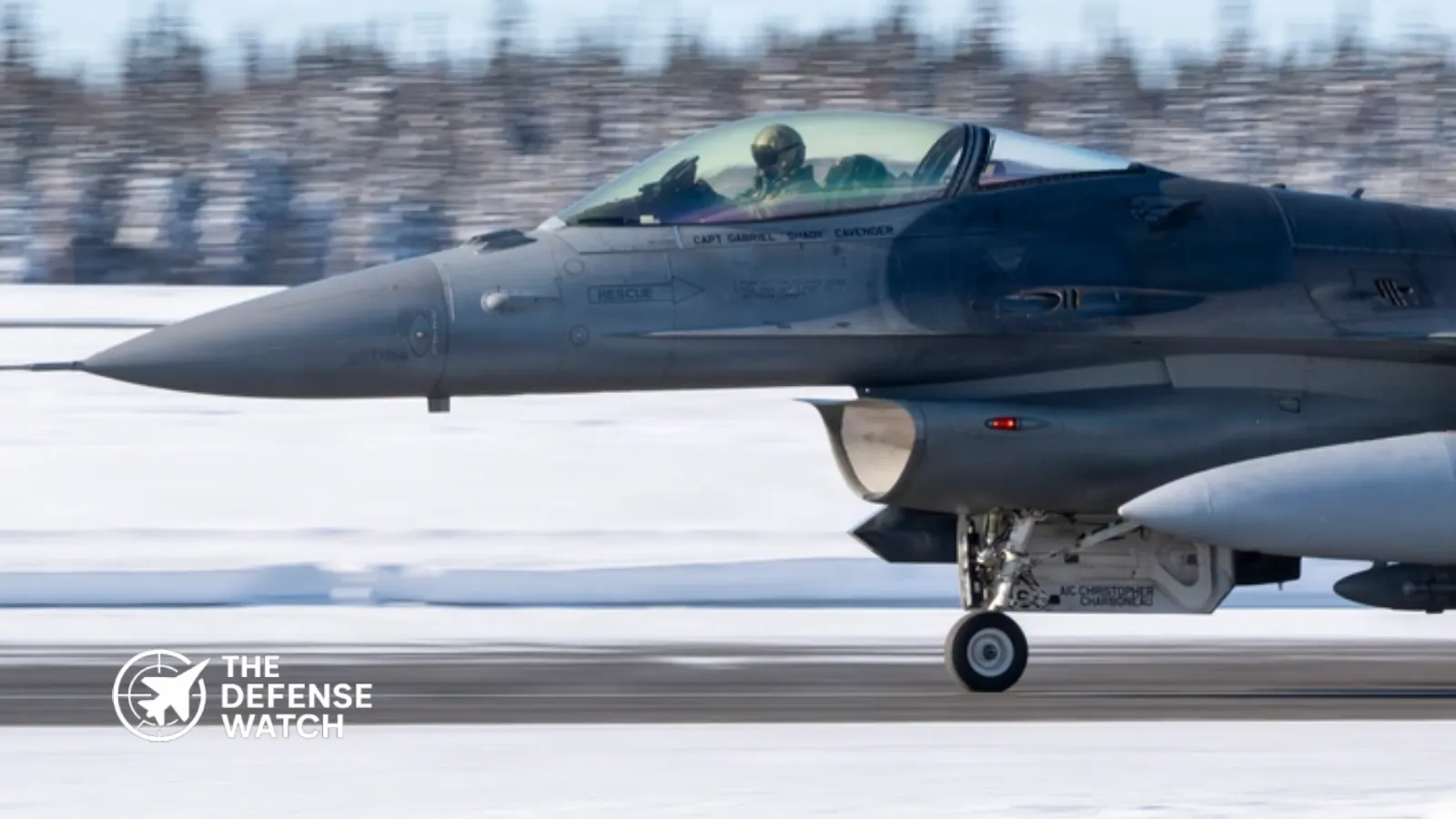
- Greece approved a new air defense system acquisition alongside F-16 upgrades.
- The F-16 fleet will be upgraded to advanced configurations with improved avionics and combat systems.
- The move strengthens NATO’s southeastern flank amid tensions in the Eastern Mediterranean.
- The program reflects long-term defense investment priorities and modernization timelines.
- Greece aims to build a layered, interoperable air defense network integrated with allied systems.
Greece Air Defense System Purchase And F-16 Upgrade
Greece air defense system purchase and F-16 upgrade plans have been formally approved, marking a significant step in Athens’ ongoing military modernization effort and reinforcing its role within NATO’s southern defense architecture.
The decision reflects a coordinated approach to upgrading both ground-based air defense and tactical airpower, addressing evolving regional threats and capability gaps.
The Big Picture
Greece continues to position itself as a key security provider in the Eastern Mediterranean, a region shaped by persistent geopolitical friction, contested airspace, and expanding missile threats.
NATO has emphasized integrated air and missile defense as a priority, particularly along its southeastern flank. Greece’s modernization aligns with broader alliance goals to enhance interoperability, early warning capabilities, and rapid response readiness.
The move also comes as European states increase defense spending following Russia’s actions in Ukraine and ongoing instability across the Middle East.
What’s Happening
Greek lawmakers approved the procurement of a new air defense system and the modernization of the country’s F-16 fighter fleet, according to reporting from Reuters.
The program includes upgrades to existing F-16 aircraft, bringing them closer to advanced configurations with improved radar systems, mission computers, and network-centric capabilities.
The air defense acquisition aims to enhance Greece’s ability to detect, track, and intercept aerial threats, including aircraft, drones, and potentially cruise missiles.
The approvals were finalized in March 2026, with implementation expected to unfold over multiple years.
Why It Matters
The Greece air defense system purchase directly addresses the growing complexity of modern aerial threats. Regional actors increasingly rely on unmanned systems, precision-guided munitions, and stand-off weapons, which challenge legacy air defense networks.
Upgrading the F-16 fleet ensures Greece maintains a credible air superiority and strike capability. Modernized fighters equipped with advanced sensors and data links can operate effectively in contested environments and integrate with allied forces.
The combination of air defense and fighter upgrades creates a layered defense structure, improving survivability and operational flexibility.
Strategic Implications
Greece’s modernization enhances deterrence in the Eastern Mediterranean by increasing both defensive depth and offensive reach.
A modernized F-16 fleet improves rapid response capability, allowing Greece to patrol contested airspace and respond to incursions more effectively. At the same time, advanced air defense systems strengthen homeland protection and critical infrastructure security.
The integration of these systems into NATO frameworks also boosts alliance cohesion. Greece can contribute more effectively to joint operations, including air policing and missile defense missions.
The move reinforces Greece’s strategic value as a frontline NATO member bordering volatile regions.
Competitor View
Regional rivals, particularly Turkey, are likely to view the Greece air defense system purchase and F-16 upgrade as part of a broader military balancing effort.
Turkey has pursued its own air defense capabilities and fighter modernization programs, including indigenous platforms and missile systems. Greece’s upgrades could influence procurement decisions and operational planning in Ankara.
Russia may interpret the move as further consolidation of NATO’s integrated defense network near its periphery, particularly given the alliance’s emphasis on missile defense and interoperability.
Iran and other regional actors will likely note the strengthening of Western-aligned defense capabilities in the Eastern Mediterranean, though the direct impact remains limited to the regional balance.
What To Watch Next
Implementation timelines will be critical. Observers should monitor contract awards, system selection details, and integration milestones for the air defense component.
F-16 upgrade schedules, including delivery timelines and operational readiness milestones, will indicate how quickly Greece can field enhanced capabilities.
Joint exercises with NATO partners will also serve as a key indicator of how effectively these systems integrate into alliance operations.
Capability Gap
Greece has faced limitations in both legacy air defense coverage and the aging capabilities of parts of its fighter fleet.
Older systems struggle to counter low-observable threats, drones, and high-speed precision weapons. The new air defense system aims to close these gaps by improving detection range, tracking accuracy, and interception capability.
However, challenges remain. Integration across different platforms and maintaining readiness levels will require sustained investment, training, and logistical support.
Upgrading F-16s extends their service life, but it does not fully replace the need for next-generation platforms in the long term.
The Bottom Line
Greece’s approval of a new air defense system and F-16 upgrades marks a decisive step toward a more integrated, resilient, and NATO-aligned defense posture in a contested region.
Get real time update about this post category directly on your device, subscribe now.