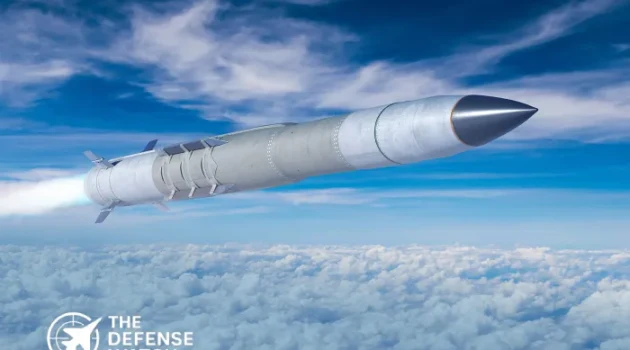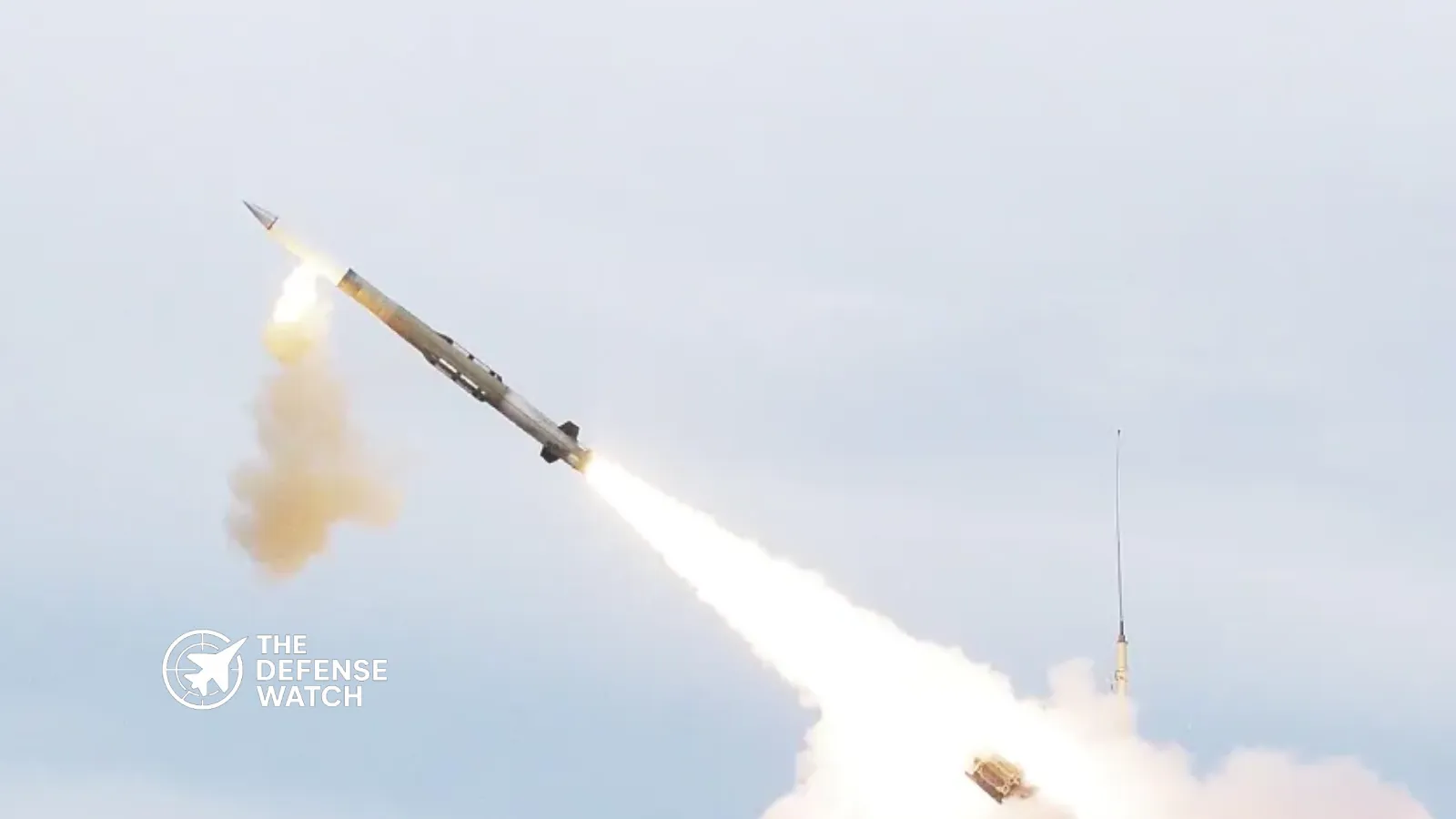
- The PAC-3 interceptor demonstrated extremely high effectiveness during recent missile defense testing.
- The missile uses hit-to-kill technology designed to destroy ballistic and advanced maneuvering threats.
- Testing reflects growing demand for layered missile defense against emerging hypersonic weapons.
- The Patriot PAC-3 system remains a key component of U.S. and allied air and missile defense architecture.
- Modernization of missile defense systems is accelerating amid rising global missile threats.
PAC-3 Interceptor Shows Strong Performance Against Emerging Missile Threats
The PAC-3 interceptor has demonstrated extremely high effectiveness against ballistic and hypersonic missile threats during recent testing, reinforcing the growing importance of advanced missile defense systems in modern military operations.
The interceptor is a central component of the Patriot air and missile defense system, widely deployed by the United States and numerous allied nations. Its latest testing highlights the system’s capability to defeat increasingly complex missile threats that are reshaping global defense planning.
The Big Picture
Missile defense has become a critical pillar of U.S. and allied military modernization strategies. Nations such as China, Russia, Iran, and North Korea continue to expand their arsenals of ballistic and advanced maneuvering missile systems, including hypersonic weapons designed to evade traditional defenses.
These developments have increased the urgency for layered missile defense architectures capable of detecting, tracking, and intercepting high-speed threats across multiple phases of flight.
The PAC-3 interceptor sits at the center of this architecture. Integrated within the Patriot system, it provides terminal phase missile defense against short and medium range ballistic missiles, cruise missiles, and advanced aerial threats.
Recent testing results underscore the system’s continued relevance as militaries seek to counter evolving missile technologies.
What’s Happening
Recent missile defense testing demonstrated the PAC-3 interceptor successfully engaging advanced target threats designed to replicate modern ballistic and hypersonic missile profiles.
The interceptor uses hit-to-kill technology, which destroys incoming threats through direct kinetic impact rather than relying on explosive warheads. This approach increases interception accuracy and reduces the risk of debris or secondary damage.
The PAC-3 missile is part of the Patriot Advanced Capability program developed by Lockheed Martin and integrated within the Patriot air and missile defense system, originally developed by Raytheon.
Modern variants such as the PAC-3 Missile Segment Enhancement (MSE) feature improved propulsion, enhanced maneuverability, and extended engagement ranges. These upgrades allow the interceptor to engage faster and more agile threats compared to earlier Patriot interceptors.
Testing typically takes place at U.S. missile ranges such as the White Sands Missile Range, where advanced target vehicles simulate real-world missile attack profiles.
Why It Matters
The demonstrated effectiveness of the PAC-3 interceptor is significant because missile threats are evolving faster than many existing defense systems.
Ballistic missiles continue to proliferate globally, while hypersonic weapons introduce additional challenges due to their high speed and maneuverability. Hypersonic glide vehicles can change trajectory during flight, complicating traditional interception methods.
The PAC-3 interceptor provides a critical terminal defense layer within a broader integrated missile defense network. Systems such as the Patriot battery often protect high-value assets including air bases, command centers, and critical infrastructure.
Operational experience has reinforced the system’s importance. Patriot systems equipped with PAC-3 interceptors have been deployed in Europe, the Middle East, and the Indo-Pacific to defend allied forces and infrastructure.
Strategic Implications
Effective missile defense enhances deterrence by reducing the potential impact of adversary missile strikes. The performance of the PAC-3 interceptor supports broader U.S. and allied strategies aimed at strengthening integrated air and missile defense.
Countries across Europe, the Middle East, and Asia continue to invest heavily in Patriot systems and PAC-3 interceptors as missile threats expand regionally.
Several NATO members are increasing procurement as part of Europe’s evolving air and missile defense architecture. Similarly, partners in the Indo-Pacific view Patriot systems as a key defense against regional missile capabilities.
By demonstrating strong effectiveness during testing, the PAC-3 program helps reinforce confidence among allied militaries that rely on the system for frontline missile defense.
Competitor View
Strategic competitors closely monitor developments in U.S. missile defense technologies.
China and Russia have invested heavily in maneuverable hypersonic systems partly designed to complicate existing missile defense networks. Systems such as Russia’s Avangard hypersonic glide vehicle and China’s DF-17 hypersonic missile reflect this trend.
These weapons aim to exploit gaps in traditional air defense by flying at extremely high speeds and maneuvering during flight.
Testing results showing strong performance from interceptors like PAC-3 signal that missile defense technologies are continuing to evolve in response.
Capability Gap
The PAC-3 interceptor addresses a key operational challenge in modern warfare, defending against short and medium range ballistic missiles during the final phase of flight.
While the system provides highly effective terminal defense, it represents only one layer within a broader missile defense architecture.
Long range ballistic missiles and advanced hypersonic weapons may require additional systems such as high altitude interceptors, space based sensors, and early warning networks.
For this reason, U.S. missile defense strategy relies on a layered structure combining Patriot, THAAD, Aegis Ballistic Missile Defense, and emerging hypersonic defense programs.
What To Watch Next
Several developments will shape the future of the PAC-3 interceptor program.
Production of PAC-3 MSE interceptors continues to expand to meet growing global demand. The United States and allied nations are also investing in improved radar systems, enhanced command and control networks, and integrated air defense frameworks.
Future upgrades could further increase interception ranges, engagement speeds, and system integration across multi domain defense networks.
As missile threats continue to evolve, testing and modernization efforts will remain essential to maintaining the effectiveness of the Patriot system.
The Bottom Line
The PAC-3 interceptor remains a cornerstone of modern missile defense, providing proven capability against ballistic and emerging hypersonic missile threats.
Get real time update about this post category directly on your device, subscribe now.