Ukraine’s Fire Point Targets $1M Ballistic Missile Kill Cost With New Air Defense System
Ukraine’s Fire Point, maker of the Flamingo cruise missile, is in active talks with European defense companies to launch a new air defense system by 2027 — one that its co-founder says could fundamentally disrupt the economics of ballistic missile defense.
Fire Point co-founder and chief designer Denys Shtilierman told Reuters the company aims to cut the cost of intercepting a ballistic missile to below $1 million — a benchmark that, if achieved, would represent a significant departure from current Western air defense cost structures.
- Ukraine’s Fire Point — maker of the Flamingo cruise missile — is developing a new low-cost air defense system targeting a sub-$1 million cost per ballistic missile intercept.
- The system will use Fire Point’s FP-7 short-range ballistic missile as its interceptor; a first live intercept attempt is planned for late 2027.
- A Middle Eastern conglomerate — widely identified in Ukrainian media as Emirati defense firm Edge Group — has proposed a $760 million acquisition of a 30% stake in Fire Point, valuing the company at $2.5 billion.
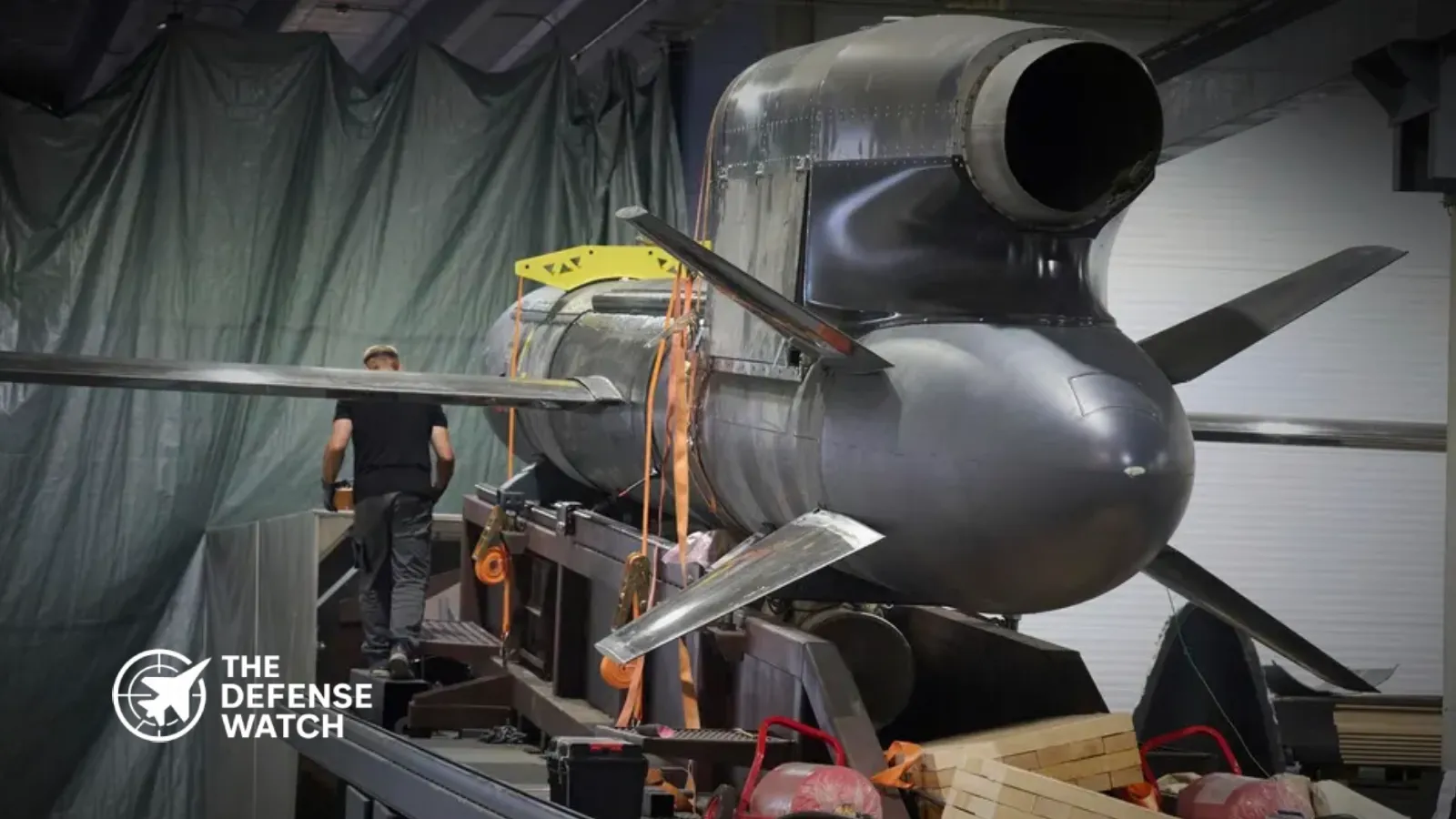
- Fire Point is also developing two supersonic ballistic missiles: the FP-7 (300 km range) and the FP-9 (850 km range, 800 kg warhead) — the latter placing Moscow within reach.
- The company currently produces hundreds of long-range strike drones daily and three Flamingo cruise missiles per day, with export capacity of up to 2,500 drones monthly pending Ukrainian government approval.
The Big Picture
Western air defense architecture faces a compounding supply crisis. Patriot missiles are in increasingly short supply amid extensive deployment in the Gulf against Iranian attacks, and Europe’s only anti-ballistic system, the Italo-French SAMP/T, is produced in relatively small numbers.
That scarcity has created a strategic opening. Nations seeking to protect their airspace — particularly smaller NATO partners, Indo-Pacific allies, and Gulf states — are actively searching for credible, affordable alternatives to a U.S. system whose production cannot currently meet global demand.
Fire Point’s emergence as a serious contender in this space is not accidental. Years of know-how gained on the battlefield fighting Russian forces have made Ukraine a leading innovator in low-cost defense tech. With the outbreak of war in the Gulf, Kyiv has leveraged that expertise to sign security agreements with governments across the region.
What’s Happening
Fire Point — founded after Moscow’s 2022 invasion — is Ukraine’s biggest maker of the long-range drones used in the majority of strikes deep inside Russia. The company has since expanded well beyond drone production.
Its FP-5 long-range cruise missile, commonly known as the Flamingo, has been used to hit Russian military facilities and arms factories, including a ballistic missile plant nearly 1,400 kilometers inside Russian territory.
Now, Shtilierman says Fire Point is targeting the intercept mission. The Patriot system — manufactured by Raytheon and Lockheed Martin — often requires two or three air defense missiles, each costing several million dollars, to bring down a ballistic projectile.
“If we can decrease it to less than $1 million, it will be a game changer in air defense solutions,” Shtilierman said. We plan to intercept the first ballistic missile at the end of 2027.
Shtilierman declined to name the European companies involved in the discussions but said Fire Point is “deeply interested” in collaboration on radar, missile target-seeking, and communications systems — areas where it lacks expertise. He noted that European companies including Weibel, Hensoldt, SAAB, and Thales have capable radar solutions.
Why It Matters
The cost asymmetry in modern air defense has emerged as one of the defining vulnerabilities of Western military posture. Adversaries have learned to exploit it directly: Russia, Iran, and their proxies fire salvos of inexpensive ballistic and cruise missiles, forcing defenders to expend interceptors worth multiples more than the incoming rounds.
If Fire Point can demonstrate a reliable intercept at under $1 million per kill, it addresses one of the most critical tactical and economic imbalances in contemporary warfare. Even a system with somewhat lower kill probability than the Patriot could justify deployment purely on cost-exchange-ratio grounds.
Fabian Hoffmann, a missile expert and senior researcher at the Norwegian Defence University College, acknowledged Fire Point’s 2027 target was “ambitious.” However, he said that beyond Ukraine’s own military needs, there would be strong demand from governments even if its kill rates per missile were less effective than the Patriot’s.
That analysis carries considerable weight. In markets where Patriot is unavailable or unaffordable, a lower-cost system with a lower — but not negligible — intercept probability still provides meaningful deterrence value.
The Offensive Arsenal Expanding in Parallel
Fire Point is not limiting its ambitions to defense. Shtilierman said the company is now in the final stages of developing two supersonic ballistic missiles.
The smaller FP-7, with a range of around 300 kilometers, will have its first military deployment “in the close future,” Shtilierman described it as similar to Lockheed Martin’s ATACMS short-range ballistic system.
The larger FP-9, capable of carrying an 800 kg warhead up to 850 kilometers, is about to enter testing and would place Moscow within range of Ukraine’s ballistic arsenal.
Shtilierman said strikes on Moscow — which is ringed by some of the world’s most formidable air defenses — would cause a “mass shift in the Russian mind and the mind of top guys in Russia.
Separately, Hoffmann noted that while Russia has experience successfully downing ATACMS, more widespread use of ballistic missiles could stretch Russian air defenses, already degraded by Ukrainian strikes.
Strategic Implications
Fire Point’s trajectory reveals a broader strategic shift: Ukraine is transitioning from a nation consuming Western defense capabilities to one producing and exporting them.
Many Ukrainian defense firms are now seeking to export their excess capacity and cash in on a global boom in military spending. While the government recently loosened wartime export restrictions, each proposed deal is still subject to stringent checks and state approval.
This matters for NATO allies. A credible, low-cost Ukrainian air defense system could fill capability gaps in Eastern European nations that cannot afford Patriot batteries, while simultaneously reducing their dependence on U.S. systems that Washington may need to retain for other theaters.
The potential UAE investment adds another dimension. Ukraine’s anti-monopoly authority has until around October to decide on the proposed $760 million acquisition of a 30% stake in Fire Point by the Middle Eastern investor. Ukrainian media have identified the suitor as Emirati defense firm Edge Group.
The investment would be the first step in a project to build a space launch terminal in the UAE, with the aim of eventually establishing a constellation of low-orbit European satellites. That represents a significant expansion of Fire Point’s strategic footprint — from a battlefield supplier to a multi-domain technology enterprise.
Competitor View
Russia’s military planners will be watching Fire Point’s ballistic missile development with close attention. The FP-9’s 850-kilometer range directly threatens Russian territory and command infrastructure in ways that current Ukrainian drone strikes — while disruptive — do not replicate with the same speed and penetration probability of a ballistic trajectory.
From Moscow’s perspective, the weaponization of Ukrainian industrial capacity represents a compounding problem. Every month the war continues, Ukraine’s defense-industrial base gains experience, scales production, and attracts foreign capital. The proposed Emirati investment, if approved, would substantially accelerate that trajectory.
For Iran, a Ukrainian air defense system exported to Gulf states could directly complicate the ballistic missile attack doctrine Tehran has relied upon in the current Gulf conflict. A low-cost intercept solution positioned in the UAE or Saudi Arabia would reduce the cost-exchange advantage Iran has partially exploited against Patriot-equipped defenders.
What To Watch Next
Several near-term milestones will determine whether Fire Point’s air defense ambitions materialize on schedule.
Ukraine’s anti-monopoly authority is expected to rule on the Edge Group investment by October 2026. Approval would unlock substantial capital and open Gulf export channels. Rejection — or prolonged delay — could constrain the company’s ability to fund radar integration with European partners.
Fire Point will increase production of the Flamingo when a new in-house engine goes into mass production in October and a rocket fuel plant in Denmark comes online later this year — pending two final approvals from Danish authorities.
The FP-7’s first military deployment — expected “in the close future” — will serve as a technical proof point for the broader air defense system concept, since the same missile is intended to function as the interceptor in the new system.
Capability Gap
The core gap Fire Point is targeting is straightforward: the world does not have enough affordable ballistic missile interceptors.
Ukraine and many other Western-allied nations rely heavily on the U.S.-made Patriot system to stop ballistic missiles. But Patriot battery production is constrained by U.S. industrial capacity, and the interceptor missiles themselves remain expensive and prioritized for NATO’s most exposed frontlines and critical Gulf deployments.
The realistic limitations of Fire Point’s approach remain significant. Developing a guidance and seeker package capable of engaging a ballistic missile in terminal phase — particularly against maneuvering warheads — is a technically demanding challenge that Ukraine has not previously solved at scale. Radar integration with European partners will be essential, and those partnerships have not yet been formalized.
The 2027 intercept demonstration target, while ambitious, is also a minimum viable proof of concept — not a fielded operational system. Full production, export certification, and integration with customer fire control systems would extend timelines considerably beyond that initial demonstration.
The Bottom Line
Fire Point’s drive toward a sub-$1 million ballistic missile intercept solution directly addresses one of the most consequential economic imbalances in modern air warfare — and if successful, it will reshape the global market for affordable missile defense at a moment when demand far outpaces Western supply.
¦ KEY FACTS AT A GLANCE- Raytheon received a $773.5 million contract modification for AN/TPY-2 radar development.
- The total contract ceiling increased from $1.47 billion to $2.24 billion.
- The ordering period has been extended by three years to October 31, 2030.
- Work focuses on research and development support for the AN/TPY-2 missile defense radar.
- The Missile Defense Agency in Huntsville, Alabama, is the contracting authority.
Raytheon AN/TPY-2 Radar Contract Expanded to Strengthen U.S. Missile Defense
The Raytheon AN/TPY-2 radar contract has been expanded by $773.5 million under a modification issued by the U.S. Missile Defense Agency, raising the total ceiling to $2.246 billion and extending the program through 2030.
The award, granted to Raytheon, modifies an existing indefinite-delivery, indefinite-quantity agreement focused on advancing the Army Navy Transportable Radar Surveillance Control Model-2, commonly known as the AN/TPY-2 radar.
According to the Department of Defense contract announcement, the update extends the ordering period from October 30, 2027, to October 31, 2030, ensuring continued development of one of the United States’ most critical missile tracking systems.
Sustained Investment in Missile Defense Architecture
The Raytheon AN/TPY-2 radar contract reflects a sustained U.S. investment in layered ballistic missile defense, particularly as threat environments evolve in both the Indo-Pacific and Middle East regions.
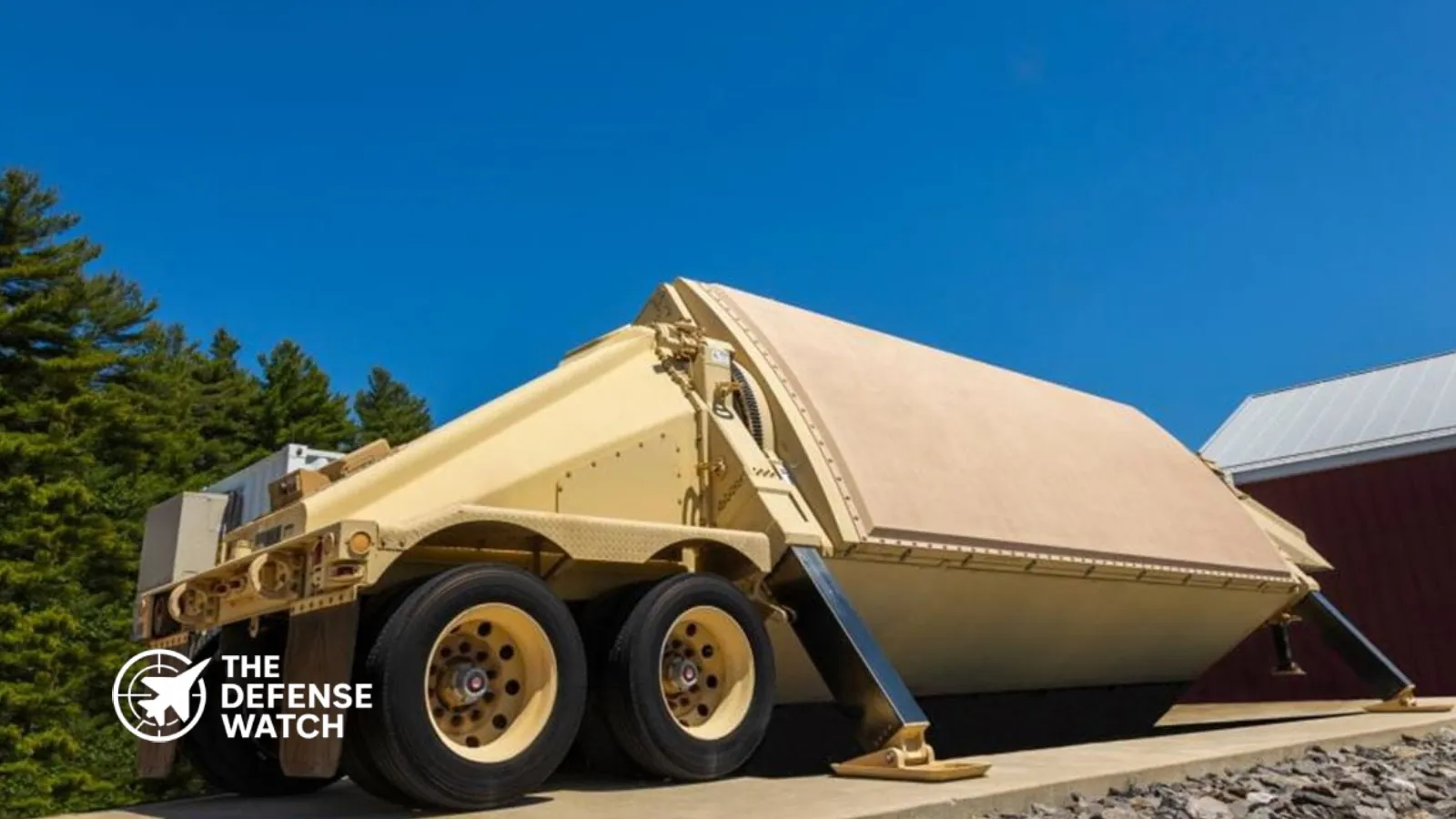
The AN/TPY-2 radar plays a central role in the Terminal High Altitude Area Defense system and broader missile defense networks. It is designed to detect, track, and discriminate ballistic missile threats at long ranges, providing high-resolution data to interceptors and command systems.
By extending the contract, the Missile Defense Agency ensures continued modernization of radar capabilities, including software upgrades, sensor improvements, and integration with next-generation missile defense architectures.
This type of long-term contracting also allows for iterative development, where incremental upgrades can be tested and fielded without requiring entirely new procurement programs.
Strategic Role of AN/TPY-2 Radar
The AN/TPY-2 radar is widely deployed across U.S. and allied territories, supporting forward-based missile defense operations. Its ability to operate in both terminal mode and forward-based mode gives commanders flexibility in responding to regional threats.

Image : RTX In forward-based deployments, the radar provides early tracking data that enhances intercept opportunities for systems such as THAAD and Aegis Ballistic Missile Defense. In terminal mode, it supports endgame interception by refining targeting data.
The continued expansion of the Raytheon AN/TPY-2 radar contract suggests the Pentagon sees ongoing value in upgrading existing radar infrastructure rather than replacing it outright. This approach aligns with broader U.S. defense strategy, which emphasizes networked systems and sensor integration.
Contract Growth Signals Long-Term Demand
The increase in contract ceiling from $1.472 billion to $2.246 billion highlights both rising costs and expanding scope. Development contracts of this nature typically cover a mix of engineering, testing, sustainment, and capability enhancements.
The three-year extension indicates that radar development timelines are being adjusted to align with evolving operational requirements and emerging threats, including hypersonic glide vehicles and more sophisticated ballistic missile systems.
From an industry perspective, this reinforces Raytheon’s position as a key supplier in the missile defense sector. The company has long been associated with radar systems, interceptors, and integrated air and missile defense solutions.
Broader Implications for U.S. Defense Posture
The expansion of the Raytheon AN/TPY-2 radar contract comes at a time when the United States is refining its missile defense posture to address increasingly complex threats.
Recent defense strategies have emphasized sensor networks, data fusion, and real-time tracking capabilities. Radars like the AN/TPY-2 are critical nodes in this architecture, feeding data into command and control systems that coordinate intercept operations.
By continuing investment in proven systems, the Pentagon avoids capability gaps while new technologies are developed. This layered approach ensures that existing systems remain effective even as next-generation solutions are introduced.
KEY FACTS AT A GLANCE- The PAC-3 interceptor demonstrated extremely high effectiveness during recent missile defense testing.
- The missile uses hit-to-kill technology designed to destroy ballistic and advanced maneuvering threats.
- Testing reflects growing demand for layered missile defense against emerging hypersonic weapons.
- The Patriot PAC-3 system remains a key component of U.S. and allied air and missile defense architecture.
- Modernization of missile defense systems is accelerating amid rising global missile threats.
PAC-3 Interceptor Shows Strong Performance Against Emerging Missile Threats
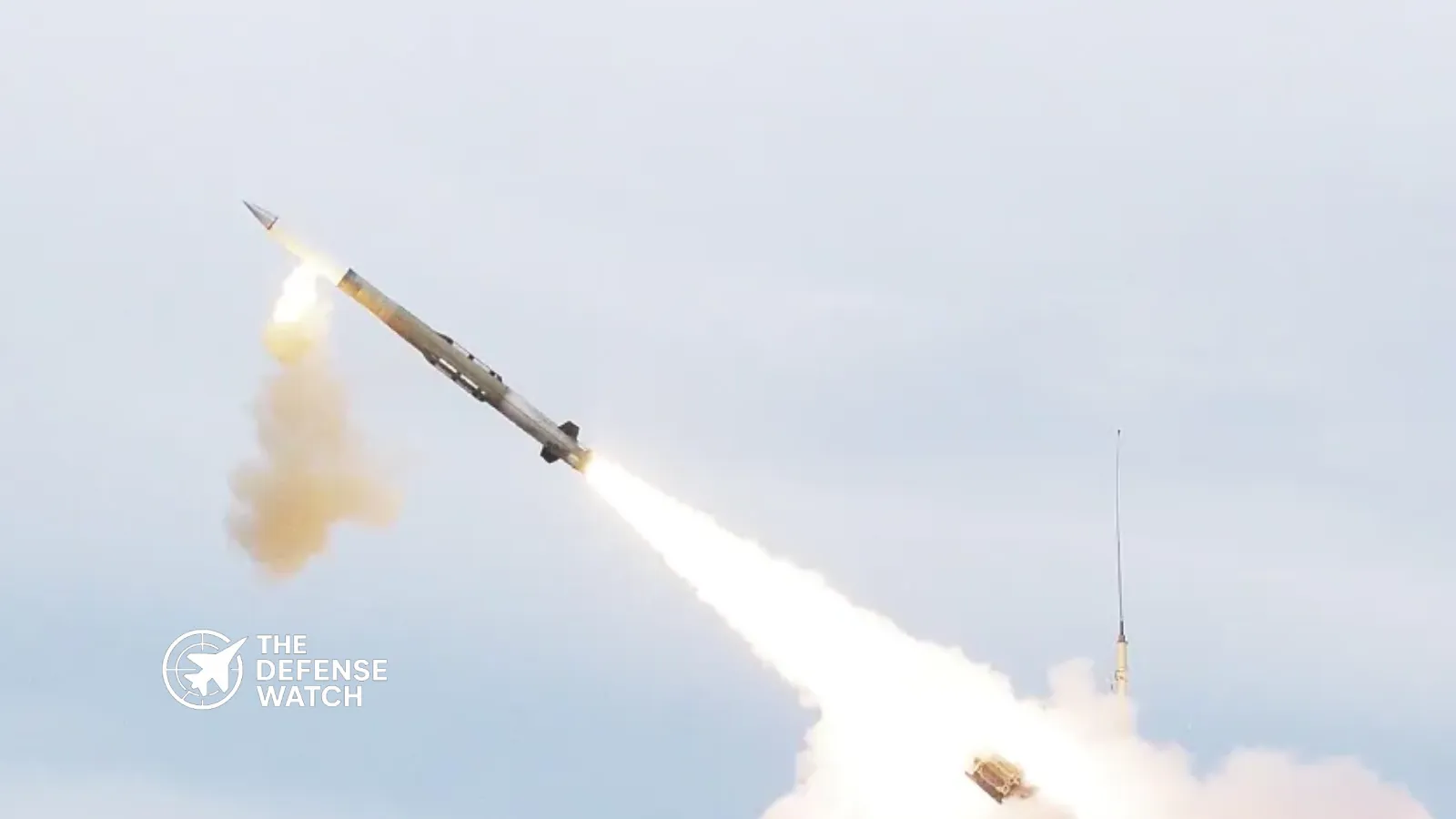
The PAC-3 interceptor has demonstrated extremely high effectiveness against ballistic and hypersonic missile threats during recent testing, reinforcing the growing importance of advanced missile defense systems in modern military operations.
The interceptor is a central component of the Patriot air and missile defense system, widely deployed by the United States and numerous allied nations. Its latest testing highlights the system’s capability to defeat increasingly complex missile threats that are reshaping global defense planning.
The Big Picture
Missile defense has become a critical pillar of U.S. and allied military modernization strategies. Nations such as China, Russia, Iran, and North Korea continue to expand their arsenals of ballistic and advanced maneuvering missile systems, including hypersonic weapons designed to evade traditional defenses.
These developments have increased the urgency for layered missile defense architectures capable of detecting, tracking, and intercepting high-speed threats across multiple phases of flight.
The PAC-3 interceptor sits at the center of this architecture. Integrated within the Patriot system, it provides terminal phase missile defense against short and medium range ballistic missiles, cruise missiles, and advanced aerial threats.
Recent testing results underscore the system’s continued relevance as militaries seek to counter evolving missile technologies.
What’s Happening
Recent missile defense testing demonstrated the PAC-3 interceptor successfully engaging advanced target threats designed to replicate modern ballistic and hypersonic missile profiles.
The interceptor uses hit-to-kill technology, which destroys incoming threats through direct kinetic impact rather than relying on explosive warheads. This approach increases interception accuracy and reduces the risk of debris or secondary damage.
The PAC-3 missile is part of the Patriot Advanced Capability program developed by Lockheed Martin and integrated within the Patriot air and missile defense system, originally developed by Raytheon.
Modern variants such as the PAC-3 Missile Segment Enhancement (MSE) feature improved propulsion, enhanced maneuverability, and extended engagement ranges. These upgrades allow the interceptor to engage faster and more agile threats compared to earlier Patriot interceptors.
Testing typically takes place at U.S. missile ranges such as the White Sands Missile Range, where advanced target vehicles simulate real-world missile attack profiles.
Why It Matters
The demonstrated effectiveness of the PAC-3 interceptor is significant because missile threats are evolving faster than many existing defense systems.
Ballistic missiles continue to proliferate globally, while hypersonic weapons introduce additional challenges due to their high speed and maneuverability. Hypersonic glide vehicles can change trajectory during flight, complicating traditional interception methods.
The PAC-3 interceptor provides a critical terminal defense layer within a broader integrated missile defense network. Systems such as the Patriot battery often protect high-value assets including air bases, command centers, and critical infrastructure.
Operational experience has reinforced the system’s importance. Patriot systems equipped with PAC-3 interceptors have been deployed in Europe, the Middle East, and the Indo-Pacific to defend allied forces and infrastructure.
Strategic Implications
Effective missile defense enhances deterrence by reducing the potential impact of adversary missile strikes. The performance of the PAC-3 interceptor supports broader U.S. and allied strategies aimed at strengthening integrated air and missile defense.
Countries across Europe, the Middle East, and Asia continue to invest heavily in Patriot systems and PAC-3 interceptors as missile threats expand regionally.
Several NATO members are increasing procurement as part of Europe’s evolving air and missile defense architecture. Similarly, partners in the Indo-Pacific view Patriot systems as a key defense against regional missile capabilities.
By demonstrating strong effectiveness during testing, the PAC-3 program helps reinforce confidence among allied militaries that rely on the system for frontline missile defense.
Competitor View
Strategic competitors closely monitor developments in U.S. missile defense technologies.
China and Russia have invested heavily in maneuverable hypersonic systems partly designed to complicate existing missile defense networks. Systems such as Russia’s Avangard hypersonic glide vehicle and China’s DF-17 hypersonic missile reflect this trend.
These weapons aim to exploit gaps in traditional air defense by flying at extremely high speeds and maneuvering during flight.
Testing results showing strong performance from interceptors like PAC-3 signal that missile defense technologies are continuing to evolve in response.
Capability Gap
The PAC-3 interceptor addresses a key operational challenge in modern warfare, defending against short and medium range ballistic missiles during the final phase of flight.
While the system provides highly effective terminal defense, it represents only one layer within a broader missile defense architecture.
Long range ballistic missiles and advanced hypersonic weapons may require additional systems such as high altitude interceptors, space based sensors, and early warning networks.
For this reason, U.S. missile defense strategy relies on a layered structure combining Patriot, THAAD, Aegis Ballistic Missile Defense, and emerging hypersonic defense programs.
What To Watch Next
Several developments will shape the future of the PAC-3 interceptor program.
Production of PAC-3 MSE interceptors continues to expand to meet growing global demand. The United States and allied nations are also investing in improved radar systems, enhanced command and control networks, and integrated air defense frameworks.
Future upgrades could further increase interception ranges, engagement speeds, and system integration across multi domain defense networks.
As missile threats continue to evolve, testing and modernization efforts will remain essential to maintaining the effectiveness of the Patriot system.
The Bottom Line
The PAC-3 interceptor remains a cornerstone of modern missile defense, providing proven capability against ballistic and emerging hypersonic missile threats.
KEY FACTS AT A GLANCE¦ KEY FACTS AT A GLANCE- The Missile Defense Agency awarded Raytheon a contract modification worth $1.36 billion for SM-3 Block IB interceptor production.
- The contract includes 23 additional SM-3 Block IB All-Up Rounds, bringing the total order to 78 interceptors.
- Funding also supports restarting the SM-3 Block IB production line after a pause in manufacturing.
- Work will take place in Tucson, Arizona and Huntsville, Alabama with completion expected by May 2030.
- The expanded contract raises the total value of the broader program to more than $3.31 billion.
SM-3 Block IB Missile Production Restarts Under Major Raytheon Contract
The SM-3 Block IB missile program is receiving renewed investment after the Missile Defense Agency awarded Raytheon a contract modification worth $1.36 billion to produce additional interceptors and restart a previously paused production line.
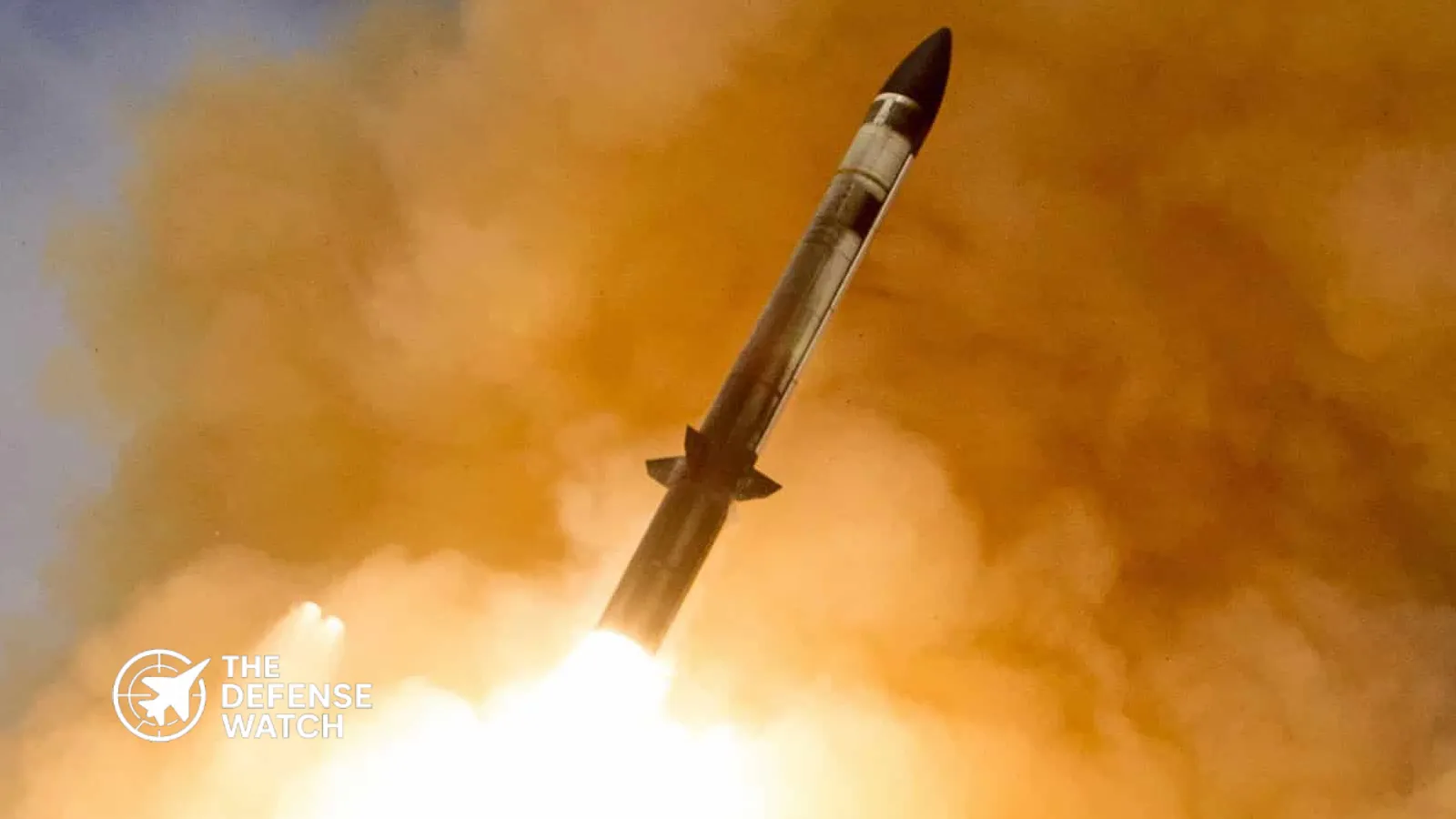
The contract modification definitizes two earlier undefinitized contract actions and funds the procurement of 23 additional Standard Missile-3 Block IB All-Up Rounds (AURs). Once delivered, the total number of interceptors under the contract will reach 78 missiles.
The award increases the total value of the broader contract to approximately $3.31 billion, according to the U.S. Department of Defense.
The Big Picture
Ballistic missile defense remains a central element of U.S. military strategy as the United States faces expanding missile threats from countries such as China, Russia, Iran, and North Korea.
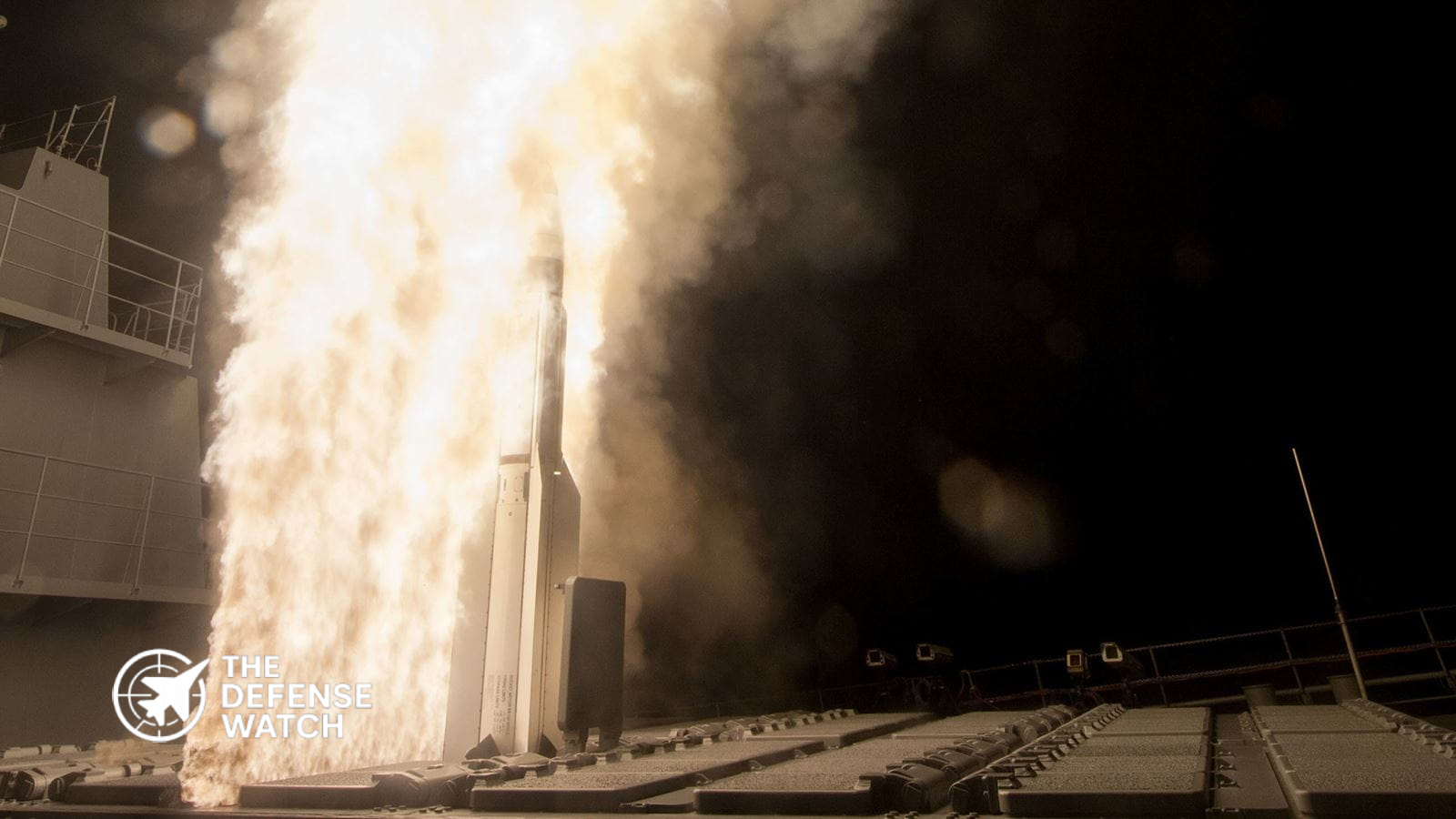
The Standard Missile-3 interceptor family forms a critical layer of the U.S. Navy’s sea-based ballistic missile defense architecture. Deployed aboard Aegis-equipped destroyers and cruisers, SM-3 interceptors destroy short- and intermediate-range ballistic missiles during the midcourse phase of flight outside the Earth’s atmosphere.

Image : RTX The renewed investment in the SM-3 Block IB missile comes as the United States continues expanding its integrated missile defense network, which includes naval interceptors, ground-based interceptors, and advanced radar systems.
The contract also reflects growing demand for interceptors as the Pentagon seeks to maintain sufficient stockpiles while supporting allies that operate Aegis ballistic missile defense systems.
What’s Happening
The Missile Defense Agency (MDA) awarded the contract modification to Raytheon in Tucson, Arizona, under an existing agreement for SM-3 Block IB interceptor production.
The modification definitizes two earlier contract actions and adds funding for additional missiles.
Key details include:
- Contract value of modification: $1,365,912,456
- Total contract value after modification: $3,314,625,961
- Additional interceptors: 23 SM-3 Block IB All-Up Rounds
- Total missiles under contract: 78
- Completion timeline: May 2030
The contract also includes one-time costs to restart the SM-3 Block IB production line, which had previously slowed as newer missile variants entered development.
Production work will take place in Tucson, Arizona, where Raytheon manufactures missile systems, and Huntsville, Alabama, a major U.S. missile defense engineering hub.
Funding comes from fiscal year 2024 and fiscal year 2025 procurement budgets, which fully finance the effort at the time of award.
Why It Matters
Restarting SM-3 Block IB missile production highlights a key challenge in modern missile defense: maintaining sufficient interceptor inventories while developing newer systems.
Even as the United States moves forward with advanced variants such as the SM-3 Block IIA, existing interceptors remain operationally relevant. Many naval vessels and allied missile defense networks still rely on the Block IB configuration.
Reopening a production line ensures the U.S. military can replenish interceptor stocks that may be used during testing, operational deployments, or contingency scenarios.
Missile defense planners increasingly emphasize inventory depth because ballistic missile defense interceptors are single-use weapons. Once launched, they cannot be recovered or reused.
This reality requires sustained production capacity to maintain readiness.
Strategic Implications
The SM-3 Block IB missile plays a central role in the Navy’s Aegis Ballistic Missile Defense system, which provides mobile protection against regional missile threats.
Aegis destroyers deployed in regions such as the Indo-Pacific, Europe, and the Middle East rely on SM-3 interceptors to counter potential ballistic missile attacks.
Increasing interceptor inventory strengthens several aspects of U.S. defense posture:
• Protection of forward-deployed forces
• Defense of allied territories
• Reinforcement of naval ballistic missile defense patrolsThe restart of production also reinforces the industrial base supporting missile defense systems. Maintaining manufacturing capacity for complex interceptors remains a strategic priority for the Pentagon.
Missile defense systems often require specialized components and long production timelines, making supply chain continuity essential.
Competitor View
Strategic competitors closely monitor developments in U.S. missile defense capabilities.
China and Russia have both criticized U.S. interceptor programs, arguing that expanding missile defense systems could undermine strategic deterrence by reducing the effectiveness of adversary missile forces.
Regional actors such as Iran and North Korea also track improvements to U.S. and allied missile defense networks.
While the SM-3 Block IB missile focuses primarily on regional ballistic missile threats rather than intercontinental weapons, expanded interceptor inventories complicate the planning of missile-based strike strategies.
For U.S. allies operating Aegis-equipped ships or missile defense installations, additional interceptors strengthen deterrence by increasing the likelihood that missile attacks could be intercepted.
What To Watch Next
Several developments will shape the future of the SM-3 interceptor program in the coming years.
Production ramp-up will begin as Raytheon restarts the Block IB manufacturing line. Deliveries will continue through the end of the decade, with completion scheduled for May 2030.
At the same time, the Pentagon continues deploying the more advanced SM-3 Block IIA interceptor, developed jointly with Japan.
The coexistence of multiple interceptor variants suggests the Navy will continue using a layered missile defense approach, combining different interceptor types optimized for varying threat ranges and engagement scenarios.
Missile defense planners are also studying next-generation interceptors and improvements to sensor networks that guide interceptors toward incoming targets.
Capability Gap
The restart of SM-3 Block IB missile production addresses a practical capability gap in interceptor availability.
Ballistic missile defense operations require a large number of interceptors to maintain effective coverage across multiple regions.
Operational planning often assumes that several interceptors may be required to ensure the successful interception of a single incoming missile.
Maintaining interceptor inventory therefore becomes a critical component of overall defense readiness.
At the same time, the Block IB interceptor has limitations compared with newer variants. Its engagement envelope is smaller than the SM-3 Block IIA, and it focuses primarily on short- and intermediate-range ballistic missile threats.
Despite those limits, the missile remains a reliable component of the Aegis missile defense architecture.
The Bottom Line
The United States is expanding SM-3 Block IB missile production to reinforce interceptor inventories and sustain a critical layer of sea-based ballistic missile defense.
Oreshnik Emerges as a Strategic Threat
Russia’s new hypersonic Oreshnik intermediate-range ballistic missile is rapidly changing the strategic balance in Europe and forcing NATO planners to weigh new risks to allied territory and U.S. interests. The missile, used at least twice in active combat in Ukraine, has a reported range that puts many European capitals within reach and a flight profile designed to compress interceptor reaction time.
In a January 9, 2026 operation, Russia confirmed it struck western Ukraine’s Lviv region with an Oreshnik missile, a launch that came amid broader Russian attacks across Ukrainian territory. The launch occurred about 60 kilometers from the Polish border, raising alarm in Warsaw and other NATO capitals.
What Is the Oreshnik Missile?
Oreshnik is a road-mobile, solid-fuel intermediate range ballistic missile (IRBM) developed by Russia’s strategic forces and entering active service in recent months. It is widely seen as an evolution of earlier programs such as the RS-26 Rubezh, yet tailored for both high-speed conventional and nuclear roles.

Key attributes include:
- Speed: Hypersonic flight exceeding Mach 10 during terminal phase.
- Range: Estimated between 3,000 and 5,500 kilometers, enough to reach deep into Europe and western Russia’s Western Hemisphere targets from forward positions.
- Mobility: Road-mobile transporter-erector-launcher increases survivability and complicates tracking.
- Payload: Designed for multiple independently targetable reentry vehicles (MIRVs), conventional submunitions, or low-yield nuclear warheads.
This combination challenges traditional missile defenses because hypersonic delivery compresses the time between launch detection and impact. Allied radar and interceptor systems may have limited windows to react if the Oreshnik is launched from closer locations such as Belarus or western Russia.
Combat Use and Recent Strikes
The Oreshnik missile first saw combat in November 2024 near Dnipro, Ukraine, and was again used in January 2026 in the Lviv region. In both cases, Moscow did not deploy a confirmed nuclear warhead, instead using conventional payloads in what Western analysts call a calibrated strategic message rather than purely tactical strikes.
The January 2026 launch, however, significantly escalated political tensions given its proximity to NATO territory. Ukrainian foreign officials labeled the strike a war crime and called for an emergency United Nations Security Council meeting to address the use of such strategic weapons near NATO borders.
Technical Challenges for NATO Missile Defenses
Russia’s Ministry of Defense asserts that Oreshnik is nearly impossible to intercept. While this claim is debated, the missile’s speed and potential for multiple warheads complicate engagement. Current NATO and U.S. missile defense systems such as Aegis SM-3, THAAD, and Arrow 3 provide exoatmospheric interception capabilities, but coverage gaps and limited inventory reduce confidence against a full Oreshnik strike.
Moreover, missile defense systems face unique difficulties:
- Compressed reaction windows due to hypersonic velocity
- Maneuverable reentry vehicles that can change trajectory
- Simultaneous targets from multiple warheads designed to saturate defenses
These factors create a calculus where defense planners must weigh strategic priorities against evolving Russian capabilities.
Belarus Deployment and Strategic Signaling
Russia has moved to station Oreshnik missile units in Belarus, a move aligned with strategic cooperation with Minsk and intended to reduce flight times to Western targets. Belarusian leaders have publicly confirmed deployment of missile systems and training of crews.
This forward placement significantly shortens strike distances to NATO member Poland and beyond, intensifying alliance concerns. Presence of IRBMs in Belarus also complicates European security planning, because shorter routes to Western territories create urgent timelines for early warning and response.
Shifts in Arms Control and Strategic Stability
The emergence of Oreshnik underscores gaps in post-Cold War arms control frameworks. The collapse of the Intermediate-Range Nuclear Forces Treaty in 2019 removed limits on ground-launched ballistic systems with intermediate ranges. Russia’s rapid adaptation of programs such as RS-26 into an operational IRBM illustrates how voids in formal controls can lead to new strategic capabilities.
At the same time, efforts to negotiate limits on these classes of weapons have stalled amid broader East-West tensions, leaving NATO to address changing threats through deterrence and defense rather than treaty constraints.
Analysis: Strategic Implications for NATO and U.S. Planning
The Oreshnik missile is not just another addition to Russia’s arsenal. It embodies a shift toward systems that blur traditional distinctions between theater ballistic roles and strategic reach. By combining hypersonic speed with mobile launch platforms and potential nuclear payloads, Moscow gains a lever to thwart predictable response timelines.
For NATO, this means two immediate challenges:
- Air and missile defense adaptation: Allies will need to accelerate deployment of sensors and interceptors optimized for high-speed terminal threats.
- Alliance cohesion tests: Proximity strikes near NATO borders create political pressures for responses or posture changes that could widen the conflict.
For the United States, the visibility of Oreshnik deployments and combat use presses a reassessment of deterrence strategies in Europe. U.S. defense planning may prioritize forward sensor integration and layered defenses that can provide early detection and engagement opportunities before hypersonic missiles enter their final terminal phase.
Looking Ahead
The Oreshnik missile’s growing role in Russia’s strategic posture signals that future European security will require adaptive planning, not simply extensions of Cold War-era frameworks. NATO’s capacity to absorb, deter, and respond to hypersonic IRBM threats will shape alliance readiness in the decade ahead.
The weapon’s existence and operational use sharpen debates on defense investment priorities, alliance force deployments, and the balance between deterrence and de-escalation in volatile times.
FAQs
What is the Oreshnik missile?It’s a Russian intermediate-range ballistic missile capable of hypersonic flight, dual conventional and nuclear payloads, and designed to challenge missile defenses across Europe.
Has the Oreshnik been used in combat?Yes, confirmed strikes occurred in 2024 near Dnipro and in early 2026 near Lviv in Ukraine.
Can NATO intercept an Oreshnik missile?Current defenses may struggle due to its speed and MIRV potential, though systems like Aegis and Arrow provide some capability.
Does Oreshnik carry nuclear weapons?It is designed to carry nuclear warheads, though there is no public evidence it has been armed with one in combat so far.
Why is NATO concerned?The missile’s range brings allied capitals within striking distance from forward areas, compressing reaction times and raising strategic risk.
Lockheed Martin UAE THAAD Sustainment Contract
Lockheed Martin has secured a 142.6 million contract to provide sustainment support for the UAE THAAD missile defense system, reinforcing the long term readiness of the country’s ballistic missile defense architecture.
The contract, awarded by the U.S. Department of Defense, covers logistics, maintenance, and technical services to ensure continued operational availability of the UAE THAAD missile defense system. The work supports one of the most advanced missile defense networks deployed in the Middle East.
According to Army Recognition and U.S. defense officials, the agreement focuses on sustainment activities rather than new system deliveries, highlighting the UAE’s emphasis on maintaining high readiness levels for existing strategic assets.
Sustaining a Key Regional Missile Defense Asset
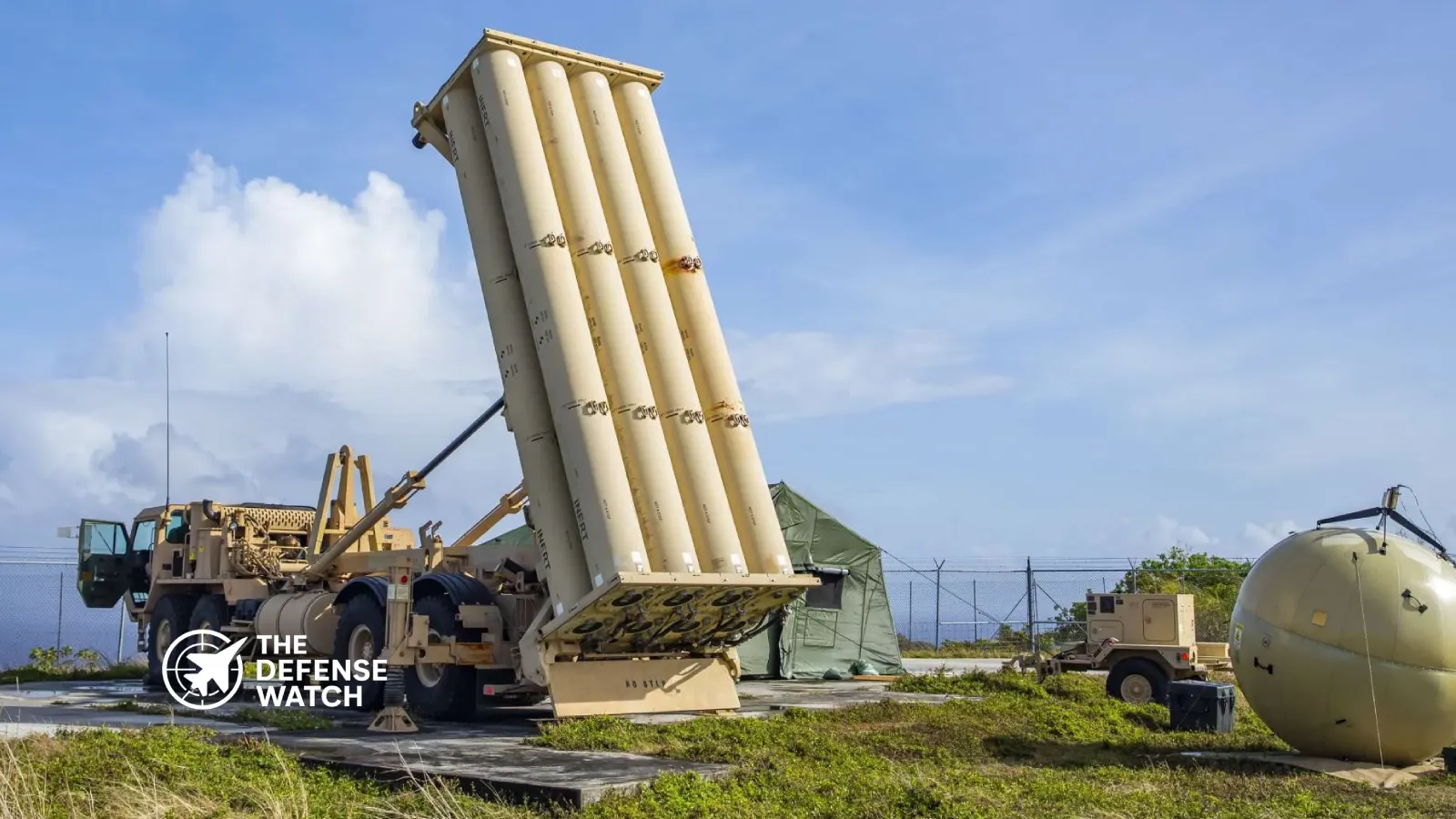
The Terminal High Altitude Area Defense system is designed to intercept short and intermediate range ballistic missiles during the terminal phase of flight. The UAE became the first international customer for THAAD, integrating it into a layered air and missile defense structure alongside Patriot systems.
Under the new contract, Lockheed Martin will deliver system sustainment, engineering support, and supply chain services. These efforts are intended to preserve system reliability and ensure interoperability with U.S. forces operating in the region.
Strategic Importance for the UAE and the U.S.
The UAE THAAD missile defense deployment plays a central role in regional deterrence amid persistent missile and drone threats. Continued sustainment support strengthens collective defense cooperation between Washington and Abu Dhabi.
Lockheed Martin stated that the program reflects ongoing U.S. commitment to supporting allied missile defense capabilities through long term partnerships and lifecycle support.