NATO Activates Comprehensive Arctic Defense Mission
NATO officially launched its Arctic Sentry operation on February 11, 2026, marking a significant escalation in the alliance’s military presence across the High North region. The operation consolidates allied activities under unified command to address growing threats from Russia and China in strategically vital Arctic territory.
NATO Secretary General Mark Rutte announced the mission will bring all allied Arctic activities into “one overarching operational approach to the region”, enabling rapid identification and response to security gaps. The operation comes after weeks of diplomatic negotiations following U.S. President Donald Trump’s controversial statements about acquiring Greenland for security purposes.
Joint Forces Command Norfolk will lead Arctic Sentry under the direct authority of the Supreme Allied Commander Europe, according to NATO’s statement. The command structure mirrors successful Baltic Sentry and Eastern Sentry operations, applying proven surveillance and deterrence frameworks to Arctic waters.
Greenland Tensions Drive Alliance Response
The Arctic Sentry operation emerged from intense deliberations among NATO allies following Trump’s claims that security threats in the region require U.S. control of Greenland, a semi-autonomous Danish territory. Denmark responded by stepping up its military presence in Greenland and inviting allies including France and the United Kingdom to participate in enhanced defense activities.
A January 2026 meeting between Trump and Rutte in Davos, Switzerland, produced an agreement that NATO should collectively assume greater responsibility for Arctic defense. The alliance framed this approach as addressing legitimate concerns about Russian military activity and Chinese strategic interests while maintaining respect for Danish sovereignty.
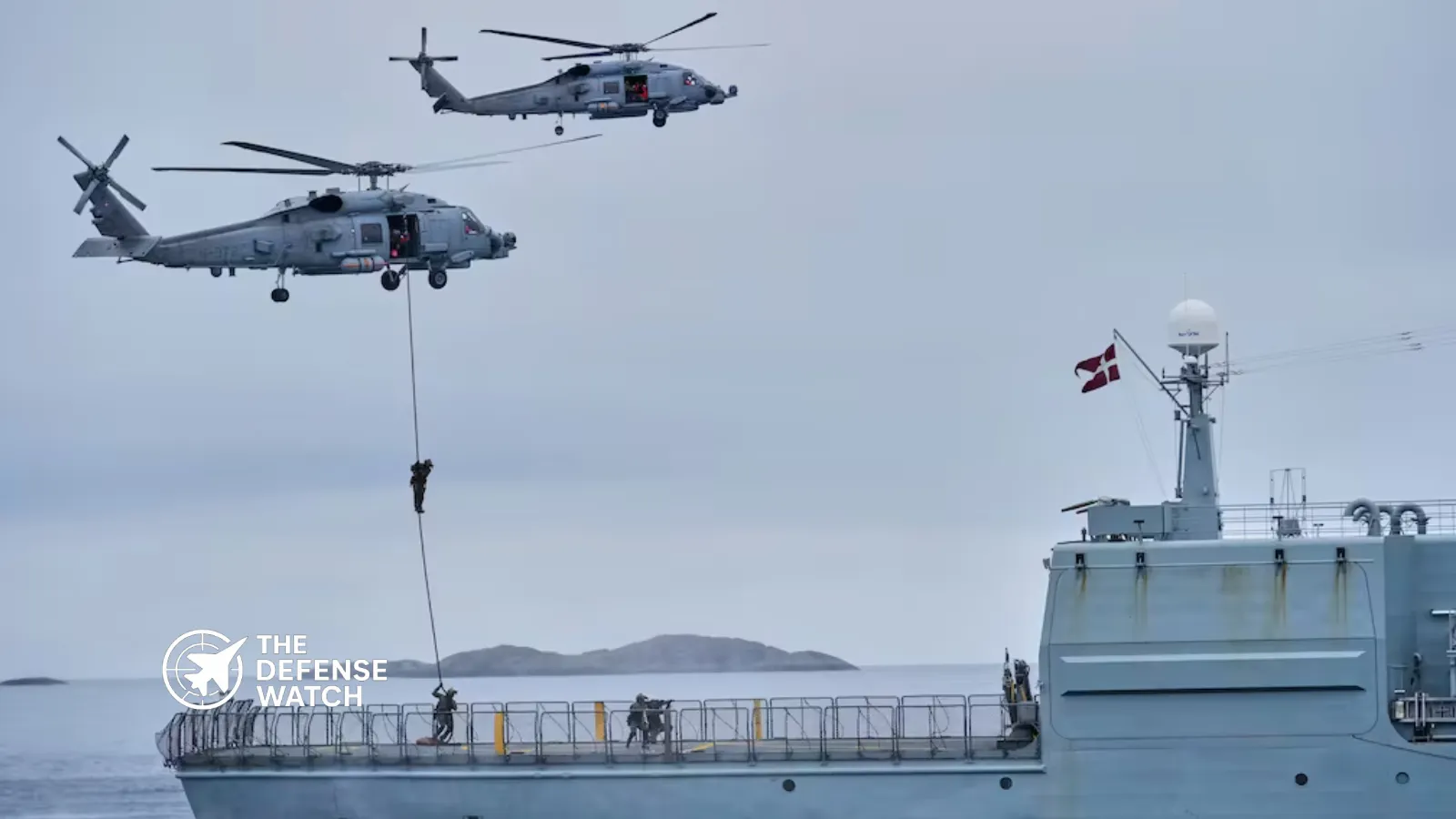
Danish Minister of Defence Troels Lund Poulsen confirmed Denmark will contribute “substantially” to Arctic Sentry, though specific operational details remain under development. “The Kingdom has long been pushing for NATO to play a greater role in the Arctic, and in recent months we have intensified that work,” Lund Poulsen stated.
Russia-China Arctic Activity Triggers Alliance Concerns
NATO leadership has consistently warned about expanding adversary presence in Arctic regions as climate change opens new maritime routes and resource access. Rutte acknowledged NATO intelligence shows “the Russians and the Chinese are becoming more and more active” in the Arctic, though Denmark maintains no Chinese vessels currently operate near Greenland.
Russia poses what British Defence Secretary John Healey characterized as “the greatest threat to Arctic and High North security that we have seen since the Cold War.” Healey noted Putin is “rapidly re-establishing military presence in the region, including reopening old Cold War bases”.
The melting of polar ice due to climate change creates new strategic vulnerabilities. As sea lanes open, Russia and China gain opportunities to project power, challenge NATO maritime supremacy, and potentially target critical undersea infrastructure including internet cables and energy pipelines that carry trillions of dollars in financial transactions.
Multi-Domain Operations Across Arctic Theater
Arctic Sentry will employ a comprehensive multi-domain approach integrating space, cyber, land, sea and air capabilities across the vast Arctic operational environment. The operation coordinates existing allied activities including Denmark’s Arctic Endurance exercises and various national contributions from NATO members.
The United Kingdom announced plans to double British troop deployments to Norway, reaching 2,000 personnel over three years. British forces will play a “vital role” in Arctic Sentry operations, according to the UK Ministry of Defence. In March 2026, approximately 1,500 Royal Marine Commandos will deploy to Norway for the NATO Cold Response exercise, spanning Norway, Finland and Sweden.
The UK-led Joint Expeditionary Force, comprising Denmark, Estonia, Finland, Iceland, Latvia, Lithuania, the Netherlands, Norway, Sweden and the United Kingdom, will conduct Exercise Lion Protector in September 2026. This operation will deploy hundreds of troops across Iceland, the Danish Straits and Norway to train critical infrastructure protection and joint command capabilities.
Command Structure And Allied Coordination
Joint Forces Command Norfolk, headquartered in Virginia, will lead Arctic Sentry operations with oversight from Allied Command Operations. The Norfolk command maintains responsibility for NATO territory stretching from Florida to the North Pole, making it uniquely positioned to coordinate Arctic defense.
U.S. Vice Admiral Doug Perry currently commands JFC Norfolk, though NATO plans eventually shifting the command to European leadership as part of alliance restructuring efforts. This transition reflects broader initiatives to increase European command responsibility across NATO structures traditionally led by American officers.
Arctic Sentry will coordinate closely with U.S. Northern Command and U.S. European Command, ensuring seamless integration of American and allied military assets. The operation will benefit from “the latest technological insights” from Allied Command Transformation, NATO’s strategic innovation center.
Strategic Significance Of Arctic Security
The Arctic represents one of NATO’s most strategically significant and environmentally challenging operational theaters. The region provides critical access routes for Russia’s Northern Fleet to threaten NATO members across the Atlantic. Control of Arctic sea lanes, undersea cables, and emerging shipping routes carries profound implications for transatlantic security.
“What we are assessing is that there is a real threat” as sea lanes open up, Rutte stated, emphasizing the necessity of protecting vital NATO territory. The alliance views Arctic security as integral to broader European defense, with vulnerabilities in the High North potentially cascading into wider security challenges.
NATO officials have expressed particular concern about potential Russian targeting of undersea infrastructure. The Baltic Sentry operation, launched in 2025 following suspected sabotage incidents damaging energy pipelines and communication cables, demonstrated the effectiveness of coordinated surveillance using naval drones, warships, submarines and aircraft. Allied officials report fewer incidents in the Baltic Sea following that operation’s implementation.
Operational Challenges And Alliance Capabilities
Arctic Sentry faces substantial operational challenges unique to High North operations. NATO currently possesses approximately 40 icebreaker vessels across all member nations—significantly fewer than Russia’s icebreaker fleet. Effective coverage of the vast Arctic operational area would require hundreds of such specialized ships.
Beyond Nordic countries and Canada, few NATO forces possess extensive experience operating in harsh Arctic conditions. The alliance must develop cold-weather expertise, specialized equipment, and operational protocols suitable for extreme environments where conventional military assets may struggle to function effectively.
Germany has considered deploying at least 5,000 troops to Greenland as a deterrent force, though analysts question whether ground forces would significantly enhance regional security given that potential threats likely involve maritime and air domains rather than land invasion scenarios.
Integration With Existing NATO Operations
Arctic Sentry joins NATO’s expanded network of vigilance activities designed to counter Russian aggression across multiple theaters. The operation follows the Baltic Sentry model, which has proven successful in deterring undersea sabotage and protecting critical infrastructure in Northern European waters.
Eastern Sentry operations along NATO’s eastern flank complement Arctic activities, creating a comprehensive defensive posture extending from the Baltic states through Poland and Romania. This integrated approach enables rapid resource reallocation and coordinated responses to evolving threats across NATO’s expansive operational environment.
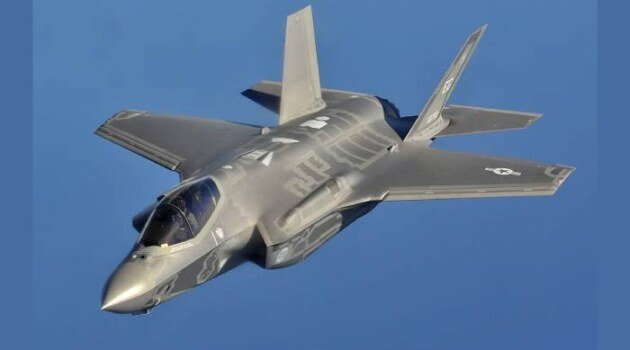
The March 2026 Cold Response exercise will deploy approximately 3,000 U.S. Marines alongside roughly 25,000 personnel from a dozen countries across Norway, Finland and Sweden. American participation will include special operations troops, P-8 Poseidon maritime patrol aircraft, F-35A Lightning II fighters and other advanced military assets, demonstrating the scale of NATO’s Arctic commitment.
Political And Strategic Implications
Arctic Sentry’s launch signals NATO’s determination to maintain territorial integrity and alliance cohesion despite internal tensions over Trump’s Greenland statements. The operation provides a diplomatic mechanism for addressing legitimate security concerns while avoiding confrontation between the United States and European allies.
The mission demonstrates NATO’s adaptability in responding to emerging threats and geopolitical challenges. By consolidating Arctic activities under unified command, the alliance enhances operational effectiveness while presenting a cohesive strategic front to potential adversaries.
Future developments may include European forces handling air and sea surveillance of the GIUK gap—the strategic zone between Greenland, Iceland and the United Kingdom—while the United States potentially increases its military presence in Greenland under the 1951 treaty allowing unlimited U.S. deployment to the island with Danish consent.
The European Union is separately considering using continental rearmament programs to build specialized icebreakers for deployment alongside NATO warships, reflecting parallel European initiatives to enhance Arctic capabilities independent of alliance structures.
Long-Term Arctic Security Outlook
As climate change continues accelerating Arctic ice melt, the strategic importance of the High North will only increase. New shipping routes, resource extraction opportunities, and maritime chokepoints will emerge, creating both economic opportunities and security vulnerabilities that NATO must address through sustained military presence and diplomatic engagement.
We have to be very watchful and not naive,” Rutte emphasized, characterizing the alliance’s approach to growing Russian and Chinese Arctic activities. Arctic Sentry represents NATO’s commitment to proactive defense rather than reactive crisis response, positioning the alliance to maintain strategic advantages in a rapidly evolving operational environment.
The operation’s success will depend on sustained political commitment, adequate resource allocation, and continued Allied cooperation despite domestic political pressures and competing defense priorities. NATO’s ability to maintain operational tempo in the challenging Arctic environment while deterring adversary aggression will test the alliance’s capabilities and resolve in coming years.
Get real time update about this post category directly on your device, subscribe now.