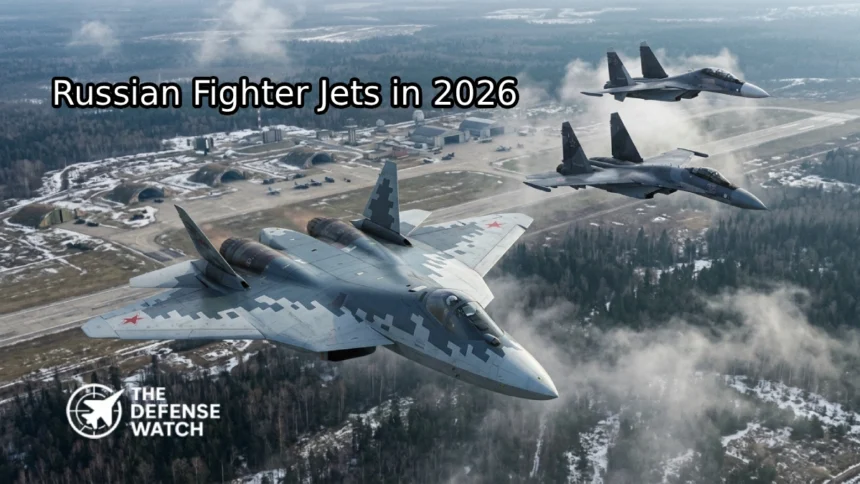
Russia’s fighter modernization program in 2026 is built around two different priorities: improving aircraft already in service and expanding the capabilities of its newer fifth-generation fighter. The Sukhoi Su-57, Su-35S and Su-30SM family occupy distinct roles in that effort, while the proposed MiG-41 remains a much less certain prospect.
- Four aircraft, four different levels of maturity
- Su-57: Russia’s most advanced fighter design
- Su-35S: A mature fighter built for air superiority
- Su-30SM and Su-30SM2: The multirole workhorses
- MiG-41: An interceptor still awaiting proof
- How the four aircraft compare
- Which Russian fighter is best for each mission?
- What Russia’s fighter procurement reveals
The distinction matters because the most advanced aircraft on paper is not necessarily the most useful across an entire air force. Production capacity, maintenance requirements, weapons integration, pilot training and the number of aircraft available for operations all influence a fighter’s practical value.
Russia’s United Aircraft Corporation (UAC) reported delivering additional Su-57 fighters in September 2026. It also announced Su-35S deliveries in August and deliveries of Su-30SM2 multirole fighters in July. These announcements confirm continued production and procurement activity, although they do not disclose complete fleet totals or establish how many aircraft are combat-ready.
Four aircraft, four different levels of maturity
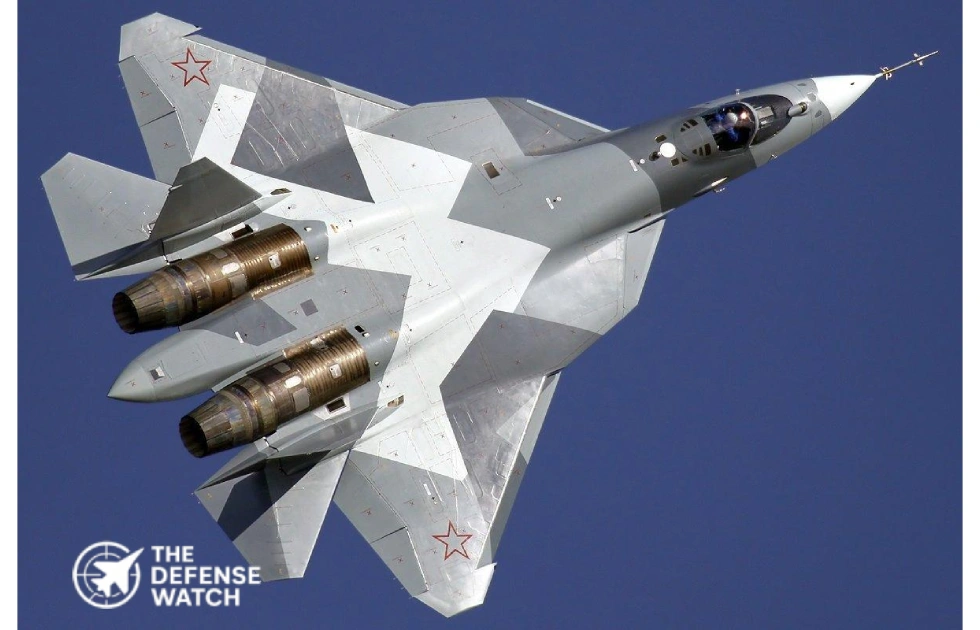
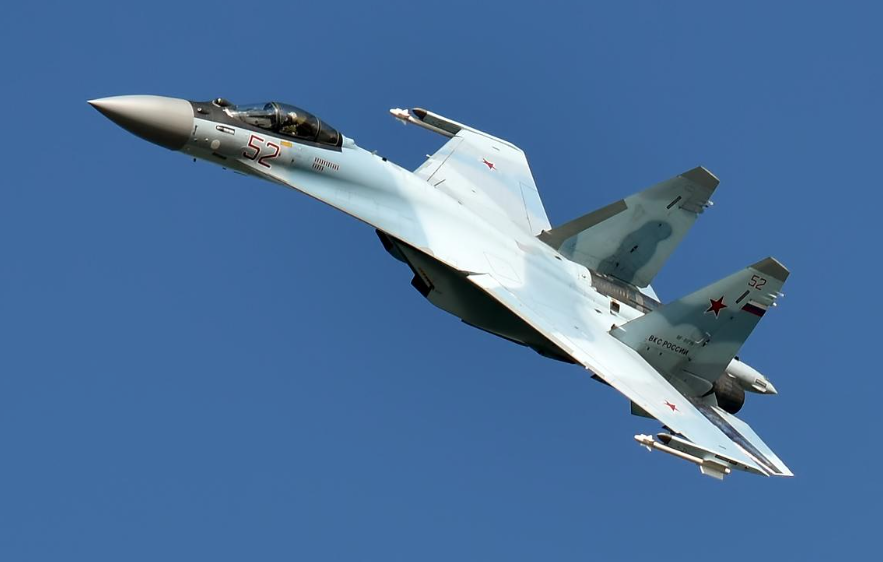
Su-57 Felon
In productionRussia’s fifth-generation multirole fighter, designed to combine reduced radar observability with air-to-air and air-to-ground missions. Its potential is substantial, but fleet size and production scale remain important constraints.
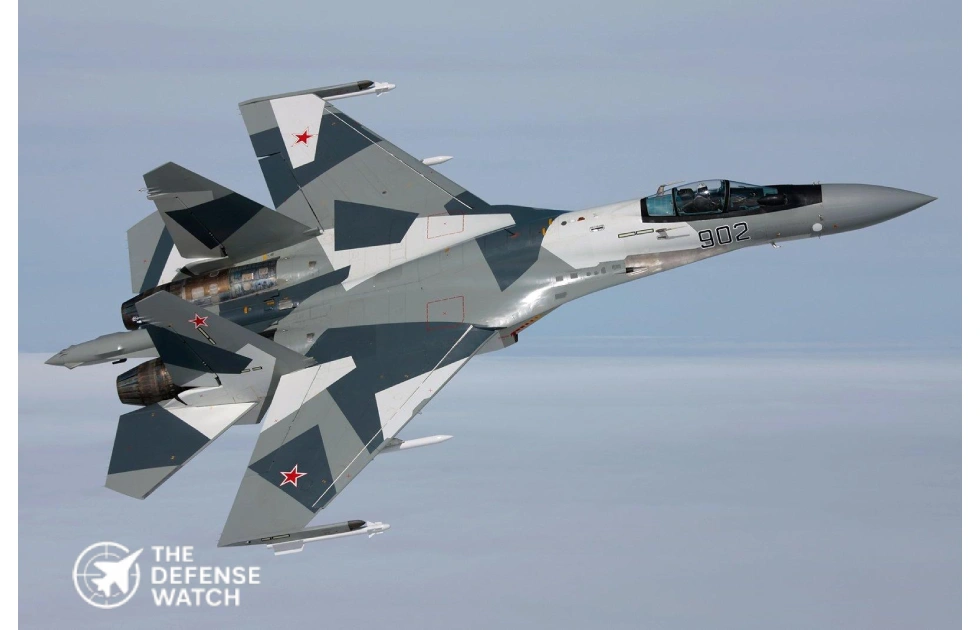
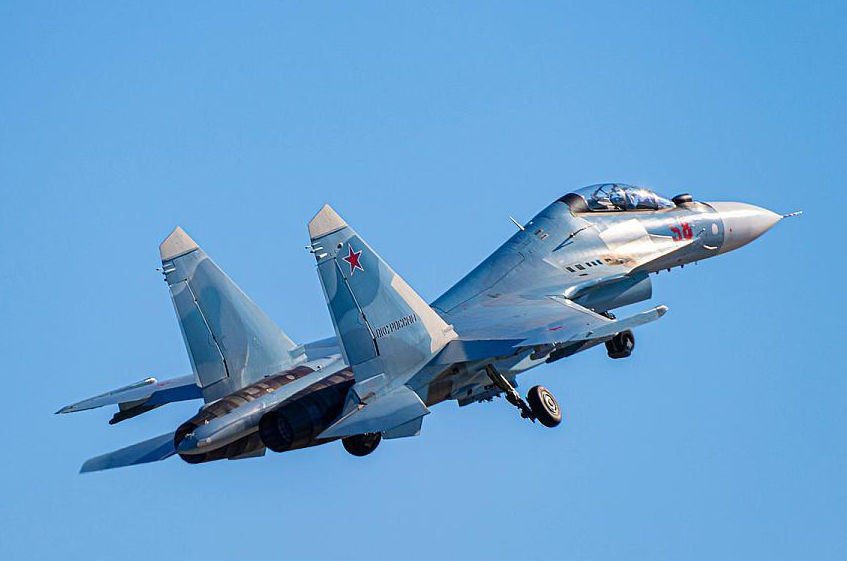
Su-35S Flanker-E
In productionAn advanced fourth-generation-plus fighter intended for air superiority, interception and multirole operations. It offers a mature platform without requiring the same low-observable design approach as the Su-57.
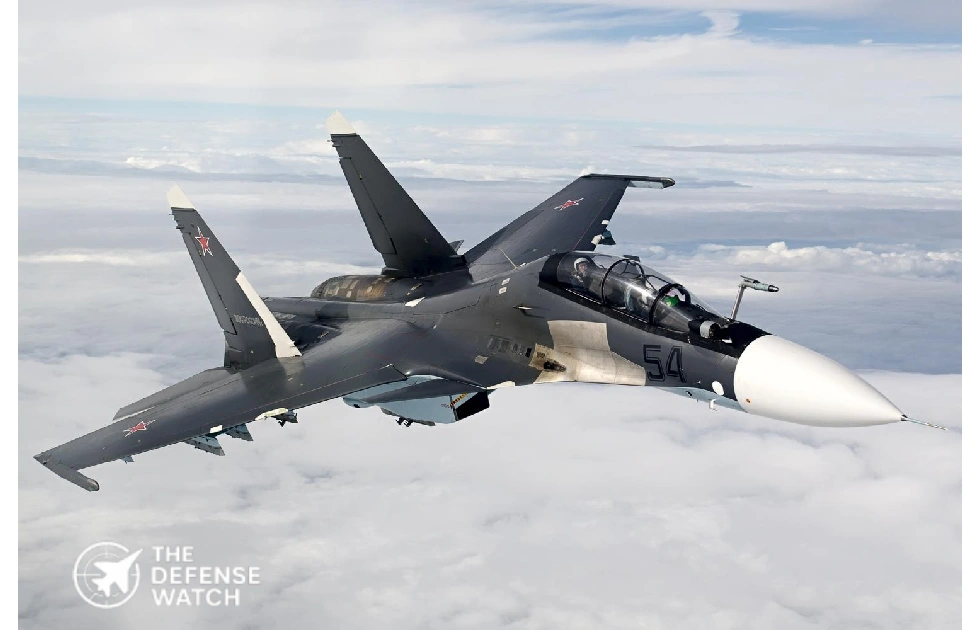
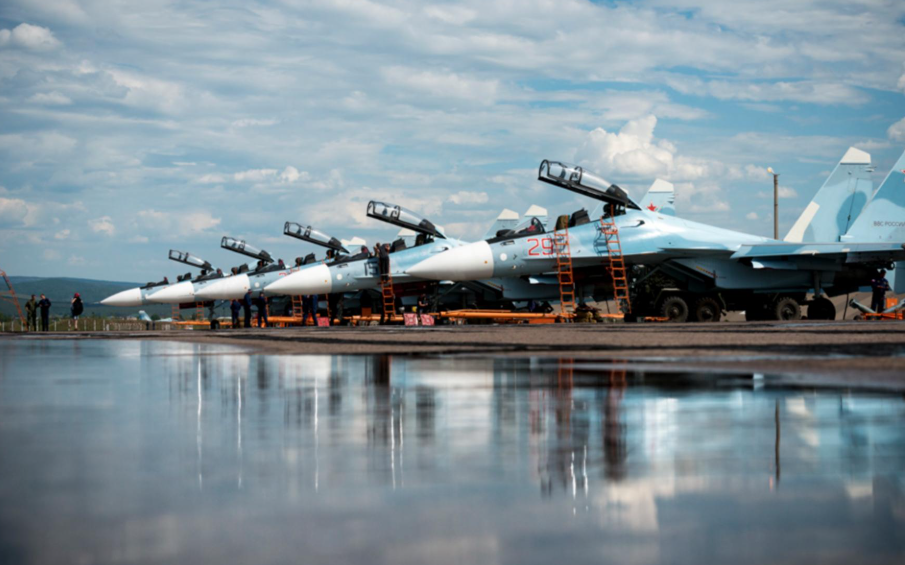
Su-30SM / Su-30SM2
In serviceA two-seat multirole fighter family suited to air combat, strike missions and other complex operations. The SM2 is an updated variant, not a separate clean-sheet aircraft design.
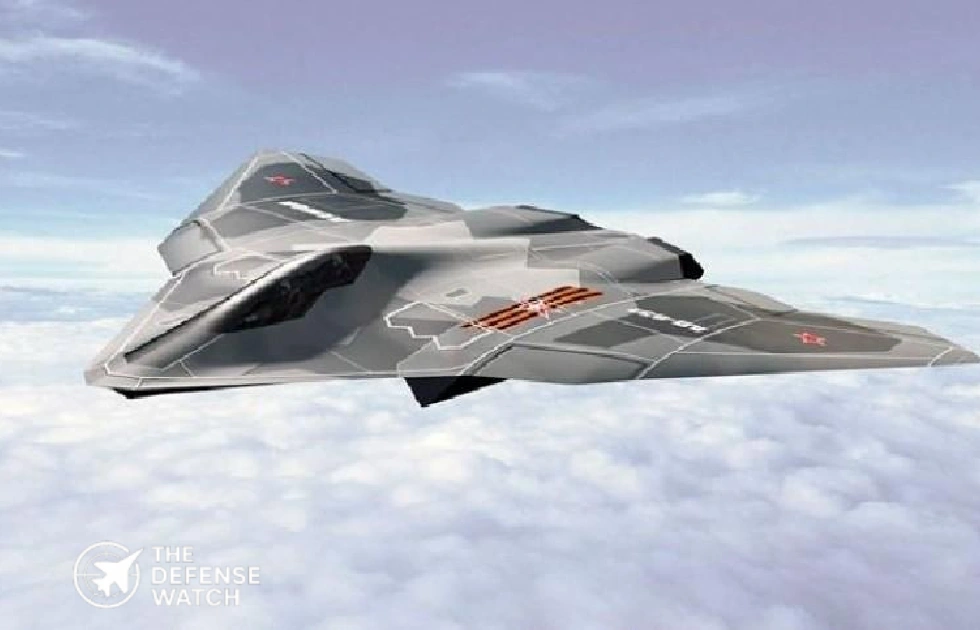
MiG-41 / PAK DP
Unconfirmed future programA proposed next-generation interceptor associated with the effort to succeed the MiG-31. Publicly available evidence does not establish an operational aircraft, confirmed production schedule or fielded capability.
Su-57: Russia’s most advanced fighter design
The Sukhoi Su-57 is the centerpiece of Russia’s effort to introduce a fifth-generation combat aircraft. UAC describes it as a multirole fighter designed to engage aerial, ground and maritime targets, including in difficult weather and electronic-interference environments.
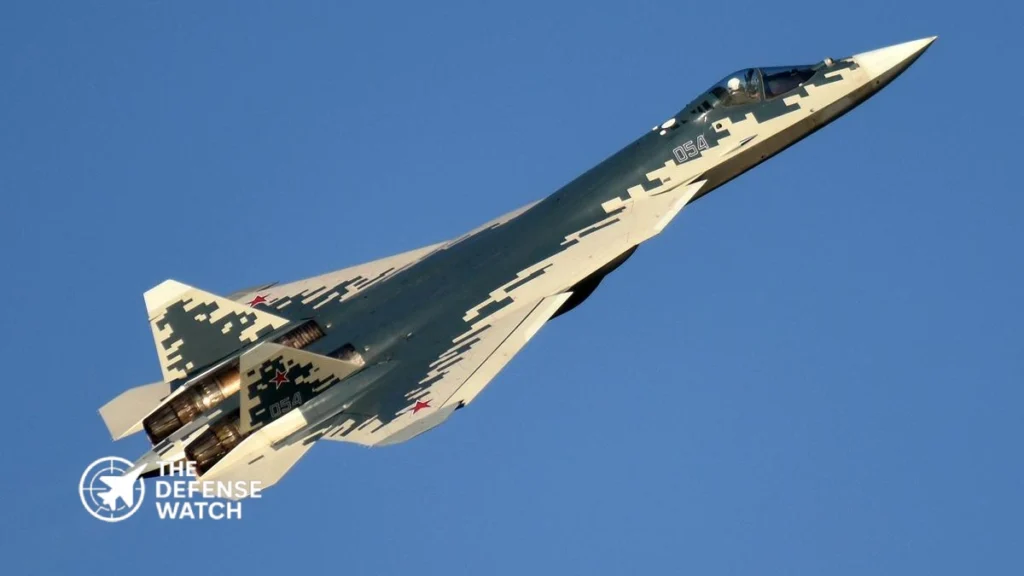
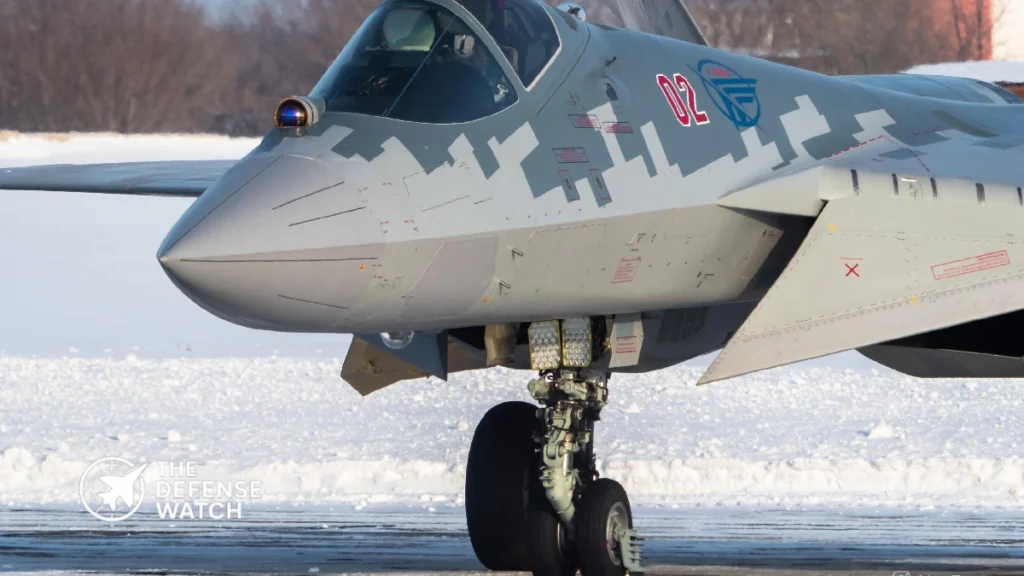
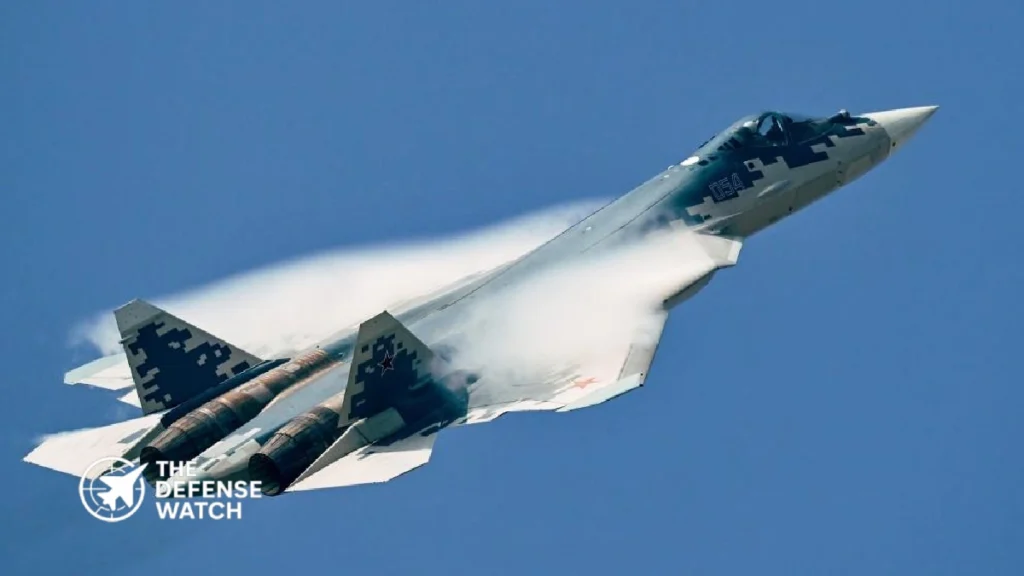
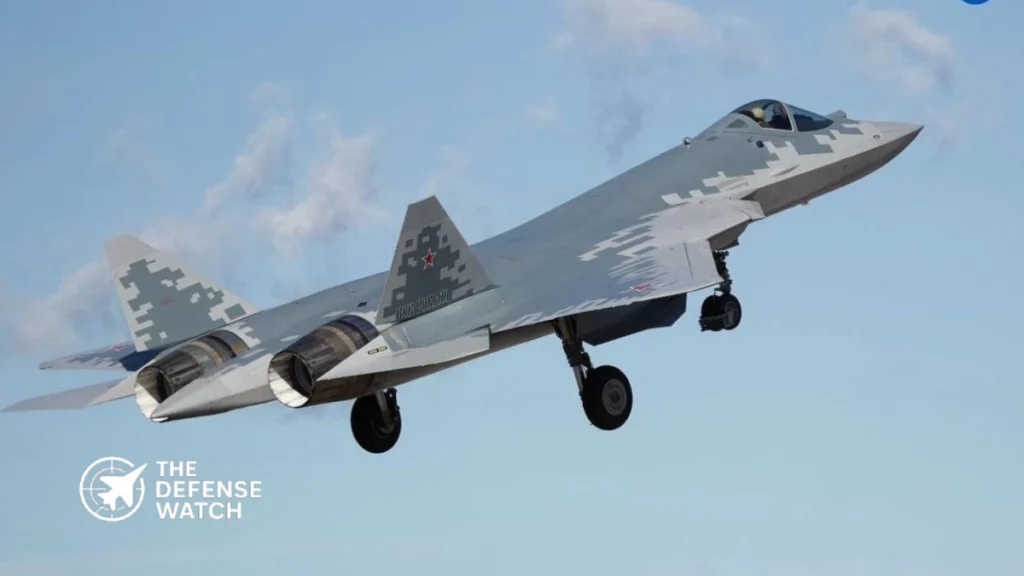
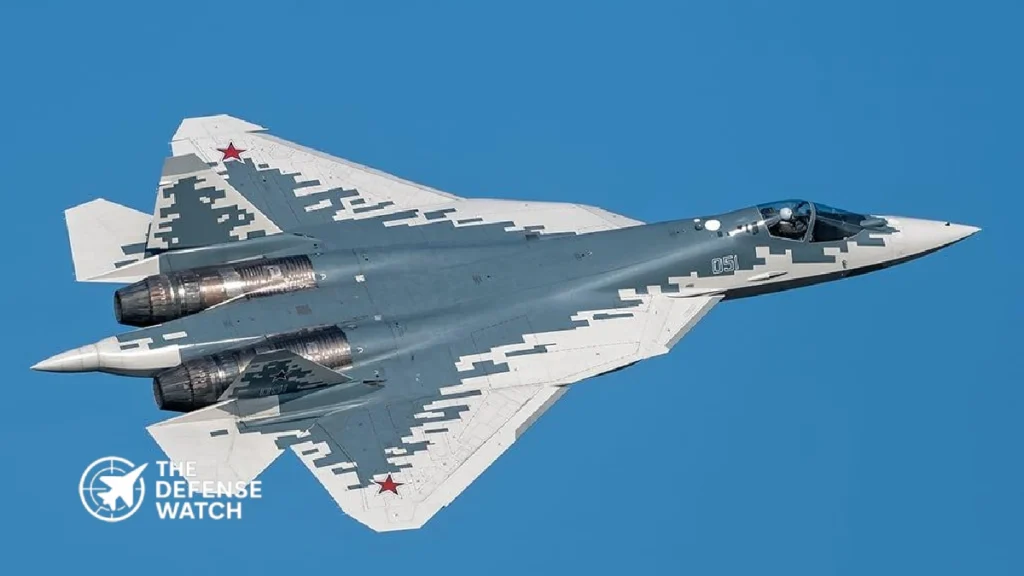
Its principal distinction from the Su-35S and Su-30SM is its low-observable design. Shaping, internal weapon carriage and other signature-management measures are intended to reduce the aircraft’s detectability, particularly against radar systems. Low observability is not invisibility, however. Detection depends on radar characteristics, viewing geometry, operating conditions and the aircraft’s configuration.
The Su-57 also incorporates modern avionics and provisions for integrating multiple weapon types. Those features can support missions in which a fighter must combine information from onboard sensors with information supplied by other aircraft or ground systems. The effectiveness of that approach depends on the performance of the complete sensor, communications and weapons architecture, not simply the aircraft’s airframe.
What changed in 2026?
Two announcements offer useful evidence of the program’s continuing development.
In May 2026, UAC reported the first flight of a two-seat Su-57D prototype. The company described potential roles including pilot training and the coordination of operations involving crewed and uncrewed aircraft. These are stated development objectives, not proof that all those capabilities have entered operational service.
In September, UAC announced the delivery of a batch of Su-57 fighters in a new configuration. It said the aircraft had completed factory testing and evaluation by Russian Defense Ministry pilots. The announcement did not specify the batch size or provide a comprehensive account of the changes incorporated.
The program’s main challenge is scaling production while improving the aircraft. The International Institute for Strategic Studies has previously identified uncertainty over whether Russia could meet its planned Su-57 fleet expansion, citing production rates and pressure on the defense aerospace industrial base. That earlier assessment should not be treated as a definitive forecast of the fleet’s size in October 2026.
Assessment: The Su-57 is Russia’s most advanced fighter in terms of design generation, but its overall contribution depends on production numbers, readiness, weapons integration and the ability to sustain operations. Its technological position does not automatically make it the best choice for every mission.
Su-35S: A mature fighter built for air superiority
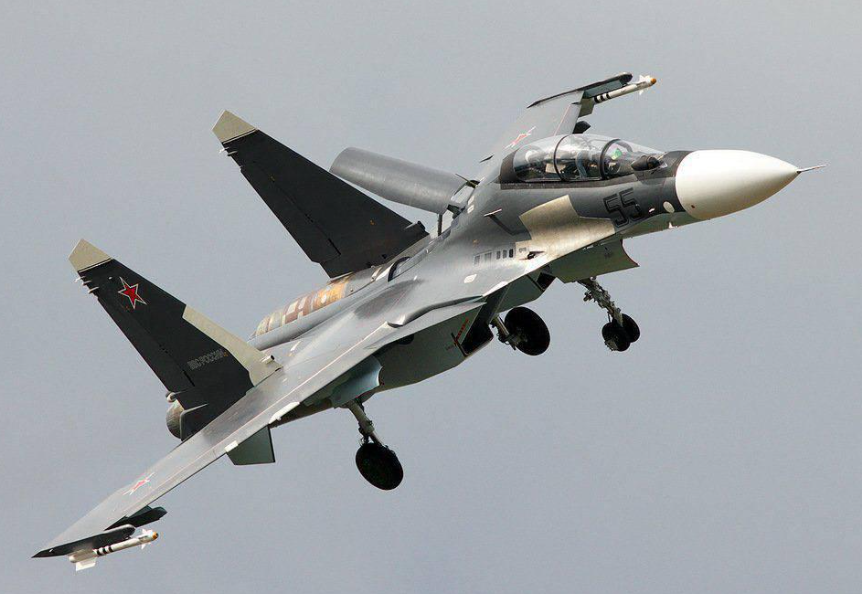
The Sukhoi Su-35S is a heavily modernized member of the Su-27 family. It combines twin-engine performance, thrust-vectoring engines, advanced avionics and a broad range of guided weapons. UAC identifies air superiority and attacks against ground and maritime targets among its intended missions.


Su-35S Flanker-E 
Su-35S Flanker-E Unlike the Su-57, the Su-35S does not rely on a fifth-generation low-observable airframe. Its design emphasizes aerodynamic performance, maneuverability, sensor capability and weapons employment. These characteristics make it relevant for air defense, escort missions and operations against targets at significant distances from its home base.
The aircraft’s radar and electronic warfare systems are important parts of that capability. UAC publishes performance figures for its radar and other systems, but manufacturer specifications should not be read as guaranteed detection or engagement distances in combat. Actual performance depends on the target, interference, altitude, aspect, environmental conditions and the weapons employed.
Russia continues to manufacture the type. Rostec announced Su-35S deliveries in May and August 2026, describing the aircraft as part of the state’s defense procurement program. The announcements establish continued production, but do not provide enough information to calculate the current operational fleet or its readiness rate.
Where the Su-35S has an advantage
The Su-35S is a practical choice for missions that require a capable multirole fighter without the greater technical and industrial demands associated with a low-observable aircraft. Its established design and ongoing production also give Russia a way to expand or replenish its fighter inventory while the Su-57 program develops.
That does not make the Su-35S universally superior. Against an opponent equipped with advanced radar networks and long-range weapons, its larger radar signature can be a disadvantage. Its success would depend on tactics, electronic warfare, support aircraft, intelligence and the opposing air defense system.
Assessment: The Su-35S is one of Russia’s key operational fighter types because it combines mature design features with continued procurement. Its usefulness is easier to assess than the Su-57’s long-term force-wide impact, although exact fleet-wide combat effectiveness cannot be established from public manufacturer announcements alone.
Su-30SM and Su-30SM2: The multirole workhorses
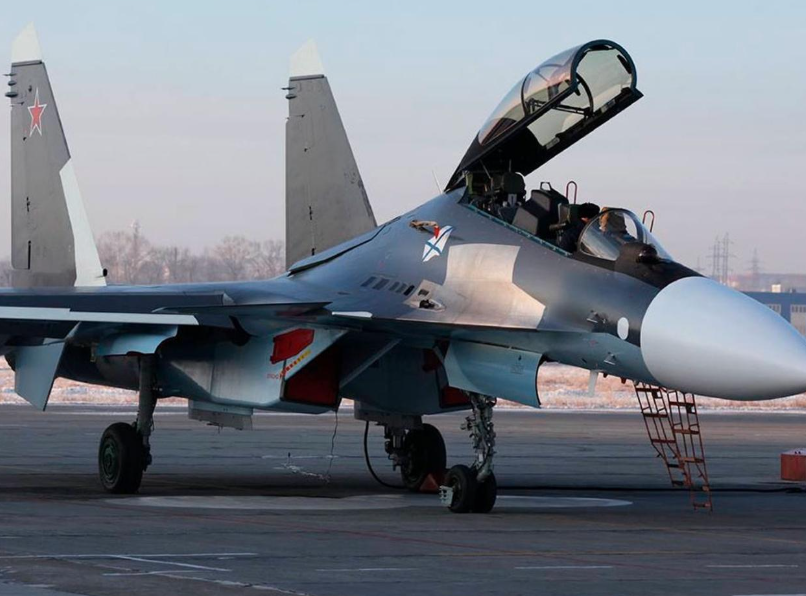
The Sukhoi Su-30SM serves a different purpose from the Su-35S. Its two-seat cockpit allows the pilot and second crew member to share workload during complex missions, while its multirole design supports air combat, strike operations and maritime missions.

Su-30SM and Su-30SM2 
Su-30SM and Su-30SM2 
Su-30SM and Su-30SM2 The aircraft’s two-seat arrangement is particularly useful when a mission involves several tasks, such as navigating, managing sensors, coordinating with other aircraft and employing weapons. It does not guarantee better performance than a single-seat fighter in every engagement, but it provides operational flexibility.
UAC’s published information for the export-oriented Su-30SME describes a twin-engine aircraft with aerial refueling capability, a range of guided and unguided weapons, electronic countermeasures and a maximum stated combat payload of 8,000 kilograms. Those figures apply to the specified SME variant and should not automatically be transferred to every Russian Su-30SM configuration.
Why the SM2 upgrade matters
The Su-30SM2 extends the service life of the underlying design through upgrades rather than replacing the aircraft with an entirely new platform. Russia’s United Aircraft Corporation reported deliveries of Su-30SM2 fighters to the Defense Ministry in July 2026. The announcement confirmed that the aircraft had completed testing before delivery, but did not disclose the number delivered or provide a full technical breakdown of the batch.
Continued procurement matters because Russia operates a large family of aircraft derived from the Su-27 design. Shared design heritage can offer advantages in maintenance practices, technical knowledge and weapons integration, although common ancestry does not mean every variant has interchangeable components or identical support requirements.
The Su-30’s flexibility also comes with trade-offs. Two crew members require additional training and personnel, and the aircraft’s effectiveness depends on the sensors, weapons and mission systems fitted to a particular variant. Publicly available information does not establish that every Su-30SM or SM2 has the same configuration.
Assessment: The Su-30SM family is a useful option for missions requiring a combination of air combat and strike capabilities. The SM2’s continued procurement indicates that Russia intends to retain and upgrade this aircraft family rather than rely exclusively on the Su-57.
MiG-41: An interceptor still awaiting proof
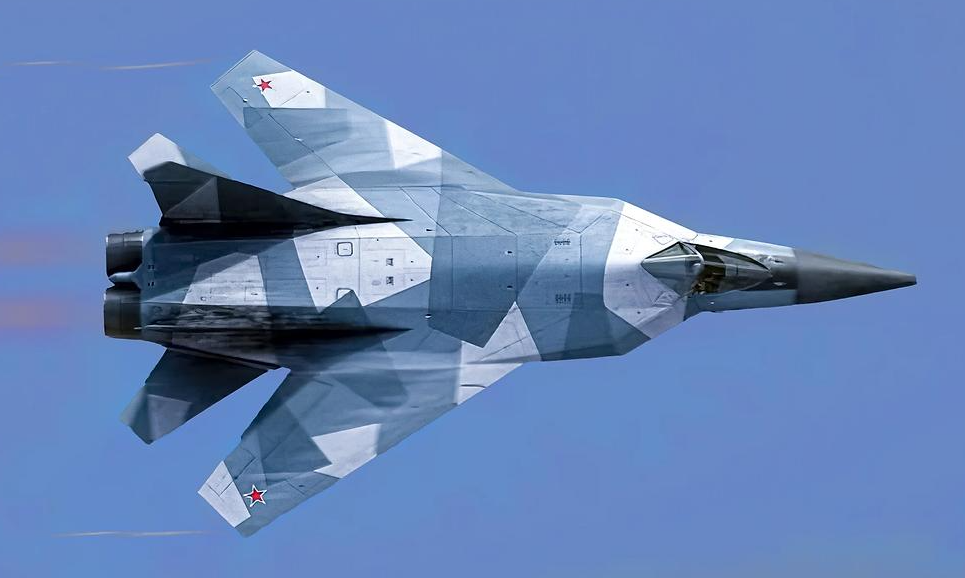
The MiG-41 is frequently discussed as a future successor to the MiG-31, a high-speed interceptor designed to cover large areas of Russian airspace. The proposed program is commonly associated with the Russian designation PAK DP, short for a prospective advanced long-range interception aircraft.

MiG-41 Its expected mission is different from that of the Su-57, Su-35S and Su-30SM. An interceptor is primarily intended to locate and engage aerial threats, potentially including aircraft and cruise missiles, over long distances. A future design might incorporate new sensors, weapons and propulsion technologies, but its actual performance cannot be determined before those systems are demonstrated and their specifications are established.
What is confirmed about the MiG-41?
The critical distinction is between a proposed aircraft and a fielded military capability.
As of October 2026, the public evidence considered for this comparison does not establish that the MiG-41 has completed a prototype’s first flight, entered serial production or been inducted into operational service. Nor is there a verified public specification sheet that supports commonly circulated claims about its maximum speed, operating altitude, weapons range or ability to intercept targets in space.
Some descriptions portray the aircraft as an extremely high-speed interceptor with advanced missile defenses or near-space operating capability. Without reliable technical documentation or independently verifiable testing, such claims should be treated as speculation rather than established program characteristics.
The absence of publicly verified milestones does not prove that Russia has conducted no research or development work. It means that the program’s maturity and eventual capabilities cannot be established confidently from available public information.
Why the distinction matters
Russia already operates the MiG-31 family for specialized interception missions. Replacing that aircraft would require more than designing a fast airframe. A viable successor would need suitable engines, sensors, weapons, communications, maintainability and a production base capable of supporting operational units.
These requirements are especially important for a specialized aircraft that may need to cover remote areas and operate alongside ground-based radar and air defense networks. Development cost, technical risk and production capacity would all influence whether a new interceptor could enter service in meaningful numbers.
Assessment: The MiG-41 is the least mature and least certain of the four aircraft discussed here. It should be evaluated as a proposed future capability, not ranked alongside fighters already being delivered to military units.
How the four aircraft compare
The following comparison separates established aircraft capabilities from the uncertain status of the proposed interceptor.
Attribute Su-57 Su-35S Su-30SM / SM2 MiG-41 Primary role Stealth multirole fighter Air superiority and multirole combat Two-seat multirole combat Proposed long-range interception Design generation Fifth generation Fourth-generation-plus Fourth-generation family Not established Crew One on the established single-seat version One Two Not established Propulsion Twin-engine Twin-engine Twin-engine Not publicly established Radar signature reduction Low-observable design Conventional fighter design Conventional fighter design Not publicly established Operational status in 2026 In production In production In service, with SM2 deliveries No verified operational service Main advantage Low observability and advanced combat-system design Mature air superiority platform Mission flexibility and two-person crew Potential future interception capability Main uncertainty Fleet scale and operational integration Performance against advanced air defenses Differences between variants and configurations Program maturity, specifications and schedule The table describes broad roles and publicly established program status. It does not establish a universal performance ranking or prove how any aircraft would perform against a particular adversary.
Which Russian fighter is best for each mission?
There is no single answer because the aircraft are designed around different operational requirements.
– Stealth-oriented combat: The Su-57 is the strongest candidate among these four because it was designed around low observability and fifth-generation combat systems. Its practical advantage depends on readiness, weapons integration and support from the wider force.
– Air superiority with a mature platform: The Su-35S is designed for air combat and interception, while retaining multirole capability. Its conventional airframe and sensor performance create a different balance of strengths and limitations from the Su-57.
– Multirole missions with a two-person crew: The Su-30SM and SM2 provide a flexible option for operations involving air combat, strike tasks and coordination. The suitability of a specific aircraft depends on its configuration and mission.
– Future specialized interception: The MiG-41 could eventually address requirements that differ from those of conventional multirole fighters. Until reliable development milestones and technical information become available, however, its potential should not be confused with demonstrated capability.
These distinctions also explain why an air force might continue purchasing several aircraft types at the same time. Replacing every existing fighter with one advanced design would require extensive funding, industrial capacity, training and changes to maintenance and operational infrastructure.
What Russia’s fighter procurement reveals
The public delivery announcements from 2026 show that Russia continues to invest in both newer and established fighter designs. The Su-57 is receiving further development attention, including a two-seat prototype, while Su-35S and Su-30SM2 deliveries indicate that upgraded conventional fighters remain part of the procurement plan.
This approach reflects a practical tension in military aviation. Newer aircraft may offer advantages in survivability and combat-system integration, but they are usually harder to develop and produce at scale. Existing designs can provide useful capability sooner, particularly when manufacturing facilities, training systems and maintenance arrangements are already in place.
Combat experience in Ukraine has also shown why aircraft specifications alone cannot explain air power. The International Institute for Strategic Studies assessed in 2024 that Russia had failed to achieve air superiority over Ukraine, despite its numerical advantages, and identified shortcomings involving intelligence, surveillance, reconnaissance and precision-guided weapons. That analysis is historical context, not a complete assessment of the situation in October 2026.
The broader lesson is that fighter effectiveness depends on the entire combat system: airborne sensors, ground-based surveillance, electronic warfare, weapons, communications, training, maintenance and operational planning. An aircraft with impressive individual specifications may still struggle if other parts of that system are insufficient.
For Russia, the immediate procurement picture is clearer than the long-term one. The Su-57, Su-35S and Su-30SM2 are supported by recent manufacturer-reported deliveries. The MiG-41 remains a proposed future interceptor whose eventual contribution cannot yet be measured against those operational aircraft.