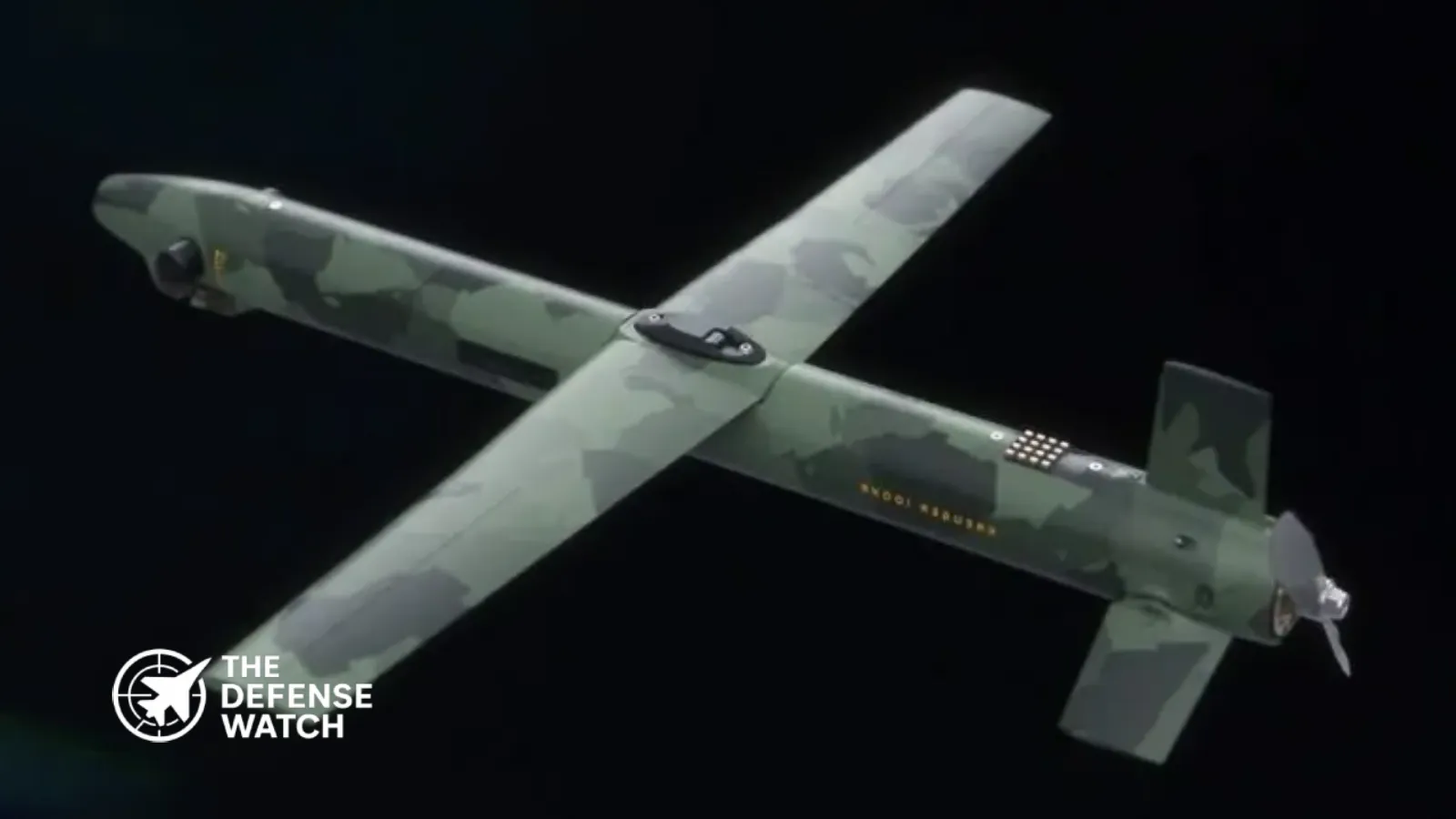
- Nordic Air Defence has entered the Polish market through cooperation agreements with WB Group and Tantalit.
- The partnership focuses on counter drone technologies including sensors, command networks, and layered air defense solutions.
- Poland’s eastern flank position makes it a key NATO hub for counter UAV development and deployment.
- Cooperation supports broader European efforts to counter the rapid spread of low cost drone threats.
- The move strengthens defense industrial cooperation between Nordic and Central European companies.
Nordic Air Defence Expands Into Poland
Nordic Air Defence expansion into Poland marks a new step in European counter drone cooperation as the company signed partnership agreements with Poland’s WB Group and Tantalit to develop and integrate counter unmanned aerial systems.
The move positions the Nordic firm within one of NATO’s most active defense innovation ecosystems. Poland has rapidly expanded investment in air defense and counter UAV capabilities in response to security pressures along the alliance’s eastern border.
The cooperation focuses on developing integrated solutions capable of detecting, tracking, and neutralizing unmanned aerial systems that increasingly shape modern battlefields.
The Big Picture
Drone warfare has transformed modern conflicts. Ukraine’s battlefield experience demonstrated how inexpensive unmanned systems can overwhelm traditional air defenses, conduct reconnaissance, and strike high value targets.
NATO members have accelerated efforts to field layered counter UAV systems to protect military bases, logistics hubs, and critical infrastructure.
Poland has become a central hub in that effort. Its proximity to Russia and Belarus and its role as a logistical gateway supporting Ukraine make the country one of NATO’s most strategically important defense locations.
European governments now view counter drone capability as a core element of air defense architecture rather than a niche technology.
What’s Happening
Nordic Air Defence announced plans to expand operations into Poland and formalize industrial cooperation with Polish defense companies WB Group and Tantalit.
The agreements aim to combine Nordic air defense technologies with Polish expertise in drones, electronics, and battlefield systems integration.
WB Group is one of Poland’s leading defense technology firms and develops a wide range of unmanned systems, loitering munitions, and digital command networks. The company has demonstrated integrated drone enabled combat systems linking reconnaissance UAVs with strike platforms and networked sensors.
Tantalit contributes advanced electronic components and specialized systems used in military equipment.
The partnership will focus on counter drone architectures capable of detecting, tracking, and neutralizing hostile UAVs through integrated sensors, electronic warfare tools, and command networks.
Such systems typically combine radar detection, electronic jamming, and kinetic interceptors to defeat drone threats.
Why It Matters
Counter UAV systems have become one of the fastest growing segments of the global defense market.
Modern conflicts show that large numbers of inexpensive drones can bypass traditional missile defenses designed to defeat aircraft and ballistic threats.
Military planners now require cost effective systems capable of intercepting small drones before they reach sensitive targets.
European industry has responded by accelerating development of modular counter drone architectures combining sensors, electronic warfare, and directed or kinetic effectors.
The Nordic Air Defence expansion into Poland aligns with this broader trend. The partnership allows Nordic technology providers to access Poland’s rapidly expanding defense ecosystem while strengthening European industrial cooperation.
Strategic Implications
Poland’s location on NATO’s eastern frontier makes it a central node for integrated air defense.
The country already operates layered systems designed to protect its airspace, ranging from medium range missile defenses to short range systems and point defense platforms.
Counter drone capabilities are increasingly viewed as an additional layer in this architecture.
Large scale programs already underway in Poland aim to deploy integrated counter UAV networks capable of defending military bases, infrastructure, and border areas. These systems combine sensors, command networks, and multiple effectors to defeat aerial threats.
Industrial partnerships such as the Nordic Air Defence cooperation strengthen the technology base supporting these initiatives.
For NATO, the effort improves the alliance’s ability to defend forward deployed forces against emerging drone threats.
Competitor View
Russia closely monitors NATO air defense developments along its western borders.
Moscow has increasingly relied on drone warfare in Ukraine, using both reconnaissance UAVs and long range loitering munitions.
Improved counter drone capabilities across Eastern Europe could reduce the effectiveness of these tactics by limiting the operational freedom of hostile unmanned systems.
Other regional actors are also investing heavily in similar technologies, reflecting a broader global shift toward drone centric warfare.
What To Watch Next
The next phase of the Nordic Air Defence expansion will likely involve technology integration and demonstration programs with Polish partners.
Key milestones may include:
Testing of integrated counter UAV architectures
Demonstrations with Polish armed forces
Potential procurement opportunities within NATO modernization programs
Industrial cooperation in Poland often serves as a gateway to wider European defense markets.
Capability Gap
Modern air defense systems were originally designed to intercept aircraft and missiles.
They struggle against swarms of small drones that fly low, maneuver unpredictably, and cost only a fraction of traditional interceptors.
Counter UAV systems aim to close this gap by providing:
Early detection through specialized radars and sensors
Electronic warfare tools to disrupt drone communications
Low cost interception methods such as guns or interceptor drones
However, these systems face limitations. Drone swarms and autonomous systems remain difficult to defeat, and layered defenses are required to provide reliable protection.
The Bottom Line
Nordic Air Defence’s expansion into Poland highlights the growing importance of counter drone cooperation as NATO strengthens air defense capabilities along its eastern frontier.
Get real time update about this post category directly on your device, subscribe now.