U.S. Approves Possible $800 Million Helicopter Sale To Iraq
The U.S. State Department has approved a possible $800 million helicopter sale to Iraq, covering Bell 412EPX and Bell 407M aircraft along with weapons, sensors, communications equipment, training and logistical support. Reuters reported that Bell Textron of Fort Worth, Texas, has been identified as the principal contractor.
- U.S. Approves Possible $800 Million Helicopter Sale To Iraq
- Takeaways
- What Iraq Has Requested
- Weapons And Sensors Expand The Mission Set
- Communications, Training And Sustainment
- Why The Bell 412EPX And 407M Combination Matters
- Potential Impact On Iraq’s Rotary-Wing Force
- The $800 Million Figure Needs Context
- What Happens Next
- U.S. Defense-Industrial Implications
- Bottom Line
Takeaways
The proposed $800 million U.S. helicopter package would give Iraq a combination of transport, reconnaissance, targeting and armed rotary-wing capabilities.
The proposed transaction is part of the U.S. Foreign Military Sales system and should be treated as an authorization for a possible sale, rather than a completed procurement contract. The final quantity, configuration, schedule and value can change as the case moves through the acquisition process.
What Iraq Has Requested
The proposed package combines two different helicopter classes.
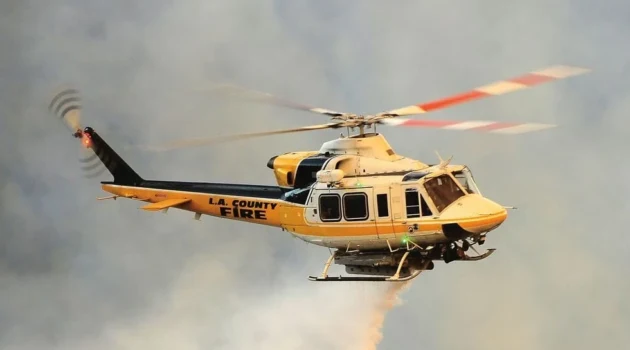
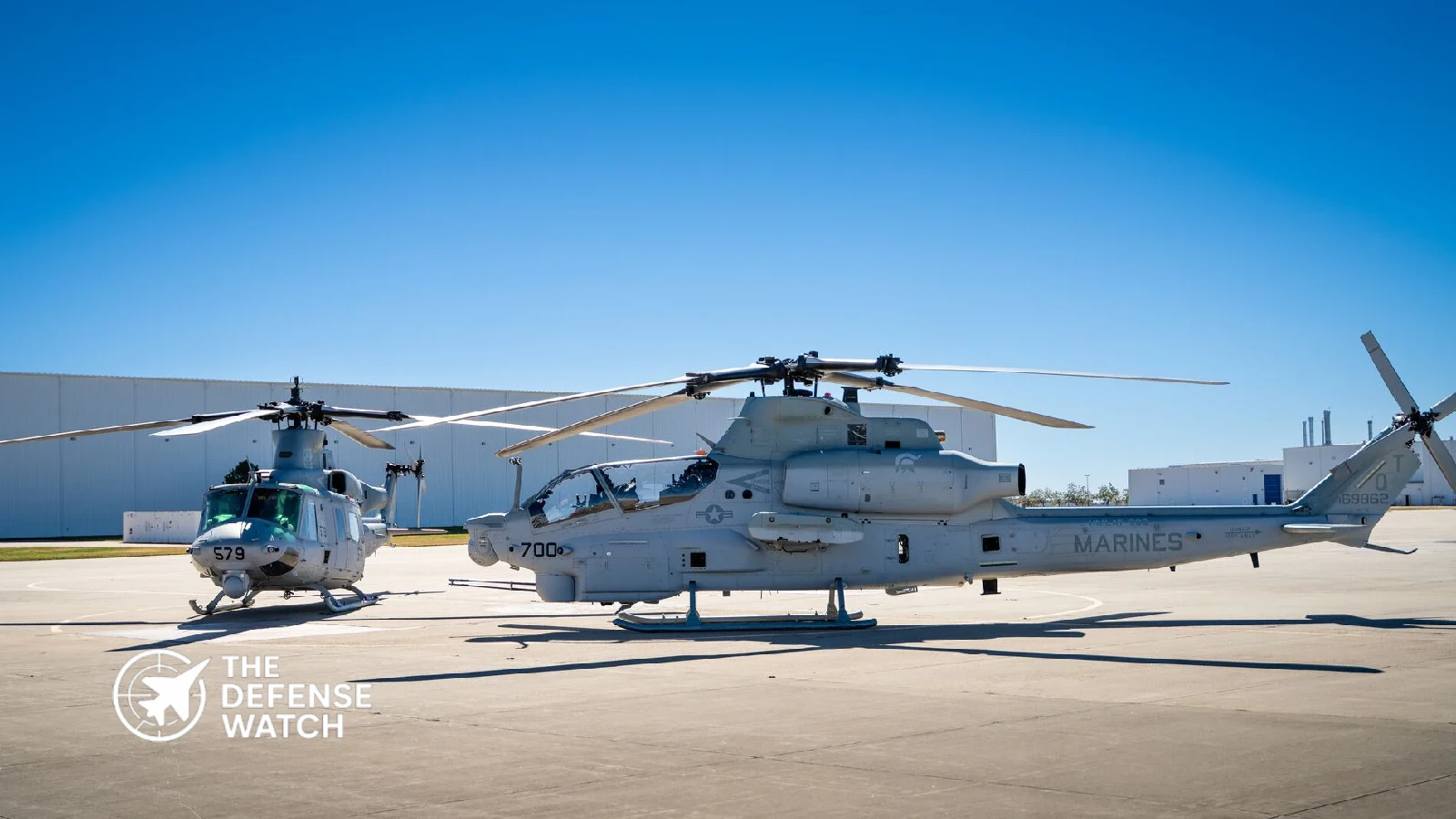
The Bell 412EPX is a twin-engine, medium utility helicopter designed around transport and multi-mission requirements. Bell lists seating for up to 14 passengers, a 5,000-pound cargo-hook capability and a maximum internal gross weight of 12,200 pounds. The aircraft also incorporates upgraded avionics and flight-control improvements intended to support operations in demanding environments.
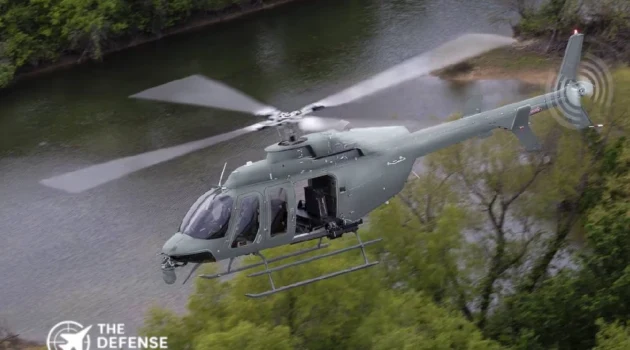
The Bell 407M is a lighter military multi-role helicopter. Bell describes the platform as incorporating an integrated glass cockpit and weapons-management architecture, with missions including light attack and close air support. Bell lists a maximum cruise speed of 133 knots and a range of 337 nautical miles at its specified long-range cruise condition.
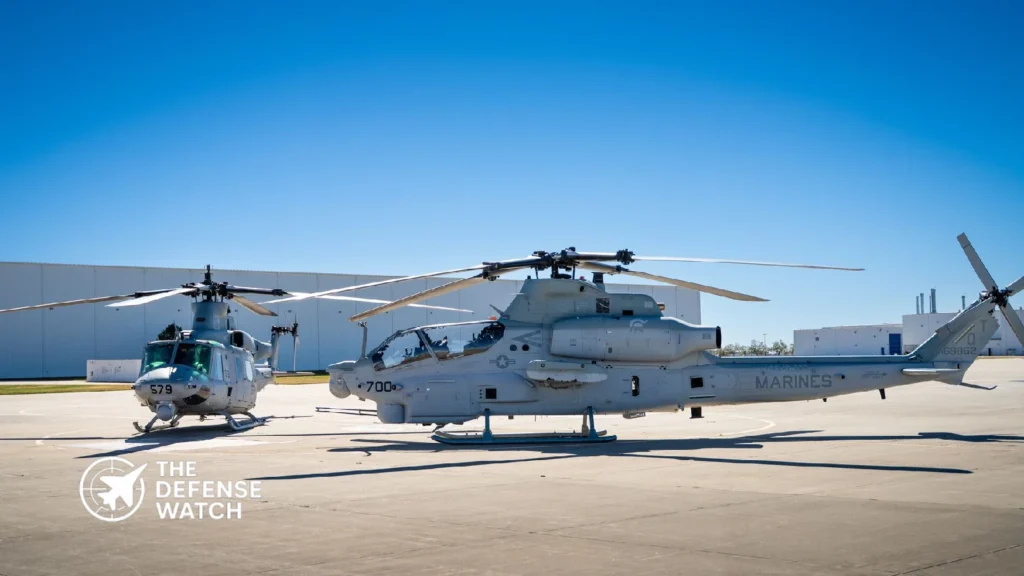
The proposed Iraqi fleet therefore appears designed around complementary missions rather than a single helicopter requirement. The 412EPX provides greater cabin and payload capacity, while the 407M offers a smaller platform suited to armed reconnaissance and tactical missions.
The publicly reported notification does not specify how many aircraft Iraq would receive of either type.
Weapons And Sensors Expand The Mission Set
The proposed sale is significant because the helicopters are not being considered simply as transport aircraft.
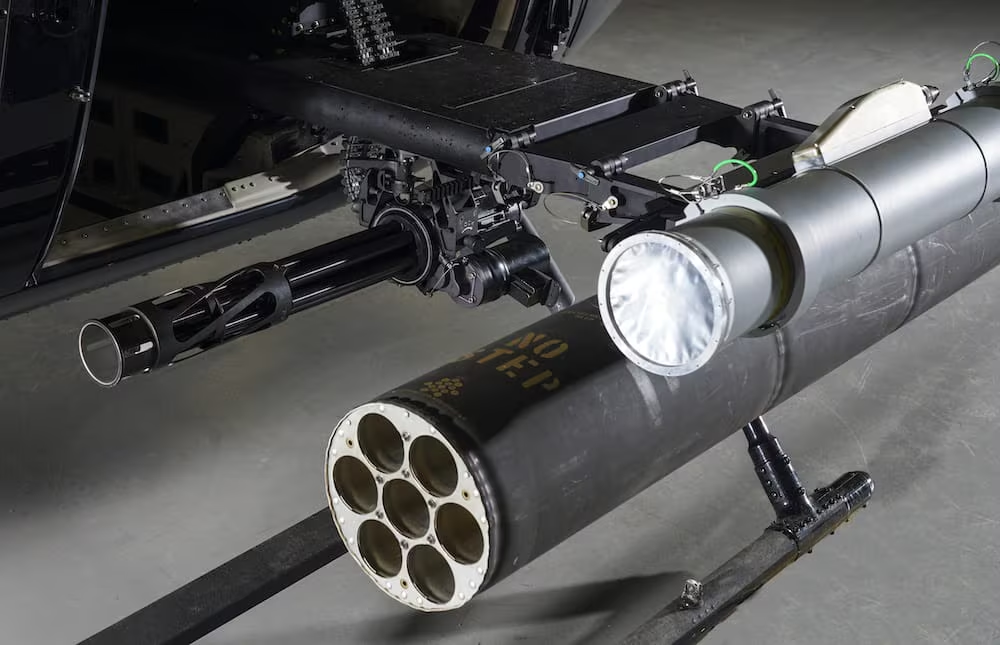
The package includes GAU-19 three-barrel machine-gun systems and M260 seven-tube rocket launchers for 2.75-inch rockets. These systems would provide the Iraqi aircraft with an armed capability for missions requiring direct fire or rocket engagement.

Image: Bell Textron Inc. The proposed sensor suite includes the L3Harris WESCAM MX-15HDI electro-optical and infrared system. Such a sensor provides an aircraft with day and night observation and target-detection functions, allowing crews to identify and track ground activity before an engagement or during surveillance missions.
The inclusion of the MX-15HDI is particularly relevant to the air-to-surface targeting role identified by the State Department. A helicopter equipped with a stabilized electro-optical and infrared sensor can combine observation, identification and targeting functions without relying entirely on separate ground surveillance assets.
The package also includes AN/AAR-60 Block 2 missile launch detection systems, which are intended to provide warning of missile threats to the aircraft. This is an important distinction from a basic utility helicopter configuration because it addresses survivability in environments where aircraft may face man-portable or other missile threats.
Communications, Training And Sustainment
The proposed sale extends beyond aircraft and weapons.
Iraq has requested very high frequency radios, spare parts, ground-support equipment, technical publications and data. The package also includes new-equipment training for pilots and maintenance personnel, together with U.S. government and contractor engineering, technical and logistics support.
That support structure matters because introducing a new military helicopter fleet requires more than delivering airframes.
Iraq would need trained aircrews, maintainers, spare-parts inventories, ground equipment, technical documentation and procedures for operating the aircraft alongside its existing rotary-wing fleet. The sustainment portion of the proposed package is therefore central to whether the aircraft can generate useful operational availability over time.
For Iraq, this could also reduce the risk of acquiring aircraft without the supporting infrastructure needed to keep them flying at meaningful rates.
Why The Bell 412EPX And 407M Combination Matters
The proposed combination gives Iraq two different rotary-wing capabilities within the same broader acquisition.
The Bell 412EPX is suited to missions where cabin space, payload and endurance are more important. Its utility configuration can support personnel movement, equipment transport and other missions requiring a larger cabin.

Image: Bell Textron Inc. The Bell 407M moves in the opposite direction. It is smaller and lighter, with a configuration centered on tactical operations and integrated weapons employment. Bell specifically positions the aircraft for light attack and close air support missions.
That division could allow Iraq to assign aircraft according to mission requirements rather than using a single helicopter type for every task.
The combination also illustrates an important feature of modern rotary-wing operations: mission effectiveness depends increasingly on the integration of sensors, communications, weapons and survivability systems rather than on the airframe alone.
Potential Impact On Iraq’s Rotary-Wing Force
The State Department said the proposed sale would strengthen Iraq’s ability to address current and future threats, with particular emphasis on rotary-wing transportation, reconnaissance and air-to-surface targeting. Washington also described Iraq as a strategic partner whose security capabilities support U.S. foreign-policy and national-security interests.
For Iraq, the potential benefit is a broader set of options for missions that fall between conventional ground operations and high-end fixed-wing airpower.
Helicopters can move personnel and equipment without requiring conventional runways, provide persistent observation over localized areas and support ground forces with relatively short response times. Armed reconnaissance aircraft can also combine surveillance and engagement capabilities when the mission requires both.
The value of the proposed fleet will therefore depend not only on aircraft numbers, but also on availability, training, maintenance capacity, sensor integration and the ability of Iraqi forces to coordinate rotary-wing assets with ground units.
The $800 Million Figure Needs Context
The $800 million figure should not be interpreted as the price of the helicopters alone.
Foreign Military Sale notifications commonly combine aircraft with weapons, sensors, spare parts, training, technical assistance, support equipment and other services. The estimated value represents the potential scope of the case rather than a guaranteed final contract value.
The proposed Iraqi package follows that broader model. In addition to the aircraft, it includes weapons, mission systems, communications equipment, training and long-term technical and logistics support.
That distinction is important when comparing the announcement with eventual procurement figures. The final agreement can contain fewer items or a different configuration, and its value can differ from the initial estimate.
What Happens Next
The State Department authorization is an important step, but it does not by itself complete the transaction.
The Foreign Military Sales process requires congressional notification and review. If the case proceeds, the U.S. and Iraqi governments would then work through the details of the eventual agreement, including aircraft configuration, quantities, equipment, delivery schedules and support arrangements.
The next significant indicators will therefore be whether the case advances through the FMS process and whether a final agreement identifies the number of Bell 412EPX and Bell 407M helicopters Iraq intends to acquire.
Until those details are finalized, the most accurate description is a possible $800 million U.S. Foreign Military Sale to Iraq, not an $800 million completed helicopter contract.
U.S. Defense-Industrial Implications
For the U.S. defense industry, Bell Textron’s designation as principal contractor places the company at the center of a potential program covering aircraft, mission integration and associated support.
Bell has continued to expand the international military market for the 412EPX. In June 2025, the company announced an agreement for 12 412EPX aircraft for the Tunisian Air Force, describing the aircraft as a multi-role military and security platform.
The 407M similarly gives Bell a product positioned between conventional utility helicopters and larger dedicated attack platforms. Its integrated weapons and cockpit architecture allows customers to configure the aircraft for tactical missions without acquiring a much heavier attack helicopter.
If the Iraqi case moves forward, it would add another Middle Eastern military customer to Bell’s growing international rotorcraft portfolio.
Bottom Line
The proposed $800 million U.S. helicopter sale to Iraq is broader than a conventional aircraft purchase. It combines Bell 412EPX utility helicopters, Bell 407M military helicopters, weapons, targeting sensors, missile warning equipment, communications systems, training and sustainment.
Its strategic significance lies in the combination of transport and armed reconnaissance capabilities. The proposed fleet would give Iraq additional options for moving forces, conducting surveillance and supporting ground operations from the air.
For now, however, the transaction remains a possible Foreign Military Sale. The final aircraft quantities, configuration, delivery schedule and contract value have yet to be established publicly.