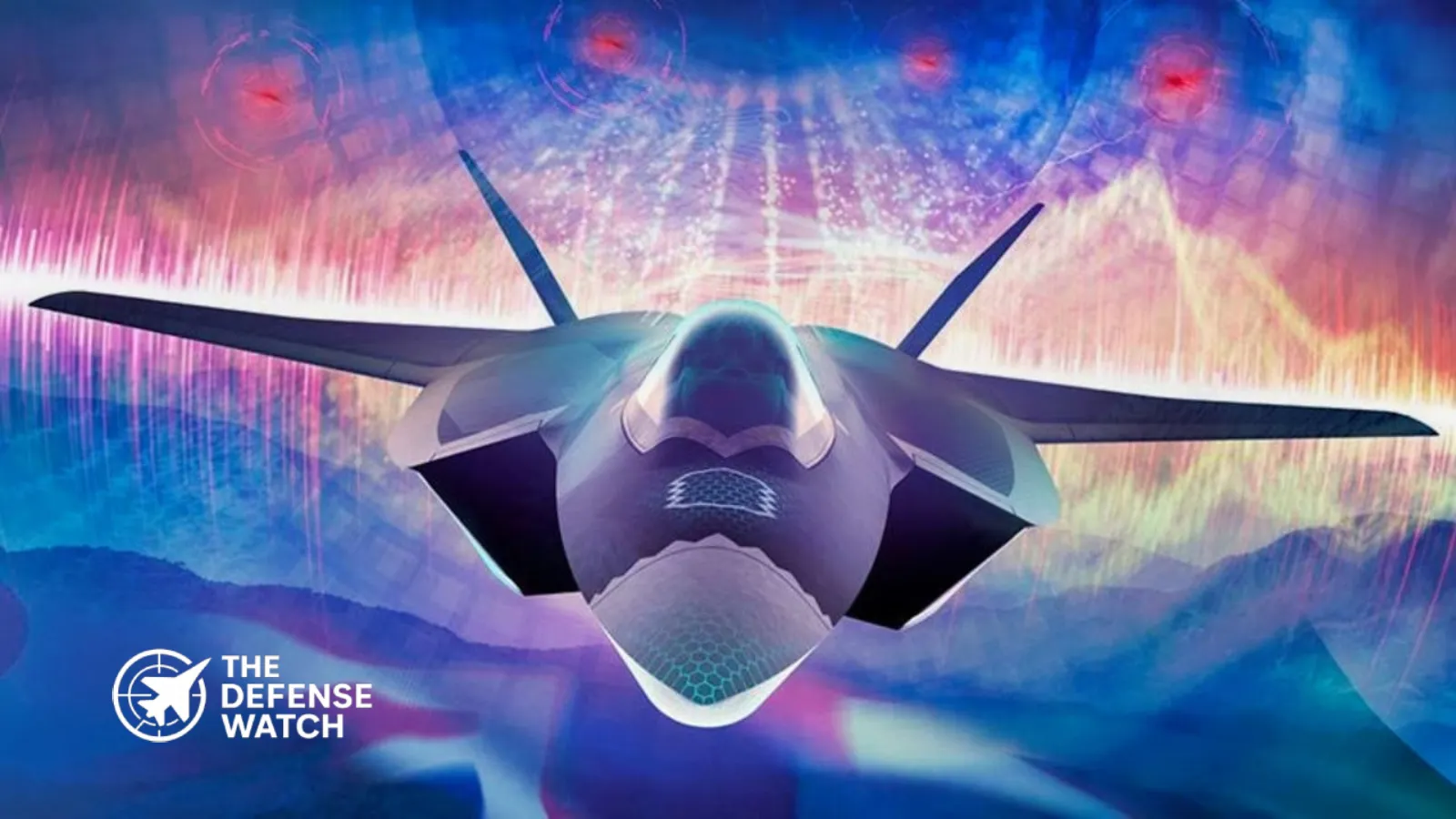
Italy Commits Nearly $11 Billion to Trilateral Fighter Program
Italy’s parliament has approved approximately €8.77 billion in funding for the Global Combat Air Programme’s initial development phases, marking a significant commitment to the trilateral sixth-generation fighter initiative with the United Kingdom and Japan. The Thursday approval comes despite program costs more than tripling since initial 2021 estimates.
The defense committee of Italy’s lower house of parliament authorized the funding proposal, which will be disbursed through annual installments extending to 2037. Under Italian parliamentary procedures, the committee’s vote is final and does not require full chamber approval.
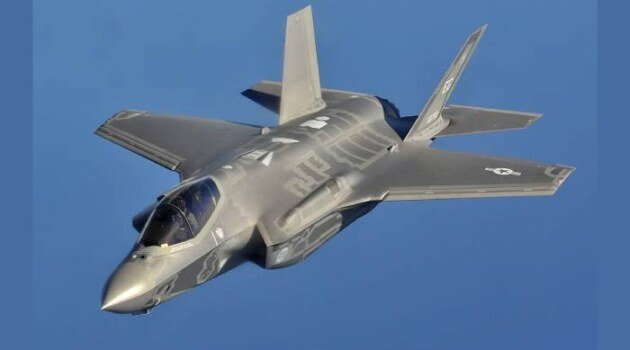
The GCAP funding approval represents one of the most expensive military aviation programs in Italian history, surpassing even the nation’s F-35 acquisition program in total projected development costs.
Program Costs Surge From Original Estimates
Italy now expects its total contribution to GCAP’s early development phases to reach €18.6 billion (approximately $21.8 billion), a dramatic increase from the roughly €6 billion estimated at 2021 prices when the program was initially proposed to parliament. The recently approved €8.77 billion represents the immediate funding authorization, with the remaining €7.8 billion to be arranged through future appropriations.
The Global Combat Air Programme was formally launched in December 2022 when Italy, the United Kingdom, and Japan merged their separate sixth-generation fighter development efforts into a unified program. The initiative aims to deliver an operational next-generation fighter aircraft by 2035, designed to integrate crewed and uncrewed platforms, advanced sensors, and networked data systems into a comprehensive “system of systems” architecture.
According to parliamentary documentation, the cost increases stem from updated estimates for technology maturation, expanded testing and development requirements, and enhanced design specifications. Defense analysts note that sixth-generation fighter programs inherently involve greater complexity and cost than previous aircraft generations due to their integration of artificial intelligence, loyal wingman drones, combat cloud networks, and advanced stealth capabilities.
Political Response and Strategic Context
The funding approval drew immediate criticism from Italy’s opposition Five Star Movement, which questioned the magnitude of the cost increase without detailed parliamentary explanation. Five Star parliamentarians noted that GCAP has become the most expensive program in Italian military history, exceeding the F-35 program’s €18 billion expenditure for 90 aircraft.
Despite domestic political scrutiny, Italian Prime Minister Giorgia Meloni’s governing coalition holds majorities in both parliamentary chambers, making final approval highly probable. The Italian government has consistently reaffirmed its commitment to GCAP at the international level, with Meloni and Japanese Prime Minister Takaichi Sanae expressing satisfaction with program progress during a January 2026 meeting in Tokyo.

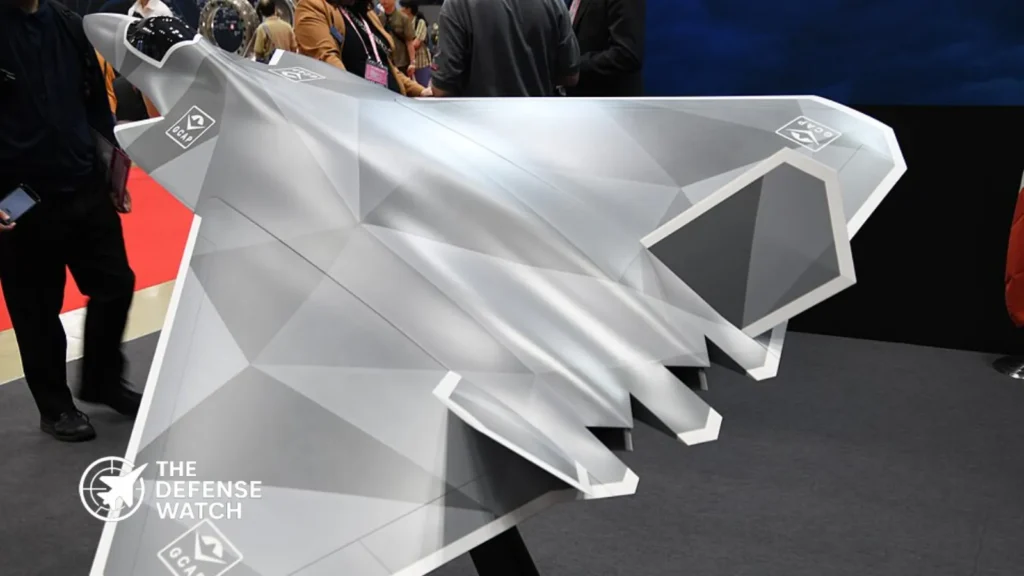
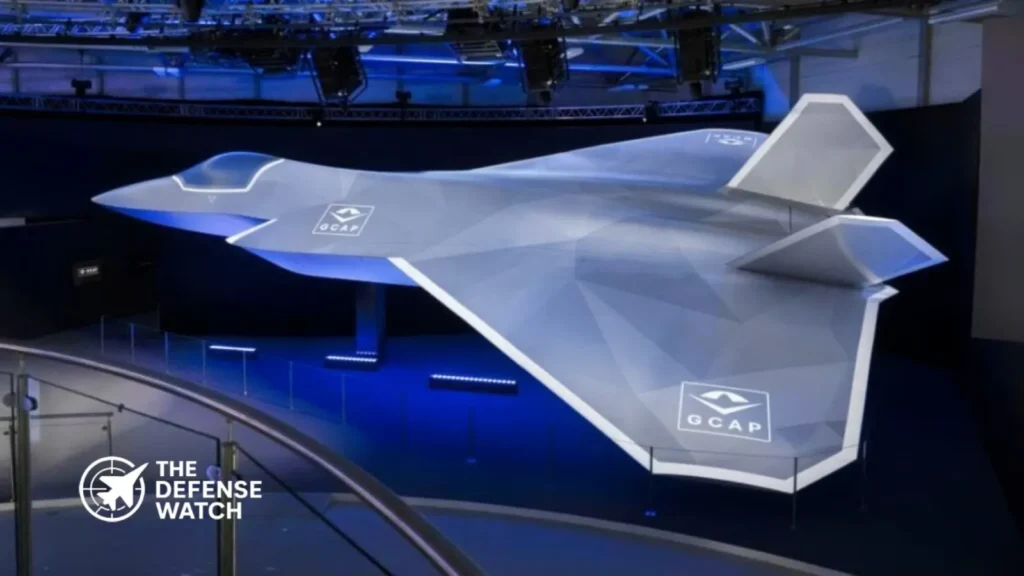
GCAP Fighter. Industry Handout Image. Italian Defense Minister Guido Crosetto has publicly stated that GCAP represents a strategic investment in technological sovereignty and equal partnership, contrasting it with previous programs where Italy played a more subordinate role. During recent parliamentary testimony, Crosetto indicated that additional countries including Germany and Australia have expressed interest in joining the program.
GCAP vs FCAS: Competing European Visions
The Italian parliamentary approval occurs against the backdrop of significant tensions within the rival Franco-German-Spanish Future Combat Air System (FCAS) program. FCAS has experienced prolonged industrial disputes, particularly over workshare allocation and intellectual property rights between Dassault Aviation and Airbus, leading to schedule delays and political friction.
Multiple European defense publications have reported that Germany is actively considering abandoning FCAS in favor of joining GCAP, a development that would fundamentally reshape European combat air cooperation. During a January 2026 summit in Rome, German Chancellor Friedrich Merz reportedly discussed GCAP participation with Prime Minister Meloni, though no formal decisions have been announced.
The contrast between the two programs has become increasingly stark. GCAP partners established a formal international treaty in December 2023, created a joint business venture among BAE Systems, Japan Aircraft Industrial Enhancement Company, and Leonardo, and have maintained consistent program timelines. Meanwhile, FCAS continues to struggle with fundamental governance and industrial participation issues.
GCAP Fighter. Industry Handout Image. Italian Foreign Minister Antonio Tajani stated in early February 2026 that Italy remains open to expanding GCAP membership if additional nations wish to join, emphasizing that broader participation could reduce per-nation costs while increasing technological capacity and economic returns.
Technical Capabilities and Industrial Organization
GCAP is designed as a comprehensive sixth-generation combat air system, not merely a single aircraft platform. The program encompasses development of a next-generation manned fighter as the core platform, integration with Adjunct Combat Aircraft (loyal wingman drones), establishment of a combat cloud data exchange architecture connecting space-based, airborne, naval, and ground sensors, and incorporation of artificial intelligence for enhanced decision-making and autonomous operations.
The three-nation partnership operates under an explicitly equal framework, with each country holding one-third stakes in the joint industrial venture. BAE Systems serves as the UK industrial lead, responsible for airframe development and overall integration. Leonardo leads Italian participation, with specific responsibilities for flight system integration, weapons integration, and training systems. Mitsubishi Heavy Industries heads Japanese industrial involvement, managing airframe production and systems integration for Japan.
The program structure includes provisions for technology transfer and shared intellectual property rights, addressing concerns that arose in previous collaborative efforts where certain partners retained disproportionate control over critical technologies and capabilities.
Operational Requirements and Timeline
GCAP aims to replace the Eurofighter Typhoon in Royal Air Force and Italian Air Force service, and the Mitsubishi F-2 in Japan Air Self-Defense Force operations. The target in-service date of 2035 positions GCAP to address the obsolescence of current fourth-generation and early fifth-generation platforms as peer competitors field their own advanced systems.
Defense planners envision GCAP aircraft operating in contested environments where communication with traditional support assets may be restricted or denied. The platform’s design emphasizes extended range, potentially enabling transatlantic missions on internal fuel, internal weapons carriage exceeding current fifth-generation fighters to maintain stealth characteristics, and data processing capacity sufficient to coordinate multiple uncrewed wingman aircraft in real-time combat scenarios.
Flight testing of technology demonstrators is scheduled to commence in 2027-2028, with the UK’s Excalibur flight test aircraft program already underway using modified Boeing 757 airframes. Italy and Japan have announced plans to develop their own domestic flight test platforms to accelerate development and reduce risk.
Budget Implications and Future Funding
For fiscal year 2025, Italy has allocated over €600 million to GCAP, placing it among the nation’s largest defense expenditures alongside F-35 procurement and Eurofighter upgrade programs. The approved €8.77 billion will be disbursed in annual increments through 2037, requiring sustained budgetary commitment across multiple government administrations.
Italy currently operates 118 Eurofighter aircraft and plans to acquire 115 F-35s, with combined inventory projected to exceed 180 aircraft through the 2040s. GCAP is expected to initially supplement, then gradually replace the Eurofighter fleet as those aircraft reach end-of-service life.
The Italian government is leveraging defense spending provisions within the European Union’s Stability Pact framework, which allows military expenditures to be temporarily excluded from deficit calculations under certain circumstances. This mechanism provides financial flexibility to sustain major long-term defense programs without immediately impacting fiscal targets.
International Interest and Program Expansion
Beyond Germany’s potential participation, multiple nations have expressed varying levels of interest in GCAP. Australia received an informational briefing from the GCAP consortium during the March 2025 Avalon Airshow, though Royal Australian Air Force officials indicated that significant uncertainties remain before formal consideration.
Saudi Arabia has pursued GCAP membership since 2023, though Japan initially expressed reservations regarding export policy, technology security, and timeline concerns. Recent diplomatic discussions at the 2024 G20 Summit and subsequent ministerial meetings suggest that Saudi participation remains under active consideration, particularly regarding cost-sharing arrangements and technology transfer provisions.
Canada has also examined GCAP as a potential future acquisition to succeed its planned F-35A fleet, according to diplomatic sources. Portugal’s defense minister indicated in 2025 that the country would consider joining either GCAP or FCAS as an observer under broader Portuguese Air Force modernization plans.
The potential expansion of GCAP membership presents both opportunities and challenges. Additional participants would broaden the program’s financial base and industrial capacity while potentially complicating governance structures and technology sharing arrangements. The three founding nations have indicated they are developing formal criteria for new member admission to balance these considerations.
Strategic Implications for European Defense
The approval of major GCAP funding by Italy, combined with potential German participation, carries significant implications for European defense industrial consolidation. Defense market analysts have long argued that Europe cannot sustainably support multiple competing sixth-generation fighter programs given limited procurement budgets and industrial capacity.
If Germany formally joins GCAP, the program would unite four of Europe’s five largest defense economies (UK, Italy, Germany, and potentially Spain if it follows Germany), leaving France pursuing FCAS either independently or with significantly reduced European participation. Such an outcome would represent a fundamental realignment of European combat air development away from traditional Franco-German defense cooperation.
The United Kingdom’s departure from the European Union had initially raised questions about UK-EU defense industrial cooperation, but GCAP demonstrates that substantive partnerships can proceed outside formal EU frameworks. Italy’s full commitment despite being an EU member state and potential German interest suggest that operational requirements and industrial pragmatism may outweigh political preferences for EU-internal programs.
NATO interoperability considerations also favor GCAP expansion, as the program explicitly incorporates data-sharing standards and communications architectures designed for integration with other allied systems. The inclusion of Japan, a major non-NATO ally with increasing security cooperation with European nations, provides additional strategic value in an era of great power competition.
Conclusion
Italy’s parliamentary approval of €8.77 billion in immediate GCAP funding, despite a tripling of estimated total program costs to €18.6 billion, demonstrates the nation’s strategic commitment to sixth-generation combat air capabilities through equal international partnership. The program’s progress contrasts sharply with the troubled FCAS initiative, potentially attracting additional European participants and reshaping the continent’s future combat air landscape.
As GCAP advances toward technology demonstration flights in 2027-2028 and an operational aircraft by 2035, the program represents not merely a weapons acquisition but a comprehensive transformation in how allied nations develop, integrate, and employ air combat capabilities in an increasingly contested operational environment.
Get real time update about this post category directly on your device, subscribe now.

Privacy & Cookies PolicyThis website uses cookies to improve your experience. We'll assume you're ok with this, but you can opt-out if you wish. Accept Read More