Finland Completes First F135 Engine Assembly
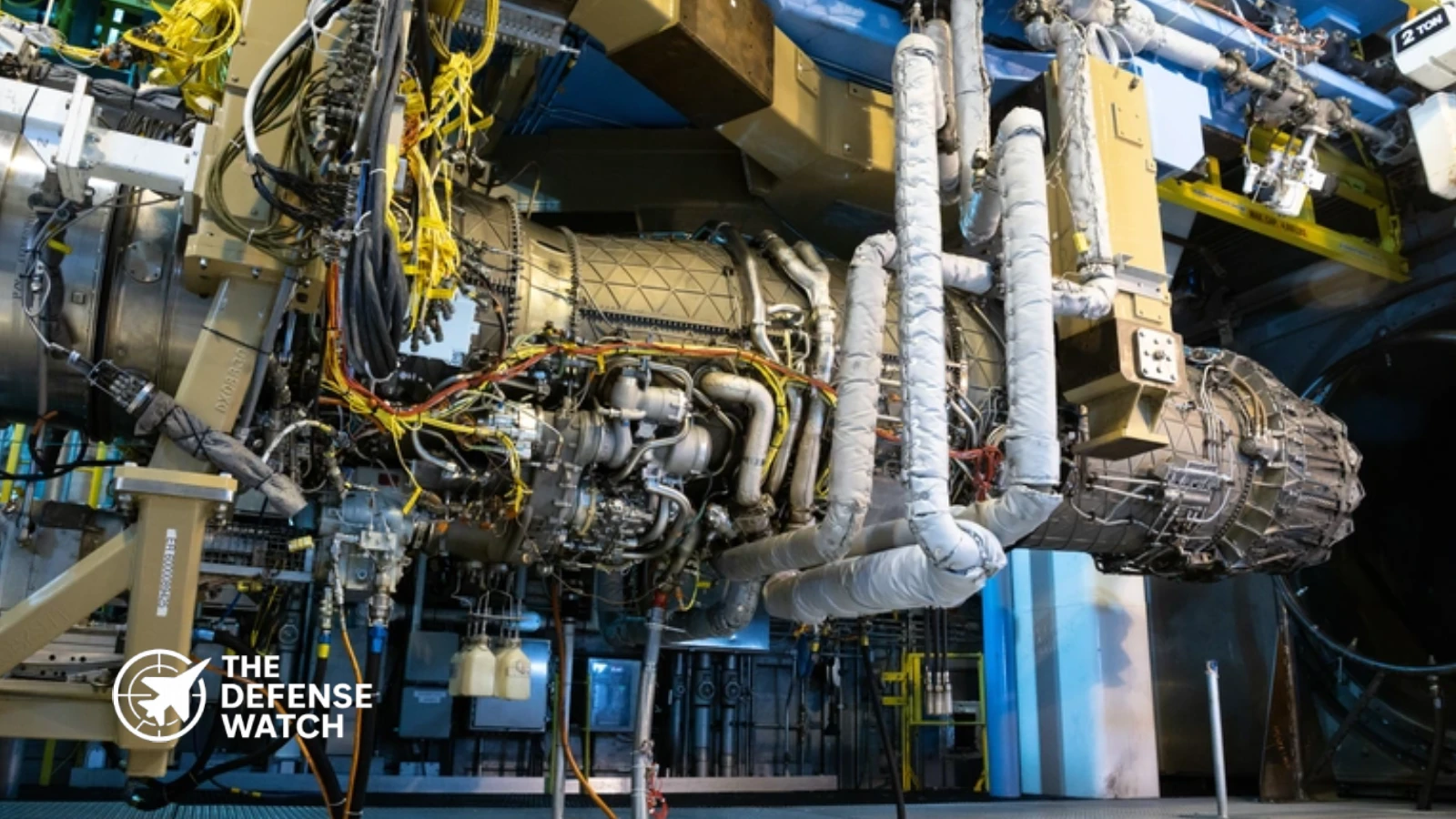
Finland has completed its first locally assembled F135 engine, giving Patria an operational production capability ahead of the arrival of the country’s first F-35A Lightning II fighters. Patria announced September 3 that the engine was completed at its new Linnavuori assembly and maintenance facility in Nokia, Finland.
- Finland Completes First F135 Engine Assembly
- Takeaways
- Linnavuori Establishes a Domestic F135 Sustainment Base
- F135 Production Is Timed With the Arrival of Finland’s F-35A Fleet
- Why Domestic Engine Capability Matters
- Integration With the Global F-35 Support Network
- The F135 Engine Remains Central to F-35 Readiness
- Finland’s F-35 Industrial Strategy Takes Shape
- What Comes Next
Takeaways
Finland has completed its first locally assembled F135 engine as Patria establishes the industrial base needed to support the country’s incoming F-35A fleet.
The milestone is significant because the Linnavuori facility is being established not simply as an assembly site, but as part of Finland’s long-term F-35 propulsion support infrastructure. Patria is responsible for initial engine assembly and is expected to take on maintenance, repair, overhaul and upgrade work later in the program.
Production began following a February 2026 agreement between Patria and Pratt & Whitney, an RTX business. The initial assembly phase is scheduled to continue through 2030, after which the facility will transition toward broader F135 sustainment activities.
Linnavuori Establishes a Domestic F135 Sustainment Base
The Finnish approach is closely tied to the country’s emphasis on security of supply.
When Finland selected the F-35A in 2021, its procurement decision placed substantial weight on domestic industrial participation and the ability to maintain critical defense capabilities during exceptional circumstances. The government’s plan calls for critical maintenance capacity to be established within Finland while also connecting the fleet to the wider multinational F-35 support network.
That requirement is particularly important for propulsion.
The F135 is the sole engine used across all three F-35 variants and represents one of the aircraft’s most technically demanding sustainment areas. Pratt & Whitney has described its global F135 support system as a distributed network involving depot facilities, operating bases and other support infrastructure serving F-35 users worldwide.
For Finland, having trained personnel and dedicated infrastructure inside the country provides an additional layer of control over an essential part of fighter readiness.
The capability does not mean Finland will operate independently of the international F-35 sustainment system. Instead, the Linnavuori facility adds Finnish capacity within that wider network, allowing national and multinational support arrangements to work together.
F135 Production Is Timed With the Arrival of Finland’s F-35A Fleet
The timing of the engine milestone is closely aligned with Finland’s aircraft introduction schedule.
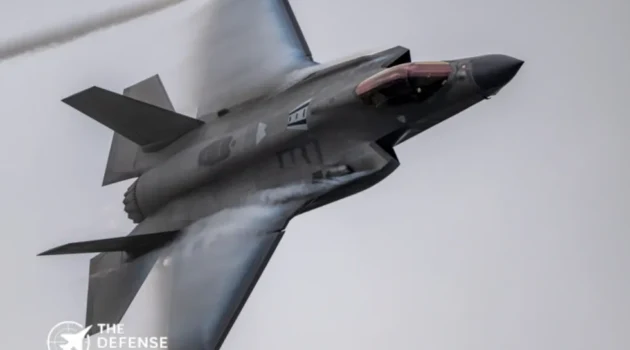
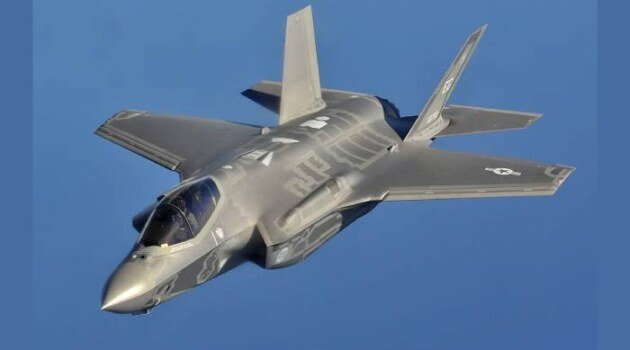
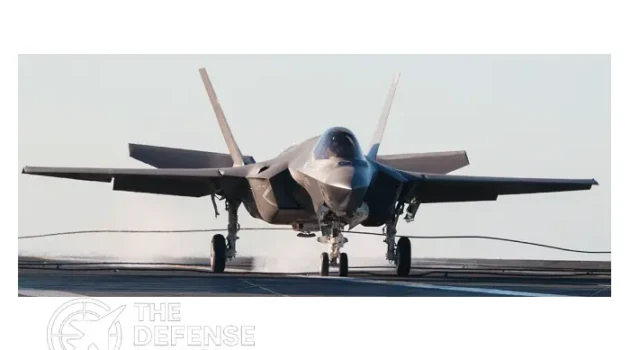
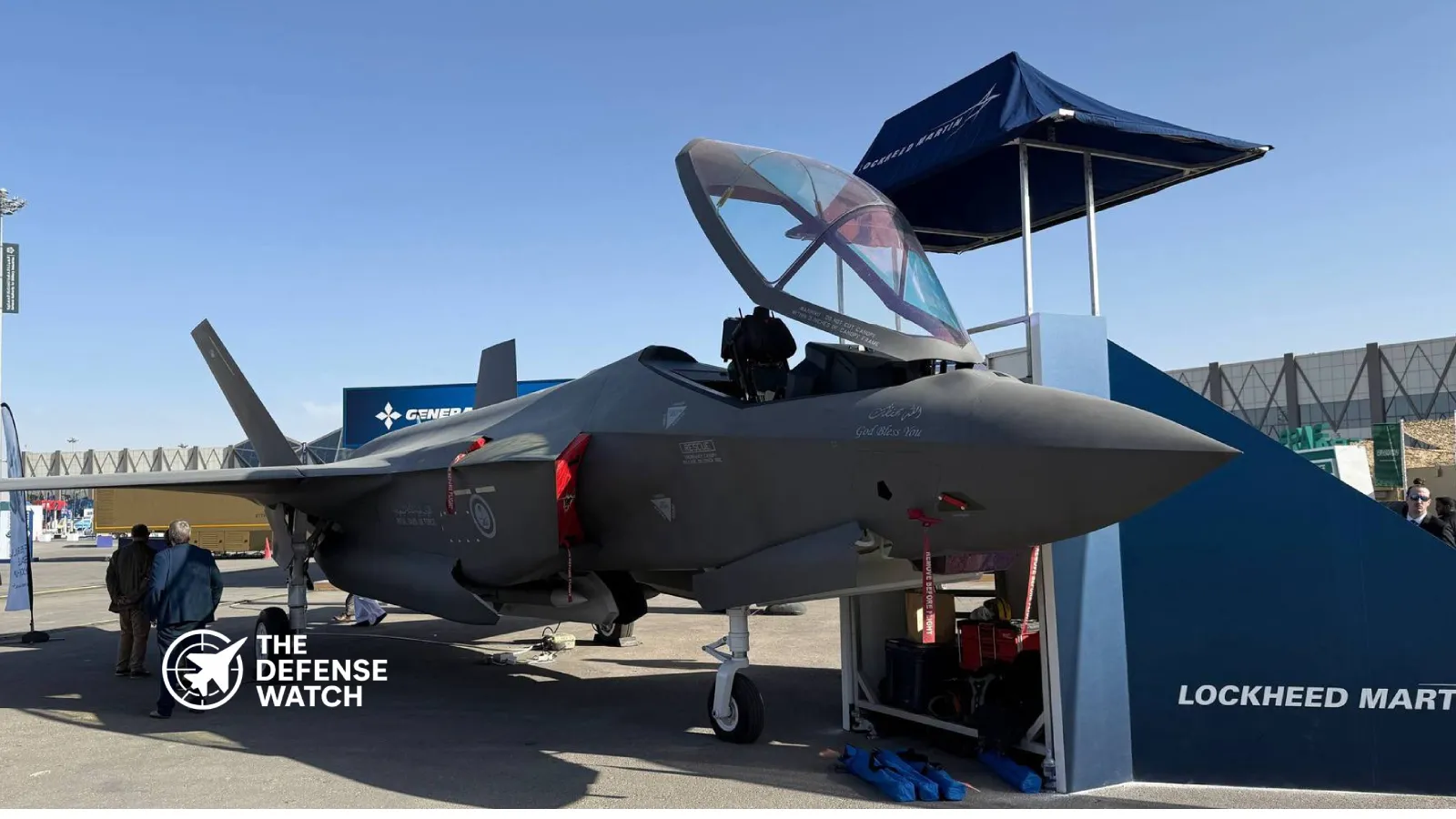
Finland ordered 64 F-35A Block 4 fighters to replace its aging F/A-18C/D Hornet fleet. The aircraft are scheduled for delivery between 2026 and 2030, with the first Finnish F-35As arriving at the Lapland Air Wing in Rovaniemi during autumn 2026.
Eight Finnish F-35 aircraft are also part of the U.S.-based training effort, allowing Finnish pilots and maintainers to build experience before the fleet becomes fully established at home. The broader program is therefore progressing on several tracks at once, including aircraft production, personnel training, infrastructure construction and domestic industrial participation.
The engine assembly milestone adds another piece to that transition.
Key Finnish F-35 Program Facts
Area Finland’s Program Aircraft F-35A Lightning II Quantity 64 aircraft Configuration Block 4 Engine Pratt & Whitney F135 Finnish engine facility Patria Linnavuori, Nokia Engine assembly Planned through 2030 Future engine support Maintenance, repair, overhaul and upgrade First aircraft arrival in Finland Autumn 2026 Main operating location Lapland Air Wing, Rovaniemi Finland’s Ministry of Defence says the F-35 procurement also includes training, sustainment solutions, spare parts, maintenance services and related infrastructure. The aircraft are intended to replace the Hornet fleet and provide the Finnish Air Force with a fighter system designed for service into the 2060s.
Why Domestic Engine Capability Matters
The most important aspect of the Patria milestone is not the assembly of a single engine. It is the development of industrial knowledge that can support the propulsion system over decades.
Modern fighter sustainment depends on specialized equipment, certified processes, trained technicians, engineering support and access to replacement components. Establishing these capabilities before a fleet reaches full operational scale gives Finland time to build the workforce and technical processes required for long-term support.
Patria says the F135 program is expected to create approximately 50 direct jobs between 2025 and 2030. The company has also described Linnavuori as a long-term location for F135 maintenance and sustainment activities after the initial production phase.
This creates an industrial capability with value beyond the initial aircraft delivery schedule.
Finland’s F-35 industrial participation also includes production of aircraft structures. Lockheed Martin identifies Patria as a Finnish F-35 partner responsible for front fuselage manufacturing as well as F135 engine assembly and sustainment. The company says the broader F-35 industrial effort involves more than 30 Finnish companies and academic institutions.
The result is a more distributed Finnish industrial base around the aircraft rather than a procurement model focused solely on buying completed fighters.
Integration With the Global F-35 Support Network
Domestic capability is only one part of the F135 sustainment model.
The F-35 program is designed around a multinational industrial and logistics structure. Pratt & Whitney has supplied more than 1,400 production F135 engines, supporting a global F-35 enterprise that includes 20 allied nations, according to company figures released in 2026.
That scale matters because engine maintenance and supply-chain resilience depend on common standards and access to a wider pool of technical expertise.
Finland’s Linnavuori capability therefore adds a national node to a larger system. This approach is consistent with Finland’s NATO membership and its emphasis on maintaining national defense capabilities while participating in collective defense arrangements.
For NATO, the broader value is interoperability. Finland’s F-35 fleet will operate alongside other European F-35 fleets, including those of Norway and Denmark, while benefiting from common aircraft, propulsion and support architecture. Finland’s Ministry of Defence has specifically identified NATO interoperability and participation in the Alliance’s collective defense structure as important elements of its post-accession defense posture.
The F135 Engine Remains Central to F-35 Readiness
The F135 provides propulsion for every F-35A, F-35B and F-35C aircraft. For Finland, which is procuring the conventional takeoff and landing F-35A, the engine is a central component of aircraft availability and operational readiness.
The Finnish F-35A uses the F135-PW-100 configuration. Finnish Ministry of Defence technical data lists a maximum afterburning thrust of approximately 191 kilonewtons for the engine.
Pratt & Whitney is also developing the F135 Engine Core Upgrade, intended to improve the engine’s durability and provide additional thermal and performance capacity for future F-35 capabilities. The company says the upgrade will use the existing F135 sustainment infrastructure and provide a pathway for continued propulsion support as the aircraft evolves.
That makes Finland’s investment in engine expertise relevant beyond the initial production period.
A workforce trained during assembly can provide a foundation for later maintenance and potentially more advanced sustainment activities as the Finnish F-35 fleet matures.
Finland’s F-35 Industrial Strategy Takes Shape
The first Finnish-assembled F135 is therefore best understood as part of a much larger industrial strategy.
Finland’s original F-35 decision included an industrial participation package designed to strengthen domestic production, maintenance and security of supply. The government estimated thousands of direct and indirect person-years of employment from the industrial participation arrangements.
The Linnavuori facility turns one part of that strategy into an operational capability.
With engine assembly now underway, aircraft deliveries approaching and future maintenance planned at the same site, Finland is building the industrial infrastructure required to support its F-35 fleet over a service life expected to extend for decades.
For Finland, the immediate objective is straightforward: ensure that the arrival of the F-35A is matched by the technical infrastructure needed to keep the aircraft available. For the wider F-35 program, the development adds another European location to the aircraft’s growing global propulsion sustainment network.
What Comes Next
The next major milestones will be the arrival of Finland’s first F-35As at Rovaniemi, continued F135 assembly at Linnavuori and the gradual development of the Finnish maintenance workforce.
Patria’s current production phase is scheduled to run through 2030. The company then plans to adapt the facility for F135 maintenance and overhaul activities that will continue throughout the lifecycle of Finland’s F-35 fleet.
The first completed engine is therefore an early indicator that Finland’s F-35 transition is moving beyond aircraft procurement and into the more demanding phase of establishing a sustainable national operating and maintenance system.
For a country preparing to operate advanced fifth-generation fighters in NATO’s northern flank, that support infrastructure will be as important to long-term readiness as the aircraft themselves.