U.S. Space Force GPS Ground Control Modernization Gains Momentum
The U.S. Space Force GPS ground control modernization effort is advancing after U.S. Space Force awarded a $105 million contract to Lockheed Martin to upgrade critical infrastructure supporting next-generation satellites.
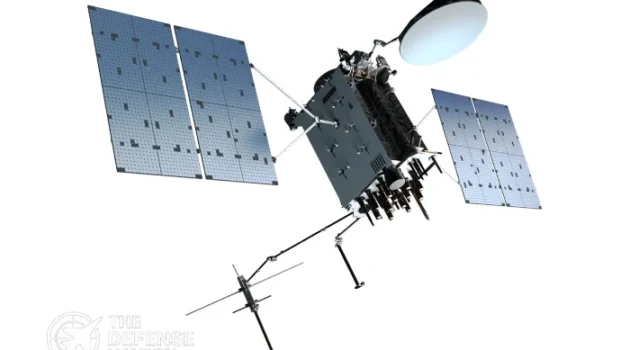
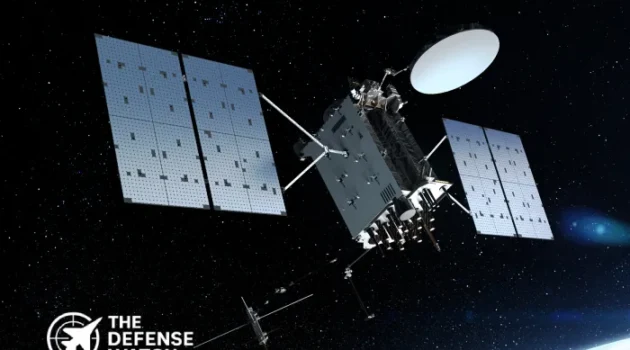
The contract focuses on enhancing the ground segment of the Global Positioning System, ensuring it can fully support the upcoming GPS III Follow-On (GPS IIIF) constellation. These satellites are expected to deliver stronger signals, improved anti-jamming capabilities, and expanded mission flexibility for military and civilian users.
- U.S. Space Force awarded Lockheed Martin a $105 million contract to modernize GPS ground control systems.
- The upgrade supports integration of next-generation GPS III Follow-On (IIIF) satellites.
- Work focuses on improving cybersecurity, resilience, and operational flexibility of GPS infrastructure.
- The program enhances positioning, navigation, and timing (PNT) capabilities for U.S. and allied forces.
- The contract reflects growing emphasis on space-based infrastructure amid rising global competition.
The award underscores a broader push by the Pentagon to modernize space-based positioning, navigation, and timing systems as reliance on GPS continues to grow across joint and allied operations.
Supporting GPS IIIF and Future Capabilities
At the core of the U.S. Space Force GPS ground control modernization effort is the need to integrate GPS IIIF satellites seamlessly into existing infrastructure. The upgraded control segment will enable operators to command, control, and monitor these advanced satellites more effectively.
GPS IIIF satellites are designed to introduce several enhancements over earlier blocks, including improved signal accuracy, increased resistance to electronic warfare threats, and the ability to host additional payloads. According to defense industry reporting, these upgrades are critical for maintaining U.S. leadership in satellite navigation.
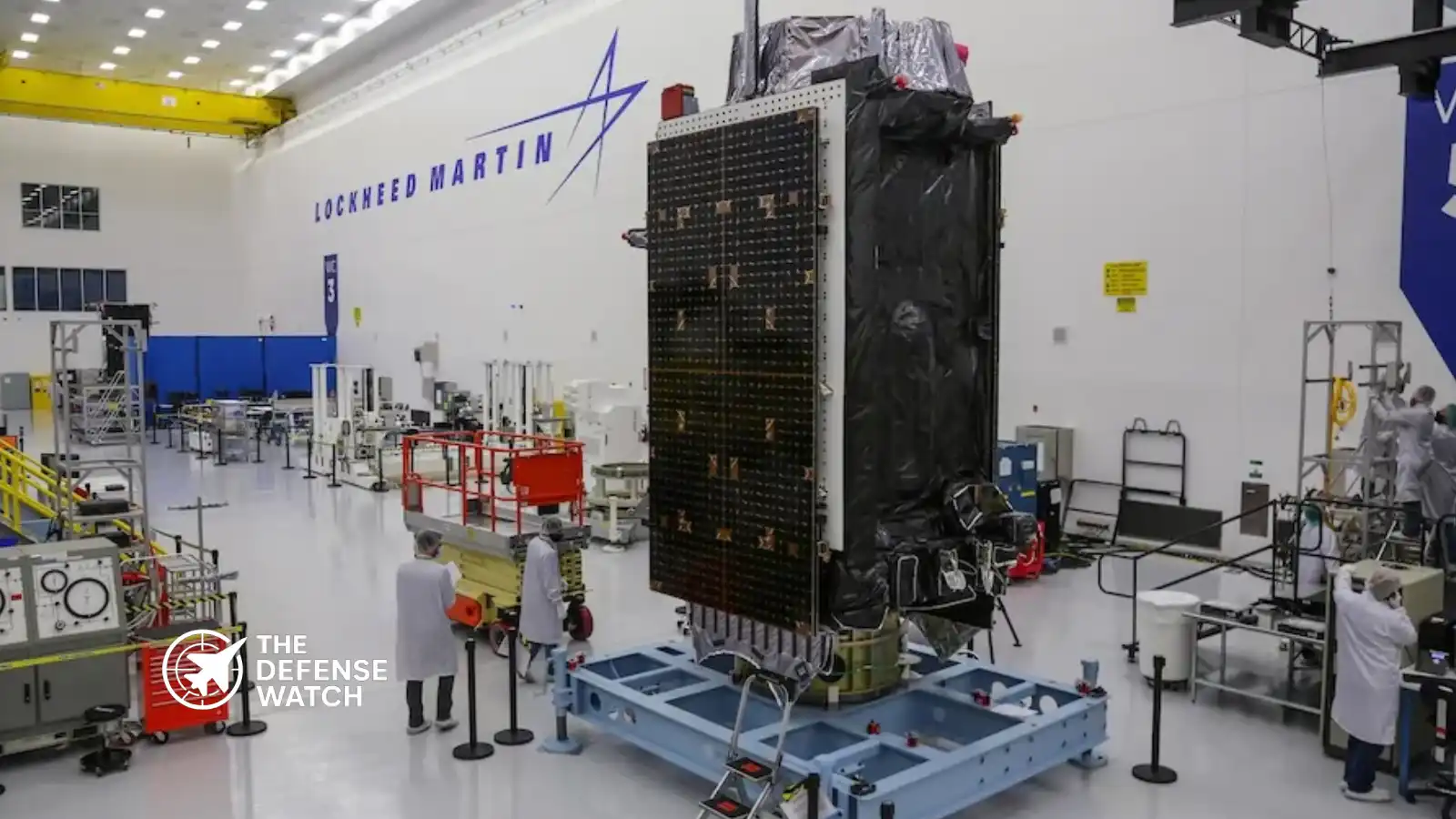
Lockheed Martin, which has long been involved in GPS satellite production and ground systems, will focus on software updates, system integration, and cybersecurity improvements under the contract.
Strategic Importance of Ground Segment Upgrades
While satellites often receive the most attention, the ground control segment is equally vital. Without modernized ground infrastructure, even the most advanced satellites cannot operate at full capability.
The U.S. Space Force GPS ground control modernization program aims to address several key vulnerabilities:
- Legacy systems that limit flexibility and scalability
- Growing cyber threats targeting space infrastructure
- Increasing demand for real-time, high-precision navigation data
Defense analysts note that adversaries such as China and Russia have invested heavily in electronic warfare and anti-satellite capabilities. Strengthening the ground segment helps ensure continuity of operations even in contested environments.
This contract reflects a shift toward more resilient and modular architectures, allowing faster updates and reduced downtime during upgrades.
Enhancing Military and Allied Operations
The modernization effort will directly support U.S. military operations worldwide. GPS is a foundational capability for precision-guided munitions, intelligence systems, communications, and logistics.
By improving the reliability and accuracy of GPS services, the upgraded ground control system will enhance:
- Targeting precision in combat operations
- Navigation for air, land, and maritime forces
- Synchronization of communications networks
Allied nations that rely on U.S. GPS services are also expected to benefit. The system’s global reach makes it a cornerstone of coalition operations, particularly in NATO and Indo-Pacific theaters.
Industry Role and Program Continuity
Lockheed Martin’s role in the U.S. Space Force GPS ground control modernization effort builds on decades of involvement in the GPS enterprise. The company has contributed to both satellite manufacturing and ground system development, positioning it as a key partner in ongoing upgrades.
The contract also highlights continuity within the GPS modernization roadmap. The U.S. Department of Defense has steadily transitioned from legacy GPS systems to more advanced architectures, including GPS III and IIIF satellites.
According to publicly available program data, maintaining compatibility between new satellites and upgraded ground systems is essential to avoid operational gaps during the transition period.
Broader Space Competition Context
The U.S. Space Force GPS ground control modernization effort comes amid intensifying global competition in space. Nations are investing in alternative navigation systems, including China’s BeiDou and Europe’s Galileo.
This environment has elevated GPS from a supporting capability to a contested strategic asset. Ensuring its resilience is now a top priority for U.S. defense planners.
The $105 million contract represents a relatively modest investment compared to overall space budgets, but it targets a critical node in the GPS architecture. Experts emphasize that incremental upgrades to ground systems can deliver significant operational gains without the cost of launching new satellites.