French Rafale Baltic Deployment Strengthens NATO Air Policing
The French Rafale Baltic deployment marks a renewed commitment by NATO to safeguard its eastern airspace, with France taking a leading role in the long-running Baltic Air Policing mission.
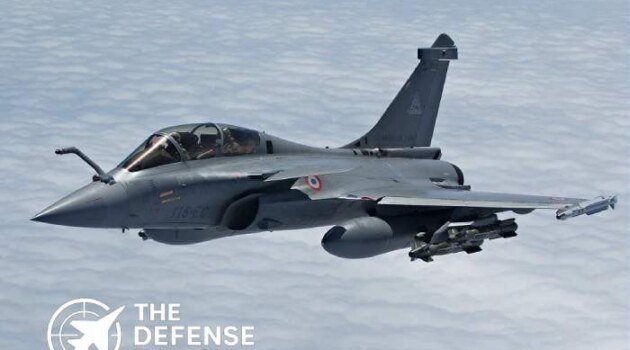
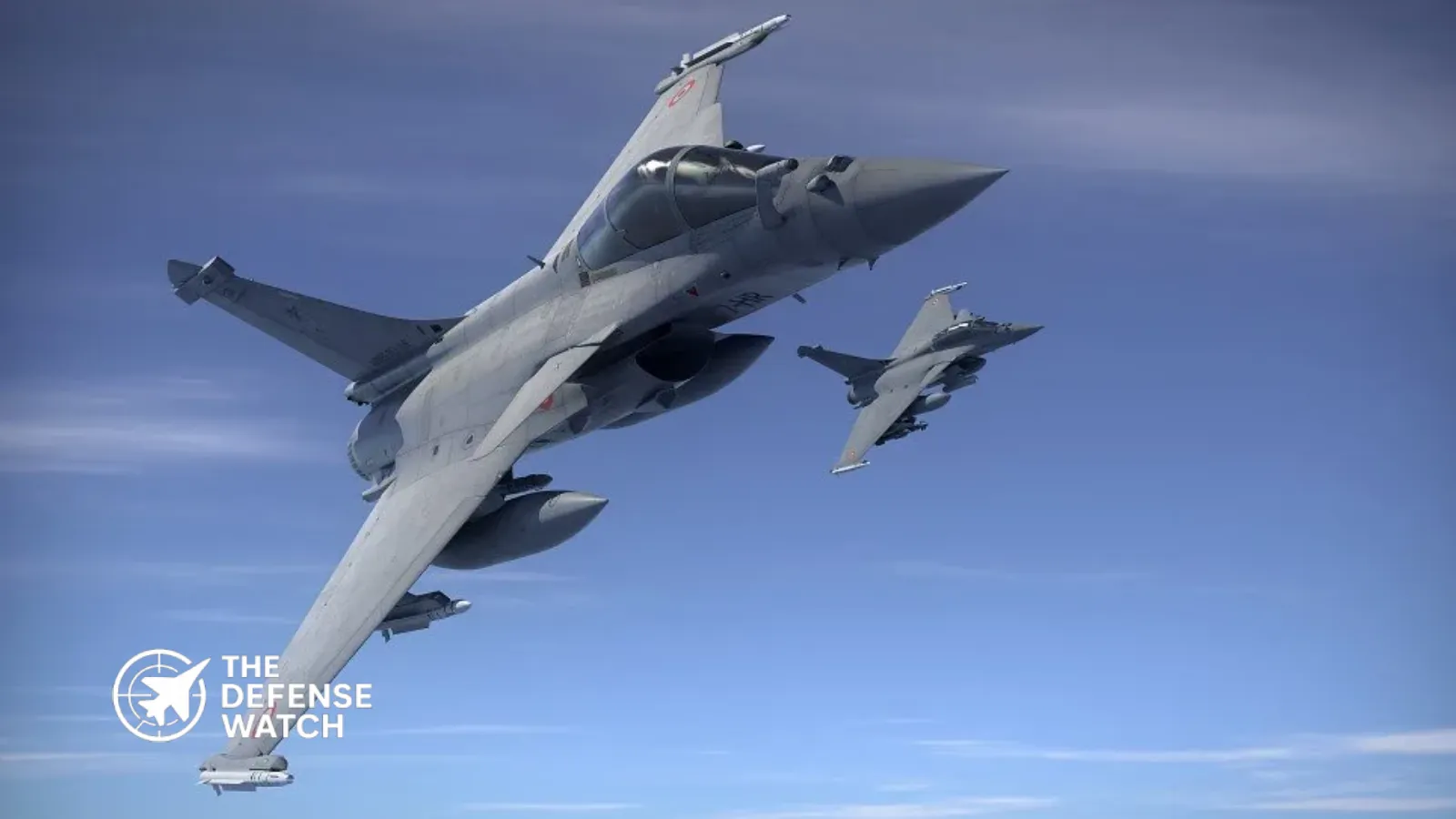
French Air and Space Force units have deployed Dassault Rafale jets to the Baltic region, where they will conduct quick reaction alert duties. These operations involve intercepting and identifying aircraft approaching NATO airspace without filed flight plans or transponder signals.
The Baltic Air Policing mission, launched in 2004, remains a cornerstone of NATO’s collective defense framework, particularly for member states such as Estonia, Latvia, and Lithuania, which lack their own full-scale air defense fighter fleets.
- France has deployed Rafale fighter jets to lead NATO’s Baltic Air Policing mission.
- The deployment is part of NATO’s rotational air defense effort over Estonia, Latvia, and Lithuania.
- Rafale aircraft will operate from a Baltic base to intercept and identify unidentified aircraft near NATO airspace.
- The mission underscores NATO’s response to heightened military activity near its eastern flank.
- France’s leadership role highlights its growing contribution to alliance air defense operations.
Operational Role And Mission Scope
Under the current rotation, French Rafale fighters are tasked with maintaining continuous readiness to respond to airspace violations or unidentified aircraft movements. These missions are coordinated through NATO’s integrated air and missile defense system, ensuring rapid response across allied airspace.
The Rafale’s multirole capability allows it to perform air superiority, interception, and reconnaissance missions within a single platform. Equipped with advanced radar, electronic warfare systems, and beyond-visual-range missiles, the aircraft enhances NATO’s ability to monitor and control contested airspace.
Operationally, Baltic Air Policing sorties often involve shadowing Russian military aircraft operating near NATO borders. While such encounters typically remain professional and non-confrontational, they reflect persistent strategic competition in the region.
Strategic Context And Regional Security Implications
The French Rafale Baltic deployment comes amid sustained tensions between NATO and Russia, particularly following increased military activity along NATO’s eastern flank.
From a strategic standpoint, the deployment serves multiple purposes. First, it reinforces NATO’s deterrence posture by maintaining a visible and credible air defense presence. Second, it distributes operational burden among member states, demonstrating alliance cohesion.
France’s leadership in this rotation also reflects a broader shift toward greater European contributions within NATO. As European nations expand defense spending and operational roles, missions like Baltic Air Policing provide a practical framework for burden sharing.
Capability Impact Of Rafale Deployment
The introduction of Rafale fighters into the Baltic rotation enhances mission capability in several ways. Compared to legacy aircraft often used in earlier rotations, the Rafale offers improved sensor fusion, network-centric warfare integration, and extended operational range.
These features are particularly relevant in the Baltic region, where rapid response times and situational awareness are critical. The ability to integrate with NATO command systems allows Rafale units to operate seamlessly alongside other allied aircraft and ground-based assets.
Moreover, the deployment highlights the flexibility of the Rafale platform, which has seen increasing export success and operational use across multiple theaters. Its performance in NATO missions reinforces its standing as a key European multirole fighter.
Alliance Signaling And Deterrence
Beyond operational duties, the French Rafale Baltic deployment carries significant signaling value. NATO rotations in the Baltic states are closely watched by both allies and adversaries, serving as a barometer of alliance resolve.
By assigning advanced aircraft and experienced crews to the mission, France and NATO send a clear message regarding their commitment to collective defense. This is particularly important in regions where airspace incursions and military probing activities remain frequent.
At the same time, the mission maintains a defensive posture, focused on surveillance and interception rather than escalation. This balance is central to NATO’s strategy of deterrence without provocation.
Outlook For Baltic Air Defense Operations
Looking ahead, Baltic Air Policing is expected to remain a persistent requirement as long as regional security dynamics remain unchanged. Rotational deployments, including the current French Rafale presence, will continue to adapt based on threat assessments and operational needs.
The integration of more advanced aircraft into these rotations suggests a gradual evolution of the mission from basic air policing toward a more robust air defense framework. This shift aligns with NATO’s broader efforts to strengthen its eastern defenses.