Saab Giraffe G1X Radar Contract Expands Baltic Air Defense Capability
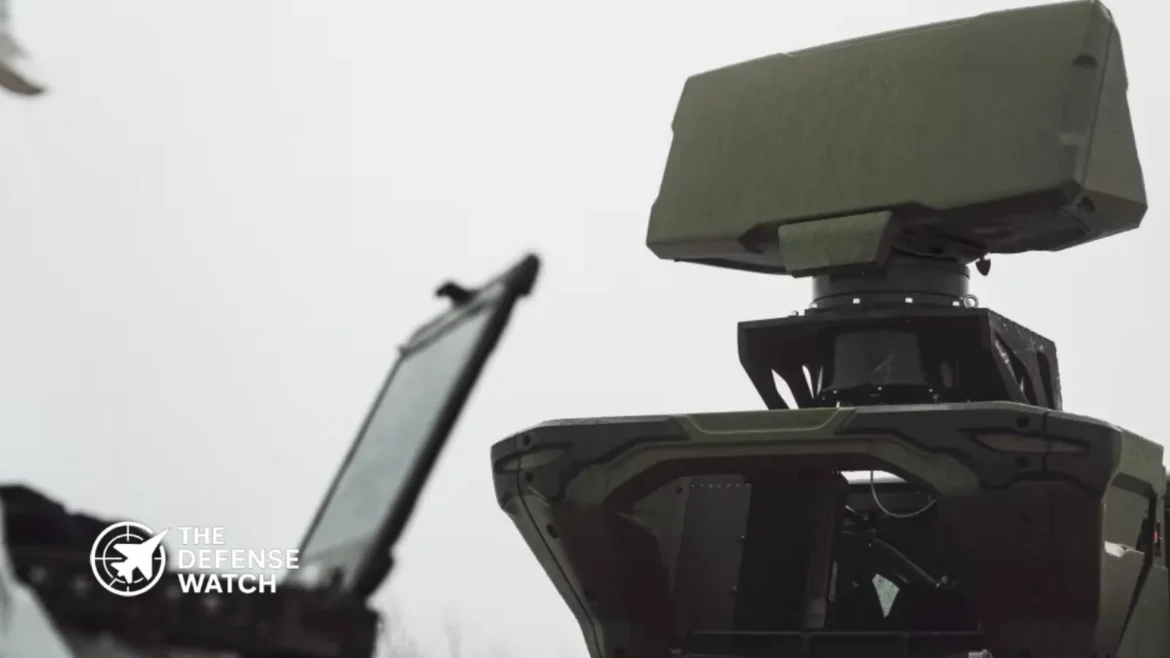
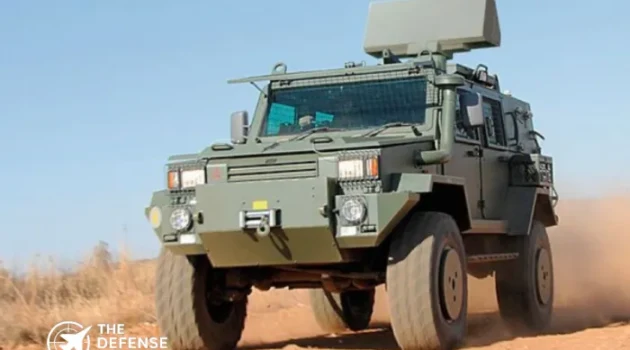
Saab Giraffe G1X radar systems are at the center of a new $23.87 million U.S. Army contract modification awarded to Saab Inc., aimed at strengthening Baltic air defense networks. The deal covers the procurement and delivery of 10 additional radar units for Estonia, Latvia, and Lithuania, reinforcing NATO’s eastern flank.
The modification brings the total contract value to $70.08 million, reflecting a broader U.S. effort to enhance partner capacity in regions facing increasing security pressure. The contract is managed by Army Contracting Command at Redstone Arsenal, Alabama.
Work will be carried out in East Syracuse, New York, with completion expected by February 28, 2027.
- Saab Inc. received a $23.87 million contract modification to supply 10 Giraffe G1X radars.
- The total contract value rises to $70.08 million under the U.S. Army agreement.
- Systems will support Estonia, Latvia, and Lithuania under a partner capacity program.
- Work will be performed in East Syracuse, New York, through February 2027.
- Funding comes from U.S. Army building partner capacity funds obligated at award.
Why The Giraffe G1X Radar Matters For Baltic Security
The Saab Giraffe G1X radar is a compact, multi-role system designed for short-range air surveillance and counter-drone operations. Its deployment across the Baltic states addresses a critical gap in low-altitude detection, particularly against small unmanned aerial systems and cruise missile threats.
Unlike legacy radar systems, the Giraffe G1X offers rapid deployment and mobility, allowing forces to reposition quickly in dynamic operational environments. This is especially relevant for Estonia, Latvia, and Lithuania, where terrain and proximity to potential adversaries demand flexible and resilient air defense solutions.
From a technical standpoint, the system integrates 3D radar capabilities with advanced tracking algorithms, enabling simultaneous detection of multiple targets. This improves situational awareness for ground-based air defense units and supports layered defense architectures.
U.S. Strategy: Building Partner Capacity In NATO’s Eastern Flank
The contract falls under the U.S. Army’s building partner capacity initiative, a long-standing program designed to strengthen allied military capabilities through targeted equipment transfers and training.
In the Baltic context, this effort aligns with NATO’s broader deterrence posture following heightened tensions in Eastern Europe. By equipping frontline allies with modern radar systems, the United States enhances early warning capabilities and reduces response times against potential aerial threats.
Defense analysts note that investments in radar and sensor networks are often more impactful than platform acquisitions alone. Without reliable detection systems, even advanced missile defenses cannot operate effectively. The Saab Giraffe G1X radar therefore plays a foundational role in the region’s integrated air defense framework.
Operational Impact: Countering Drones And Low-Flying Threats
One of the key drivers behind the Saab Giraffe G1X radar deployment is the growing threat posed by drones and low-observable aerial systems. Recent conflicts have demonstrated how inexpensive unmanned systems can overwhelm traditional defenses if not detected early.
The G1X radar is optimized for detecting small, slow, and low-flying targets, making it well-suited for counter-UAS missions. Its ability to operate in cluttered environments, such as urban or forested areas, further enhances its operational value in the Baltic region.
In practical terms, this means Baltic forces will gain improved capability to:
- Detect and track small drones at short ranges
- Provide targeting data for air defense systems
- Enhance coordination between radar and interceptor units
- Maintain situational awareness in contested environments
Industrial And Program Context
The work will be executed at Saab’s facility in East Syracuse, New York, highlighting the company’s U.S.-based manufacturing footprint. Saab Inc. has steadily expanded its presence in the American defense market, particularly in radar and electronic warfare systems.
The use of fiscal 2010 building partner capacity funds for this award reflects how long-term appropriations continue to support ongoing security cooperation programs. While the funding source may appear dated, such allocations are often structured to allow flexibility in execution over multiple years.
Strategic Outlook
The Saab Giraffe G1X radar contract underscores a broader shift toward distributed, networked air defense systems in Europe. Rather than relying solely on high-end platforms, NATO allies are investing in scalable and interoperable technologies that can be deployed rapidly.
For the Baltic states, this approach provides a cost-effective way to enhance defense readiness while integrating with NATO command and control systems. For the United States, it reinforces alliance cohesion and ensures that frontline partners are equipped to handle evolving threats.
As drone warfare and low-altitude threats continue to evolve, systems like the Saab Giraffe G1X radar are likely to become a standard component of modern air defense strategies.
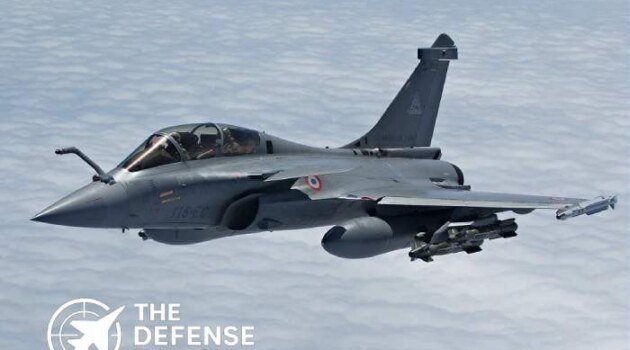
French Rafale Baltic Deployment Strengthens NATO Air Policing
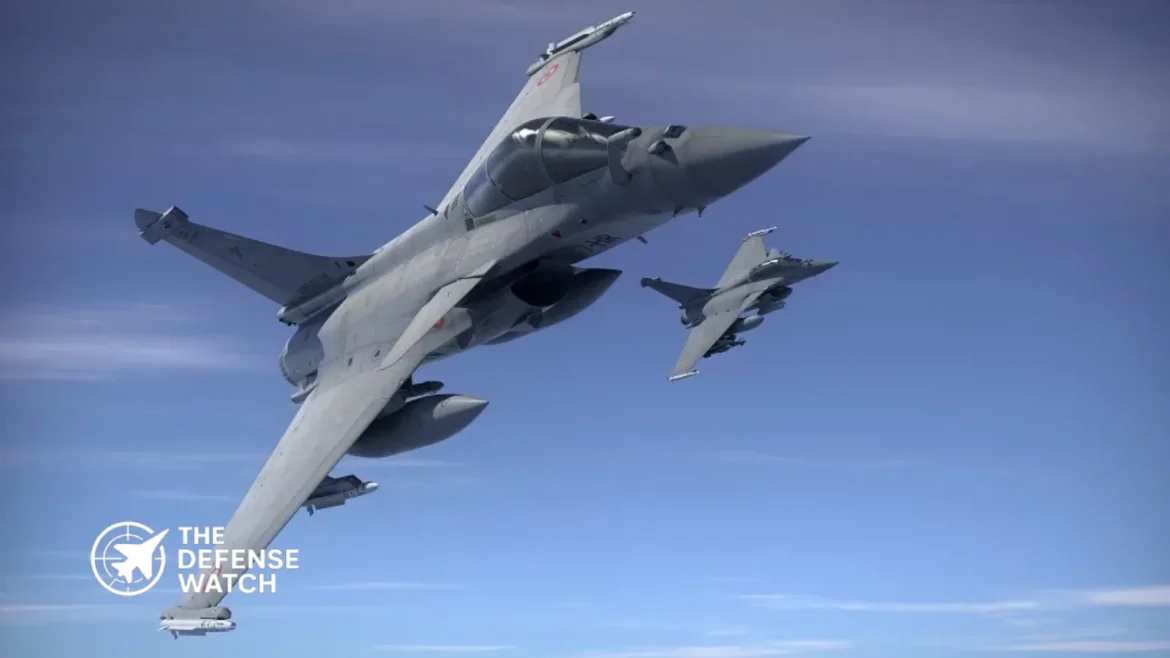
The French Rafale Baltic deployment marks a renewed commitment by NATO to safeguard its eastern airspace, with France taking a leading role in the long-running Baltic Air Policing mission.
French Air and Space Force units have deployed Dassault Rafale jets to the Baltic region, where they will conduct quick reaction alert duties. These operations involve intercepting and identifying aircraft approaching NATO airspace without filed flight plans or transponder signals.
The Baltic Air Policing mission, launched in 2004, remains a cornerstone of NATO’s collective defense framework, particularly for member states such as Estonia, Latvia, and Lithuania, which lack their own full-scale air defense fighter fleets.
- France has deployed Rafale fighter jets to lead NATO’s Baltic Air Policing mission.
- The deployment is part of NATO’s rotational air defense effort over Estonia, Latvia, and Lithuania.
- Rafale aircraft will operate from a Baltic base to intercept and identify unidentified aircraft near NATO airspace.
- The mission underscores NATO’s response to heightened military activity near its eastern flank.
- France’s leadership role highlights its growing contribution to alliance air defense operations.
Operational Role And Mission Scope
Under the current rotation, French Rafale fighters are tasked with maintaining continuous readiness to respond to airspace violations or unidentified aircraft movements. These missions are coordinated through NATO’s integrated air and missile defense system, ensuring rapid response across allied airspace.
The Rafale’s multirole capability allows it to perform air superiority, interception, and reconnaissance missions within a single platform. Equipped with advanced radar, electronic warfare systems, and beyond-visual-range missiles, the aircraft enhances NATO’s ability to monitor and control contested airspace.
Operationally, Baltic Air Policing sorties often involve shadowing Russian military aircraft operating near NATO borders. While such encounters typically remain professional and non-confrontational, they reflect persistent strategic competition in the region.
Strategic Context And Regional Security Implications
The French Rafale Baltic deployment comes amid sustained tensions between NATO and Russia, particularly following increased military activity along NATO’s eastern flank.
From a strategic standpoint, the deployment serves multiple purposes. First, it reinforces NATO’s deterrence posture by maintaining a visible and credible air defense presence. Second, it distributes operational burden among member states, demonstrating alliance cohesion.
France’s leadership in this rotation also reflects a broader shift toward greater European contributions within NATO. As European nations expand defense spending and operational roles, missions like Baltic Air Policing provide a practical framework for burden sharing.
Capability Impact Of Rafale Deployment
The introduction of Rafale fighters into the Baltic rotation enhances mission capability in several ways. Compared to legacy aircraft often used in earlier rotations, the Rafale offers improved sensor fusion, network-centric warfare integration, and extended operational range.
These features are particularly relevant in the Baltic region, where rapid response times and situational awareness are critical. The ability to integrate with NATO command systems allows Rafale units to operate seamlessly alongside other allied aircraft and ground-based assets.
Moreover, the deployment highlights the flexibility of the Rafale platform, which has seen increasing export success and operational use across multiple theaters. Its performance in NATO missions reinforces its standing as a key European multirole fighter.
Alliance Signaling And Deterrence
Beyond operational duties, the French Rafale Baltic deployment carries significant signaling value. NATO rotations in the Baltic states are closely watched by both allies and adversaries, serving as a barometer of alliance resolve.
By assigning advanced aircraft and experienced crews to the mission, France and NATO send a clear message regarding their commitment to collective defense. This is particularly important in regions where airspace incursions and military probing activities remain frequent.
At the same time, the mission maintains a defensive posture, focused on surveillance and interception rather than escalation. This balance is central to NATO’s strategy of deterrence without provocation.
Outlook For Baltic Air Defense Operations
Looking ahead, Baltic Air Policing is expected to remain a persistent requirement as long as regional security dynamics remain unchanged. Rotational deployments, including the current French Rafale presence, will continue to adapt based on threat assessments and operational needs.
The integration of more advanced aircraft into these rotations suggests a gradual evolution of the mission from basic air policing toward a more robust air defense framework. This shift aligns with NATO’s broader efforts to strengthen its eastern defenses.

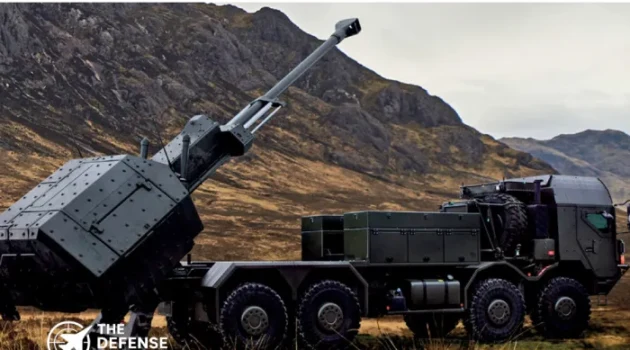
Latvia Approves Archer Wheeled Artillery Buy Ahead of Delivery
Latvia’s government conceptually backed the acquisition of Archer wheeled artillery systems for the Latvian National Armed Forces, confirming a push to modernize indirect fire support and tighten defense cooperation with Sweden.
The Cabinet’s approval on January 13 directs work on a procurement plan for the self-propelled 155 mm Archer howitzer, a system that combines mobility and firepower on an 8×8 chassis. The move follows a June 2025 letter of intent between Latvia and Sweden to secure 18 Archer units under a future intergovernmental agreement.
Defence Minister Andris Sprūds described the acquisition as a significant enhancement to Latvia’s indirect fire capabilities and a long-term investment in national security. He underscored that the decision supports closer ties with Sweden, with joint training and experience exchange planned as part of the partnership.
What the Archer Buy Entails
Under the June letter of intent, Riga and Stockholm committed to formalizing a contract for 18 Archer wheeled self-propelled guns, with deliveries scheduled to begin in 2026. Sweden also pledged to lease systems to Latvia on an interim basis before the new units arrive.
The Cabinet’s conceptual support now enables additional steps toward full procurement, including financing decisions and the negotiation of a final government-to-government contract.
Joint Unit and Training Plans
As part of broader cooperation, Latvia and Sweden will stand up a joint Archer 6×6 unit to support combined training and to build indirect fire skills while awaiting the delivery of Latvia’s own systems. Officials said this arrangement aims to improve interoperability and give Latvian crews experience with the platform early.
Additionally, Latvian Defence Minister Sprūds is expected to sign a defense cooperation roadmap with Swedish Defence Minister Pål Jonson, covering long-term joint activities in the Baltic region.
Strategic Context
The Archer artillery system, developed by BAE Systems and widely used by Sweden and other partners, provides mobile indirect fire with rapid deployment and automated fire control. For Latvia, adding the platform represents a notable shift from legacy systems and aligns with NATO efforts to enhance regional deterrence and capability.
Deliveries beginning in 2026 will see the first Archer units integrated into the Latvian National Armed Forces, with joint exercises and training shaping how the capability is fielded.