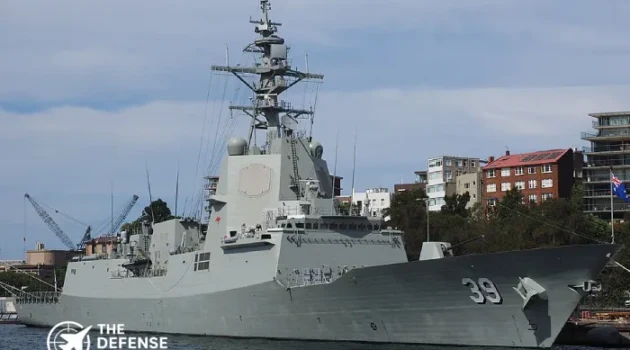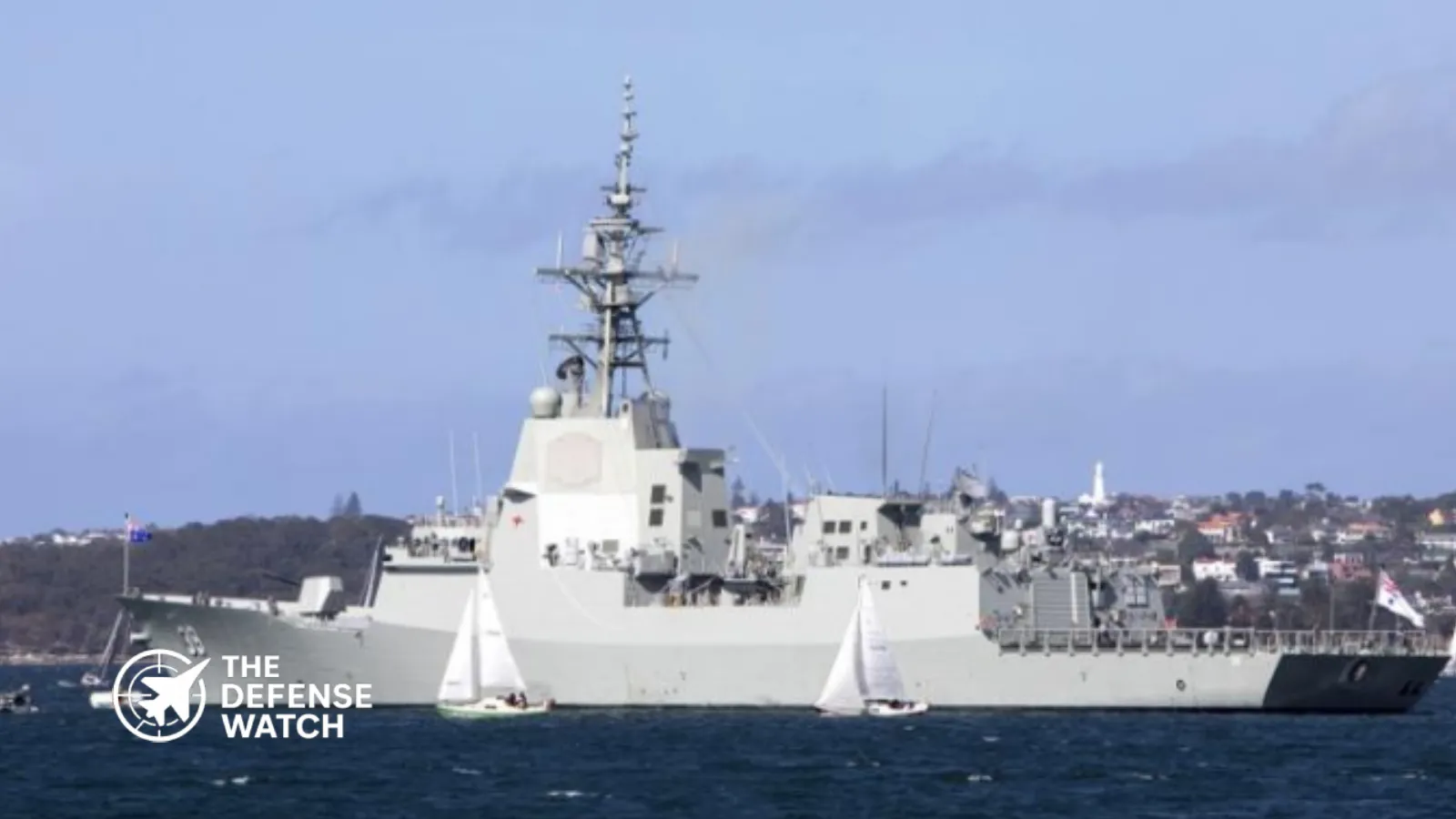
- Saab has opened a new integration test site in Australia to support combat system upgrades for Hobart-class destroyers.
- The facility enables land-based testing of naval combat systems before deployment at sea.
- It supports upgrades to the Aegis combat system used on Australia’s air warfare destroyers.
- The site strengthens sovereign defense capabilities and reduces reliance on overseas testing.
- The move aligns with Australia’s broader naval modernization and fleet sustainment strategy.
Saab Integration Test Site Australia Enhances Naval Modernization
The Saab integration test site Australia marks a significant step in strengthening the country’s naval combat system capabilities, particularly for the Hobart-class destroyers operated by the Royal Australian Navy.
Saab has established a land-based integration and test facility designed to support ongoing and future upgrades to the destroyers’ combat systems. The site enables engineers to replicate shipboard environments, allowing testing and validation of complex systems before they are installed at sea.
This approach reduces operational risk and minimizes downtime for frontline vessels, a critical factor for navies maintaining high readiness levels.
Supporting Aegis Combat System Upgrades
The primary focus of the Saab integration test site Australia is to support upgrades to the Aegis combat system, a cornerstone of the Hobart-class destroyers’ air defense capability.
Aegis integrates radar, sensors, and weapons into a unified system capable of tracking and engaging multiple airborne threats simultaneously, including aircraft and missiles. By testing updates on land, Saab and its partners can validate software changes, sensor integrations, and interoperability improvements without disrupting active naval operations.
This reflects a broader shift in naval engineering toward land-based testing environments, which are increasingly seen as essential for managing the growing complexity of modern combat systems.
From an operational standpoint, the ability to simulate real-world conditions ashore allows for faster iteration cycles. Engineers can identify issues early, apply fixes, and re-test systems without the logistical constraints of deploying a warship.
Strengthening Australia’s Sovereign Defense Capability
The Saab integration test site Australia also aligns with Canberra’s push to expand sovereign defense capabilities. By hosting advanced testing infrastructure domestically, Australia reduces dependence on foreign facilities for critical upgrades.
This is particularly important in the context of evolving regional security dynamics in the Indo-Pacific, where rapid capability adaptation is becoming a strategic necessity.
Local testing capability means that upgrades can be conducted more quickly and securely, with sensitive data remaining within national control. It also supports the development of a skilled domestic workforce in high-end defense engineering and systems integration.
The investment reflects a broader trend among U.S. allies to localize key aspects of defense sustainment and modernization, ensuring resilience in supply chains and operational independence.
Operational Impact on Hobart-Class Destroyers
For the Hobart-class fleet, the Saab integration test site Australia is expected to improve availability and mission readiness. Traditionally, major system upgrades require ships to be taken offline for extended periods, particularly when testing must be conducted at sea.
With a land-based facility, much of the integration work can be completed and validated before installation. This reduces the time ships spend in maintenance and increases their availability for operational deployments.
The destroyers play a central role in Australia’s maritime security strategy, providing air defense for naval task groups and contributing to coalition operations. Enhancing their combat systems ensures they remain capable against increasingly sophisticated threats.
Broader Strategic Context
The opening of the Saab integration test site Australia comes amid growing emphasis on naval modernization across allied fleets, particularly in response to advances in missile technology and electronic warfare.
Countries are investing in flexible, upgradeable combat systems that can evolve over time rather than relying on static configurations. Facilities like Saab’s integration site are key enablers of this approach.
They allow navies to adopt a more modular upgrade cycle, integrating new technologies such as advanced sensors, electronic warfare suites, and improved data links without requiring complete system overhauls.
This model mirrors similar efforts in the United States and Europe, where land-based test sites are used to de-risk upgrades for major platforms, including destroyers and aircraft carriers.
Analysis: Why This Matters Now
The Saab integration test site Australia highlights a subtle but important shift in how modern navies manage technological change.
Instead of treating upgrades as periodic, large-scale events, defense planners are moving toward continuous modernization. Land-based integration facilities make this possible by enabling rapid testing and deployment of incremental improvements.
For Australia, this capability is particularly valuable given its geographic distance from traditional defense industrial hubs. Local testing reduces delays and provides greater control over upgrade timelines.
It also strengthens interoperability with allies. By validating systems domestically, Australia can ensure compatibility with coalition partners while maintaining flexibility to adapt to national requirements.
In a security environment defined by rapid technological change, the ability to upgrade quickly and safely is becoming as important as the platforms themselves.