- The United Kingdom and France have launched early work on a successor to the Meteor beyond-visual-range air-to-air missile.
- The project is part of long-term efforts to maintain European air combat superiority against advanced threats.
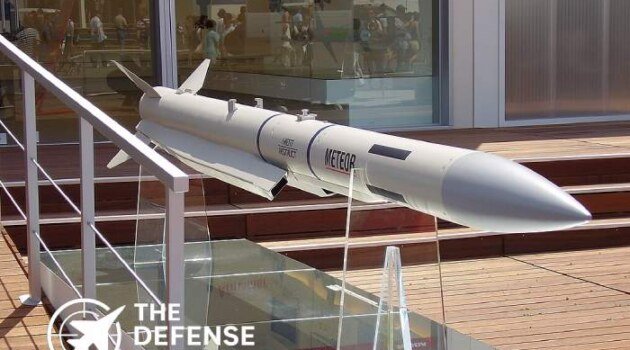
- The Meteor missile, developed by MBDA, is currently one of the most capable BVRAAM systems in service.
- The successor missile is expected to support future combat aircraft programs including FCAS and Tempest.
- Early-stage development signals growing urgency to counter next-generation adversary air capabilities.
- The United Kingdom and France have launched early work on a successor to the Meteor beyond-visual-range air-to-air missile.
- The project is part of long-term efforts to maintain European air combat superiority against advanced threats.
- The Meteor missile, developed by MBDA, is currently one of the most capable BVRAAM systems in service.
- The successor missile is expected to support future combat aircraft programs including FCAS and Tempest.
- Early-stage development signals growing urgency to counter next-generation adversary air capabilities.
UK And France Meteor Successor Missile Program Gains Momentum
The Meteor successor missile program has officially entered early development, as the United Kingdom and France move to sustain their edge in beyond-visual-range air combat.
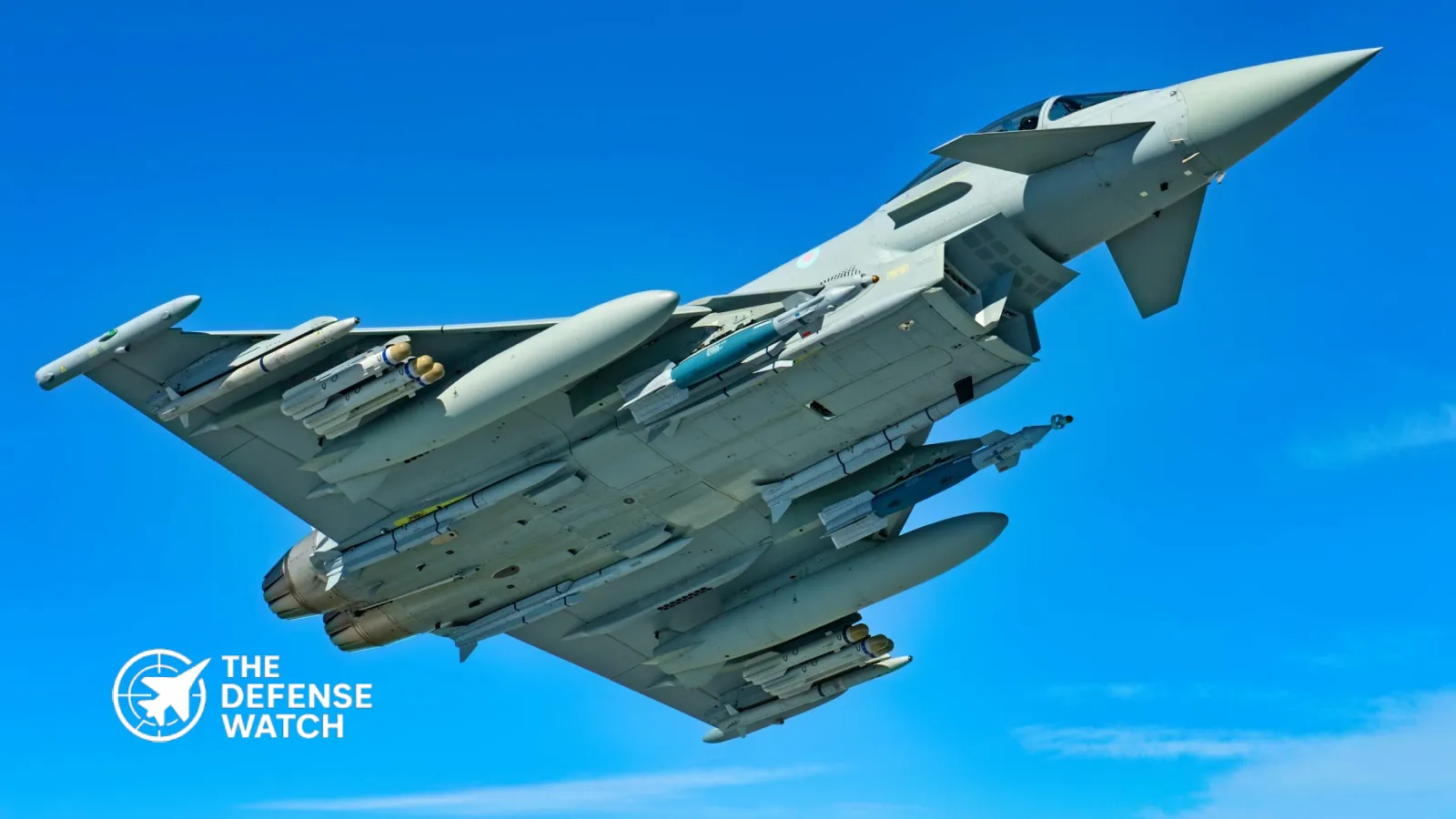
The initiative builds on the success of the current Meteor missile, widely regarded as one of the most advanced BVRAAM systems in operational service. Developed by European missile manufacturer MBDA, Meteor is fielded on platforms such as the Eurofighter Typhoon, Dassault Rafale, and Saab Gripen.
Officials in London and Paris are now looking beyond Meteor’s capabilities, recognizing that evolving threats from peer adversaries demand a new generation of air-to-air weapons with greater range, survivability, and network integration.
Why A Meteor Replacement Is Already Underway
Although the Meteor missile remains highly capable, defense planners are working years ahead of operational timelines. Modern air combat is rapidly shifting due to advances in stealth aircraft, electronic warfare, and long-range sensors.
The Meteor successor missile program reflects a broader strategic trend. Western air forces are preparing for contested environments where adversaries may deploy advanced fighters, including fifth- and sixth-generation platforms, supported by sophisticated air defense systems.
By starting early, the UK and France aim to avoid capability gaps as current systems approach obsolescence in the 2030s and beyond.
This approach mirrors U.S. efforts to develop next-generation air dominance capabilities and long-range missile systems designed to operate in denied environments.
Link To Future Combat Air Systems
A key driver behind the Meteor successor missile program is its expected integration with next-generation combat aircraft.
Europe is currently pursuing two major sixth-generation fighter initiatives. The UK-led Global Combat Air Programme, often associated with the Tempest fighter, and the Franco-German-Spanish Future Combat Air System (FCAS).
Both programs emphasize networked warfare, sensor fusion, and long-range engagement capabilities. A new air-to-air missile will need to match these requirements, offering enhanced data-link connectivity, improved targeting flexibility, and resistance to electronic countermeasures.
The successor to Meteor is therefore not just a replacement weapon, but a core component of future air combat ecosystems.
Industrial And Strategic Implications
The development effort is also significant for Europe’s defense industrial base. MBDA, the consortium behind Meteor, is expected to play a central role in the new program.
Sustaining indigenous missile development capabilities is a priority for both the UK and France, particularly as geopolitical tensions underscore the importance of strategic autonomy in defense manufacturing.
The Meteor successor missile program reinforces long-standing defense cooperation between the two countries, building on previous joint initiatives under frameworks such as the Lancaster House Treaties.
It also highlights Europe’s intent to remain competitive with U.S., Russian, and Chinese missile technologies, especially in the high-end air combat domain.
What The Next-Generation Missile Could Deliver
While specific technical details remain undisclosed, the Meteor successor missile is likely to focus on several key capability areas:
- Extended engagement range beyond current BVRAAM limits
- Improved propulsion systems for sustained high-speed performance
- Advanced seekers capable of operating in contested electronic environments
- Enhanced two-way data links for real-time targeting updates
- Greater compatibility with unmanned and optionally manned platforms
These features align with emerging operational concepts where aircraft act as nodes within a wider combat network, sharing targeting data across multiple platforms.
Strategic Analysis: Preparing For High-End Air Warfare
The timing of the Meteor successor missile program underscores a growing recognition among Western defense planners. Air superiority can no longer be taken for granted.
Potential adversaries are investing heavily in long-range air-to-air missiles, stealth aircraft, and integrated air defense systems designed to challenge NATO air dominance.
In this context, incremental upgrades are no longer sufficient. Instead, a generational leap in missile capability is required to maintain operational advantage.
The UK and France appear to be aligning their efforts with this reality, ensuring that their future air forces are equipped to operate in increasingly contested and complex battlespaces.
Conclusion
The launch of the Meteor successor missile program marks a critical step in Europe’s long-term air combat strategy.
By initiating early development, the United Kingdom and France are positioning themselves to counter emerging threats and support next-generation fighter programs well into the mid-21st century.
As the security environment continues to evolve, the success of this program will play a key role in shaping the balance of air power in future conflicts.