- The United Kingdom and France have launched early work on a successor to the Meteor beyond-visual-range air-to-air missile.
- The project is part of long-term efforts to maintain European air combat superiority against advanced threats.
- The Meteor missile, developed by MBDA, is currently one of the most capable BVRAAM systems in service.
- The successor missile is expected to support future combat aircraft programs including FCAS and Tempest.
- Early-stage development signals growing urgency to counter next-generation adversary air capabilities.
- The United Kingdom and France have launched early work on a successor to the Meteor beyond-visual-range air-to-air missile.
- The project is part of long-term efforts to maintain European air combat superiority against advanced threats.
- The Meteor missile, developed by MBDA, is currently one of the most capable BVRAAM systems in service.
- The successor missile is expected to support future combat aircraft programs including FCAS and Tempest.
- Early-stage development signals growing urgency to counter next-generation adversary air capabilities.
UK And France Meteor Successor Missile Program Gains Momentum
The Meteor successor missile program has officially entered early development, as the United Kingdom and France move to sustain their edge in beyond-visual-range air combat.
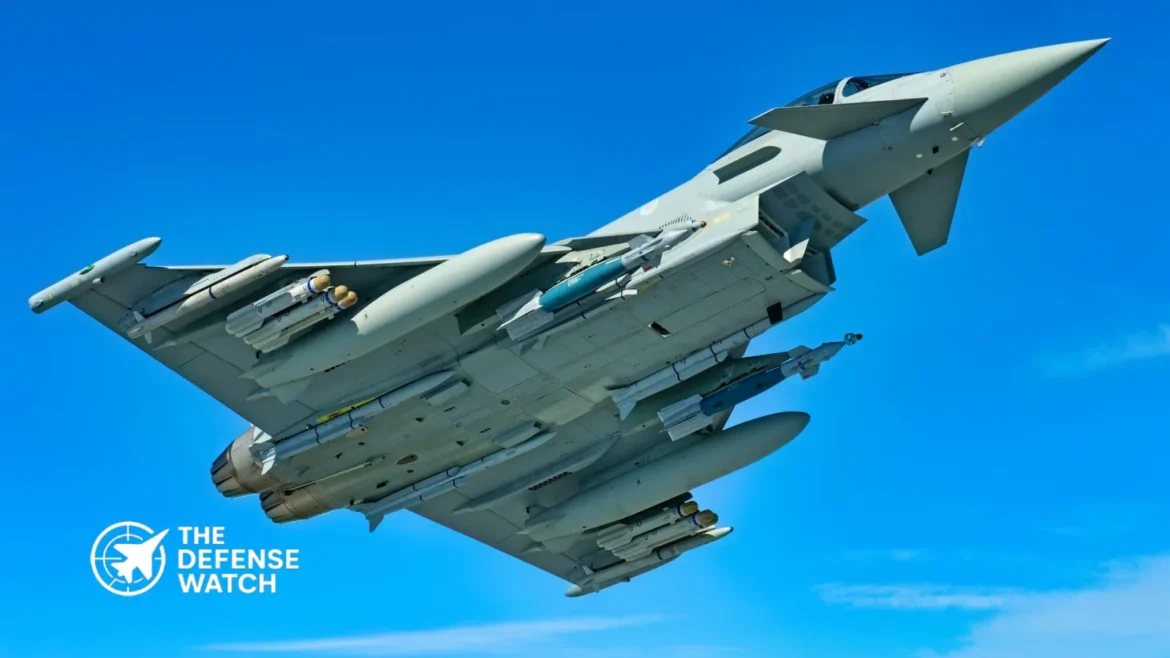
The initiative builds on the success of the current Meteor missile, widely regarded as one of the most advanced BVRAAM systems in operational service. Developed by European missile manufacturer MBDA, Meteor is fielded on platforms such as the Eurofighter Typhoon, Dassault Rafale, and Saab Gripen.
Officials in London and Paris are now looking beyond Meteor’s capabilities, recognizing that evolving threats from peer adversaries demand a new generation of air-to-air weapons with greater range, survivability, and network integration.
Why A Meteor Replacement Is Already Underway
Although the Meteor missile remains highly capable, defense planners are working years ahead of operational timelines. Modern air combat is rapidly shifting due to advances in stealth aircraft, electronic warfare, and long-range sensors.
The Meteor successor missile program reflects a broader strategic trend. Western air forces are preparing for contested environments where adversaries may deploy advanced fighters, including fifth- and sixth-generation platforms, supported by sophisticated air defense systems.
By starting early, the UK and France aim to avoid capability gaps as current systems approach obsolescence in the 2030s and beyond.
This approach mirrors U.S. efforts to develop next-generation air dominance capabilities and long-range missile systems designed to operate in denied environments.
Link To Future Combat Air Systems
A key driver behind the Meteor successor missile program is its expected integration with next-generation combat aircraft.
Europe is currently pursuing two major sixth-generation fighter initiatives. The UK-led Global Combat Air Programme, often associated with the Tempest fighter, and the Franco-German-Spanish Future Combat Air System (FCAS).
Both programs emphasize networked warfare, sensor fusion, and long-range engagement capabilities. A new air-to-air missile will need to match these requirements, offering enhanced data-link connectivity, improved targeting flexibility, and resistance to electronic countermeasures.
The successor to Meteor is therefore not just a replacement weapon, but a core component of future air combat ecosystems.
Industrial And Strategic Implications
The development effort is also significant for Europe’s defense industrial base. MBDA, the consortium behind Meteor, is expected to play a central role in the new program.
Sustaining indigenous missile development capabilities is a priority for both the UK and France, particularly as geopolitical tensions underscore the importance of strategic autonomy in defense manufacturing.
The Meteor successor missile program reinforces long-standing defense cooperation between the two countries, building on previous joint initiatives under frameworks such as the Lancaster House Treaties.
It also highlights Europe’s intent to remain competitive with U.S., Russian, and Chinese missile technologies, especially in the high-end air combat domain.
What The Next-Generation Missile Could Deliver
While specific technical details remain undisclosed, the Meteor successor missile is likely to focus on several key capability areas:
- Extended engagement range beyond current BVRAAM limits
- Improved propulsion systems for sustained high-speed performance
- Advanced seekers capable of operating in contested electronic environments
- Enhanced two-way data links for real-time targeting updates
- Greater compatibility with unmanned and optionally manned platforms
These features align with emerging operational concepts where aircraft act as nodes within a wider combat network, sharing targeting data across multiple platforms.
Strategic Analysis: Preparing For High-End Air Warfare
The timing of the Meteor successor missile program underscores a growing recognition among Western defense planners. Air superiority can no longer be taken for granted.
Potential adversaries are investing heavily in long-range air-to-air missiles, stealth aircraft, and integrated air defense systems designed to challenge NATO air dominance.
In this context, incremental upgrades are no longer sufficient. Instead, a generational leap in missile capability is required to maintain operational advantage.
The UK and France appear to be aligning their efforts with this reality, ensuring that their future air forces are equipped to operate in increasingly contested and complex battlespaces.
Conclusion
The launch of the Meteor successor missile program marks a critical step in Europe’s long-term air combat strategy.
By initiating early development, the United Kingdom and France are positioning themselves to counter emerging threats and support next-generation fighter programs well into the mid-21st century.
As the security environment continues to evolve, the success of this program will play a key role in shaping the balance of air power in future conflicts.

Indra has unveiled a new datalink demonstrator for the Meteor air-to-air missile designed to improve range, coverage and resistance to modern countermeasures, the company said in a statement. The Meteor Missile is a long-range, active radar guided beyond-visual-range weapon used on frontline fighters.
(adsbygoogle = window.adsbygoogle || []).push({});Spanish Defence Group Advances Meteor Datalink
The Spanish defence technology firm Indra said it has showcased an upgraded datalink system for the Meteor missile, part of the ongoing Meteor Mid Life Activities programme. The update aims to improve how Meteor exchanges guidance and control data with its launch platform during flight.
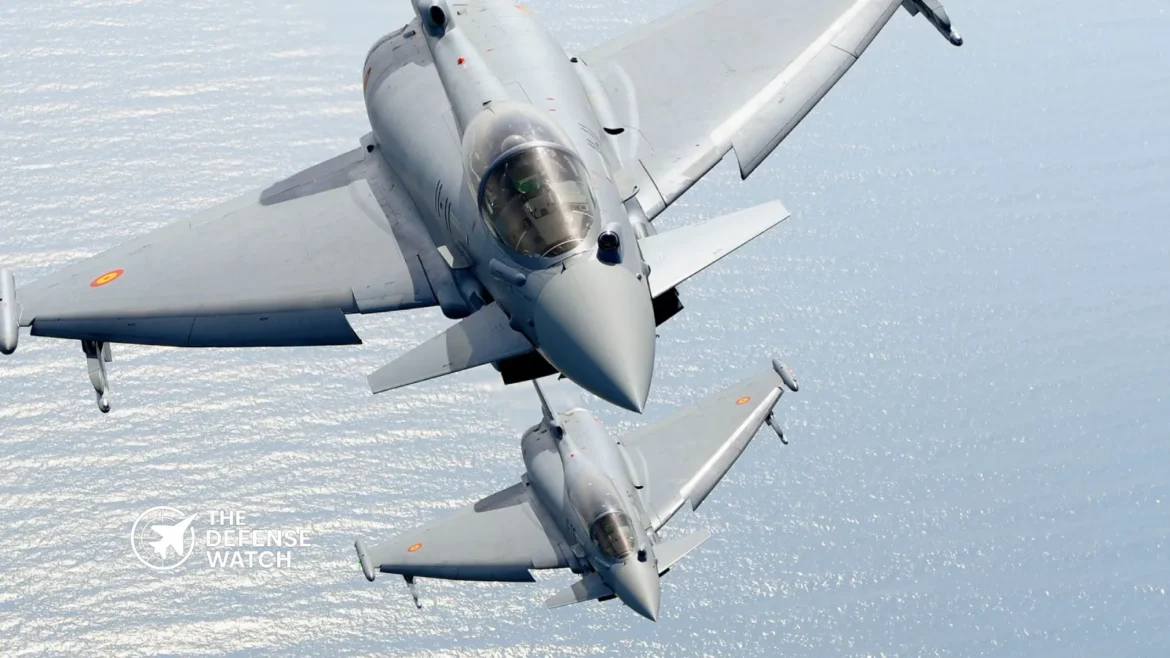
Meteor is in service with Eurofighter Typhoon, Dassault Rafale and Saab Gripen aircraft, and is also being tested for integration with the F-35 fighter. The missile’s existing datalink allows mid-course updates and retargeting from the host aircraft.
Indra said it supplies about 20 percent of the missile’s electronics across six subsystems and has delivered more than 2,300 units globally. The company has participated in the Meteor programme for 25 years.
Demonstrator Validated Against New Operational Needs
Indra presented the redesigned datalink to MBDA and the Meteor programme’s International Joint Project Office. The system completed a Preliminary Design Review and met updated technical requirements, allowing development and integration to proceed, Indra said.
(adsbygoogle = window.adsbygoogle || []).push({});The datalink upgrade is intended to strengthen communication between the launching aircraft and the missile during engagements and increase tolerance against electronic counter-measure environments. This plays into wider efforts across allied air forces to ensure long-range missile networks remain resilient against sophisticated jamming and deception technologies.
Meteor Missile Profile and Operational Context
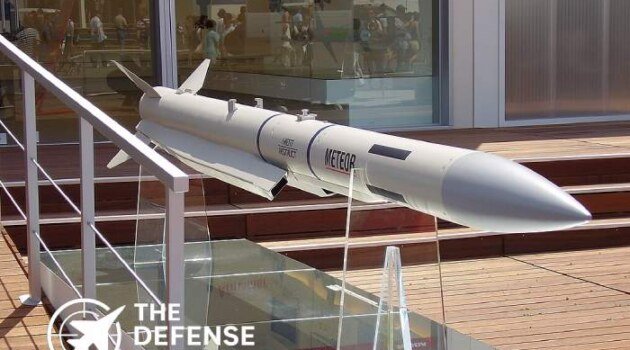
The Meteor is a high-performance beyond-visual-range air-to-air missile with a throttleable ramjet engine and active radar seeker. It can exceed Mach 4 and has a typical operational range above 100 kilometres. A two-way datalink supports mid-course target updates and retargeting from the host aircraft or off-board sensors.
That data link is a key part of Meteor’s design. Even before this upgrade effort, it enabled the launch platform to feed updated target location and kinematic data to the missile after launch, extending its effective engagement window and adapting to dynamic battlespace conditions.
Meteor’s combination of sustained propulsion, active guidance and secure data link has made it a core long-range weapon for European partners and export customers. Continued upgrades reflect how militaries are planning for future threat environments where advanced electronic warfare is a key challenge.
(adsbygoogle = window.adsbygoogle || []).push({});What Comes Next
With preliminary design approval secured, Indra and MBDA are expected to begin full development and integration of the new datalink system. Future testing and qualification steps will determine timelines for fielding across Meteor operators.
The programme comes as air forces worldwide place greater emphasis on resilient networked weapons and interoperability across platforms, especially for fifth-generation fighters and advanced radar systems.
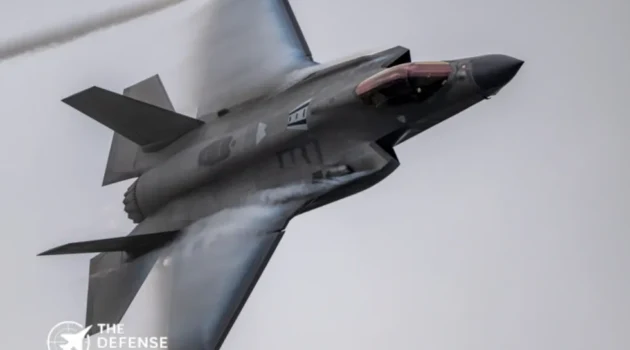

Germany Strengthens Air Combat Capability with New Meteor Missile Procurement
Germany has placed a new order with European defense manufacturer MBDA for additional Meteor missiles, expanding the country’s stockpile of beyond visual range air-to-air weapons for its Eurofighter Typhoon fleet. The procurement underscores ongoing European efforts to modernize air combat capabilities amid evolving security challenges.
(adsbygoogle = window.adsbygoogle || []).push({});MBDA announced the contract award through its official channels, though specific order quantities and financial details were not disclosed. The Meteor missile represents one of the most advanced air-to-air weapons currently operational, featuring a ramjet propulsion system that provides extended range and sustained high-speed performance throughout flight.
Advanced Ramjet Technology Distinguishes Meteor System
The Meteor beyond visual range missile entered service with multiple European air forces over the past decade, representing a collaborative development program among France, Germany, Italy, Spain, Sweden, and the United Kingdom. Unlike conventional rocket-powered air-to-air missiles, Meteor’s throttleable ducted rocket (ramjet) motor enables the weapon to maintain energy throughout its flight envelope.
This propulsion system provides tactical advantages in engagements against maneuvering targets at extended ranges. The missile reportedly achieves a no-escape zone several times larger than previous-generation weapons, meaning adversary aircraft have significantly reduced opportunities to evade once the weapon is launched within certain parameters.
(adsbygoogle = window.adsbygoogle || []).push({});Germany’s Eurofighter Typhoon fleet has been equipped with Meteor since integration was completed, providing the Luftwaffe with enhanced air superiority capabilities. The weapon measures approximately 3.7 meters in length with a diameter of 178 millimeters and weighs around 190 kilograms.
European Collaborative Defense Manufacturing Model
MBDA defense systems operates as a joint venture among Airbus, BAE Systems, and Leonardo, representing a European collaborative approach to complex weapons development. The company specializes in missile systems across air, land, and naval platforms, with operations in France, Germany, Italy, Spain, and the United Kingdom.
The Meteor program exemplifies multinational defense cooperation, with development costs and industrial workshare distributed among participating nations. Germany’s continued procurement supports domestic industry participation while maintaining interoperability with allied air forces operating the same weapon system.
(adsbygoogle = window.adsbygoogle || []).push({});France, the United Kingdom, Italy, Spain, and Sweden have all integrated Meteor onto their respective fighter aircraft, including Rafale, Eurofighter Typhoon, and Gripen platforms. This commonality simplifies logistics and training across NATO air forces while supporting coalition operations.
Context Within European Defense Spending Trends
The new Meteor missile Germany order arrives as European nations accelerate defense modernization following geopolitical shifts. Germany announced significant increases to defense spending, targeting NATO’s 2% GDP guideline with plans for comprehensive military modernization across all service branches.
Air force modernization forms a critical component of Germany’s defense strategy, with investments in F-35 Lightning II acquisitions, continued Eurofighter upgrades, and munitions stockpiling. The Luftwaffe operates approximately 138 Eurofighter Typhoons across multiple variants, representing the backbone of German air combat capability.
(adsbygoogle = window.adsbygoogle || []).push({});Beyond visual range air-to-air missiles constitute essential inventory for maintaining credible deterrence and air superiority. Modern air combat doctrine emphasizes engagement at extended ranges before entering close-range combat, making weapons like Meteor central to operational effectiveness.
Operational Capabilities and Integration
The Eurofighter Typhoon weapon systems portfolio includes multiple air-to-air and air-to-ground munitions, with Meteor serving as the primary beyond visual range solution. The aircraft’s sensor suite, including CAPTOR-E active electronically scanned array (AESA) radar on newer variants, provides target detection and tracking capabilities to fully exploit Meteor’s performance envelope.
Integration testing and qualification programs ensure compatibility between aircraft systems and weapons. Germany’s Eurofighters have undergone successive upgrade programs, enhancing avionics, defensive systems, and weapons compatibility to maintain technological relevance against evolving threats.
The Meteor’s active radar seeker provides terminal guidance, allowing the missile to prosecute targets independently after launch. This “fire and forget” capability enables launching aircraft to engage multiple targets or maneuver defensively without maintaining target illumination throughout missile flight.
Strategic Implications for European Air Defense
European air defense modernization extends beyond individual weapons procurement to encompass integrated air and missile defense architectures. Germany participates in NATO integrated air defense, contributing aircraft, sensors, and command and control capabilities to collective defense arrangements.
The continued investment in advanced air-to-air capabilities reflects assessments of potential adversary capabilities, including modern fighter aircraft and long-range air-defense systems. Maintaining technological overmatch in air combat requires sustained investment in sensors, platforms, and weapons throughout their operational lifecycles.
(adsbygoogle = window.adsbygoogle || []).push({});MBDA continues development work on future variants and capability enhancements for the Meteor system, ensuring the weapon remains effective against emerging threats. Collaborative European defense programs provide economies of scale while maintaining industrial capabilities across multiple nations.
Industry and Economic Considerations
Defense procurement decisions balance operational requirements with industrial and economic factors. The MBDA Meteor air-to-air missile program supports skilled manufacturing jobs and advanced technology development across participating European nations.
Germany’s defense industrial base includes significant aerospace and weapons manufacturing capabilities, with domestic companies participating in major international programs. Continued orders support production lines and supplier networks while maintaining workforce skills and technological expertise.
The ramjet propulsion technology employed in Meteor represents specialized manufacturing capability with potential applications beyond air-to-air weapons. Maintaining these industrial competencies provides strategic advantages for future development programs and technological independence.
Future Outlook for European Air Combat Capabilities
As sixth-generation fighter programs advance, weapons like Meteor will likely serve as bridge capabilities until next-generation systems achieve operational status. The Future Combat Air System (FCAS), a joint French-German-Spanish development program, includes plans for advanced weapons alongside new aircraft platforms.
(adsbygoogle = window.adsbygoogle || []).push({});Germany’s continued investment in current capabilities ensures operational readiness while future programs mature. The typical service life for modern air-to-air missiles spans multiple decades with periodic upgrades, meaning today’s procurement decisions influence capabilities well into the 2040s and beyond.
NATO air forces conducting combined operations benefit from common weapons inventories, simplifying logistics and interoperability during multinational exercises and potential contingencies. The widespread Meteor adoption across European air forces reinforces this standardization.
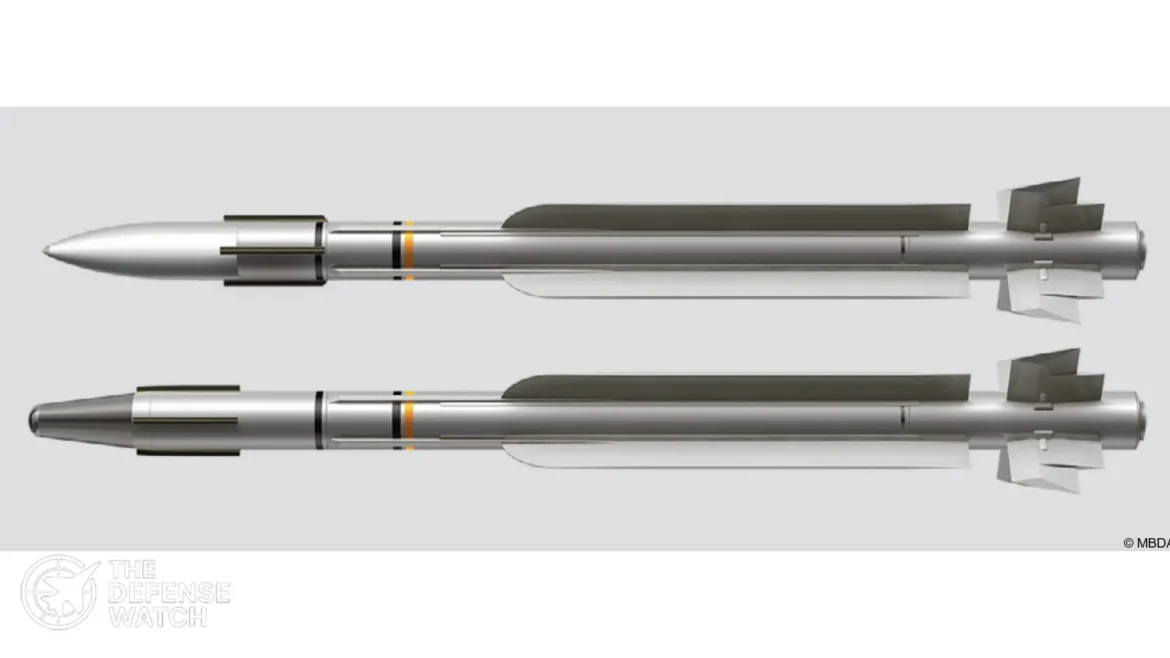
New evidence on Indian Rafales and Meteor missiles
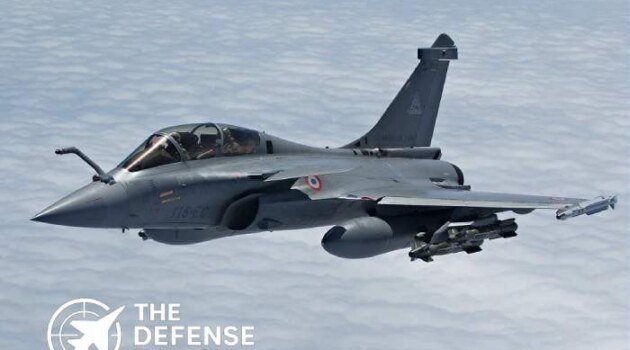
New footage circulating from Indian television coverage has provided fresh insight into the Indian Rafales shot down by the Pakistan Air Force, indicating that the aircraft were carrying Meteor missiles but were unable to fire them effectively.
(adsbygoogle = window.adsbygoogle || []).push({});The clip, reportedly filmed on location on the night of the engagement, shows burning wreckage in agricultural fields alongside a clearly visible fin section from an air to air missile. Independent visual comparison shows the fin geometry matches the MBDA Meteor missile and does not align with control surfaces used on the MICA family.
The footage was broadcast by Indian news outlets during initial reporting from the crash site and has since resurfaced as analysts review frame by frame details of the debris.
Missile debris linked to MBDA Meteor
Defense analysts familiar with European missile designs note that the recovered fin section closely matches the distinctive fixed fin layout of the Meteor. The shape, size, and mounting angle are considered incompatible with the smaller and differently configured fins used on the MICA missile carried by Rafale fighters.
MBDA documentation and publicly available imagery of Meteor missiles show a near identical fin profile, strengthening the assessment that Indian Rafales were equipped with Meteor missiles during the mission.
No evidence in the footage suggests the missile was launched. Instead, the debris appears to originate from an unexpended weapon destroyed with the aircraft.
Implications for electronic warfare and air combat
The presence of Meteor missiles indicates that Indian Rafales entered the engagement with long range air to air capability. However, the lack of launch evidence supports earlier assessments that effective Pakistan Air Force electronic attack and jamming prevented Indian pilots from achieving viable firing solutions or radar locks.
Pakistan has previously stated that electronic warfare and networked air defense played a central role in neutralizing Indian aircraft during the encounter. Western air combat doctrine emphasizes that even advanced missiles rely heavily on sensor performance and data link integrity.
(adsbygoogle = window.adsbygoogle || []).push({});Official silence and ongoing debate
Neither the Indian Air Force nor MBDA has issued official statements addressing the missile debris shown in the footage. Defense ministries on both sides have largely avoided technical discussion of the engagement.
As additional imagery and open source analysis continue to surface, the incident remains a key case study in modern beyond visual range combat and electronic warfare effectiveness.