• Home
  • About
  • Defense Systems
  • Manufacturer
  • Comparisons
  • Compare 
  • Tools
TheDefenseWatch.com
  • Aerospace & Aviation
  • Military & Ordnance
  • Naval & Maritime
  • Cyber & Space Defense
  • Policy & Strategy
  • Global News
  • Tools Library
    • Smart Calculator
    • Drone Flight Time Calculator
    • Drone Range Calculator
    • Counter-Drone Jammer Effective Range Calculator
    • Counter-Battery Radar Detection Calculator
    • Artillery Fire Correction Calculator
    • Thermal Camera Detection Range Calculator
    • Missile Range & Time-of-Flight Calculator
    • Radar Detection Range Calculator
    • FPV Strike Drone Payload vs Range Calculator
    • Loitering Munition Endurance Calculator
    • Sniper Ballistic Drop & Windage Calculator
    • Bullet Drop Calculator
    • U.S. Army Combat Fitness Test (ACFT) Calculator
    • Military Pension Calculator
    • Military Retirement Calculator
    • Military Pension Calculator
    • Large Number Calculator
Font ResizerAa

TheDefenseWatch.com

The Defense Watch | U.S. & Global Defense News, Analysis & Military Updates

Search
  • Home
  • About
  • Defense Systems
  • Manufacturer
  • Comparisons
  • Compare 
  • Tools

Stay Updated

Get the latest update

Subscribe

Explore

  • Drone
  • Fighter Jets & Military Aircraft
  • Hypersonic Weapons
  • Aircraft Carriers
  • Strategic History & Missions
  • Tools Library
Home » USAF Collaborative Combat Aircraft Program Advances Through Deliberate Weapons Integration Strategy
Aerospace & AviationFighter Jets & Military Aircraft

USAF Collaborative Combat Aircraft Program Advances Through Deliberate Weapons Integration Strategy

Daniel Mercer / Defense & Aerospace Analyst
Last updated: September 8, 2026 3:30 pm
Daniel Mercer / Defense & Aerospace Analyst
Share
6 Min Read
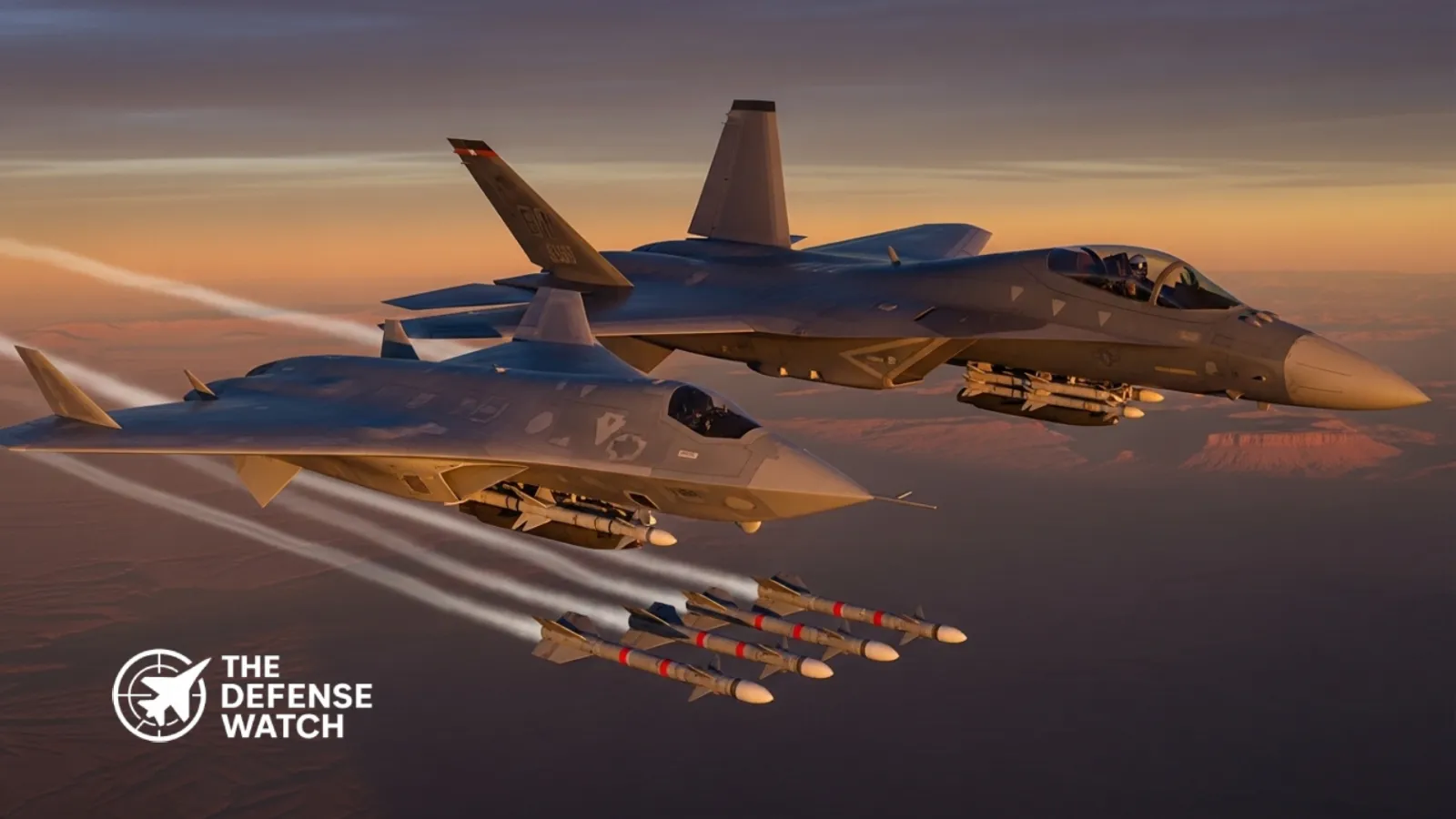
Collaborative Combat Aircraft program
Concept render computer generated
SHARE
■ KEY FACTS AT A GLANCE
  • ► The U.S. Air Force is advancing the Collaborative Combat Aircraft program through a phased weapons integration strategy.
  • ► CCA platforms are designed to operate alongside crewed fighters under the Next Generation Air Dominance framework.
  • ► Initial integration focuses on existing U.S. munitions to reduce risk and accelerate operational capability.
  • ► The effort supports broader Air Force modernization and distributed combat operations.
  • ► Officials emphasize deliberate testing and integration to ensure safety, reliability, and combat effectiveness.

USAF Collaborative Combat Aircraft Program Moves Into Weapons Integration Phase

The Collaborative Combat Aircraft program is progressing through a deliberate weapons integration process as the U.S. Air Force refines how autonomous platforms will operate in future high-end conflicts.

Contents
  • USAF Collaborative Combat Aircraft Program Moves Into Weapons Integration Phase
    • A Phased and Risk-Managed Approach
    • Supporting NGAD and Future Air Dominance
    • Operational Implications and Strategic Context
    • Industrial and Modernization Impact
(adsbygoogle = window.adsbygoogle || []).push({});

According to the United States Air Force, the effort focuses on carefully integrating proven munitions onto emerging uncrewed aircraft designed to fly alongside crewed fighters. The goal is to reduce technical risk while accelerating operational capability.

The Collaborative Combat Aircraft program forms a central pillar of the Next Generation Air Dominance architecture. Under this concept, autonomous aircraft will support crewed platforms by carrying additional weapons, conducting sensing missions, and extending operational reach.

A Phased and Risk-Managed Approach

Air Force officials describe the weapons integration strategy as deliberate and incremental. Instead of developing entirely new weapons in parallel with new aircraft, the service is prioritizing compatibility with existing, combat-proven munitions already in the inventory.

- Advertisement -

This approach serves several purposes.

First, it reduces development timelines. Integrating established weapons avoids the long certification cycles associated with new munitions. Second, it supports logistical continuity across the force. Third, it strengthens interoperability within joint and allied operations.

From a force design perspective, the Collaborative Combat Aircraft program is intended to create mass at a lower cost than traditional fighters. By distributing weapons across multiple autonomous platforms, commanders can complicate enemy targeting and increase survivability in contested airspace.

Supporting NGAD and Future Air Dominance

The Collaborative Combat Aircraft program is closely aligned with NGAD objectives. While NGAD centers on a sixth-generation crewed fighter, CCA platforms provide scalable combat power around that core aircraft.

In practical terms, autonomous aircraft could carry additional air-to-air missiles, electronic warfare payloads, or intelligence, surveillance, and reconnaissance systems. This reduces the burden on crewed aircraft and enables greater tactical flexibility.

The Air Force has consistently emphasized that CCAs are not simply drones in the traditional sense. Instead, they are designed as collaborative systems that integrate into a broader combat network. That network includes advanced data links, distributed sensors, and secure communications that allow real-time coordination.

(adsbygoogle = window.adsbygoogle || []).push({});

The deliberate weapons integration effort reflects lessons learned from past acquisition programs. Rushing integration can create cascading delays and cost overruns. A phased plan, by contrast, allows the service to validate software, hardware interfaces, and safety protocols step by step.

Operational Implications and Strategic Context

The Collaborative Combat Aircraft program arrives at a time when the United States faces pacing challenges in the Indo-Pacific and other theaters. Potential adversaries continue to expand integrated air defense systems, long-range missiles, and counter-air capabilities.

- Advertisement -

In that environment, survivability and distributed operations become critical.

Autonomous aircraft operating in coordination with crewed fighters can increase tactical options. They can absorb risk in high-threat areas, extend sensor coverage, and expand weapons capacity without placing additional pilots in harm’s way.

From an operational standpoint, integrating weapons early and methodically ensures these platforms are not limited to sensing roles alone. Arming CCAs provides credible combat utility from the outset.

(adsbygoogle = window.adsbygoogle || []).push({});

The Air Force has underscored that testing remains central to the effort. Weapons separation trials, flight envelope validation, and software verification are essential before operational deployment. Safety, reliability, and predictable performance remain non-negotiable requirements.

Industrial and Modernization Impact

The Collaborative Combat Aircraft program also signals a shift in how the Air Force approaches acquisition. Modular architectures and open systems design are intended to allow faster upgrades over time.

By aligning weapons integration with existing inventories, the service reduces supply chain friction and enhances sustainment efficiency. This matters as the Air Force balances modernization priorities across fighters, bombers, tankers, and space-based assets.

As development continues, the deliberate weapons integration strategy positions the Collaborative Combat Aircraft program as a credible component of future U.S. airpower.

(adsbygoogle = window.adsbygoogle || []).push({});

Rather than pursuing rapid but risky fielding, the Air Force is prioritizing structured integration, operational validation, and scalable growth. That methodical path may prove decisive as the service works to maintain air superiority in increasingly contested environments.


TAGGED:Autonomous systemsCollaborative Combat AircraftMilitary AviationNGADus air force
Share This Article
Facebook Copy Link Print
ByDaniel Mercer / Defense & Aerospace Analyst
Follow:
Daniel Mercer is a defense and aerospace analyst at TheDefenseWatch.com covering military aviation, aerospace technology, unmanned systems, air warfare, and defense procurement. His reporting uses official documents, government and military statements, company announcements, and other public sources.
Leave a Comment

Leave a Reply Cancel reply

Your email address will not be published. Required fields are marked *

Latest Defense Systems

  • Spirit UAS Spirit UAS
  • GBU-43/B MOAB Bomb GBU-43/B MOAB Bomb
  • John F. Kennedy Aircraft Carrier John F. Kennedy Aircraft Carrier
  • Voyager Tanker Voyager Tanker
  • YU-20 Tanker YU-20 Tanker
  • China KJ-500 Aircraft China KJ-500 Aircraft
  • SPY-6 Radar SPY-6 Radar
  • Boeing VC-25B Presidential Aircraft Boeing VC-25B Presidential Aircraft
  • SM-3 Block IB Missile SM-3 Block IB Missile

Recent Compares

  • J-10C vs JF-17 Thunder: Which Fighter Is More Capable? J-10C vs JF-17 Thunder: Which Fighter Is More Capable? View Comparison →
  • Tejas vs Gripen: Key Differences and Capabilities Tejas vs Gripen: Key Differences and Capabilities View Comparison →
  • Tejas vs MiG-21 Bison: How India Replaced Its Iconic Supersonic Fighter Tejas vs MiG-21 Bison: How India Replaced Its Iconic Supersonic Fighter View Comparison →
  • F-35 vs F-16: Stealth, Sensors and Combat Roles F-35 vs F-16: Stealth, Sensors and Combat Roles View Comparison →
  • Tejas Fighter Jet vs F-16 Fighting Falcon: Capability Compared Tejas Fighter Jet vs F-16 Fighting Falcon: Capability Compared View Comparison →
  • Rafale Fighter Jet vs F-16 Fighting Falcon : Which Fighter Has the Edge? Rafale Fighter Jet vs F-16 Fighting Falcon : Which Fighter Has the Edge? View Comparison →
  • Su-57 Fighter Jet vs J-20 Fighter Jet: Stealth and Air Combat Compared Su-57 Fighter Jet vs J-20 Fighter Jet: Stealth and Air Combat Compared View Comparison →
  • Mirage 2000 vs Tejas Mk1A: Legacy Combat Power vs Indigenous Modernization Mirage 2000 vs Tejas Mk1A: Legacy Combat Power vs Indigenous Modernization View Comparison →
  • Rafale Fighter Jet vs F-22 Raptor: Which Air Dominance Fighter Has the Edge? Rafale Fighter Jet vs F-22 Raptor: Which Air Dominance Fighter Has the Edge? View Comparison →
  • Tejas Fighter Jet vs. Rafale Fighter Jet: India’s Indigenous Fighter Meets France’s Proven Multirole Combat Aircraft Tejas Fighter Jet vs. Rafale Fighter Jet: India’s Indigenous Fighter Meets France’s Proven Multirole Combat Aircraft View Comparison →

Recent Posts

  • RAF Jets Report Near Collisions With Unidentified Drones Over North Sea
  • F-22 Raptor Directs YFQ-44A Fury Drone in First Airborne Combat Simulation
  • AVIC Chengdu Cuts Aircraft Tooling Costs With Modular Manufacturing System
  • Saab, FMV Launch Large Uncrewed Underwater Vehicle Demonstrator
  • Hegseth Meets UK Defence Secretary as Ukraine Support Tops US-UK Talks

You Might Also Like

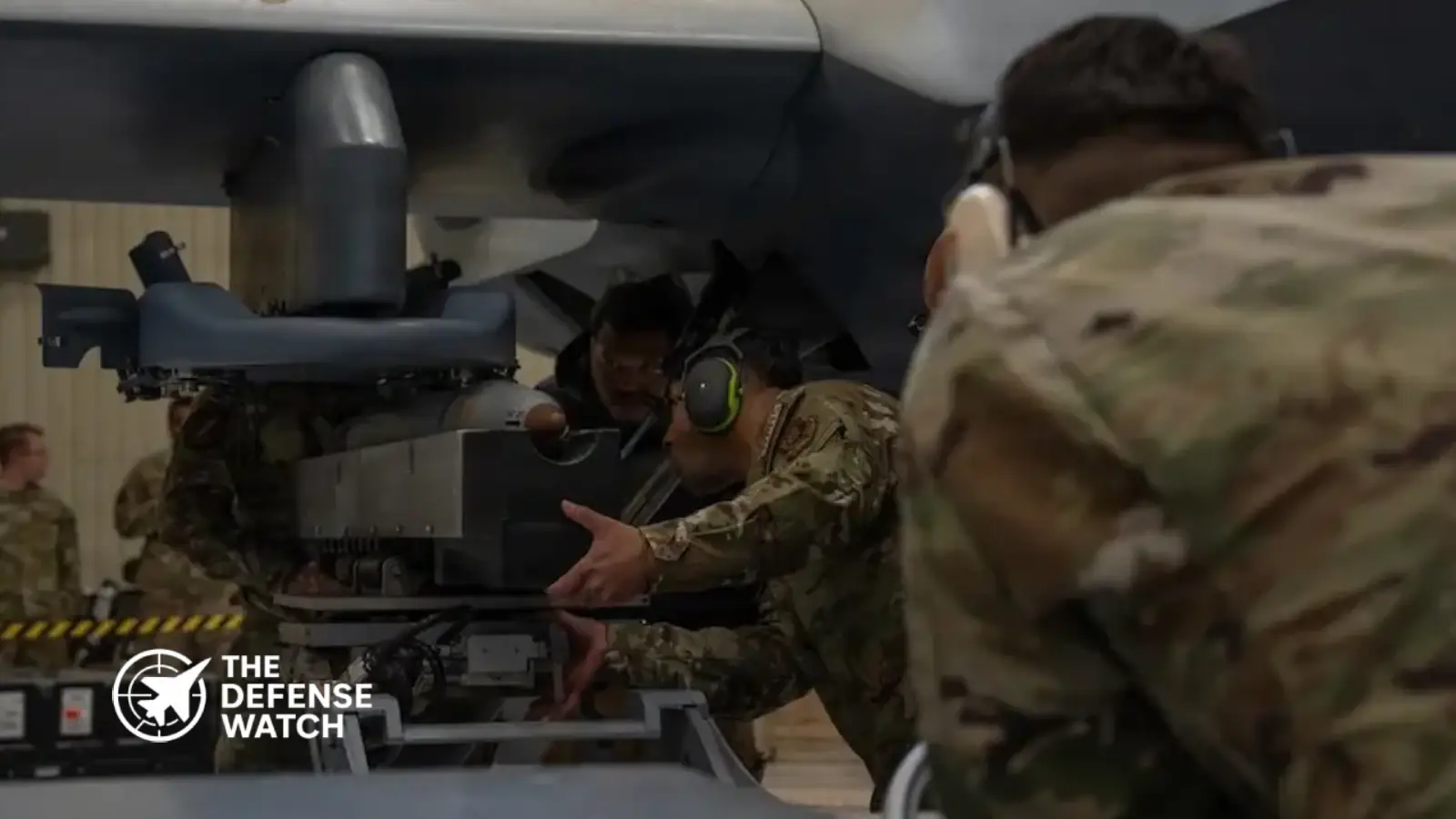
U.S. Air Force MQ-9 Reaper drone carrying GBU-39B Small Diameter Bombs during precision strike mission testing
Aerospace & AviationDrones & UAVs

U.S. Air Force Expands MQ-9 Reaper Strike Capability With GBU-39B Small Diameter Bomb Integration

September 12, 2026
Mi‑28NE attack helicopter delivery
Aerospace & AviationFighter Jets & Military Aircraft

Russia Begins Delivering Mi‑28NE Havoc Attack Helicopters to Iran, First Units Spotted in Tehran

September 7, 2026
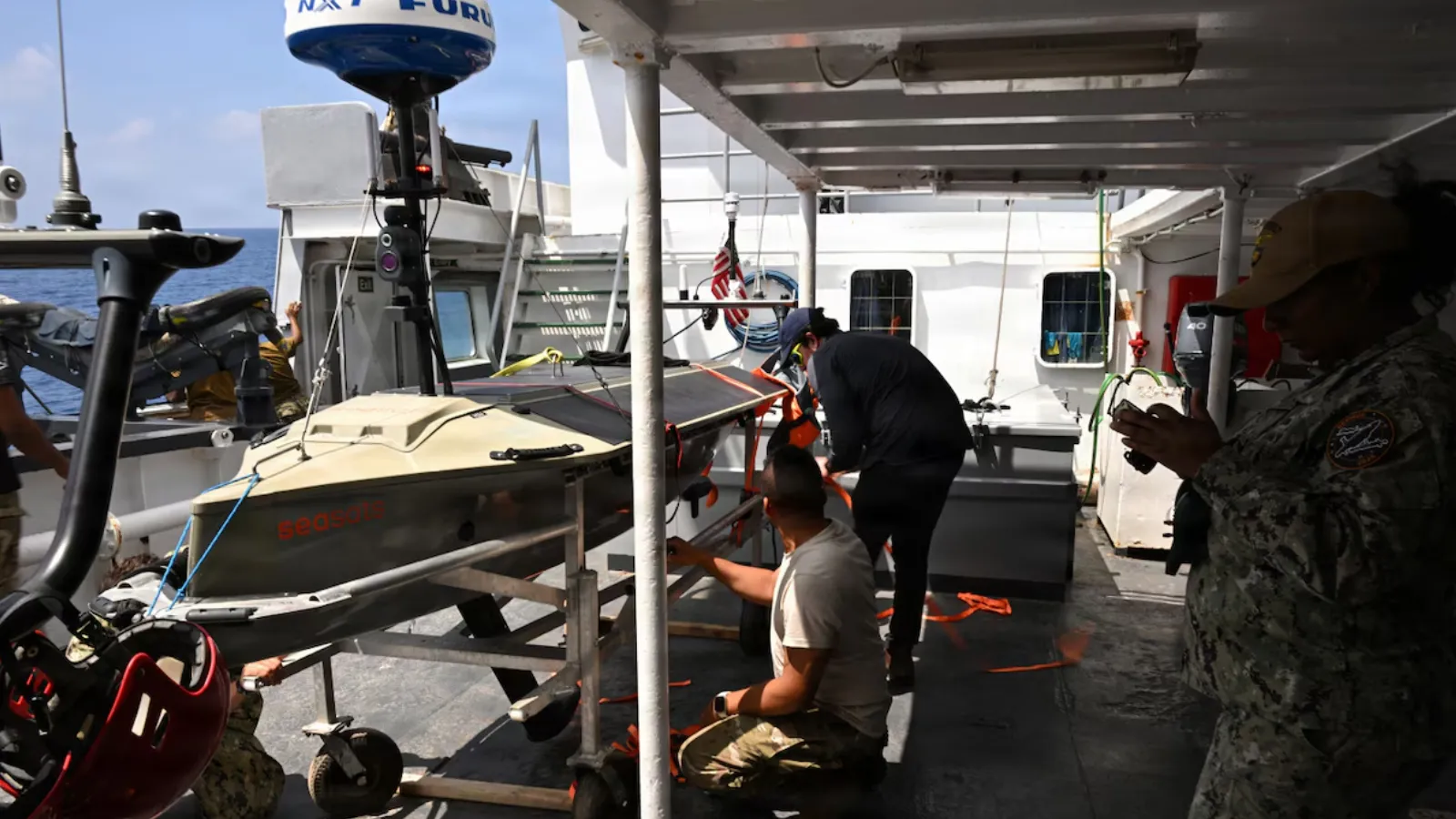
Lightfish unmanned surface vessel launch
Naval & MaritimeNaval Strategy & Maritime Security

U.S. Navy Launches Lightfish Unmanned Vessel From Partner Ship In Historic Indian Ocean Deployment

February 11, 2026
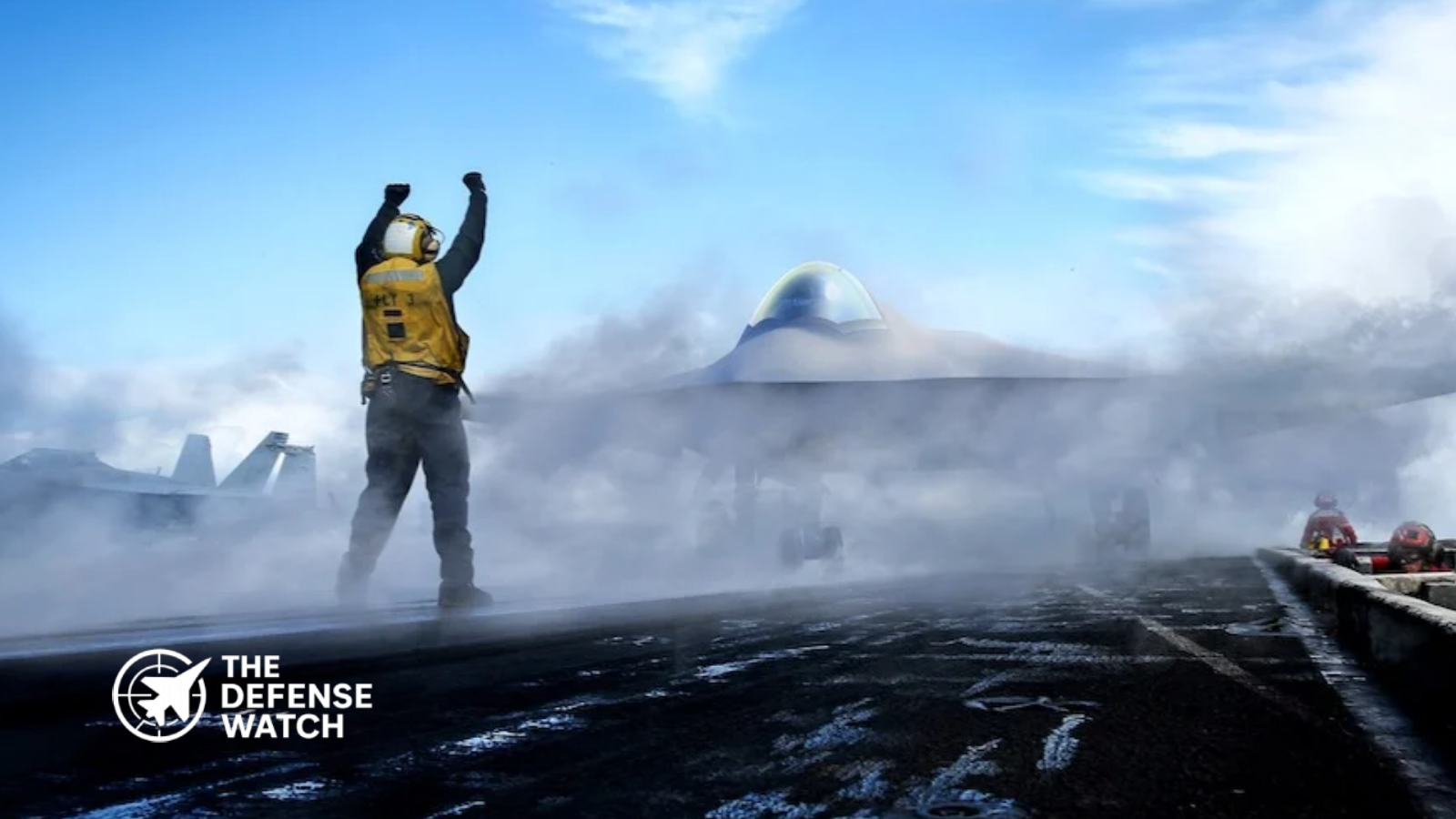
U.S. Navy F/A-XX fighter contract
Aerospace & AviationFighter Jets & Military Aircraft

Boeing Wins U.S. Navy F/A-XX Contract Worth More Than $20 Billion

September 30, 2026

Logo

Copyright © 2026 TheDefenseWatch.com

Helpful Links

  • Home
  • About Us
  • Privacy Policy
  • Terms of Use / Disclaimer
  • U.S. Privacy Notice – CCPA Compliance

Defense Systems

  • Defense Systems
  • Comparisons 
  • Manufacturer
  • Tactical Calculators

Popuplar

Which 5 Air Forces Possess the Costliest Fighter Jet Fleets in the World
Evolving Strategic Value: Carrier Strike Groups in the Indo-Pacific’s Future Security Architecture
Autonomous Weapon Systems Spark U.S. Ethics Debate Amid Rapid Military AI Integration

We report on developments involving military forces, governments, defense companies, research organizations, and security institutions around the world. 

Welcome Back!

Sign in to your account

Username or Email Address
Password

Lost your password?