Executive Summary
- Boeing has been selected by the U.S. Navy for the F/A-XX sixth-generation fighter program, with a contract valued at more than $20 billion for the full-scale development phase and multiple test aircraft.
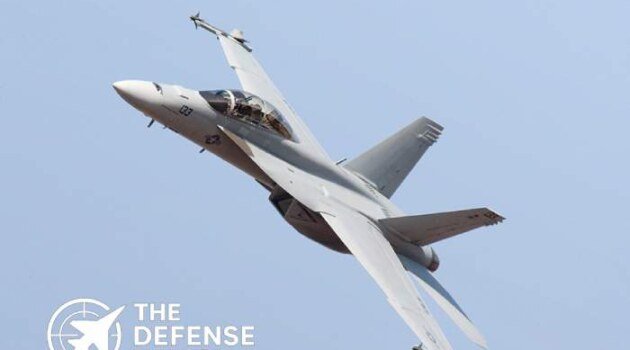
- The aircraft is intended to augment and eventually replace F/A-18E/F Super Hornets and EA-18G Growlers beginning in the 2030s, while operating alongside the F-35C.
- The award gives Boeing responsibility for both U.S. crewed sixth-generation fighter programs, the Navy’s F/A-XX and the Air Force’s F-47, while pushing the carrier air wing toward a more distributed mix of crewed and uncrewed aircraft.
The U.S. Navy has selected Boeing to develop its next-generation F/A-XX carrier-based fighter, awarding a contract worth more than $20 billion for the full-scale development phase on September 29, 2026. The award moves the Navy’s sixth-generation fighter from an extended development and competition period into a formal phase involving multiple test aircraft for ground, airworthiness, systems and weapons integration testing.
The decision also gives Boeing control of both U.S. crewed sixth-generation fighter programs. The company was selected in 2025 for the Air Force’s F-47, while F/A-XX will become the Navy’s next-generation carrier fighter. The two programs are separate aircraft programs, and the Navy has not publicly disclosed enough technical information to establish that they share specific airframe components or performance characteristics.
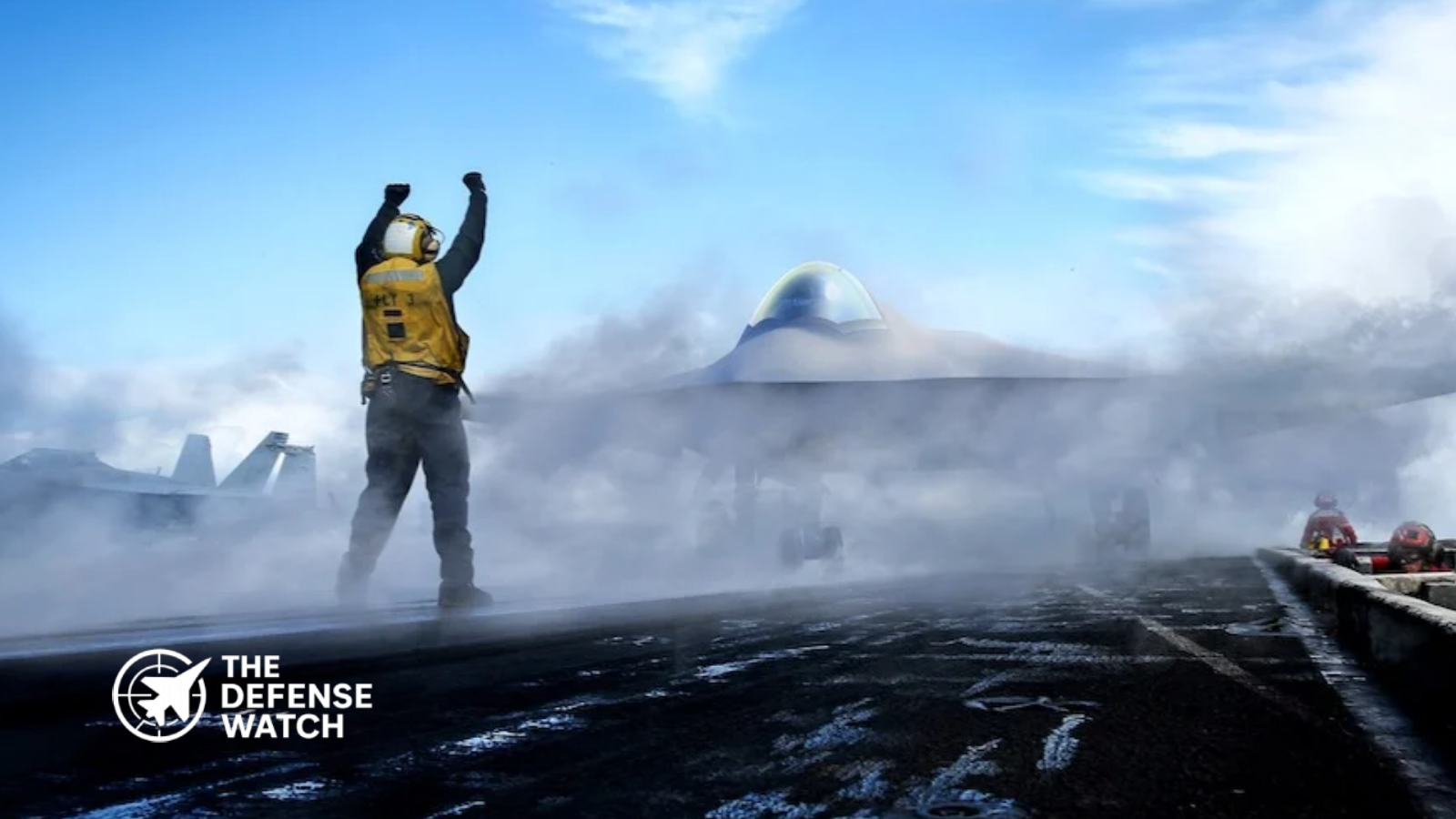
For the Navy, the significance goes beyond replacing an aging fighter. F/A-XX is intended to extend the reach of the carrier air wing, operate as part of a networked force and work alongside unmanned aircraft as the service moves toward its future carrier air wing concept.
F/A-XX Moves Into Full-Scale Development
The Department of War said the F/A-XX contract is worth more than $20 billion for the full-scale development phase. The award includes multiple test aircraft supporting ground testing, airworthiness work, systems integration and weapons integration.
That distinction is important.
The announced figure should not be treated as the eventual acquisition cost of the F/A-XX fleet. It covers the development phase rather than the full production program. Future production quantities, procurement costs, sustainment expenses and the eventual size of the Navy’s F/A-XX fleet have not been publicly established in the announcement.
The Navy expects the aircraft to begin entering the force in the 2030s, initially augmenting existing aircraft before eventually replacing F/A-18E/F Super Hornets and EA-18G Growlers. It will operate alongside the F-35C.
What the Navy Has Confirmed
Area Confirmed information Program F/A-XX Service U.S. Navy Contractor Boeing Generation Sixth-generation Contract phase Full-scale development Announced value More than $20 billion Test aircraft Multiple aircraft Testing Ground, airworthiness, systems and weapons integration Entry timeframe Beginning in the 2030s Replaces F/A-18E/F and eventually EA-18G Operating alongside F-35C Uncrewed integration Collaborative Combat Aircraft Detailed performance Classified or not publicly disclosed The technical configuration remains heavily protected. Boeing says the technical and programmatic details remain classified under U.S. national security and export-control requirements.
That means claims circulating about precise F/A-XX speed, combat radius, weapons load, radar performance, engine configuration or stealth characteristics should not be presented as established specifications unless they are subsequently released by the Navy or another authoritative source.
The Core Requirement Is Carrier Air Wing Reach
The strategic problem F/A-XX is intended to address is relatively clear even though the aircraft’s specifications are not.
A carrier air wing has to generate combat power from a mobile airfield while operating against increasingly capable surveillance, electronic warfare and air-defense networks. The Navy’s future carrier aviation plans therefore place greater emphasis on reach, survivability, networking and distributed operations.
The Navy’s 2025 Naval Aviation planning material describes a future carrier air wing built around a combination of F-35Cs, F/A-XX and unmanned aircraft. It specifically links the future air wing to increased operational range and the integration of autonomous unmanned systems.
This reflects a broader shift from viewing the fighter as an isolated aircraft toward treating it as one node within a larger combat system.
The Navy has previously described distributed maritime operations as requiring fighters with significantly greater range, sensors capable of operating beyond the fighter itself and resilient networks that connect those systems.
F/A-XX is being developed against that requirement.
From Super Hornet to a Networked Sixth-Generation Force
The F/A-18E/F Super Hornet has served as the backbone of the Navy’s carrier strike fighter force for decades. The aircraft entered fleet service in 1999, and successive upgrades have added improved sensors, networking, survivability and other capabilities.
The Navy has continued extending the Super Hornet’s usefulness through Block III modernization. However, a modernization program for a fourth-generation-derived aircraft cannot indefinitely substitute for a new airframe designed around future threat environments.
That is where F/A-XX enters the force structure.
Carrier air wing element Current or emerging role F/A-18E/F Super Hornet Multirole strike fighter and fleet defense EA-18G Growler Airborne electronic attack F-35C Stealth strike fighter and sensor/network node MQ-25A Unmanned carrier-based aerial refueling E-2D Airborne early warning and battle management F/A-XX Future sixth-generation carrier fighter CCA Future uncrewed combat capability The transition will therefore not simply involve replacing one fighter with another. It will change how the carrier air wing distributes sensing, strike, electronic warfare, refueling and other missions across crewed and uncrewed platforms.
F/A-XX and Collaborative Combat Aircraft
One of the most important aspects of the program is its relationship with Collaborative Combat Aircraft.
The Department of War says F/A-XX will be interoperable with manned and unmanned platforms, including CCA, and is intended to increase the capability of the unmanned aircraft operating with it.
This is consistent with the Navy’s wider development of unmanned carrier aviation.
The Navy has already established infrastructure for operating unmanned aircraft from carriers through the MQ-25 program. Navy officials have also described the carrier-based unmanned architecture as a foundation for future systems, including CCA.
The emerging concept is therefore closer to a distributed combat formation than a conventional fighter squadron.
A crewed sixth-generation aircraft could potentially provide command, sensing and decision-making functions while unmanned aircraft extend sensing, communications, electronic effects or weapons capacity. Exactly how many aircraft a future F/A-XX pilot will control, and how much autonomy will be delegated to those aircraft, remains unsettled publicly.
The Navy has said its CCA work includes studying command and control, the number of aircraft a pilot can reasonably manage and the role of artificial intelligence.
Why the F-35C Remains Important
F/A-XX is not intended to make the F-35C irrelevant.
The Navy’s future air wing is explicitly structured around the two aircraft operating together. The F-35C provides a mature fifth-generation capability, while F/A-XX is intended to introduce the next generation of carrier-based combat capability as Super Hornets and Growlers approach replacement.
This creates a layered force structure rather than a single replacement aircraft.
The F-35C can contribute stealth, sensor fusion and information-sharing capabilities. F/A-XX is expected to address future requirements that demand additional reach, survivability and integration with unmanned systems, although precise performance characteristics remain classified.
The combination also reduces the risk of relying on one aircraft type for every carrier strike mission.
Boeing Now Holds Both U.S. Sixth-Generation Fighter Programs
The F/A-XX award follows Boeing’s selection for the Air Force’s F-47 in March 2025.
The Air Force described F-47 as the crewed fighter component of its Next Generation Air Dominance family of systems, designed to operate with other networked capabilities.
The two programs have different service requirements.
The F-47 is designed for land-based Air Force operations, while F/A-XX must be integrated into carrier operations. Carrier aviation imposes requirements that do not apply in the same way to land-based fighters, including catapult launch, arrested recovery, deck handling, carrier storage and maintenance constraints.
Consequently, the fact that Boeing holds both programs does not establish that the aircraft will be identical or share a common airframe.
It does, however, give Boeing a substantial position in the development of U.S. crewed sixth-generation tactical aviation.
Industrial Base Implications
The decision also has major implications for Boeing’s fighter manufacturing business.
Boeing says it has been investing in a secure manufacturing facility in St. Louis intended to support advanced aerospace production. The company says the facility forms part of a digital design and manufacturing system and is being developed alongside investments in technology and personnel.
That industrial investment now has two major sixth-generation fighter programs to support.
This creates an opportunity to maintain and expand the workforce, tooling and supplier base required for advanced combat-aircraft production. It also creates a significant execution challenge because Boeing must develop two different next-generation fighters while continuing other major defense programs.
The issue is not simply whether Boeing won the competition. The longer-term test will be whether the company can translate the award into predictable engineering, testing and production performance.
The $20 Billion Figure Needs Context
The size of the F/A-XX development award is substantial, but comparisons with other fighter programs require caution.
The announced amount is for full-scale development and testing. It is not a $20 billion production purchase of operational aircraft.
The distinction can be summarized as follows:
Financial category F/A-XX status Full-scale development More than $20 billion announced Multiple test aircraft Included Ground and airworthiness testing Included Systems and weapons integration Included Full fleet procurement Not included in announced figure Lifetime sustainment Not included Final fleet size Not publicly established For defense procurement analysis, this distinction matters because development contracts can contain significant engineering, test and integration costs before serial production begins.
A Second Sixth-Generation Program Changes the U.S. Fighter Landscape
Boeing’s two consecutive selections also change the competitive structure of U.S. fighter development.
Lockheed Martin remains central to U.S. tactical aviation through the F-35 program, while Northrop Grumman retains major roles across aircraft, sensors, electronic warfare and other defense technologies. But Boeing now holds the development responsibility for both of the U.S. Air Force and Navy’s next-generation crewed fighters.
That concentration creates both industrial advantages and oversight requirements.
On one side, Boeing can potentially build common expertise around advanced digital engineering, manufacturing, stealth integration, mission systems and next-generation production methods.
On the other, simultaneous development of two high-end fighter programs places substantial demands on engineering talent, suppliers, test infrastructure and program management.
The Navy itself had previously maintained only limited F/A-XX development funding in the FY2026 budget while seeking to avoid excessive pressure on the defense industrial base. The Department of War’s FY2026 budget briefing specifically said the Navy would maintain minimal development funding for F/A-XX while leveraging work associated with F-47.
The new award represents a major change from that earlier posture.
The China Challenge Is About Systems, Not Just Fighters
The strategic importance of F/A-XX should not be reduced to a comparison between aircraft specifications.
In a high-end Pacific conflict, the carrier air wing would operate inside a broader network of ships, submarines, aircraft, satellites, unmanned systems and long-range weapons. The effectiveness of F/A-XX will therefore depend heavily on whether it can function when communications are degraded, sensors are contested and adversaries use layered air-defense systems.
That is why the Navy’s emphasis on network integration and distributed operations matters as much as the aircraft itself.
The Navy has already framed its future carrier air wing around manned and unmanned aircraft, networked sensors and greater operational reach.
F/A-XX is the crewed fighter component of that broader transformation.
What Remains Unknown
Despite the size of the award, many of the questions most relevant to aircraft enthusiasts and military analysts remain unanswered.
The Navy has not publicly released authoritative figures for:
- Maximum speed
- Combat radius
- Internal weapons capacity
- Exact radar configuration
- Engine type and thrust
- Radar cross-section
- Electronic warfare architecture
- Sensor aperture specifications
- Exact crew configuration
- Production quantity
- Unit procurement cost
- Final operational weapons portfolio
Claims assigning precise numbers to these characteristics should therefore be treated as estimates or unofficial reporting unless supported by future government disclosures.
The public information establishes the program’s strategic direction, but not the aircraft’s final performance envelope.
What Happens Next
The immediate priority is development and testing.
Boeing must produce the test aircraft required to support ground, airworthiness, systems and weapons integration activities. The Navy will then have to validate the design against carrier-specific requirements while developing the training, maintenance, logistics and shipboard infrastructure required for introduction.
At the same time, F/A-XX will have to mature alongside the Navy’s CCA effort and MQ-25 unmanned tanker.
The result will eventually be a carrier air wing in which the fighter is one component of a larger network rather than the sole source of combat reach.
The Navy’s 2025 aviation planning already identifies the combination of F-35C, F/A-XX and unmanned aircraft as central to the future carrier air wing.
That makes the F/A-XX award more than another aircraft procurement decision. It is a commitment to a different architecture for naval aviation.
Bottom Line
Boeing’s selection for the Navy’s F/A-XX program marks the beginning of full-scale development of the service’s sixth-generation carrier fighter, backed by an award valued at more than $20 billion.
The aircraft is intended to augment and eventually replace the F/A-18E/F and EA-18G fleets beginning in the 2030s, while operating alongside the F-35C and integrating with unmanned systems.
The most consequential element is therefore not a publicly undisclosed speed, range figure or weapons load. It is the planned integration of F/A-XX into a distributed carrier air wing built around longer reach, networked sensors, survivability and crewed-uncrewed teaming.
For Boeing, the award establishes the company as the developer of both the Navy’s F/A-XX and Air Force’s F-47. For the Navy, it starts the transition from today’s Super Hornet-centered force toward a sixth-generation carrier aviation architecture.
The difficult part now moves from competition to execution.