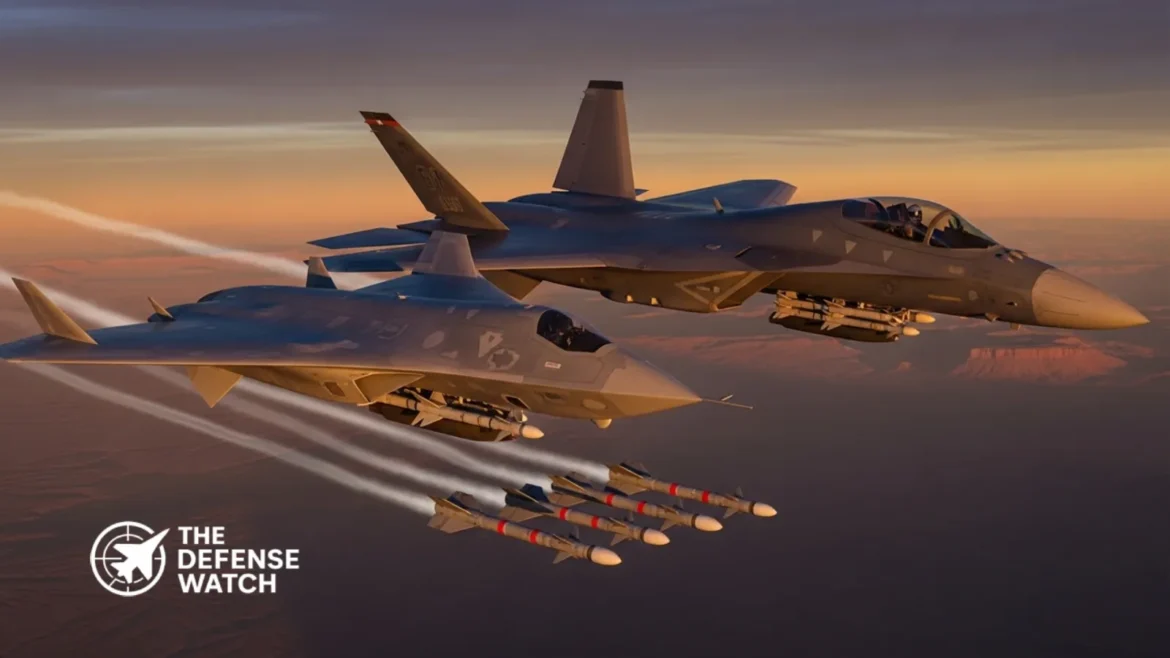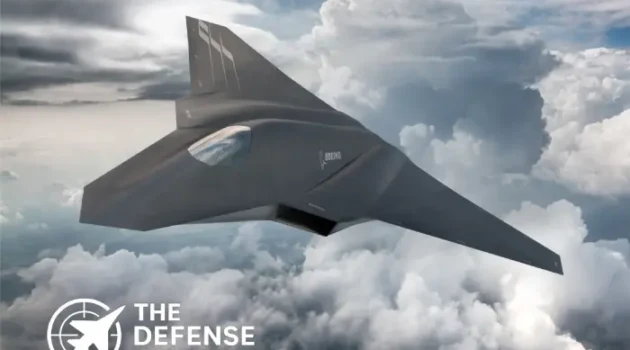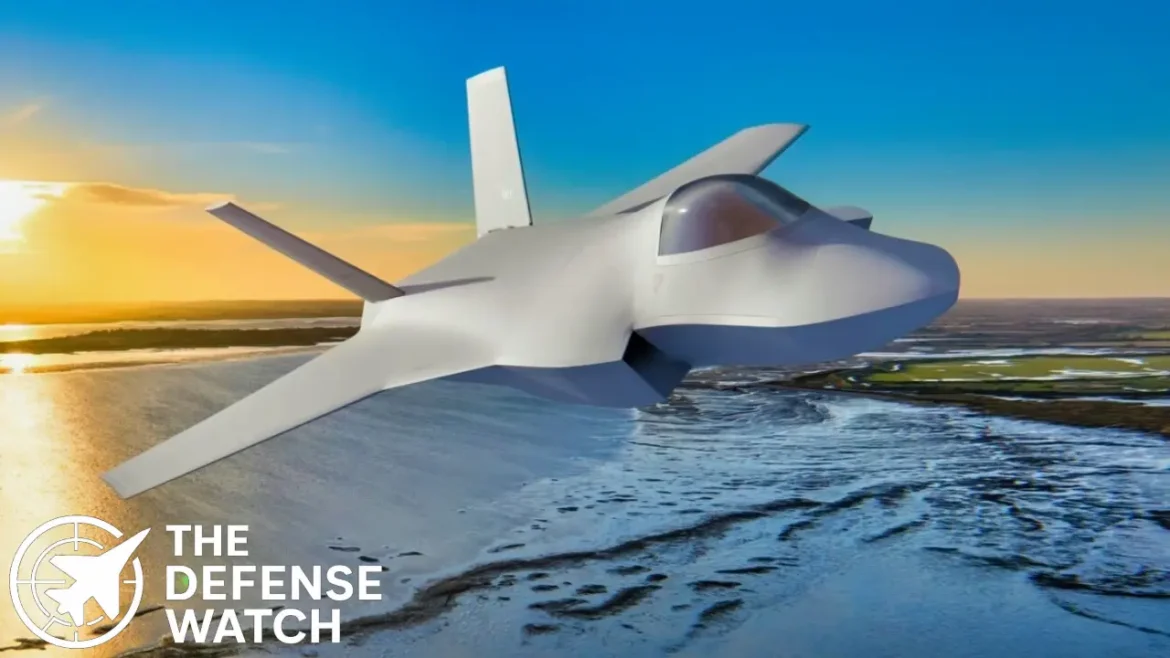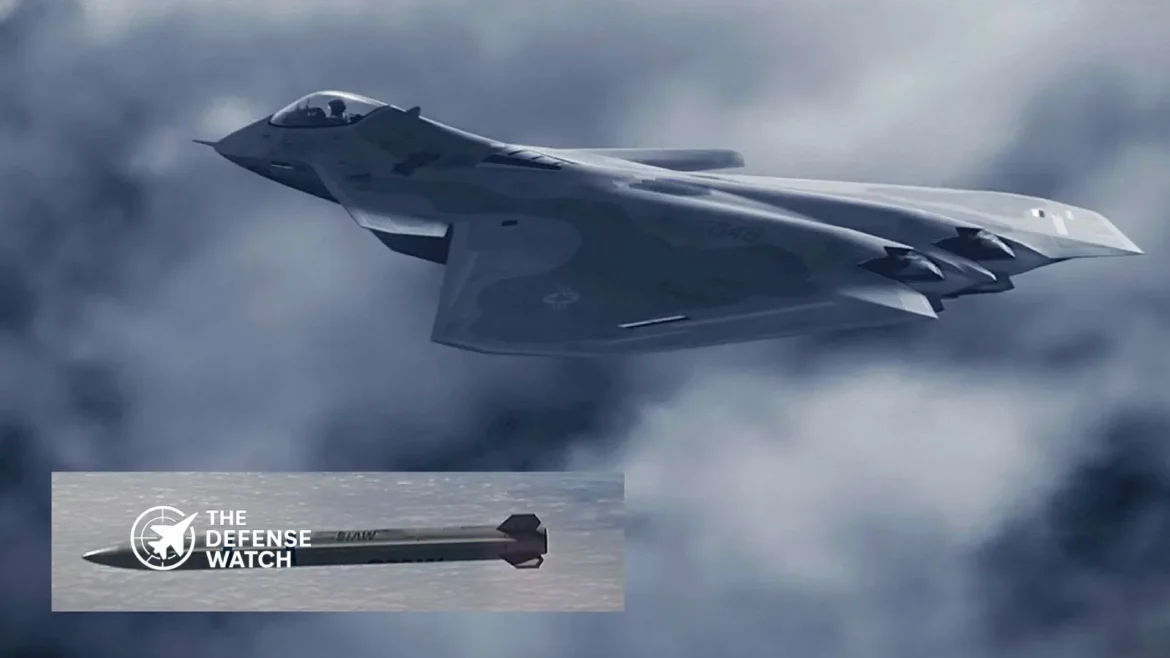
- The U.S. Air Force confirmed that the future F-47 sixth-generation fighter will be capable of deploying the SiAW stand-in attack weapon.
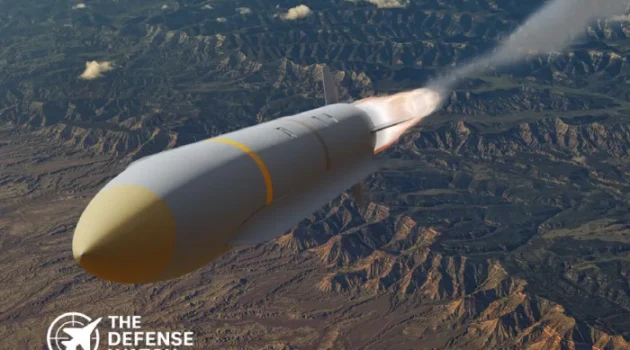
- SiAW is designed to strike high-value targets such as mobile missile launchers, electronic warfare systems, and integrated air defenses.
- The weapon supports U.S. strategy to defeat Anti-Access/Area Denial (A2/AD) networks used by peer adversaries.
- Northrop Grumman received a $705 million contract in 2023 to develop and test the SiAW missile system.
- Initial production of SiAW missiles could begin around 2030 following rapid prototyping and testing phases.
F-47 Sixth-Generation Fighter Will Deploy SiAW Stand-In Attack Weapon
The F-47 sixth-generation fighter will deploy the SiAW stand-in attack weapon, marking one of the first confirmed weapon integrations for the U.S. Air Force’s future Next Generation Air Dominance (NGAD) aircraft.
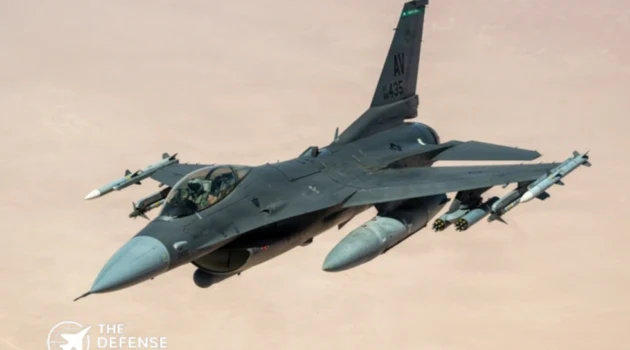
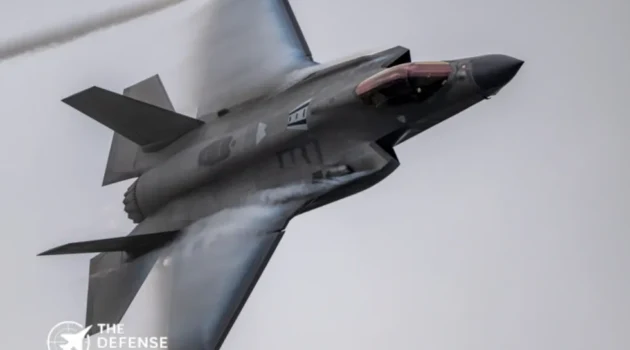
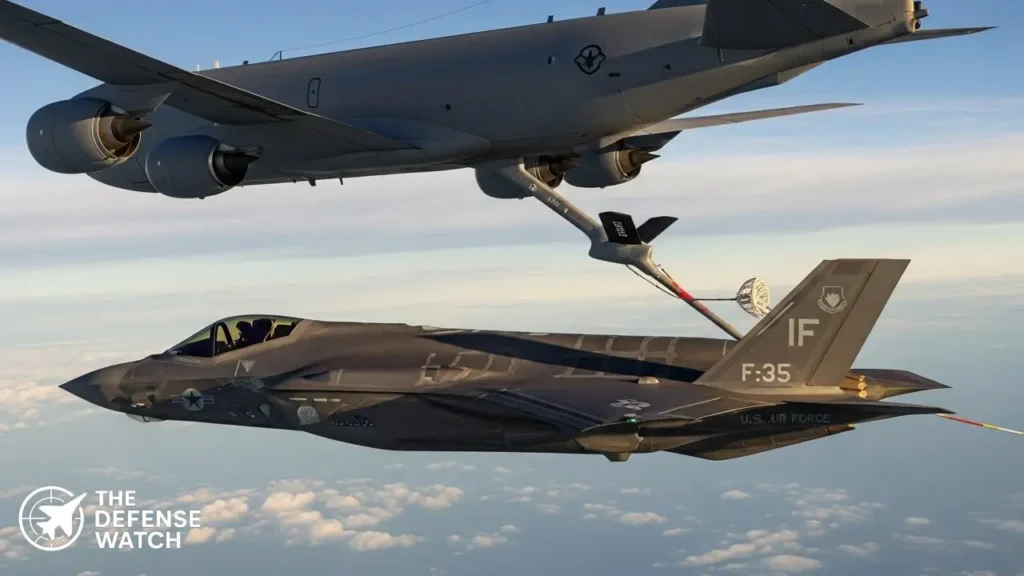
(adsbygoogle = window.adsbygoogle || []).push({});A recently released U.S. Air Force acquisition notice identified the F-47 among platforms planned to carry the Stand-in Attack Weapon (SiAW), alongside aircraft such as the F-35, F-16, and the B-21 stealth bomber.
The development highlights how the U.S. Air Force intends to pair advanced stealth aircraft with new precision strike weapons designed to penetrate heavily defended airspace.
The Big Picture
The Next Generation Air Dominance (NGAD) program represents the centerpiece of U.S. air superiority strategy for the coming decades. The F-47 fighter, the crewed element of the NGAD system-of-systems, will operate alongside autonomous drones, advanced sensors, and networked weapons.
Modern adversaries such as China and Russia have invested heavily in layered air defense systems, long-range radar networks, and mobile missile launchers. These systems form what military planners describe as Anti-Access/Area Denial (A2/AD) environments.
Traditional stand-off weapons launched from long distances can be detected or intercepted by such defenses. The U.S. Air Force is therefore developing weapons that can be launched by stealth aircraft operating closer to hostile targets.
The SiAW stand-in attack weapon fits directly into this concept.
What’s Happening
The Stand-in Attack Weapon (SiAW) is a next-generation air-to-surface missile currently under development by Northrop Grumman for the U.S. Air Force.
The Air Force awarded Northrop Grumman a $705 million contract in September 2023 to develop and test the system under a rapid prototyping program.
(adsbygoogle = window.adsbygoogle || []).push({});SiAW builds on technologies developed for the AGM-88G AARGM-ER anti-radiation missile but expands its mission set beyond radar suppression. The weapon is designed to strike:
- Theater ballistic missile launchers
- Land-attack and anti-ship cruise missile launchers
- Integrated air defense nodes
- Electronic warfare systems
- GPS jamming platforms
- Anti-satellite systems
These targets are often mobile and difficult to destroy using traditional strike weapons.
Early testing of the missile has already begun. In December 2025, an F-16 Fighting Falcon conducted a separation test at Eglin Air Force Base, validating the missile’s safe release from an aircraft during flight.
Initial operational capability is expected around 2026, while the first production lot may arrive around 2030 depending on program progress.
Why It Matters
The integration of the SiAW stand-in attack weapon with the F-47 sixth-generation fighter reveals how the Air Force intends to fight inside heavily defended battlespaces.
Unlike long-range cruise missiles launched from outside enemy air defenses, stand-in weapons are deployed by stealth aircraft after they penetrate hostile territory. This approach provides several operational advantages.
First, it reduces warning time for enemy defenses. A stealth aircraft operating inside contested airspace can release weapons at closer distances, making interception more difficult.
Second, the weapon’s advanced sensors and guidance allow it to target mobile threats that may relocate after launch. These targets include road-mobile missile launchers or electronic warfare systems that shift positions to avoid detection.
(adsbygoogle = window.adsbygoogle || []).push({});Finally, the missile supports multi-domain warfare by allowing aircraft to attack targets that support space and cyber operations, such as anti-satellite systems or GPS jammers.
Together, these capabilities strengthen the U.S. Air Force’s ability to disrupt an adversary’s integrated defense network early in a conflict.
Strategic Implications
The F-47 SiAW stand-in attack weapon combination represents a significant step toward maintaining U.S. air superiority against peer competitors.
China’s People’s Liberation Army has invested heavily in long-range surface-to-air missile systems, over-the-horizon radar, and mobile missile units designed to threaten U.S. forces operating in the Indo-Pacific.
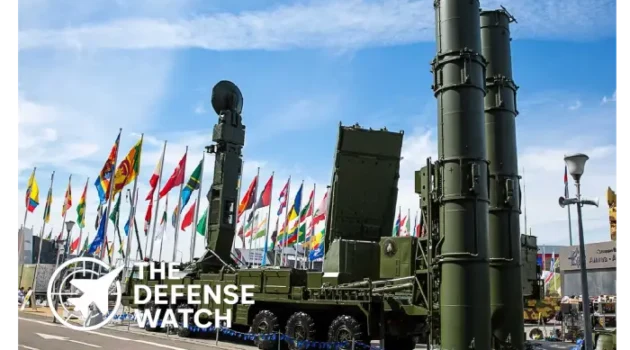
Russia maintains similar layered air defense systems built around platforms such as the S-400 and S-500, combined with electronic warfare capabilities.
In both cases, mobile missile launchers and electronic warfare nodes form the backbone of their defensive networks.
Weapons such as SiAW are designed to dismantle those networks by targeting critical nodes quickly and precisely. By enabling stealth aircraft like the F-47 to attack these systems directly, the United States can create corridors for follow-on strikes by other aircraft and long-range weapons.
This strategy mirrors earlier suppression of enemy air defense (SEAD) concepts but adapts them for highly contested environments.
Competitor View
Adversaries will likely view the F-47 and SiAW combination as part of a broader U.S. strategy to neutralize advanced air defense systems.
China, in particular, has prioritized the development of anti-access strategies aimed at limiting U.S. operations in the Western Pacific. Mobile missile systems and electronic warfare platforms play a major role in that strategy.
A weapon capable of rapidly locating and destroying those systems threatens the survivability of such networks.
Russia may interpret the program similarly. Its doctrine relies heavily on layered air defense and mobile missile units to protect strategic assets and operational forces.
(adsbygoogle = window.adsbygoogle || []).push({});As a result, both countries are likely to invest further in countermeasures such as electronic warfare, decoys, and dispersed missile operations to complicate targeting.
What To Watch Next
Several key milestones will determine the future trajectory of the SiAW stand-in attack weapon program.
The next major step will be additional flight tests involving powered missiles and guidance systems. These tests will validate the missile’s navigation, seeker performance, and electronic resilience.
Integration with stealth platforms such as the F-35 and future aircraft like the F-47 will also require extensive testing to ensure safe internal carriage and release.
Production planning will follow once the rapid prototyping phase concludes. The Air Force has signaled a requirement for up to 600 missiles per year, with a planned service life of around 15 years.
These milestones will determine how quickly the weapon becomes part of the operational arsenal.
Capability Gap
The SiAW stand-in attack weapon addresses a growing operational challenge for modern air forces.
Many high-value military systems today are mobile, networked, and protected by advanced electronic warfare capabilities. Traditional guided bombs and older anti-radiation missiles often struggle to track these targets once they relocate or shut down their radar emissions.
SiAW aims to close that gap through multi-mode targeting, anti-jam navigation, and the ability to strike rapidly relocating systems.
However, the weapon also faces practical limitations. Penetrating contested airspace still requires stealth aircraft capable of surviving advanced air defense systems. Without platforms such as the F-35 or F-47, the missile’s operational value would be reduced.
(adsbygoogle = window.adsbygoogle || []).push({});This dependency highlights the importance of integrating new weapons with next-generation aircraft.
The Bottom Line
The F-47 sixth-generation fighter armed with the SiAW stand-in attack weapon reflects the U.S. Air Force’s strategy to defeat advanced air defenses and maintain air dominance in future high-end conflicts.
 ■ KEY FACTS AT A GLANCE
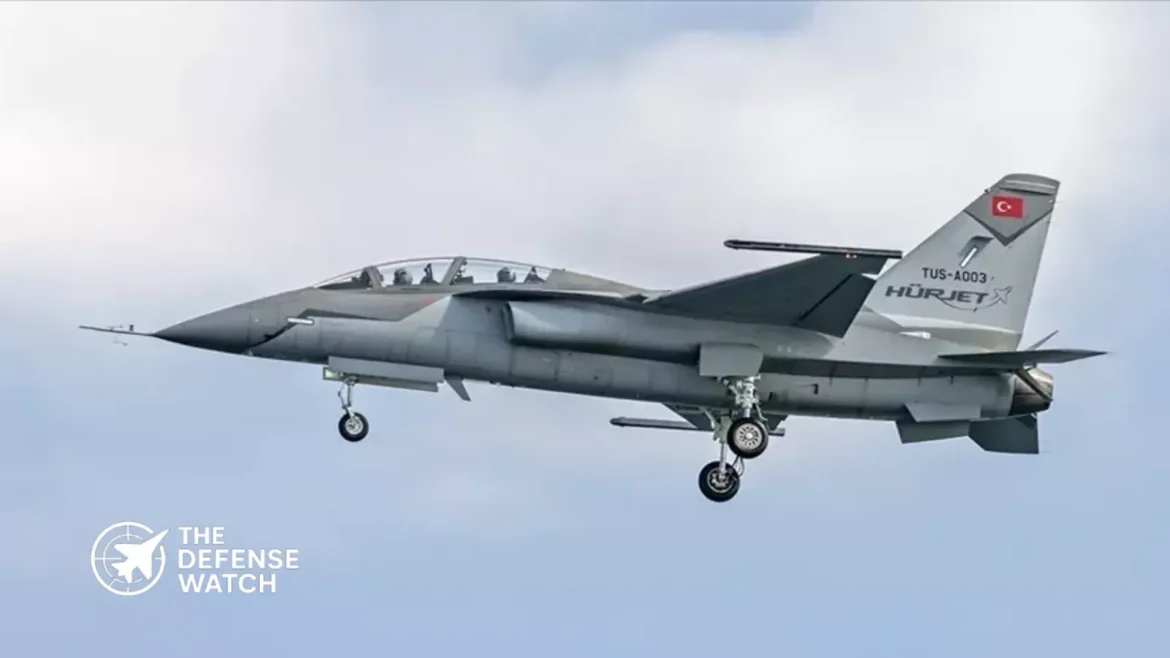
- ► HÜRJET test flights will run from February 23, 2026, through March 16, 2026, over Antalya Bay.
- ► Flights will originate from Antalya Air Base Command and extend toward Gazipaşa.
- ► The aircraft may reach supersonic speeds during certain test profiles.
- ► Sonic booms may be heard in coastal areas as a natural result of high speed testing.
- ► Authorities emphasized there is no cause for public concern during the scheduled activities.
HÜRJET Test Flights Over Antalya Bay Enter Supersonic Phase
HÜRJET test flights over Antalya Bay are scheduled to continue through March 16, with Turkish authorities confirming that some sorties may include supersonic runs.
(adsbygoogle = window.adsbygoogle || []).push({});In a public notice, the Antalya Governor’s Office stated that flight tests under the HÜRJET Project will take place between February 23, 2026, and March 16, 2026. Operations will be conducted over the maritime area stretching from Antalya Bay to Gazipaşa, with aircraft departing from Antalya Air Base Command.
Officials warned that explosion like high intensity sounds could be heard along parts of the coastline. These sounds would result from the aircraft exceeding the speed of sound during specific test profiles.
Authorities stressed that such noise is a routine outcome of supersonic flight testing and urged residents not to be alarmed.
Advancing The HÜRJET Program
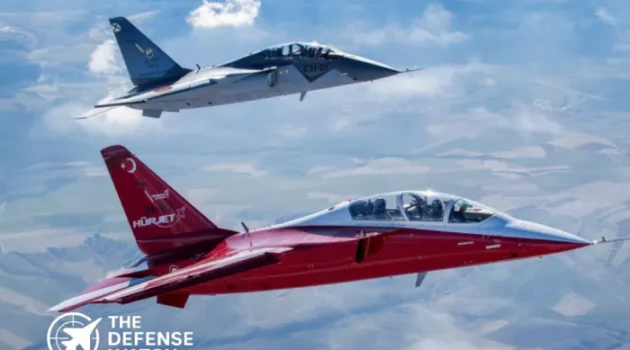
The HÜRJET advanced jet trainer is being developed by Turkish Aerospace Industries as part of Turkey’s broader effort to modernize pilot training and expand domestic aerospace capabilities.
Designed as a supersonic, single engine advanced trainer, HÜRJET is intended to replace aging jet trainers in Turkish service and support the transition of pilots to frontline platforms such as the F-16 Fighting Falcon and Turkey’s next generation combat aircraft programs.
According to Turkish defense officials and company disclosures in prior briefings, HÜRJET is expected to reach speeds above Mach 1, making controlled supersonic testing a key milestone in flight envelope expansion.
The Antalya maritime test zone offers a safer environment for high speed trials, minimizing risks to populated urban areas while allowing engineers to gather critical aerodynamic and structural data.
Why Supersonic Testing Matters
Supersonic trials are not symbolic. They are essential for validating airframe integrity, engine performance, flight control systems, and structural response under high stress conditions.
(adsbygoogle = window.adsbygoogle || []).push({});When an aircraft breaks the sound barrier, it generates a shock wave known as a sonic boom. Over water, these effects are easier to manage from both a safety and public relations standpoint.
For HÜRJET, expanding into supersonic regimes signals that the program is moving beyond basic flight validation toward full performance certification. This phase typically involves:
- Incremental speed increases
- Structural load assessments
- Avionics performance verification
- Stability and control evaluations
Defense aviation programs worldwide follow similar flight test methodologies before operational approval.
Strategic Implications For Turkey’s Aerospace Sector
The continued HÜRJET test flights over Antalya Bay highlight Ankara’s long term push for defense industrial autonomy.
Turkey has invested heavily in indigenous aerospace programs, seeking to reduce reliance on foreign suppliers. The HÜRJET program fits within a broader portfolio that includes unmanned systems, helicopters, and next generation fighter development.
From a policy perspective, a domestically produced supersonic trainer offers several advantages:
- Reduced foreign procurement exposure
- Export potential to allied and partner nations
- Greater control over training doctrine and upgrades
If successfully fielded, HÜRJET could position Turkey among a limited group of nations capable of designing and producing advanced jet trainers domestically.
(adsbygoogle = window.adsbygoogle || []).push({});However, sustained testing is critical. Flight envelope expansion, especially at supersonic speeds, often determines whether a program meets performance targets on schedule.
Public Communication And Transparency
The Antalya Governor’s Office decision to notify residents ahead of the HÜRJET test flights over Antalya Bay reflects standard aviation safety and civil coordination practices.
Sonic booms can cause concern among local communities unfamiliar with supersonic activity. Clear communication helps prevent misinformation and unnecessary alarm.
Similar public advisories are issued in the United States during military supersonic training over designated airspace corridors, particularly in coastal or desert regions.
(adsbygoogle = window.adsbygoogle || []).push({});By identifying the maritime corridor from Antalya Bay to Gazipaşa, authorities delineated a specific operational zone, reinforcing transparency in military flight activity.
What Comes Next
The March 16 end date does not necessarily mark the conclusion of the HÜRJET test campaign. Rather, it likely represents a defined test window for specific performance evaluations.
Future milestones may include:
- Expanded weapons integration trials
- Advanced avionics validation
- Export demonstration campaigns
For now, the focus remains on validating high speed performance and operational reliability.
The coming weeks will provide clearer insight into how rapidly the HÜRJET program progresses through its certification roadmap.
■ KEY FACTS AT A GLANCE- ► The U.S. Air Force is advancing the Collaborative Combat Aircraft program through a phased weapons integration strategy.
- ► CCA platforms are designed to operate alongside crewed fighters under the Next Generation Air Dominance framework.
- ► Initial integration focuses on existing U.S. munitions to reduce risk and accelerate operational capability.
- ► The effort supports broader Air Force modernization and distributed combat operations.
- ► Officials emphasize deliberate testing and integration to ensure safety, reliability, and combat effectiveness.
USAF Collaborative Combat Aircraft Program Moves Into Weapons Integration Phase
The Collaborative Combat Aircraft program is progressing through a deliberate weapons integration process as the U.S. Air Force refines how autonomous platforms will operate in future high-end conflicts.
(adsbygoogle = window.adsbygoogle || []).push({});According to the United States Air Force, the effort focuses on carefully integrating proven munitions onto emerging uncrewed aircraft designed to fly alongside crewed fighters. The goal is to reduce technical risk while accelerating operational capability.
The Collaborative Combat Aircraft program forms a central pillar of the Next Generation Air Dominance architecture. Under this concept, autonomous aircraft will support crewed platforms by carrying additional weapons, conducting sensing missions, and extending operational reach.
A Phased and Risk-Managed Approach
Air Force officials describe the weapons integration strategy as deliberate and incremental. Instead of developing entirely new weapons in parallel with new aircraft, the service is prioritizing compatibility with existing, combat-proven munitions already in the inventory.
This approach serves several purposes.
First, it reduces development timelines. Integrating established weapons avoids the long certification cycles associated with new munitions. Second, it supports logistical continuity across the force. Third, it strengthens interoperability within joint and allied operations.
From a force design perspective, the Collaborative Combat Aircraft program is intended to create mass at a lower cost than traditional fighters. By distributing weapons across multiple autonomous platforms, commanders can complicate enemy targeting and increase survivability in contested airspace.
Supporting NGAD and Future Air Dominance
The Collaborative Combat Aircraft program is closely aligned with NGAD objectives. While NGAD centers on a sixth-generation crewed fighter, CCA platforms provide scalable combat power around that core aircraft.
In practical terms, autonomous aircraft could carry additional air-to-air missiles, electronic warfare payloads, or intelligence, surveillance, and reconnaissance systems. This reduces the burden on crewed aircraft and enables greater tactical flexibility.
The Air Force has consistently emphasized that CCAs are not simply drones in the traditional sense. Instead, they are designed as collaborative systems that integrate into a broader combat network. That network includes advanced data links, distributed sensors, and secure communications that allow real-time coordination.
(adsbygoogle = window.adsbygoogle || []).push({});The deliberate weapons integration effort reflects lessons learned from past acquisition programs. Rushing integration can create cascading delays and cost overruns. A phased plan, by contrast, allows the service to validate software, hardware interfaces, and safety protocols step by step.
Operational Implications and Strategic Context
The Collaborative Combat Aircraft program arrives at a time when the United States faces pacing challenges in the Indo-Pacific and other theaters. Potential adversaries continue to expand integrated air defense systems, long-range missiles, and counter-air capabilities.
In that environment, survivability and distributed operations become critical.
Autonomous aircraft operating in coordination with crewed fighters can increase tactical options. They can absorb risk in high-threat areas, extend sensor coverage, and expand weapons capacity without placing additional pilots in harm’s way.
From an operational standpoint, integrating weapons early and methodically ensures these platforms are not limited to sensing roles alone. Arming CCAs provides credible combat utility from the outset.
(adsbygoogle = window.adsbygoogle || []).push({});The Air Force has underscored that testing remains central to the effort. Weapons separation trials, flight envelope validation, and software verification are essential before operational deployment. Safety, reliability, and predictable performance remain non-negotiable requirements.
Industrial and Modernization Impact
The Collaborative Combat Aircraft program also signals a shift in how the Air Force approaches acquisition. Modular architectures and open systems design are intended to allow faster upgrades over time.
By aligning weapons integration with existing inventories, the service reduces supply chain friction and enhances sustainment efficiency. This matters as the Air Force balances modernization priorities across fighters, bombers, tankers, and space-based assets.
As development continues, the deliberate weapons integration strategy positions the Collaborative Combat Aircraft program as a credible component of future U.S. airpower.
(adsbygoogle = window.adsbygoogle || []).push({});Rather than pursuing rapid but risky fielding, the Air Force is prioritizing structured integration, operational validation, and scalable growth. That methodical path may prove decisive as the service works to maintain air superiority in increasingly contested environments.
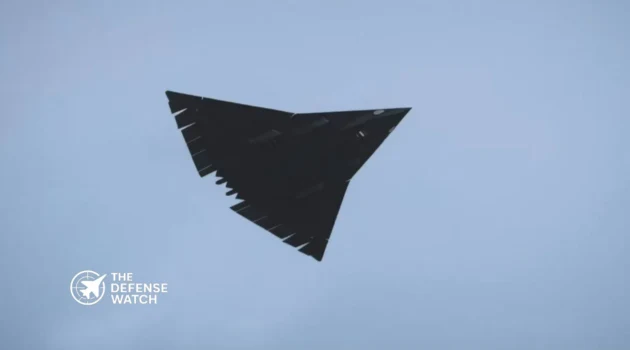
China’s new J-36 NGAD stealth fighters matter because they signal a shift in how major powers are trying to control future warfighting in the air and beyond. This program is part of a wider strategic competition between China and the United States over advanced military technology, force design, and regional influence.
What It Is
China’s J-36 Fighter
The J-36 is China’s emerging sixth-generation stealth fighter, developed by Chengdu Aircraft Corporation. Two prototypes have been seen flying together, a notable step in any advanced aircraft program and a sign that China is pushing ahead publicly with its next-generation jet effort.

It is large, has a tailless design and three engines, and aims to combine long range, stealth and heavy payload capacity. This places it closer in size and role to both heavy fighters and light bombers than to earlier fighters.
What NGAD Means
NGAD stands for Next Generation Air Dominance. In the United States it refers to a future system of systems that includes a sixth-generation manned fighter (often called F-47) and unmanned wingmen to maintain air superiority in high-end combat. China’s J-36 is sometimes compared to NGAD fighters, though it is a distinct program and not the U.S. system.
How It Works
Design and Features
The J-36’s tailless configuration, advanced shaping and stealth measures aim to reduce its radar and infrared signature, making it harder to detect. A three-engine layout gives it range and payload advantages, but also complexity and weight that might affect maneuverability.
Some reports suggest China added thrust-vectoring exhausts to improve control and agility.
Development Status
As of late 2025 the J-36 remains in prototype flight tests. It has not yet entered mass production or service. Analysts see its development as still early relative to the long road toward operational capability.
Why It Matters
Comparison to U.S. Programs
The U.S. NGAD effort seeks to replace or succeed current fifth-generation fighters with a mix of manned and unmanned systems. The planned NGAD fighter (often called F-47) focuses on stealth, advanced sensors, networking and drone control.
China’s J-36 design appears larger and oriented toward range and payload, which can aid strike missions and long-distance air superiority roles. It differs from U.S. plans that emphasize smaller, highly stealthy jets integrated with unmanned systems.
Strategic Competition
China’s push to field advanced aircraft reflects its broader goal to challenge U.S. airpower and influence in the Indo-Pacific and beyond. An operational sixth-generation fighter could reshape deterrence calculations and regional balance.
For the United States and allies, China’s progress adds pressure to maintain investment in future air dominance systems. U.S. Air Force leaders have publicly noted that Chinese sixth-gen development underscores the need to keep NGAD and related programs on track.
Known Unknowns and Speculation
What We Don’t Know
Public details on the J-36’s sensors, avionics, engine performance and stealth effectiveness are limited. Much of the technical picture remains speculation based on flight images and outside analysis.
There is also uncertainty about production timelines and how quickly China could field an operational force. Estimates range widely and are influenced by political and industrial priorities that are hard to verify independently.
Strategic Impact
The J-36 NGAD program is part of a broader trend where China seeks to match or exceed Western military capabilities. If successful, it could strengthen China’s deterrent posture, complicate U.S. planning in the Pacific and tilt regional calculations. For the U.S. and partners, this intensifies the need to sustain advanced aviation programs, deepen alliances, and invest in supporting technologies such as drones, sensors and integrated defenses.
Major actors will watch this development as both sides refine doctrines and force structures for high-end conflict scenarios in the coming decade.
NGAD vs Tempest, Why Sixth Generation Airpower Matters
NGAD vs Tempest has become one of the most watched rivalries in global military aviation. Both programs aim to define what air dominance will look like beyond the era of fifth generation fighters like the F 22 Raptor and F 35 Lightning II. As peer competition intensifies, especially with China and Russia advancing their own next generation aircraft, the United States and Europe are investing heavily in new concepts that go far beyond stealth alone.
At its core, NGAD vs Tempest is not just a comparison of two aircraft. It is a comparison of two approaches to future warfare, one led by the United States Air Force and the other by a multinational European partnership anchored by the United Kingdom.
What Is NGAD
A Family of Systems, Not Just a Fighter
The Next Generation Air Dominance program, known as NGAD, is the US Air Force’s top modernization priority for air combat. Unlike past fighter programs, NGAD is designed as a family of systems rather than a single aircraft. At its center is a crewed sixth generation fighter, supported by uncrewed collaborative combat aircraft, advanced sensors, secure networks, and next level propulsion.
Senior US officials have confirmed that at least one NGAD demonstrator has already flown, signaling that the program is well into its development phase. NGAD is intended to replace the F 22 and operate in the most heavily defended airspace imaginable.
Core Design Goals of NGAD
NGAD emphasizes flexibility, rapid upgrade cycles, and digital engineering. Instead of operating one aircraft design for decades, the Air Force plans to field multiple designs over shorter service lives. This approach aims to stay ahead of evolving threats.
Key priorities include
• Extreme survivability against advanced air defenses
• Long range operations across the Indo Pacific
• Tight integration with uncrewed wingmen
• Dominance in electronic warfare and cyber contested environmentsThe NGAD vs Tempest debate often centers on how far this system of systems concept can be pushed in real world operations.
What Is Tempest
Europe’s Answer to Future Air Combat
Tempest is the centerpiece of the Global Combat Air Programme, or GCAP, led by the United Kingdom with Italy and Japan as core partners. Sweden was involved in early concept work but GCAP now focuses on the UK Japan Italy partnership. Tempest is intended to replace the Eurofighter Typhoon from the mid 2030s onward.
Unlike NGAD, Tempest is more openly discussed by its developers, with regular concept reveals and technology demonstrations led by BAE Systems, Rolls Royce, Leonardo, and Mitsubishi Heavy Industries.
Tempest Design Philosophy
Tempest is also a sixth generation fighter, but its design philosophy leans toward modularity and coalition operations. The aircraft is expected to operate seamlessly with allied forces and integrate emerging technologies without full redesigns.
Key focus areas include
• Advanced stealth shaping and materials
• Adaptive cycle engines for range and power
• Artificial intelligence assisted decision making
• Optional crewed operations in later variantsIn the NGAD vs Tempest comparison, Tempest is often viewed as more transparent and collaborative, reflecting Europe’s emphasis on multinational defense programs.
Stealth and Survivability, Different Paths to the Same Goal
Both NGAD and Tempest place survivability at the top of their requirements, but they may achieve it in different ways.
NGAD is believed to push stealth beyond traditional radar cross section reduction. This includes advanced electronic attack, cyber effects, and dynamic signature management. The goal is to remain effective even if an adversary detects the aircraft.
Tempest also emphasizes stealth, but pairs it with powerful onboard sensors and long range weapons. European officials often stress information dominance rather than pure invisibility.
In the NGAD vs Tempest discussion, analysts note that survivability is increasingly about managing detection rather than avoiding it entirely.
Crewed and Uncrewed Teaming
NGAD’s Heavy Focus on Collaborative Aircraft
One of NGAD’s defining features is its reliance on uncrewed systems. These collaborative combat aircraft are designed to fly alongside the crewed NGAD fighter, carrying sensors, weapons, or jamming payloads. They extend the reach and resilience of the overall force.
The Air Force views this as essential for high risk missions in contested airspace. Losing an uncrewed aircraft is far less costly than losing a pilot.
Tempest’s Approach to Uncrewed Integration
Tempest also incorporates uncrewed teaming, but its approach appears more incremental. Developers envision swarming drones that can be tasked dynamically by the pilot or by onboard AI systems.
The NGAD vs Tempest comparison shows that both programs see human machine teaming as unavoidable, even if their execution timelines differ.
Engines and Range, A Key Differentiator
Range is a critical issue, especially for the United States, which must plan for operations across vast distances in the Pacific.
NGAD is expected to feature adaptive cycle engines that can shift between high efficiency and high thrust modes. This allows longer range, better fuel economy, and improved thermal management for sensors and weapons.
Tempest also plans to use next generation engines, developed by Rolls Royce, with a strong emphasis on electrical power generation. This supports directed energy weapons and advanced electronic warfare systems.
In NGAD vs Tempest comparisons, range and endurance often tilt in NGAD’s favor due to US operational needs, while Tempest focuses on flexibility and exportability.
Artificial Intelligence and Data Fusion
Both programs rely heavily on artificial intelligence to reduce pilot workload and speed up decision making.
NGAD’s AI is expected to manage sensor fusion, threat prioritization, and control of uncrewed aircraft. The pilot becomes a mission commander rather than a traditional stick and throttle operator.
Tempest developers describe a virtual copilot that assists with targeting, navigation, and battle management. This aligns with European efforts to keep humans firmly in the decision loop.
The NGAD vs Tempest debate highlights different cultural approaches to AI in combat aviation, even as the underlying technology converges.
Cost, Timelines, and Industrial Impact
NGAD Cost and Schedule
NGAD remains classified in many areas, but US officials have acknowledged that it will be expensive. Unit costs could exceed those of current fighters, though the Air Force argues that shorter production runs and faster upgrades justify the expense.
Operational capability is expected in the early 2030s.
Tempest Cost and Schedule
Tempest aims for entry into service around 2035. European partners emphasize affordability and long term sustainment, partly to ensure export success.
The NGAD vs Tempest comparison here reflects broader differences between US and European defense spending models.
Strategic Context, More Than Just Aircraft
NGAD vs Tempest must be understood within a wider strategic picture. NGAD is designed primarily with China in mind, focusing on anti access and area denial environments in the Indo Pacific.
Tempest, by contrast, is shaped by NATO requirements, European defense autonomy, and interoperability with allies like Japan.
Both programs signal a shift away from single platform thinking toward networked air combat ecosystems.
Analysis, What NGAD vs Tempest Really Tells Us
The competition between NGAD and Tempest is less about which fighter is better and more about how airpower is evolving. Both programs accept that future air dominance depends on networks, data, and integration across domains.
NGAD reflects US confidence in rapid innovation and high end specialization. Tempest reflects a coalition based approach that balances capability with political and industrial realities.
Neither program exists in isolation, and both will influence allied and adversary designs for decades to come.
FAQs
What does NGAD stand forNGAD stands for Next Generation Air Dominance, the US Air Force program for sixth generation air combat systems.
Is Tempest a single aircraft or a programTempest is both a sixth generation fighter and a broader combat air system developed under the Global Combat Air Program.
Which will enter service first, NGAD or TempestCurrent indications suggest NGAD may reach operational status earlier, possibly in the early 2030s, while Tempest targets the mid 2030s.
Are these fighters meant to replace the F 35No. NGAD is intended to replace the F 22, while Tempest will replace the Eurofighter Typhoon. The F 35 will continue operating alongside them.
Will NGAD or Tempest be exportedTempest is expected to be marketed for export. NGAD is likely to remain US only, at least initially.
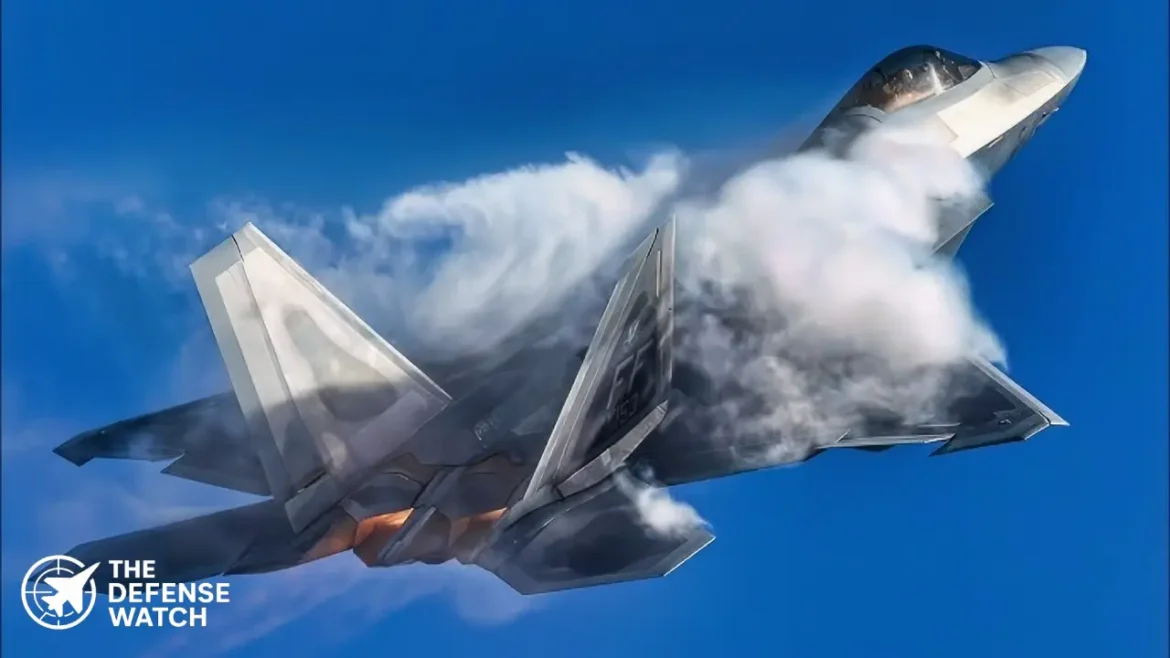
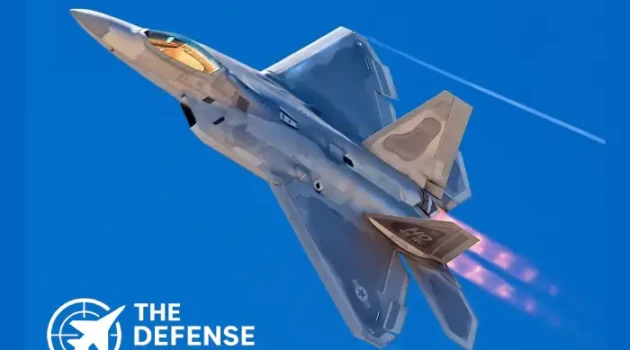
The U.S. Air Force, in collaboration with defense-contractor Lockheed Martin, is reportedly moving forward with ambitious upgrade proposals for its stealth fighter fleet — the “Super” F-22 Raptor and the “Ferrari” F-35 Lightning II. These plans aim to modernize existing airframes with next-generation technologies originally developed for the Next Generation Air Dominance (NGAD) program.
With new sixth-generation jets delayed, the upgrades are intended to provide a ready and capable stealth force in the near term — effectively extending the operational life and combat relevance of existing aircraft.
Background: Why Upgrades Are Gaining Traction
The NGAD program was meant to deliver a leap ahead in air-dominance through a brand-new sixth-generation fighter. However, development timelines remain uncertain and competitive pressures — particularly from rapidly evolving adversary programs — have accelerated calls for interim solutions.
Rather than waiting for a fully new aircraft to reach maturity, U.S. defense planners and industry leaders are now advocating for an alternative: retrofit and modernize existing stealth fighters to absorb as many next-gen features as possible, sooner. This approach promises a potentially faster, more cost-efficient way to maintain air superiority while bridging the gap.
What the “Super F-22” and “Ferrari F-35” Would Deliver
Super F-22
The “Super” F-22 plan goes beyond incremental enhancements. It envisions a substantial structural refresh of existing Raptor airframes — including new stealth materials, redesigned engine inlets, powerful onboard processors, and advanced electronic-warfare (EW) systems derived from NGAD development.
Under the proposal, the upgraded F-22 could support heavier weapons loads, more power-hungry sensors, and expanded mission profiles. Elements under consideration reportedly include stealth coatings refinements, range-extending fuel tanks, improved infrared defense systems, and drone (loyal wingman) control capabilities.
Ferrari F-35
On the F-35 side, Lockheed Martin is pitching a “fifth-generation-plus” variant — colloquially dubbed “Ferrari” — that would blend much of NGAD-era tech with the widely fielded F-35 chassis.
According to company executives, this upgraded F-35 could deliver roughly 80% of a sixth-generation fighter’s capability at close to half the projected cost per unit. Specific upgrades under discussion include enhanced infrared search-and-track sensors, updated stealth materials, new air-frame geometry, advanced data links, and expanded weapons compatibility. There is also talk of improved integration with autonomous or drone “wingmen.”
Given the existing global fleet — numbering in the thousands — such upgrades could rapidly scale to meet strategic requirements.
What It Means for the U.S. Air Force and Strategic Posture
A modernized fleet of Super F-22s and Ferrari F-35s would give the U.S. Air Force a substantial near-term boost. It would raise the number of combat-ready stealth fighters, enhance mission versatility (air superiority, long-range strike, EW, drone integration), and extend the life of proven platforms — all without the long delays and risk of developing an entirely new jet from scratch.
This bridging strategy becomes especially critical as the U.S. navigates a period of shifting global power balances — where peer competitors are also advancing stealth and drone-enabled capabilities rapidly.
Upgrading existing aircraft could also reassure U.S. allies — especially those relying on American airpower — that Washington remains capable of delivering high-end air superiority even as its procurement and development cycles evolve.
Challenges, Trade-offs, and Questions
- Scale and Timing: It remains unclear how many F-22s will actually receive the Super upgrade — and how quickly. The retrofit process could take years, and legacy maintenance/backlog issues for the F-22 fleet remain a hurdle.
- Cost vs. Benefit: While Lockheed claims costs will be lower than a new sixth-gen jet, the extent of structural modifications — especially to older airframes — may drive up expenses and complicate logistics.
- Capability Ceiling: Even with “fifth-gen-plus” upgrades, there may still be a performance gap compared to a true sixth-generation platform, especially in areas like next-gen propulsion, stealth, and unmanned teaming.
- Strategic Risk: Relying on upgraded legacy airframes may leave the U.S. vulnerable if adversaries leapfrog ahead with more advanced designs — or counter-stealth and drone integration.
What’s Next — And What to Watch
- How many F-22 and F-35 jets will be selected for upgrade, and on what schedule.
- Whether the upgrades will include drone/control-network integration and new weapons systems (e.g., hypersonic missiles).
- How the upgrades influence the broader rollout and procurement plans for six-generation jets under NGAD (or successor initiatives).
- Responses from rival powers — and potential shifts in global airpower dynamics.
Conclusion
As the doorstep of sixth-generation air dominance continues to recede, the U.S. is charting a pragmatic path: bolstering the capabilities of current stealth aircraft rather than relying solely on future, uncertain platforms. The proposed “Super” F-22 and “Ferrari” F-35 — powered by cutting-edge NGAD-derived technologies — represent a strategic bet on bridging periods of uncertainty without sacrificing combat effectiveness. If realized, this modernization could preserve U.S. air superiority in a rapidly evolving global security landscape — at least through the late 2020s and early 2030s.
A recent article in *National Security Journal analyzed a futuristic concept for a seventh-generation fighter that could reach speeds of Mach 5 or more — far beyond today’s operational supersonic combat jets. The piece, titled “Forget NGAD or the J-20: A 7th Generation Fighter Could Hit Mach 5”, proposes that while current sixth-generation efforts dominate headlines, a more radical leap may be underway.
Background
The aviation industry currently categorizes modern combat jets into generations: the fifth generation (such as the F‑22 Raptor, F‑35 Lightning II and China’s J‑20), and the emerging sixth generation (for example the Next Generation Air Dominance (NGAD) program in the U.S.). The 5th-gen fighters bring stealth, sensor fusion and high performance; 6th-gen plans add unmanned teaming, directed energy and deeper connectivity.
In that context, the proposed seventh-generation fighter concept takes the next leap: ultra-high speed (hypersonic or near-hypersonic flight), novel propulsion, very long-reach sensors, and full integration into networked warfare ecosystems. The National Security Journal article argues that designers are already thinking beyond NGAD and the J-20 upgrades.
Details of the Concept
According to the article, the key characteristics of the proposed seventh-gen fighter include:
- Speed: A top speed target around Mach 5 (five times the speed of sound), enabling greatly reduced engagement and transit times.
- Survivability and reach: By combining high-speed transit with stealth and long-range sensors, the aircraft could penetrate deep into contested airspace and evade or outrun sophisticated air-defence systems.
- Advanced sensors and network: Emphasis on a “family of systems” approach, with the fighter functioning as a node in a larger sensor-shooter architecture (including unmanned wingmen, satellites and airborne sensors). The article references earlier studies of this trend.
- Role and paradigm shift: Rather than simply being a platform that improves incrementally over the 5th and 6th gen, the article suggests a shift in mindset—more focus on speed, reach and networked warfare than dog-fight agility alone.
While specifics such as manufacturer, engine type, operational date or cost are lacking (given the classified nature of next-gen programs), the article places the speed envelope of Mach 5 as a disruptive threshold. One academic study noted that to evade advanced missile-defenses, vehicles often need sustained speeds above Mach 5 during glide or manoeuvre phases.
Expert / Policy Perspective
Defense analysts have long remarked on the blurred boundary between manned fighters and unmanned systems, especially as AI, sensor fusion and remote operations become central. The National Interest recently cautioned that a seventh-generation fighter “may not include human operators” at all, given the pace of drone and AI capability.
From a policy and procurement standpoint, targeting Mach 5 raises major engineering, cost and operational questions:
- Propulsion and materials: Sustained Mach 5 flight imposes extreme thermal loads, engine demands and structural challenges. Historical hypersonic-flight research underlines high failure rates in development.
- Cost-effectiveness: Many countries still field 4th- and 5th-gen fighters and are upgrading rather than leaping generations. The risk of technological overreach is real.
- Strategic relevance: If speed becomes the dominant attribute, does air-superiority shift from maneuverability and stealth to reach and strike time? The article argues yes, but that operational concepts must evolve accordingly.
SR-72 Darkstar. Image Credit: Creative Commons. Impact and What’s Next
If this seventh-generation fighter concept moves from speculative to procurement reality, the implications are significant. Air forces would require new operational doctrines, infrastructure (e.g., high-speed engines, thermal management), and a rethink of adversary air-defence and counter-air strategies. The velocity leap to Mach 5 could compress decision cycles and increase vulnerability for slower platforms.
Key next steps to watch: announcements by major aerospace firms or defence ministries regarding “Mach x ” high-speed fighters; technology demonstrations of propulsion systems enabling sustained high-Mach flight; and shifts in air-force investment from incremental upgrades toward radical new platforms.
In short, while the current talking point remains the sixth-generation programs like NGAD and the J-20 upgrades, the horizon of a Mach 5-capable, seventh-generation fighter may mark the next major turn in combat aviation.
First F-47 Now Under Construction, USAF Predicts Maiden Flight in 2028
The United States Air Force’s (USAF) much-anticipated next-generation air dominance fighter, known as the F-47, is now being built and its first flight is expected in 2028, Chief of Staff Gen. David Allvin announced during the Air, Space and Cyber Conference.
Boeing was selected in March to lead the program, previously called Next Generation Air Dominance (NGAD), to develop what will become the successor to the F-22 Raptor. In a show of accelerated momentum, Boeing’s team has already begun manufacturing the first airframe just months after the contract was awarded.
What We Know So Far: Specifications & Ambition
Though many details remain classified, Gen. Allvin has released some public sketchwork of what the USAF expects from the F-47:
- Combat radius exceeding 1,000 nautical miles.
- Maximum speeds in excess of Mach 2 (or more than 1,500 miles per hour).
- Advanced stealth features, new engines, and integration with autonomous “wingmen” drones, often called collaborative combat aircraft.
- USAF aims to procure at least 185 units — a number that would match or surpass the current size of the F-22 fleet.
Strategic Rationale: Why the F-47 Matters
The F-47 is central to USAF’s push to retain air superiority in an era of increasingly capable peer competitors. Gen. Allvin emphasized that dominance in future air warfare will require systems that can not only “land the punch,” but also visibly communicate strength to deter aggression.
According to Allvin, Boeing and its workforce are deeply committed and energized by the project. In his words, “these aren’t people who just show up to work … they want to put together the dominance for the future.”
Challenges & Unknowns
Given the high degree of classification around the F-47, several key aspects remain opaque:
- Operational costs, maintainability, and integration into existing force structures have yet to be detailed.
- The success of the collaborative drones and autonomous systems depends heavily on software, AI, and secure communications, which often lag behind expectations.
- The geopolitical environment and budgetary pressures may affect delivery timelines or the total number of units purchased.
Broader Context & Implications
Historically, the USAF’s transition from one generation of fighters to the next (e.g., from F-15/F-16 to F-22) has involved long lead times, cost overruns, and technical trade-offs. The speed indicated by this announcement — that construction has already begun within months of selection — suggests a desire to compress those phases.
In addition, the emphasis on radius and high speed reflects anticipated requirements in the Indo-Pacific region, where long over-water range and rapid response are increasingly critical. This suggests that the F-47 is not just built for peer contests over Europe, but also to project U.S. air power across oceans and contested zones.
Analysis: What to Watch Going Forward
- Testing & Flight Envelope
The timeline to first flight by 2028 is ambitious. Key milestones to track include engine development, stealth signature verification, and the performance of its autonomous wingmen. Delays in any of these could push back operational capability. - Force Structure & Production Rates
Though 185 airframes are planned, how quickly they can be produced and deployed will matter, especially if the F-22 fleet continues to age. The degree to which the F-47 replaces or complements existing fighters (like F-35s) will impact USAF strategy and budget allocations.
FAQs
What is the F-47?The F-47 is the U.S. Air Force’s next-generation air dominance fighter, previously referred to as NGAD, intended to succeed the F-22 Raptor.
When will the first prototype fly?The first F-47 is expected to fly in 2028.
How many F-47s will the USAF acquire?At least 185 units are planned, which matches or exceeds the size of the current F-22 fleet.
What are the capabilities of the F-47?Publicly disclosed ambitions include a combat radius over 1,000 nautical miles, speeds above Mach 2, stealth characteristics, advanced engines, and collaborative combat with autonomous drone wingmen.
What are the main challenges ahead?Key challenges include technical risk (stealth, autonomous systems, engines), cost and procurement pacing, maintaining ambitious timelines, and integration into existing strategic posture amid budget constraints.
The US Air Force has selected Boeing’s F-47 as its “latest fighter jets in USA” and “newest fighter jet” under the sixth-generation fighter umbrella. The announcement marks a significant shift in aerial warfare strategy, as the F-47 is poised to replace the F-22 Raptor and usher in a future defined by manned–unmanned teaming and enhanced stealth capabilities.
Overview of the F-47 Program
Under the Next Generation Air Dominance (NGAD) initiative, the F-47 is being developed by Boeing to deliver unprecedented air superiority. USAF officials confirm prototypes have been flying since 2020 and that they plan to field the aircraft by the end of this decade.
Design Goals and Performance
- Range & Speed: Anticipated top speed of Mach 2 and a combat radius exceeding 1,000 nautical miles.
- Supportability: Designed to be more sustainable and adaptable than fifth-generation jets, requiring less manpower and infrastructure.
- Advanced Stealth & Systems: Promises next-level stealth and compatibility with collaborative combat aircraft (drones).
Strategic Shift: Boeing’s Breakthrough
The F-47 contract, worth over $20 billion for development, signals a major win for Boeing, challenging Lockheed Martin’s longstanding dominance in stealth fighters. Some reports suggest the total lifecycle value may exceed $50 billion.
This shift reflects a realignment of defense priorities, focusing on affordability, scale, and technological innovation—key as emerging threats from near-peer rivals intensify.
Program Timeline
The Air Force expects the F-47 to be operational between approximately 2025 and 2029, with plans to procure at least 185 units. Budget documents for FY 2025 allocate around $3.3 billion to NGAD development, with $2.7 billion designated for the manned fighter and $557 million for related collaborative drone.
Context & Strategic Significance
The F-47 is a pivotal leap forward in American fighter aviation, reflecting an evolving combat environment where stealth, networked multi-domain operations, and unmanned systems integration are paramount. Compared to its predecessor, the fifth-generation F-35, the F-47 emphasizes range, flexibility, and teaming capability.
Moreover, the program underscores the USAF’s commitment to staying ahead in the face of rising Chinese and Russian aerospace advancements—a calculated response to global security challenges.
Implications for Lockheed and the Defense Industry
Lockheed Martin’s absence from the F-47 project signals a notable shake-up—Boeing’s successful bid positions it as the new leader in next-gen air combat design.
While Lockheed continues to explore “fifth-generation-plus” concepts like the proposed F-55, cost and feasibility concerns cast uncertainty over their timeline.
Outlook & Analysis (Extra Value)
The F-47’s development reflects a broader move toward systems-of-systems warfare. By enabling manned aircraft to serve as networked “quarterbacks” for drone wingmen, the USAF is leveraging scalable, flexible warfare architectures. These will adapt faster to future threats and allow distributed operations across contested environments.
However, questions remain regarding production timelines, integration of drone systems, affordability, and technical challenges of fielding a sixth-generation, crewed fighter on schedule.
FAQs
What is the F-47?he Boeing-built sixth-generation fighter jet selected by the USAF under NGAD, intended to replace the F-22.
When will the F-47 become operational?It’s expected to be fielded between 2025 and 2029, per USAF projections.
How is the F-47 different from the F-35?It offers longer range, faster speeds (Mach 2+), advanced stealth, integrated drone support, and lower sustainment burdens.
Why did Boeing win over Lockheed Martin?Boeing’s proposal may have aligned better with USAF priorities for cost, production scale, and innovation—marking a strategic shift in the aerospace sector.
Boeing F-47 fighter jet: The Next Leap in Air Dominance
In March 2025, Boeing was awarded a milestone contract to develop the U.S. Air Force’s Next Generation Air Dominance (NGAD) fighter, designated F-47—a crewed, stealthy sixth-generation air superiority platform intended to succeed the F-22 Raptor. The Boeing F-47 fighter jet is the centerpiece of the NGAD family of systems, designed to operate seamlessly with unmanned Collaborative Combat Aircraft (CCAs), pioneering manned–unmanned teaming (MUM-T).
Design Goals: Stealth, Speed, Range
Although much of the F-47’s design remains classified, the Air Force has emphasized that it will offer significantly longer range, enhanced stealth, higher availability, and lower lifecycle costs versus fifth-generation fighters like the F-22 and F-35. Public infographics indicate a combat radius exceeding 1,000 nautical miles, and top speeds above Mach 2. The USAF plans to procure at least 185 F-47 jets.
Power: Adaptive Cycle Engines
Core to achieving extended range and high-speed performance are adaptive cycle turbofan engines, capable of switching efficiently between high-bypass and low-bypass modes mid-flight. These engines offer the dual benefits of fuel efficiency and powerful thrust—ideal for long transits and sudden bursts of speed, while generating greater electrical power and thermal management for advanced sensors.
Design Speculation — and Misdirection
Release of initial artist renderings sparked intrigue: visible canards and a tailless, dihedral-wing profile sparked debate, though analysts caution that these might be deliberate misdirections, not truly indicative of the final design. Such visual cues may mimic Boeing’s experimental Bird of Prey program as an obfuscation strategy.
DARPA’s Foundation: X-Plane Testing
The F-47’s development is rooted in a decade of advanced testing. DARPA funded X-plane demonstrators first flown in 2019 and 2022, which have accumulated hundreds of flight hours testing stealth, autonomy, and next-gen design concepts.
Industrial Priorities: Funding and Challenges
The Fiscal Year 2026 Pentagon budget request allocates approximately $3.5 billion toward the F-47, while drastically reducing funding for the Navy’s rival sixth-generation F/A-XX program—reflecting a strategic decision to prioritize one major fighter and avoid over-stretching the industrial base.
However, the program is already facing headwinds: engine development has reportedly slipped by up to two years, and labor disputes at Boeing’s St. Louis production facility raise the potential for strikes that could disrupt timelines.
Strategic Imperatives: Mass Matters
Planners have underscored that in future scenarios—particularly in the vast Indo-Pacific—the F-47’s impact will hinge not just on capability, but on numbers. A large, networked fleet of long-range fighters and CCAs is deemed essential to overwhelm sophisticated defenses and shorten sensor-to-shooter timelines
FAQs
What makes the F-47 different from the F-22?The F-47 offers extended range (>1,000 nm), Mach 2+ speed, improved stealth and availability, lower costs, and networked operations with drones, surpassing the F-22’s performance envelope.
What is an adaptive cycle engine?These engines, like GE’s XA102 or Pratt & Whitney’s XA103, can switch airflow configurations mid-flight for both efficiency and high thrust, improving range, performance, and onboard power for advanced systems.
Why pair F-47 jets with drones?CCAs extend mission capabilities—such as surveillance, jamming, or extra missiles—while reducing risk to pilots. The F-47 acts as a “queen,” commanding drone “pawns” across contested airspace.
When will the F-47 be operational?Estimates suggest initial fielding between 2025 and 2029, with more realistic full availability projected in the 2030s.