Breaking: Russian Drones Cross Into NATO Territory
The Polish Armed Forces confirmed Tuesday morning that at least eight Russian drones violated Polish airspace during overnight operations on January 26-27, 2026, marking a significant escalation in cross-border incidents along NATO’s eastern flank. The Russian drone incursion triggered an immediate joint air defense response involving Polish forces and NATO allies, with operations concluding in the early hours of January 27.
The airspace violation occurred as Russia launched a massive assault consisting of 165 attack drones targeting Ukrainian infrastructure, with particularly devastating strikes reported in the southern port city of Odesa. Polish military officials detected the Russian drones crossing into NATO territory and immediately activated coordinated defense protocols.
NATO Allies Deploy F-35s in Rapid Response
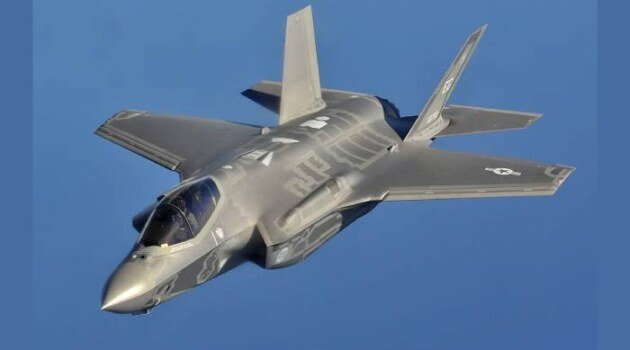
Poland’s military wrapped up air operations following the detection and tracking of the Russian drones, publicly acknowledging the critical support provided by NATO Air Command and the Royal Netherlands Air Force. Dutch F-35 Lightning II fighters, which have maintained a continuous deployment in Poland since September 2025, played a key role in patrolling Polish skies during the incident.
The Royal Netherlands Air Force F-35 deployment represents part of NATO’s enhanced Air Policing mission along the alliance’s eastern border. The presence of advanced fifth-generation fighters in Poland underscores the heightened defensive posture NATO has adopted following Russia’s full-scale invasion of Ukraine in February 2022.
Polish Armed Forces operations have concluded,” the Polish military stated in official communications. “We thank NATO Air Command and the Royal Netherlands Air Force for their support during this incident.”
Eighth Confirmed Airspace Violation Highlights Escalation Pattern
This marks at least the eighth confirmed instance of Russian drones entering Polish airspace since the beginning of Russia’s expanded military operations against Ukraine. Previous incidents have occurred sporadically, typically during large-scale Russian drone and missile campaigns targeting Ukrainian energy infrastructure and military installations near the Polish-Ukrainian border.
The frequency of Russian drone incursions into NATO territory has raised concerns among alliance defense officials about potential Article 5 implications. While NATO has not invoked its collective defense clause in response to drone overflights, each incident triggers detailed investigation and coordinated defensive measures.
Polish defense officials have consistently maintained that tracking and responding to these violations remains a top priority. The country has significantly enhanced its air surveillance capabilities since 2022, investing in integrated air defense systems and expanding radar coverage along its eastern frontier.
Massive Russian Strike Campaign Targets Ukraine
The Russian drones that violated Polish airspace were part of a much larger assault wave consisting of 165 attack drones launched against Ukrainian targets. Russian forces concentrated strikes on critical infrastructure in Odesa, Ukraine’s primary Black Sea port and a vital hub for grain exports under the Black Sea Grain Initiative.
(adsbygoogle = window.adsbygoogle || []).push({});Ukrainian air defense forces engaged the incoming drones throughout the night, with preliminary reports indicating successful interception of a significant portion of the attacking unmanned aerial vehicles. However, several drones evaded Ukrainian defenses and struck targets in Odesa, causing damage to port facilities and civilian infrastructure.
The scale of the 165-drone assault represents one of the larger single-night drone campaigns Russia has conducted in recent months. Russian forces have increasingly relied on Iranian-designed Shahed-136 drones, which Russia produces domestically under the designation Geran-2, for sustained attacks on Ukrainian infrastructure.
Dutch F-35 Deployment Bolsters Eastern Flank Defense
The Royal Netherlands Air Force has maintained a rotational deployment of F-35A Lightning II fighters in Poland since September 2025 as part of NATO’s enhanced Forward Presence. The Dutch F-35s operate from Polish air bases, providing advanced air policing capabilities and rapid response capacity for airspace violations.
The F-35’s advanced sensor suite, including the AN/APG-81 Active Electronically Scanned Array (AESA) radar and Distributed Aperture System (DAS), provides superior detection and tracking capabilities against low-flying drones. These systems proved critical during the overnight response to the Russian drone incursion.
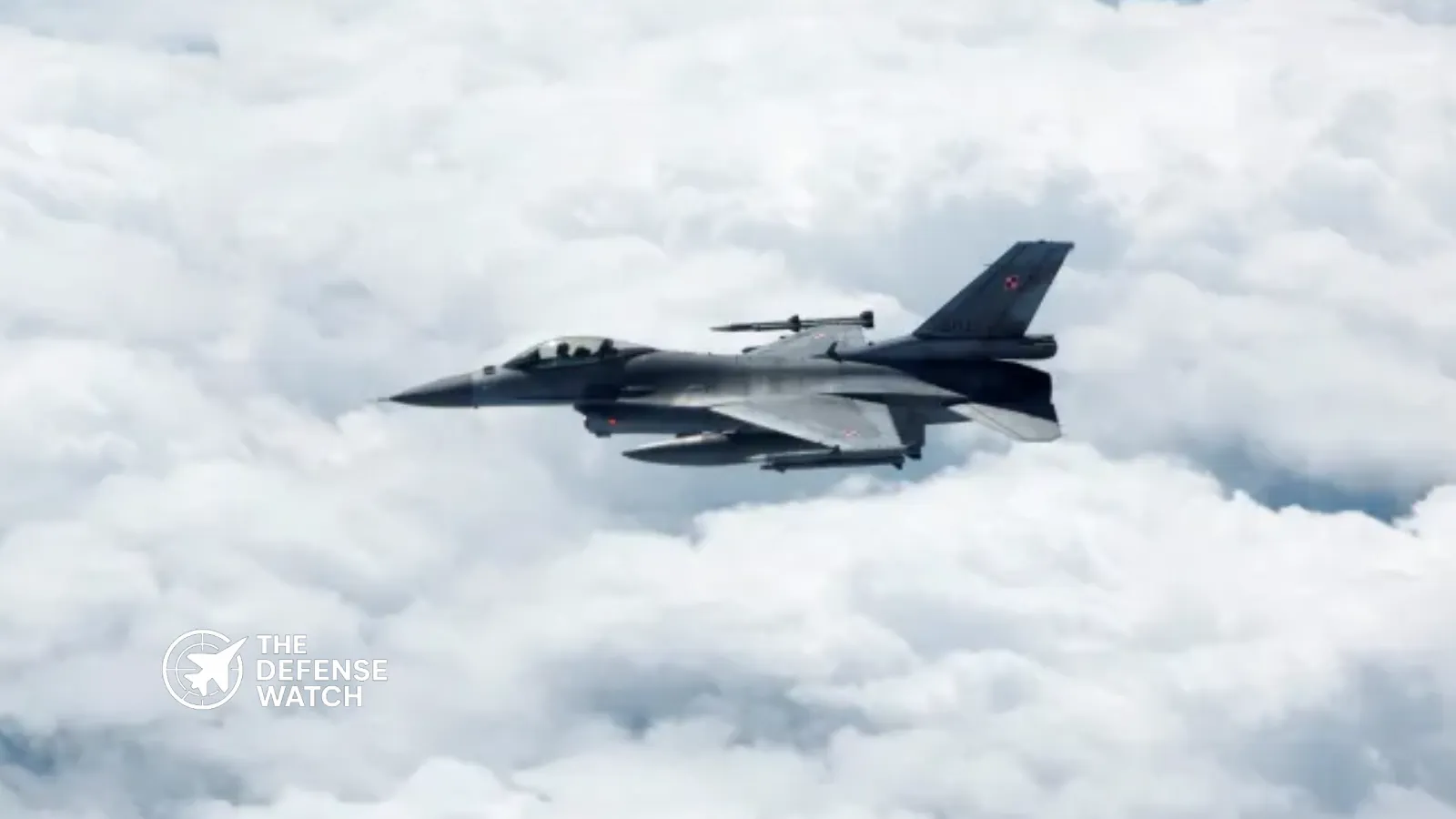
NATO has significantly expanded its air defense presence along the eastern flank since 2022, with multiple allies contributing aircraft, personnel, and integrated air and missile defense systems. The Netherlands’ F-35 deployment complements Polish F-16 fighters and ground-based air defense assets in creating a layered defense network.
NATO Air Policing Mission Adapts to Drone Threats
NATO’s Air Policing mission has evolved significantly to address the growing threat posed by unmanned aerial systems crossing into alliance territory. Traditional air policing focused primarily on intercepting crewed aircraft, but the proliferation of military drones has required new tactics, procedures, and detection capabilities.
Allied air forces have developed specialized protocols for responding to drone incursions, balancing the need for airspace sovereignty with proportionate response measures. Fighter aircraft like the F-35 can track and monitor drone movements, providing critical intelligence while ground-based systems determine appropriate countermeasures.
The integration of NATO Air Command coordination ensures that member states maintain a unified response to airspace violations. Real-time intelligence sharing and joint operational planning enable rapid decision-making when Russian drones cross international boundaries.
Implications for NATO Defense Posture
The repeated violations of Polish airspace by Russian drones highlight ongoing challenges facing NATO’s eastern members. While individual drone incursions have not triggered Article 5 collective defense measures, alliance officials continue monitoring the situation closely for patterns that might indicate deliberate testing of NATO responses.
Poland has called for enhanced air defense capabilities along NATO’s eastern border, including the deployment of additional integrated air and missile defense batteries. The country is investing heavily in acquiring advanced systems, including participation in the European Sky Shield Initiative and procurement of Patriot air defense batteries.
Defense analysts note that Russian drone operations near NATO borders appear designed to collect intelligence on alliance response times, detection capabilities, and operational procedures. Each incident provides Russian military planners with valuable data about NATO air defense gaps and coordination mechanisms.
Ongoing Coordination Between Polish and NATO Forces
The successful conclusion of overnight air operations demonstrates the effectiveness of integrated NATO air defense coordination. Polish forces maintain constant communication with NATO Air Command at Ramstein Air Base, Germany, ensuring seamless coordination when incidents occur.
The inclusion of Royal Netherlands Air Force F-35s in the response showcases NATO’s multinational approach to collective defense. Allied aircraft operate under Polish tactical control while maintaining connectivity with broader NATO command structures, enabling efficient resource allocation and response coordination.
(adsbygoogle = window.adsbygoogle || []).push({});Polish defense officials continue emphasizing the importance of alliance solidarity in maintaining airspace integrity. The presence of allied fighter aircraft on Polish soil serves both operational and deterrent purposes, demonstrating NATO’s commitment to defending every inch of alliance territory.
Looking Forward: Enhanced Detection and Response Capabilities
NATO allies are investing in improved counter-drone technologies specifically designed to detect, track, and neutralize small unmanned aerial systems. These capabilities complement traditional air defense systems optimized for crewed aircraft and ballistic missiles.
Poland is expanding its network of ground-based radar installations along the Ukrainian border, incorporating systems specifically tuned to detect small radar cross-section targets like consumer and military drones. These sensors feed into an integrated air picture shared across NATO’s eastern flank.
The alliance is also developing standardized procedures for responding to future drone incursions, including rules of engagement that balance defensive requirements with appropriate escalation management. As drone technology continues evolving, NATO must adapt its defensive posture to address increasingly sophisticated unmanned threats.