
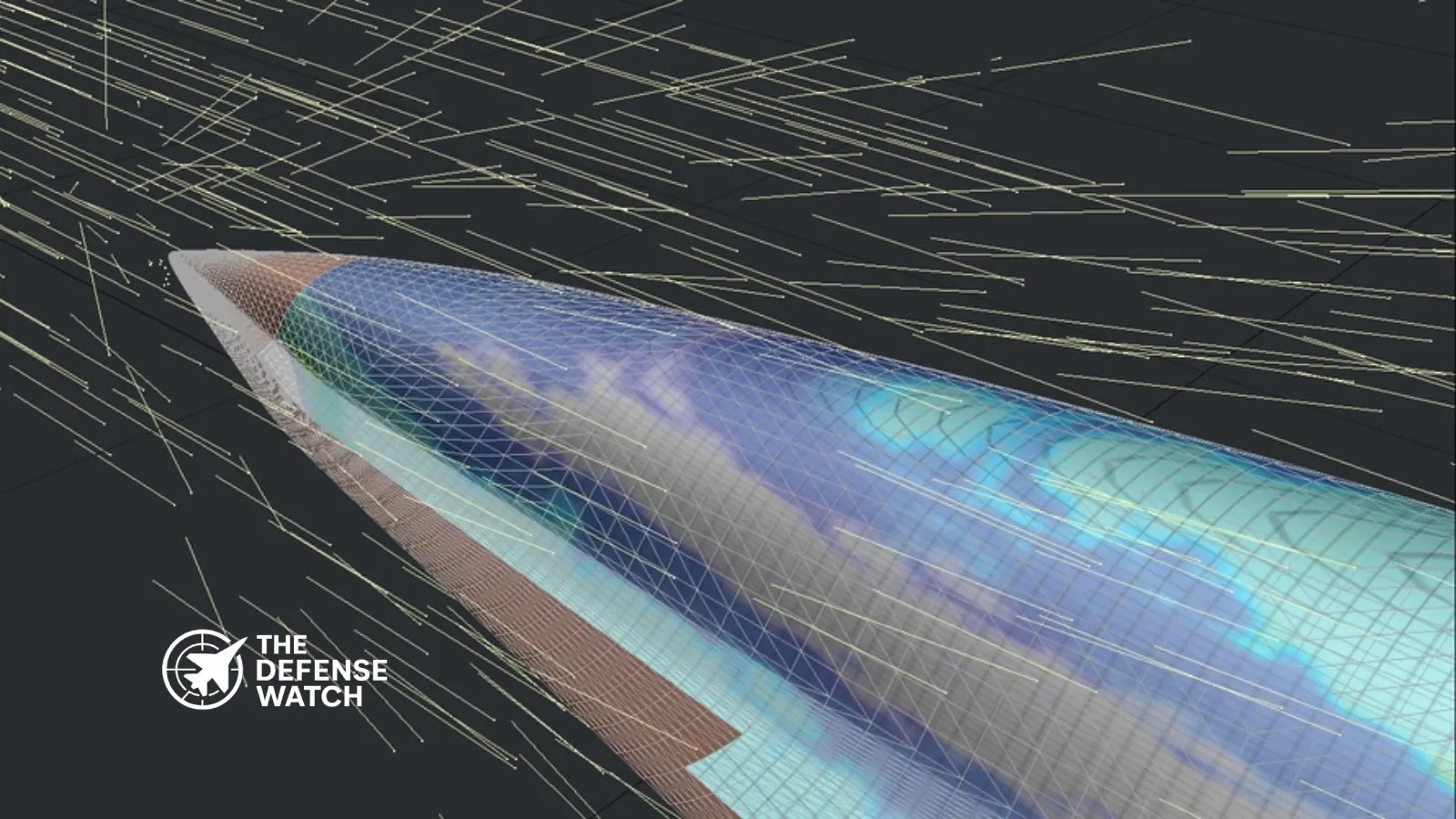
Britain Hypersonic Missile Development Moves Into High Gear
Britain hypersonic missile development is entering a faster phase as the United Kingdom pushes to field next-generation strike capabilities amid intensifying global competition in advanced weapons.
The UK government has confirmed that work on a sovereign hypersonic weapon is being accelerated, with testing activity expected to expand over the coming years. Officials say the effort is part of a broader modernization strategy aimed at maintaining credible deterrence and long-range precision strike options.
According to the UK Ministry of Defence, the program focuses on developing a high-speed missile capable of sustained flight at speeds exceeding Mach 5, with improved survivability against modern air defense systems.
Focus On Speed, Survivability, And Precision
Hypersonic weapons travel at extreme speeds while maneuvering in flight, making them more difficult to track and intercept than traditional ballistic or cruise missiles. Defense planners view the technology as increasingly important in contested environments where integrated air defenses are expanding in range and sophistication.
British officials have emphasized that the hypersonic effort will rely on domestic research and industry partnerships. The program is expected to draw on advances in propulsion systems, thermal protection materials, and guidance technologies.
The UK has already conducted propulsion-related testing, including work on advanced air-breathing engines. These technologies are central to sustained hypersonic cruise capability rather than boost-glide concepts used by some other nations.
While timelines have not been publicly detailed, government statements indicate that operational capability is targeted for the early 2030s.
Strategic Context: A Growing Hypersonic Race
Britain hypersonic missile development comes amid rapid advances by other major powers.
The United States has multiple hypersonic programs underway across the Air Force, Navy, and Army. Meanwhile, Russia has fielded systems such as the Kinzhal and Avangard, and China continues to expand its own hypersonic arsenal.
UK defense leaders have acknowledged that the proliferation of such systems changes the strategic balance. Hypersonic weapons compress decision-making timelines and complicate traditional missile defense architectures.
London’s decision to accelerate development reflects both technological competition and operational necessity. Officials argue that maintaining a credible deterrent requires adapting to new forms of high-speed strike capability.
Integration With Future Air And Maritime Platforms
British planners are evaluating how a future hypersonic weapon could integrate with air and maritime platforms.
The Royal Air Force is expected to play a central role in any air-launched configuration, potentially integrating hypersonic strike into future combat aircraft concepts. The Royal Navy may also consider maritime deployment options as part of its long-range strike portfolio.
The hypersonic initiative aligns with broader UK modernization programs, including next-generation combat air systems and long-range precision weapons development. Officials have stressed that interoperability with allied forces will remain a priority.
Industrial And Allied Collaboration
While the UK is pursuing sovereign capability, collaboration with allies remains part of the broader defense framework.
Under the AUKUS partnership, advanced technologies including undersea systems and cutting-edge capabilities are areas of cooperation between the UK, Australia, and the United States. Although hypersonic development remains primarily national at this stage, shared research and technology exchange could influence future phases.
British industry is expected to benefit from sustained investment in propulsion research, advanced materials, and precision guidance systems. Government officials have framed the program not only as a defense priority but also as a driver of high-technology manufacturing and engineering expertise.
Budget And Policy Alignment
The acceleration of Britain hypersonic missile development follows broader defense spending adjustments aimed at strengthening high-end capabilities.
Recent defense policy reviews have identified long-range precision fires and advanced strike systems as key investment areas. The UK’s Integrated Review refresh emphasized adapting to a more contested global environment, including peer-level competition and emerging technologies.
Although exact program costs have not been disclosed, officials have signaled that funding lines are being protected to ensure sustained progress.
Defense analysts note that hypersonic development programs require long-term investment due to the complexity of propulsion, heat resistance, and testing infrastructure.
Operational Implications
If successfully fielded, a British hypersonic missile would expand the UK’s conventional deterrence options. High-speed, maneuverable strike capability could allow rapid response against time-sensitive targets in contested theaters.
Such systems may also alter force posture planning. With extended range and speed, fewer forward deployments may be required to achieve strategic effects, depending on basing and launch platform decisions.
At the same time, experts caution that hypersonic weapons are not a replacement for existing capabilities. Instead, they are expected to complement cruise missiles, ballistic systems, and air-delivered precision munitions.
Testing And Technology Development
Testing remains a critical phase in Britain hypersonic missile development. Hypersonic flight presents significant engineering challenges, particularly related to thermal loads, structural integrity, and guidance stability at extreme speeds.
The UK has invested in ground-based testing facilities and propulsion trials to mature key components before full-system demonstrations. Expanding testing activity will likely include flight trials in controlled environments.
Defense officials have stated that the goal is to reduce technical risk early in the program cycle to avoid delays later in development.
The Road Ahead
Britain hypersonic missile development signals a long-term commitment to maintaining advanced strike relevance in an increasingly competitive security landscape.
While operational deployment remains years away, the acceleration of research, testing, and industrial engagement reflects the UK’s intent to remain aligned with leading military powers in emerging weapons technology.
As global hypersonic programs continue to advance, the UK’s progress will be closely watched by allies and competitors alike.
Get real time update about this post category directly on your device, subscribe now.
