

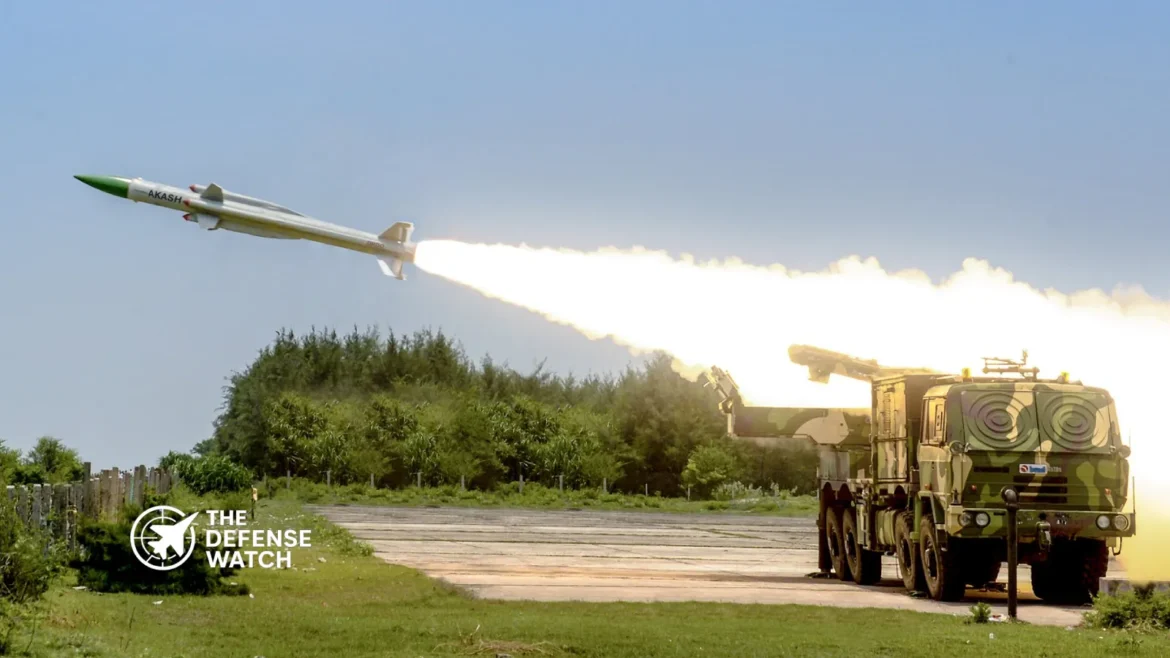
- ► BDL completes First-off Production Model of Advanced Akash Weapon System.
- ► Upgraded subsystems improve tracking, engagement, and reliability.
- ► System designed to counter aircraft, drones, and cruise missile threats.
- ► Marks transition from development to scaled production phase.
- ► Enhances India’s layered air defense architecture and operational readiness.
Advanced Akash Weapon System FOPM Signals Production Breakthrough
The Advanced Akash Weapon System FOPM has been successfully completed by Bharat Dynamics Limited (BDL), marking a key milestone in India’s air defense modernization effort. The First-off Production Model confirms that the upgraded system has transitioned from development into production-ready configuration.
BDL announced that the system incorporates improved subsystems designed to enhance overall performance, reliability, and combat effectiveness for the Indian Armed Forces.
This milestone follows ongoing efforts by India’s defense industry to strengthen indigenous missile capabilities under long-term modernization programs.
Upgraded Subsystems Enhance Combat Capability
The Advanced Akash system builds on the legacy Akash surface-to-air missile platform, widely deployed by both the Indian Army and Air Force. The upgraded version integrates refined electronics, improved guidance systems, and enhanced radar coordination.
These upgrades are expected to improve:
- Target tracking accuracy in complex environments
- Engagement capability against faster and lower-flying threats
- System reliability and maintainability in field conditions
The Akash system is designed to intercept a range of aerial threats, including fighter aircraft, unmanned aerial vehicles, and certain types of cruise missiles.
From an operational perspective, the improvements suggest a focus on countering evolving aerial threats, particularly those involving low-observable or high-speed targets.
Strategic Role in India’s Air Defense Network
The Advanced Akash Weapon System FOPM plays a key role in India’s layered air defense architecture. The system is positioned as a medium-range surface-to-air missile platform, bridging the gap between short-range air defense systems and longer-range assets such as the S-400.
Its mobility and networked radar integration allow it to be deployed for both point defense and area defense missions.
India’s approach reflects a broader trend seen globally, where countries are investing in multi-layered air defense systems to counter increasingly diverse aerial threats, including drones and precision-guided munitions.
Industrial and Production Implications
Completion of the First-off Production Model typically indicates that the system has passed validation checks required for series production. For BDL, this milestone confirms readiness to move toward larger-scale manufacturing.
As the primary production agency for several Indian missile systems, BDL’s role is central to sustaining supply chains and meeting operational requirements.
The transition to production also suggests that additional orders or follow-on contracts may be aligned with India’s long-term force structure planning, though no new procurement figures were disclosed in the announcement.
Broader Modernization Context
The Advanced Akash Weapon System FOPM milestone comes amid a wider push by India to upgrade its air defense capabilities across multiple layers.
This includes:
- Expansion of indigenous missile programs
- Integration of advanced radar and sensor networks
- Increased focus on counter-drone technologies
The emphasis on domestic production reflects policy priorities aimed at reducing reliance on foreign defense imports while strengthening local industry.
From a regional perspective, improvements to India’s air defense systems may influence threat calculations and defense planning across South Asia, particularly in scenarios involving contested airspace or rapid-response operations.



- OCCAR confirmed a successful Akeron LP anti-tank missile test supporting the MAST-F program.
- The missile is designed for next-generation European attack helicopters, including the Tiger Mk III.
- Akeron LP features beyond line-of-sight engagement and multi-mode guidance capabilities.
- The MAST-F program aims to replace legacy anti-tank missile systems across European forces.
- The test highlights continued European investment in precision strike and battlefield survivability.
Akeron LP Anti-Tank Missile Test Advances MAST-F Program
The Akeron LP anti-tank missile test has marked a significant milestone in the development of Europe’s MAST-F program, underscoring steady progress toward a next-generation precision strike capability for rotary-wing platforms.
According to the Organisation for Joint Armament Cooperation (OCCAR), the recent test validated key performance parameters of the Akeron LP system, which is being developed to equip future Europea
Next-Generation Capability for European Forces
The Akeron LP anti-tank missile is designed to deliver beyond line-of-sight engagement, a capability increasingly seen as essential in modern high-threat environments. Unlike legacy anti-tank guided missiles, the system integrates advanced imaging and data-link technologies, allowing operators to engage targets at extended ranges while maintaining flexibility during flight.
Developed by MBDA, the missile incorporates multi-mode guidance, enabling it to operate in fire-and-forget as well as man-in-the-loop configurations. This dual capability enhances both survivability and precision, particularly in contested environments where electronic warfare and countermeasures are prevalent.
From an operational standpoint, this flexibility allows aircrews to adapt in real time, whether engaging armored vehicles, fortified positions, or moving targets.n combat helicopters, including upgraded variants of the Tiger attack helicopter.
The test represents a critical step in reducing technical risk as the program moves closer to operational deployment.
Supporting the MAST-F Modernization Effort
The MAST-F (Missile Air-Sol Tactique Futur) program is a multinational European initiative aimed at replacing aging anti-tank missile systems currently in service. It is closely aligned with broader efforts to modernize rotary-wing fleets, particularly the Tiger Mk III upgrade program.
The Akeron LP anti-tank missile is central to this effort, providing a scalable and future-proof solution that aligns with NATO interoperability standards. The system is expected to enhance the lethality and survivability of European attack helicopters, ensuring they remain effective against evolving armored threats.
The recent test demonstrates that the program is transitioning from development toward validation, a phase that will ultimately determine readiness for integration into operational units.
Strategic Context: Why It Matters
The successful Akeron LP anti-tank missile test comes at a time when European defense priorities are shifting toward high-intensity conflict preparedness. Lessons from recent conflicts, particularly in Eastern Europe, have reinforced the importance of precision-guided munitions capable of operating in contested environments.
Modern battlefields increasingly demand stand-off engagement capabilities, where platforms can strike targets without entering the effective range of enemy air defenses. The Akeron LP system addresses this requirement by combining extended range with real-time targeting flexibility.
Additionally, the emphasis on network-enabled warfare means that missiles like Akeron LP are no longer standalone weapons. Instead, they function as part of a broader ecosystem, integrating with sensors, drones, and command-and-control systems.
This shift reflects a wider transformation in military doctrine, where information dominance and precision strike are becoming decisive factors.
Industrial and Program Implications
For Europe’s defense industrial base, the progress of the MAST-F program carries significant implications. The involvement of MBDA highlights continued investment in indigenous missile technologies, reducing reliance on external suppliers and strengthening strategic autonomy.
The Akeron LP anti-tank missile also represents a continuation of the Akeron family of weapons, building on previous systems while introducing new capabilities tailored to modern operational needs.
From a program management perspective, OCCAR’s oversight ensures coordination among participating nations, helping to streamline development and maintain schedule discipline. This is particularly important given the complexity of multinational defense programs, which often face challenges related to funding, requirements alignment, and industrial cooperation.
Outlook for Deployment
While the successful test marks clear progress, additional trials and validation phases are expected before the Akeron LP anti-tank missile reaches full operational capability. These will likely include integration testing with helicopter platforms, live-fire exercises, and interoperability assessments.
If development continues on schedule, the missile is expected to become a cornerstone of Europe’s future anti-tank and precision strike arsenal.
The trajectory of the MAST-F program suggests that European forces are prioritizing adaptable, high-precision systems capable of operating in complex and contested environments.
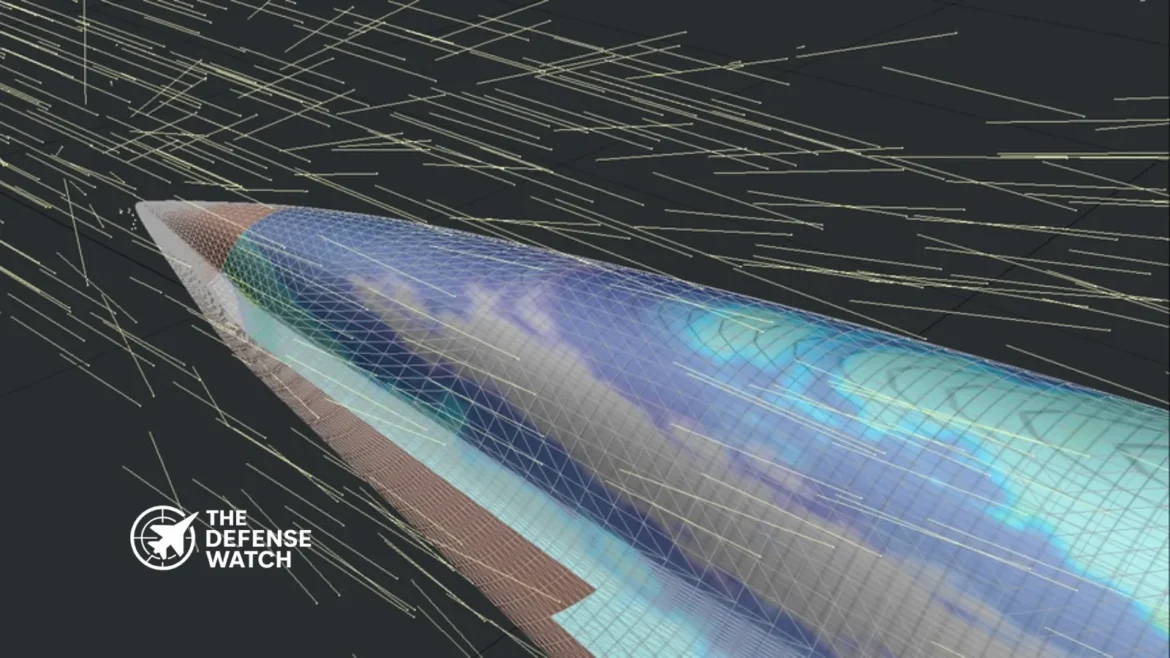
Britain Hypersonic Missile Development Moves Into High Gear
Britain hypersonic missile development is entering a faster phase as the United Kingdom pushes to field next-generation strike capabilities amid intensifying global competition in advanced weapons.
(adsbygoogle = window.adsbygoogle || []).push({});The UK government has confirmed that work on a sovereign hypersonic weapon is being accelerated, with testing activity expected to expand over the coming years. Officials say the effort is part of a broader modernization strategy aimed at maintaining credible deterrence and long-range precision strike options.
According to the UK Ministry of Defence, the program focuses on developing a high-speed missile capable of sustained flight at speeds exceeding Mach 5, with improved survivability against modern air defense systems.
Focus On Speed, Survivability, And Precision
Hypersonic weapons travel at extreme speeds while maneuvering in flight, making them more difficult to track and intercept than traditional ballistic or cruise missiles. Defense planners view the technology as increasingly important in contested environments where integrated air defenses are expanding in range and sophistication.
British officials have emphasized that the hypersonic effort will rely on domestic research and industry partnerships. The program is expected to draw on advances in propulsion systems, thermal protection materials, and guidance technologies.
(adsbygoogle = window.adsbygoogle || []).push({});The UK has already conducted propulsion-related testing, including work on advanced air-breathing engines. These technologies are central to sustained hypersonic cruise capability rather than boost-glide concepts used by some other nations.
While timelines have not been publicly detailed, government statements indicate that operational capability is targeted for the early 2030s.
Strategic Context: A Growing Hypersonic Race
Britain hypersonic missile development comes amid rapid advances by other major powers.
The United States has multiple hypersonic programs underway across the Air Force, Navy, and Army. Meanwhile, Russia has fielded systems such as the Kinzhal and Avangard, and China continues to expand its own hypersonic arsenal.
UK defense leaders have acknowledged that the proliferation of such systems changes the strategic balance. Hypersonic weapons compress decision-making timelines and complicate traditional missile defense architectures.
London’s decision to accelerate development reflects both technological competition and operational necessity. Officials argue that maintaining a credible deterrent requires adapting to new forms of high-speed strike capability.
Integration With Future Air And Maritime Platforms
British planners are evaluating how a future hypersonic weapon could integrate with air and maritime platforms.
The Royal Air Force is expected to play a central role in any air-launched configuration, potentially integrating hypersonic strike into future combat aircraft concepts. The Royal Navy may also consider maritime deployment options as part of its long-range strike portfolio.
(adsbygoogle = window.adsbygoogle || []).push({});The hypersonic initiative aligns with broader UK modernization programs, including next-generation combat air systems and long-range precision weapons development. Officials have stressed that interoperability with allied forces will remain a priority.
Industrial And Allied Collaboration
While the UK is pursuing sovereign capability, collaboration with allies remains part of the broader defense framework.
Under the AUKUS partnership, advanced technologies including undersea systems and cutting-edge capabilities are areas of cooperation between the UK, Australia, and the United States. Although hypersonic development remains primarily national at this stage, shared research and technology exchange could influence future phases.
British industry is expected to benefit from sustained investment in propulsion research, advanced materials, and precision guidance systems. Government officials have framed the program not only as a defense priority but also as a driver of high-technology manufacturing and engineering expertise.
Budget And Policy Alignment
The acceleration of Britain hypersonic missile development follows broader defense spending adjustments aimed at strengthening high-end capabilities.
Recent defense policy reviews have identified long-range precision fires and advanced strike systems as key investment areas. The UK’s Integrated Review refresh emphasized adapting to a more contested global environment, including peer-level competition and emerging technologies.
(adsbygoogle = window.adsbygoogle || []).push({});Although exact program costs have not been disclosed, officials have signaled that funding lines are being protected to ensure sustained progress.
Defense analysts note that hypersonic development programs require long-term investment due to the complexity of propulsion, heat resistance, and testing infrastructure.
Operational Implications
If successfully fielded, a British hypersonic missile would expand the UK’s conventional deterrence options. High-speed, maneuverable strike capability could allow rapid response against time-sensitive targets in contested theaters.
Such systems may also alter force posture planning. With extended range and speed, fewer forward deployments may be required to achieve strategic effects, depending on basing and launch platform decisions.
At the same time, experts caution that hypersonic weapons are not a replacement for existing capabilities. Instead, they are expected to complement cruise missiles, ballistic systems, and air-delivered precision munitions.
Testing And Technology Development
Testing remains a critical phase in Britain hypersonic missile development. Hypersonic flight presents significant engineering challenges, particularly related to thermal loads, structural integrity, and guidance stability at extreme speeds.
The UK has invested in ground-based testing facilities and propulsion trials to mature key components before full-system demonstrations. Expanding testing activity will likely include flight trials in controlled environments.
(adsbygoogle = window.adsbygoogle || []).push({});Defense officials have stated that the goal is to reduce technical risk early in the program cycle to avoid delays later in development.
The Road Ahead
Britain hypersonic missile development signals a long-term commitment to maintaining advanced strike relevance in an increasingly competitive security landscape.
While operational deployment remains years away, the acceleration of research, testing, and industrial engagement reflects the UK’s intent to remain aligned with leading military powers in emerging weapons technology.
As global hypersonic programs continue to advance, the UK’s progress will be closely watched by allies and competitors alike.
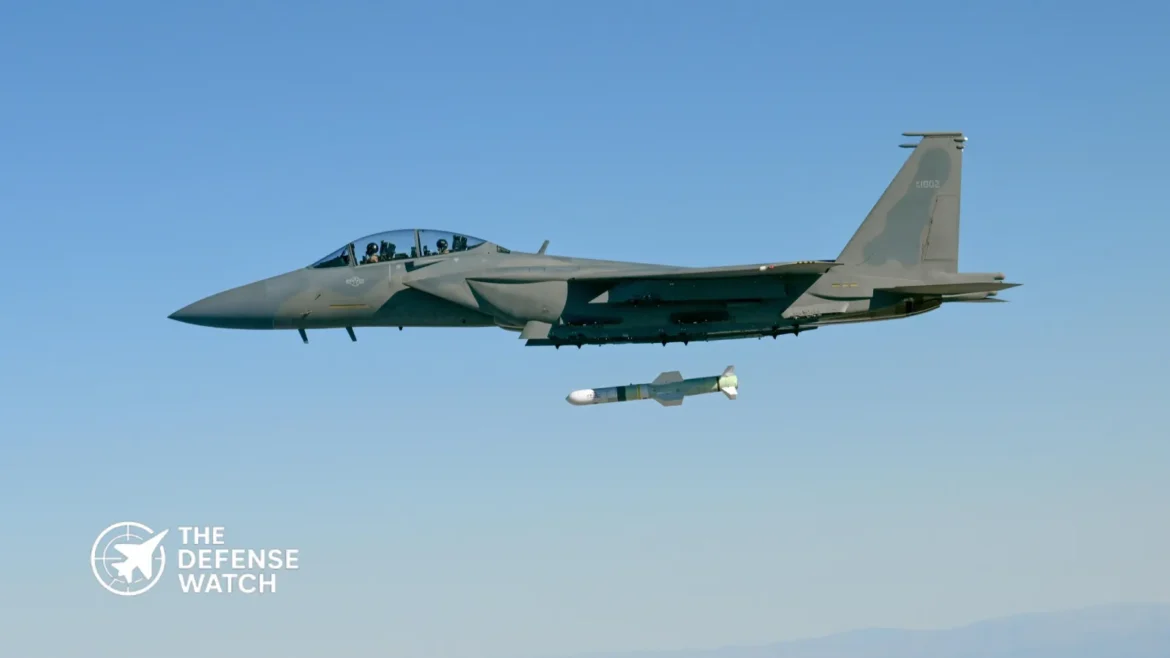
U.S. Navy Completes Final Harpoon Block II Missile Update Test
The U.S. Navy has completed the final update test of the Harpoon Block II missile, marking a key milestone in expanding the weapon’s effectiveness in littoral and land-strike operations. The test confirms the missile’s upgraded guidance, navigation, and mission flexibility as the Navy modernizes legacy strike systems for contested maritime environments.
(adsbygoogle = window.adsbygoogle || []).push({});According to defense industry reporting and U.S. Navy program updates, the successful event concludes the Block II update effort and clears the missile configuration for operational employment across multiple surface combatants.
Harpoon Block II Update Test Overview
The final test validated improvements introduced under the Harpoon Block II upgrade, which adapts the long-serving anti-ship missile for operations closer to shore and against fixed land targets.
Key objectives of the update test included:
- Verification of enhanced GPS aided navigation
- Improved accuracy in cluttered littoral environments
- Validation of land-attack targeting capability
- System compatibility with existing naval launch platforms
The U.S. Navy designed the update to ensure Harpoon remains relevant as peer and near-peer threats increasingly operate within coastal and contested maritime zones.
Expanded Littoral and Land-Strike Capability
Unlike earlier Harpoon variants focused primarily on open-ocean anti-ship warfare, the Block II configuration allows commanders to engage targets in coastal regions with greater precision.
The missile’s guidance enhancements enable:
- Engagement of enemy vessels operating near shorelines
- Precision strikes against fixed land targets such as coastal infrastructure
- Reduced susceptibility to navigational interference in complex terrain
This capability aligns with U.S. Navy doctrine emphasizing distributed maritime operations and flexible strike options for surface forces.
(adsbygoogle = window.adsbygoogle || []).push({});Operational Impact for U.S. Surface Combatants
Harpoon Block II remains integrated on several U.S. Navy platforms, including guided-missile destroyers and cruisers. Completing the final update test ensures the fleet retains a proven, mature strike option alongside newer missile systems.
For forward-deployed naval forces, the updated Harpoon provides:
- A reliable intermediate-range strike capability
- Reduced dependence on higher-cost missile inventories
- Enhanced mission adaptability during joint and coalition operations
The missile’s continued relevance is particularly important as the Navy balances modernization timelines with operational demands across multiple theaters.
Harpoon in the Broader U.S. Navy Missile Portfolio
While the U.S. Navy is fielding newer systems such as the Naval Strike Missile and Long Range Anti-Ship Missile, Harpoon Block II fills a critical role during the transition period.
Defense planners value the missile for:
- Established logistics and training pipelines
- Interoperability with allied navies operating Harpoon variants
- Proven combat reliability and sustainment infrastructure
The final update test confirms that Harpoon Block II can remain operationally viable well into the current decade.
Industry and Program Significance
The completion of the final update test represents the conclusion of a focused modernization effort rather than the introduction of a new missile variant. It underscores the Navy’s approach of extending the utility of proven weapons through targeted upgrades.
(adsbygoogle = window.adsbygoogle || []).push({});This strategy allows rapid capability enhancement without the cost and timeline risks associated with full system replacement, a key consideration amid rising global naval competition.
What Comes Next
With testing complete, the updated Harpoon Block II configuration is expected to support fleet operations without further developmental trials. The Navy will continue integrating the missile into operational planning while newer strike systems are fielded in parallel.
The successful test also reinforces confidence in legacy system upgrades as a cost-effective method of sustaining combat readiness.
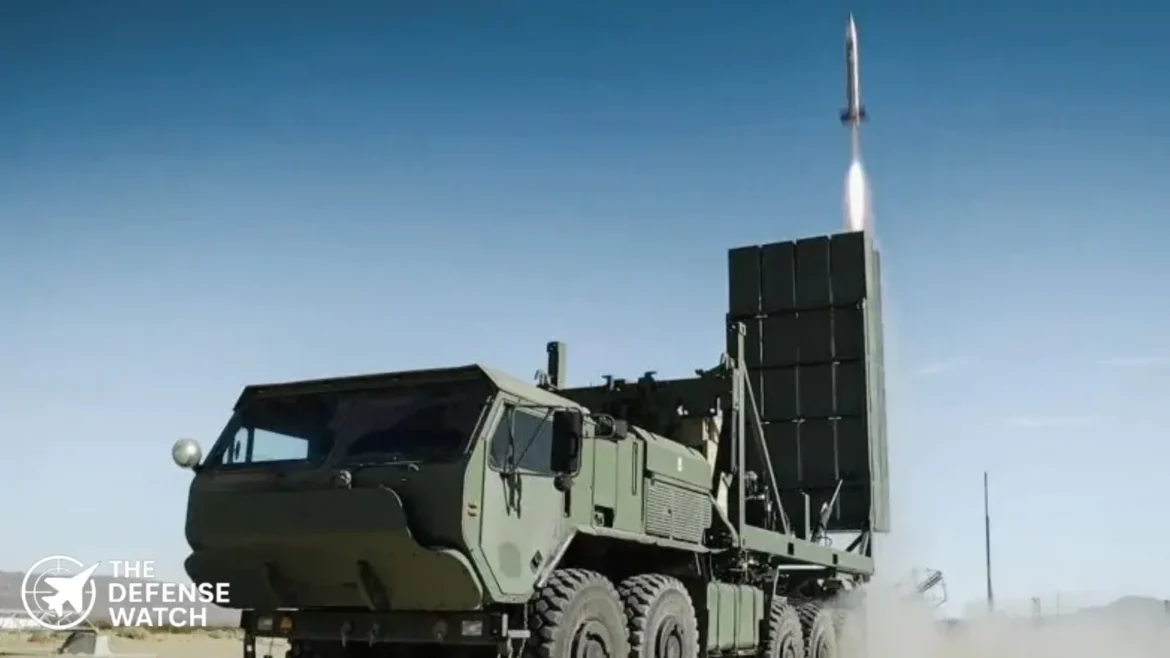
Castelion Project Ranger Hypersonic Campus Takes Shape in New Mexico
Castelion Project Ranger hypersonic campus construction has officially begun in New Mexico, marking a major step in expanding US hypersonic weapons development and testing capacity. The privately funded facility represents a 220 million investment aimed at accelerating design, manufacturing, and flight testing of advanced hypersonic strike systems for the US Department of Defense.
The project reflects growing urgency within the Pentagon to close capability gaps with near peer competitors, particularly China and Russia, both of which have fielded operational hypersonic systems in recent years.
Building a Dedicated Hypersonic Development Hub
The Project Ranger campus is being developed as a fully integrated hypersonic research and production site. According to details released by Castelion, the facility will support the full lifecycle of hypersonic weapon development, from early design and rapid prototyping to ground testing and flight operations.
The campus will include manufacturing halls, propulsion development infrastructure, systems integration labs, and secure test preparation areas. Its location in New Mexico provides access to wide open test corridors and proximity to existing US military test ranges, a critical factor for hypersonic flight programs.
Castelion has positioned Project Ranger as a response to long standing concerns inside the US defense establishment about fragmented hypersonic development pipelines. By consolidating multiple functions at one site, the company aims to shorten development timelines and reduce costs.
Strategic Importance for US Hypersonic Modernization
Hypersonic weapons, typically defined as systems capable of sustained flight above Mach 5 while maintaining maneuverability, are a central pillar of US military modernization plans. These weapons promise the ability to penetrate advanced air and missile defenses and deliver time sensitive effects at long range.
The US Department of Defense has acknowledged that existing acquisition models have struggled to keep pace with the rapid iteration cycles seen in commercial aerospace. Castelion, founded by former SpaceX engineers, is attempting to apply commercial style development methods to military strike systems.
Project Ranger aligns closely with Pentagon initiatives that emphasize speed, iterative testing, and lower cost experimentation. US officials have repeatedly stressed the need for industrial partners that can move beyond traditional prime contractor timelines.
New Mexico Role in Advanced Weapons Testing
New Mexico has long played a key role in US weapons research and testing, hosting major national laboratories and military ranges. The decision to locate the Project Ranger hypersonic campus in the state reinforces its position as a hub for advanced defense technology.
State and local officials have highlighted the economic impact of the project, including high skill engineering jobs and long term infrastructure investment. While Castelion has not disclosed exact employment figures, the scale of the campus suggests a substantial workforce focused on propulsion, guidance systems, materials science, and flight test operations.
The site is expected to support frequent test campaigns, an area where US hypersonic programs have faced setbacks due to limited test availability and range congestion.
Castelion Position in the US Defense Industrial Base
Castelion has emerged as one of several new defense focused startups seeking to challenge established primes in missile and strike system development. The company has secured interest from the Department of Defense for its approach to rapid development of long range precision weapons, including hypersonic glide and boost systems.
By privately funding the Project Ranger hypersonic campus, Castelion is signaling long term commitment to becoming a major supplier within the US missile industrial base. This model reduces early reliance on government infrastructure and allows the company to maintain tighter control over development schedules.
Defense analysts note that such investments reflect broader Pentagon efforts to diversify suppliers and reduce dependency on a small number of legacy contractors.
Implications for Global Hypersonic Competition
The launch of Project Ranger comes amid intensifying global competition in hypersonic weapons. China has conducted extensive testing of hypersonic glide vehicles and fractional orbital systems, while Russia has fielded multiple hypersonic platforms, including air launched and sea based variants.
US officials continue to emphasize that maintaining credible deterrence requires not only fielding hypersonic weapons, but also building a resilient and scalable industrial base. Facilities like the Castelion Project Ranger hypersonic campus are increasingly viewed as critical enablers of that goal.
The campus may also serve as a testbed for future counter hypersonic technologies, an area of growing concern for US and allied forces.

Norway selects Hanwha K239 long range weapon system
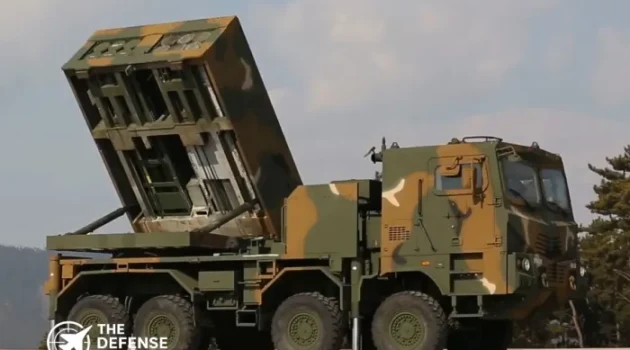
Norway has selected the Hanwha K239 long range weapon system as its future long range fires capability, choosing the South Korean solution over competing offers from European and US industry. The decision was confirmed through an official announcement by Norwegian defense authorities, marking one of the most significant artillery and missile acquisitions in Europe in recent years.
(adsbygoogle = window.adsbygoogle || []).push({});The contract is valued at roughly two billion dollars and covers sixteen launchers, three types of missiles with ranges up to five hundred kilometers, as well as full logistics, training, and support packages. According to the official statement, Hanwha was the only bidder that met all Norwegian requirements related to performance, delivery timelines, and overall cost.
The selection concludes a lengthy competition under Norway’s long range weapon system program, aimed at strengthening national deterrence and improving the ability to conduct deep precision strikes in support of NATO operations.
Only bidder to meet all requirements
Norwegian officials stated that Hanwha’s proposal was the sole offer that fully complied with operational and industrial criteria. These included missile range, accuracy, system maturity, delivery schedules, and life cycle costs.
SAAB and Boeing did not submit a bid by the March 2025 deadline. Norway also examined the option of acquiring HIMARS through Lockheed Martin via the US Foreign Military Sales process, but no final proposal was pursued. KNDS, offering a European alternative, was reportedly eliminated from the competition in June 2025.
The outcome reflects a growing emphasis among European militaries on systems that are already in service, available at scale, and supported by established production lines.
Delivery timeline and system scope
Under the current plan, Hanwha will deliver the K239 launchers to Norway by 2029, with missile deliveries scheduled to begin by 2031. The acquisition includes three different missile types, allowing the Norwegian Armed Forces to conduct a wide range of missions from conventional precision fires to longer range strike operations.
The K239 multiple rocket launch system is designed to fire various classes of guided and unguided munitions. This flexibility was a key factor in Norway’s evaluation, as the armed forces seek a system that can adapt to evolving threats and mission profiles over the coming decades.
Growing European user base
Norway’s decision adds to a rapidly expanding European footprint for the K239 system. Hanwha recently signed a contract with Estonia, and Poland has already fielded the system at scale. Estonia and Norway are expected to participate in joint training exchanges with Polish forces, focusing on system operation, tactics, and sustainment.
A rocket manufacturing facility operated by Hanwha WB Advanced Systems is scheduled to be built in Poland. Ammunition produced at this site will be supplied to multiple users of the K239 family, strengthening regional supply chains and reducing dependence on external sources during crises.
This industrial setup aligns with broader NATO goals to expand European defense production capacity and ensure sustained access to key munitions.
Global deployment and production scale
The K239 is currently in operational service in South Korea, Poland, the United Arab Emirates, and Saudi Arabia. Alongside the US made HIMARS, it is among the most widely produced modern rocket artillery systems in the world.
Hanwha is actively marketing the K239 to countries across Northern Europe, the Baltic region, Eastern Europe, the Middle East, and Asia. Potential and existing customers include Latvia, Lithuania, Finland, Sweden, Egypt, the Philippines, and Malaysia.
The system’s appeal lies in its modular design, compatibility with different missile types, and the ability to integrate into NATO command and control architectures.
Strategic implications for Norway and NATO
For Norway, the acquisition significantly enhances long range strike capability at a time of heightened security concerns in Northern Europe. The ability to hold targets at extended ranges supports deterrence, improves joint operations with allies, and complements air and maritime strike assets.
(adsbygoogle = window.adsbygoogle || []).push({});From a NATO perspective, the selection of a non US system underscores the alliance’s growing diversification of suppliers, while still maintaining interoperability. It also highlights South Korea’s rising role as a major global defense exporter, particularly in land based firepower and missile technologies.
Hanwha Group offers capabilities across tactical, operational, and strategic missile domains. The company is also promoting advanced air and missile defense systems, including high altitude interception solutions such as L SAM and L SAM II, though these were not part of the Norwegian competition.
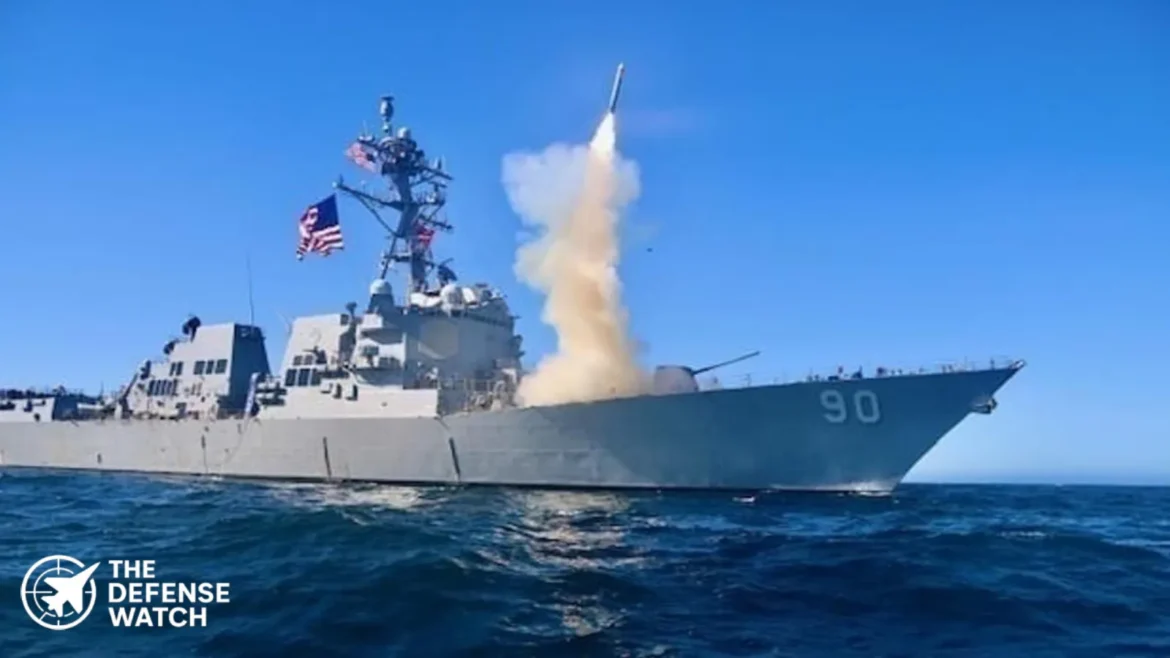
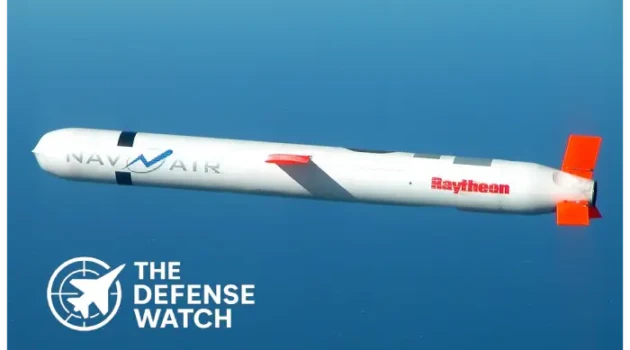
Raytheon has secured a major Tomahawk missile modernization contract as the U.S. Navy moves to extend the service life and readiness of its long range strike inventory. The Navy awarded Raytheon Co. a contract modification valued at $380.8 million, bringing the total definitized value of the program to $476.5 million, according to a U.S. Department of Defense contract announcement.
(adsbygoogle = window.adsbygoogle || []).push({});The award reinforces the Tomahawk missile’s role as a core element of U.S. naval strike capability, while highlighting the Navy’s focus on sustainment, recertification, and modernization rather than near term replacement.
Contract Details and Scope
The contract modification, identified as P00010 under contract number N0001925C0071, is structured as a fixed price incentive and firm fixed price agreement. It definitizes earlier work and expands the scope to cover Lot Five and Lot Six Tomahawk missile recertification and modernization.
Key elements of the contract include:
- Recertification and modernization of Tomahawk missiles from Lot Five and Lot Six
- Depot level operations and sustainment activities
- Procurement of recertification hardware
- Delivery of Tomahawk spares and replacement components
- Support for rotable pool assets to improve fleet availability
The work supports both U.S. service requirements and Foreign Military Sales customers, reflecting the missile’s continued relevance across allied naval forces.
Naval Air Systems Command at Patuxent River, Maryland, is the contracting activity.
Work Locations and Schedule
Contracted work will be distributed across a broad industrial base in the United States and Canada, underscoring the program’s economic footprint and supply chain complexity.
Primary work locations include:
- Tucson, Arizona, 30 percent
- Boulder, Colorado, 28 percent
- Pontiac, Michigan, 11 percent
- Lincoln, Nebraska, 6 percent
- Clearwater, Florida, 6 percent
- Irvine, California, 5 percent
- East Camden, Arkansas, 3 percent
- Keyser, West Virginia, 2 percent
Smaller portions of work will occur in Arizona, Arkansas, California, and Ontario, Canada, along with other continental U.S. locations.
The Navy expects contract performance to continue through April 2029, aligning with long term fleet sustainment plans for surface combatants and submarines equipped with Tomahawk missiles.
Funding Breakdown
Funding for the Tomahawk missile modernization contract comes from multiple procurement accounts across fiscal years 2024 and 2025, as well as Foreign Military Sales funding.
Obligated amounts at the time of award include:
- $7.3 million from fiscal 2024 Army missile procurement funds
- $4.8 million from fiscal 2024 Marine Corps procurement funds
- $202.1 million from fiscal 2024 Navy weapons procurement funds
- $155.0 million from fiscal 2025 Navy weapons procurement funds
- $99.4 million from Foreign Military Sales funds
Of the total obligated amount, $214.2 million is set to expire at the end of the current fiscal year.
The contract was not competed, reflecting Raytheon’s role as the original equipment manufacturer and sole integrator for the Tomahawk missile system.
Strategic Importance of the Tomahawk Program
The Tomahawk missile remains one of the U.S. Navy’s most flexible and widely deployed strike weapons. Capable of land attack missions from both surface ships and submarines, the missile provides commanders with a long range, precision strike option without risking manned aircraft.
Modernization and recertification efforts are essential as the Navy seeks to maintain credible strike capacity amid rising global competition. Rather than retiring older missile lots, the Navy has opted to extend their operational life through refurbishment, software updates, and component replacement.
According to Navy budget documents and Congressional testimony, Tomahawk upgrades support improved reliability, maintainability, and compatibility with evolving command and control systems.
Raytheon’s Role and Industrial Base Impact
Raytheon, now operating as part of RTX, has been the prime contractor for the Tomahawk program for decades. The company is responsible for missile production, integration, sustainment, and life cycle support.
This latest Tomahawk missile modernization contract further cements Raytheon’s position as a central player in U.S. naval strike systems. It also sustains high skill manufacturing and engineering jobs across multiple states, aligning with Pentagon goals to preserve critical defense industrial capabilities.
Defense officials have consistently emphasized the importance of maintaining production lines and sustainment expertise for proven weapons systems, especially as demand for precision munitions continues to grow.
Broader Navy Modernization Context
The Tomahawk investment comes as the Navy balances new weapon development with upgrades to existing platforms. While hypersonic weapons and next generation missiles are under development, officials have stressed that mature systems like Tomahawk will remain in service well into the next decade.
Modernization programs allow the Navy to manage costs, maintain readiness, and avoid capability gaps while newer systems progress through testing and integration.
In this context, the Raytheon Tomahawk missile modernization contract reflects a pragmatic approach to force structure and long range strike planning.

A U.S. Air Force B-52H Stratofortress was recently observed carrying what appears to be the AGM-181 Long-Range Standoff (LRSO) nuclear cruise missile during a test flight over California. The sighting, which occurred near Edwards Air Force Base, marks one of the most visible demonstrations to date of the next-generation stealth weapon designed to replace the aging AGM-86B Air-Launched Cruise Missile (ALCM). The event comes days after Russia conducted another test of its nuclear-powered Burevestnik cruise missile, underscoring intensifying global nuclear signaling.
Background: Modernizing the Nuclear Triad
The AGM-181 LRSO is a central pillar of the U.S. strategic modernization program, intended to ensure the viability of the bomber leg of the nuclear triad well into the 2050s. Developed by Raytheon, the LRSO incorporates low-observable features aimed at penetrating advanced air defense systems deployed by peer adversaries such as China and Russia.
It will replace the AGM-86B, first fielded in the 1980s and increasingly vulnerable to modern radar networks and missile defenses. While the program has been largely classified, previously released Air Force statements confirm that LRSO is intended to provide a highly survivable, long-range nuclear strike capability.
Test Details and Observations
Photographs captured by defense observers showed the B-52H carrying a missile shape consistent with earlier conceptual models of the AGM-181. The missile’s contour, inlet configuration, and surface finish align with previously disclosed renderings from industry briefings. The Air Force has not formally confirmed the details of the flight but has acknowledged ongoing developmental testing for the LRSO program.
According to program officials, LRSO flight testing is expected to intensify in the years ahead as the weapon progresses toward initial operational capability in the early 2030s. The Air Force continues to integrate the missile with upgraded B-52H bombers, which are undergoing radar, communications, and engine modernization to support the next generation of nuclear and conventional missions.
Although the missile carried during the test was almost certainly an inert or captive-carry test article, such flights are essential for validating missile aerodynamics, fit, weight distribution, and aircraft flight characteristics.
Global Context: Moscow Conducts Burevestnik Test
The appearance of the AGM-181 over California follows Russia’s latest test of the 9M730 Burevestnik, a nuclear-powered, theoretically unlimited-range cruise missile. While the operational status of Burevestnik remains uncertain, its continued testing is widely seen as part of Moscow’s ongoing strategic messaging.
The timing of both nations’ missile activities has raised concerns among analysts about escalatory cycles in nuclear signaling. However, U.S. officials maintain that the LRSO program is a long-planned modernization effort rather than a response to any specific Russian action.
Expert and Policy Perspectives
Defense analysts say the LRSO is designed to ensure that U.S. bombers retain the ability to strike heavily defended targets even as adversaries deploy integrated air defense systems featuring long-range radars, high-speed interceptors, and counter-stealth sensors.
Dr. Aaron Miles, a former Pentagon nuclear policy official, has previously noted that the LRSO is crucial for maintaining credible deterrence because it “complicates adversary planning and preserves the bomber force’s ability to penetrate contested airspace.”
Similarly, a 2023 Congressional Research Service report emphasized that replacing the AGM-86B is essential due to reliability concerns and the missile’s declining ability to evade detection. The LRSO, by contrast, is expected to incorporate advanced guidance, signature reduction, and electronic protection measures.
Strategic Implications
The U.S. bomber fleet is undergoing one of its most significant modernization cycles in decades. In addition to the LRSO, the B-52H is being updated with new F130 engines, an active electronically scanned array (AESA) radar, and digital cockpit systems. Simultaneously, the Air Force is preparing the B-21 Raider stealth bomber for operational debut later this decade.
The LRSO will be compatible with both the B-21 and the B-52H, giving planners greater flexibility in matching platforms with mission requirements.
The latest test reinforces Washington’s commitment to sustaining its long-range nuclear strike capabilities at a time of increasing global competition. China continues to expand its nuclear arsenal, and Russia maintains a diverse inventory of air-, sea-, and ground-launched nuclear systems.
What’s Next
Further developmental tests of the AGM-181 LRSO are expected throughout the late 2020s, leading to low-rate initial production early next decade. Once fielded, the LRSO will become the primary air-launched nuclear weapon of the U.S. bomber force, replacing the ALCM after nearly five decades of service.
The Air Force will likely accelerate integration work across the bomber fleet as part of broader triad modernization efforts aimed at deterring peer competitors in a rapidly evolving threat environment.