Army Speeds Counter-Drone Procurement and Fielding
The U.S. Army is tightening the link between counter-drone operational requirements and its acquisition system, seeking to reduce the time needed to identify, evaluate and procure technologies that can defeat unmanned aircraft.
The effort involves Joint Interagency Task Force 401 (JIATF 401), the Department of War organization responsible for coordinating counter-unmanned aircraft systems (C-UAS) initiatives, and Army acquisition officials. The partnership fits a wider push to move suitable technologies from testing into service without relying exclusively on lengthy, platform-specific procurement programs.
The immediate challenge is not simply finding equipment capable of stopping a drone. Military planners must also determine which systems work against particular threats, how they integrate with existing defenses and whether they can be delivered in sufficient numbers to meet operational demand.
Connecting battlefield requirements to procurement
Counter-drone systems cover a broad range of technologies, including radar, electro-optical sensors, electronic warfare equipment, command-and-control software and weapons designed to intercept or disable unmanned aircraft.
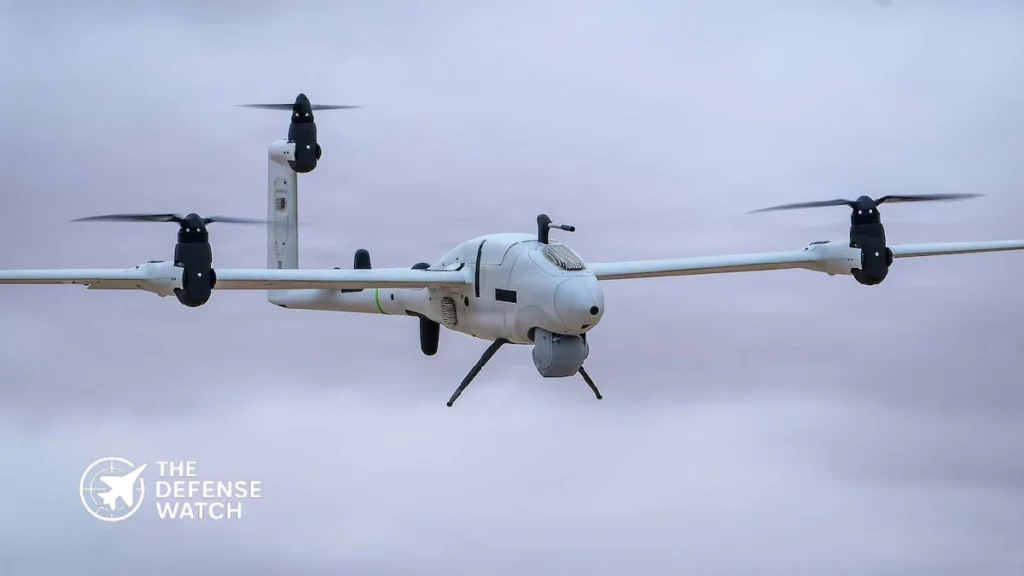
These capabilities serve different purposes. Sensors help detect and track a target, while command systems combine information and coordinate a response. Defeat systems then use kinetic or non-kinetic methods to stop the aircraft, depending on the threat and operational circumstances.
A weakness in any part of this sequence can undermine the overall defense. A capable interceptor, for example, is of limited use if a target is detected too late or tracking information cannot reach the engagement system.
The Army’s cooperation between operational task force personnel and acquisition specialists is intended to connect these requirements with procurement decisions. That can help officials distinguish technologies that are ready for near-term use from those that still require development, integration or further testing.
The exact administrative changes, additional funding and implementation deadlines associated with the latest partnership were not independently established in the material available for this report.
A recent test shows how the process can work
The Army said the evaluation used common counter-UAS characterization criteria to generate comparable performance data. Following the assessment, JIATF 401 awarded a contract for Lockheed Martin’s Grizzly system. The public account did not provide a complete breakdown of comparative test results or establish the system’s deployment schedule.
The test illustrates why acquisition coordination matters. Rather than judging systems solely on vendor specifications or demonstrations, a standardized evaluation can give procurement officials a common basis for comparing performance against defined threats.

It also provides a way to connect operational feedback with purchasing decisions. However, success in a controlled test does not by itself establish effectiveness across every battlefield environment, where weather, electronic interference, terrain, target behavior and the presence of multiple drones can complicate engagements.
Domestic Shield expands access to counter-drone equipment
The Army’s broader counter-UAS procurement efforts also include Domestic Shield, a Department of War initiative intended to strengthen protection for selected U.S. military facilities and critical defense assets.
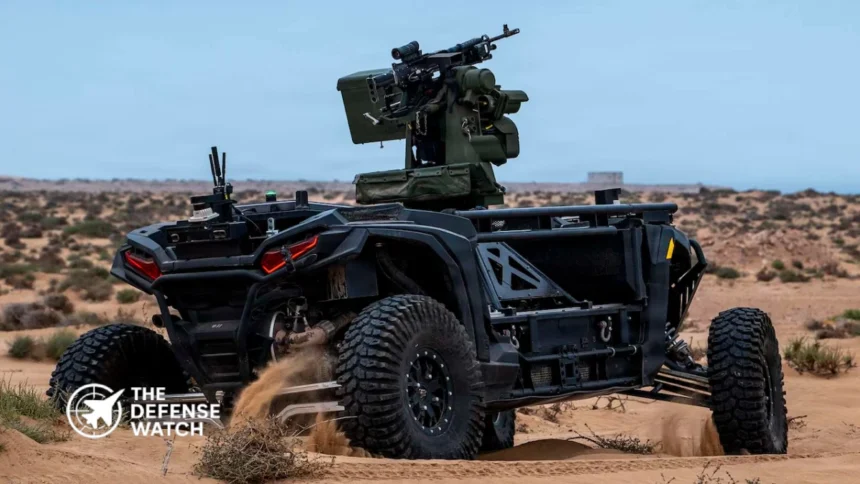
On September 29, the Army announced multiple-award indefinite-delivery, indefinite-quantity contracts covering a range of counter-drone technologies. The awards included companies providing optical targeting equipment, radar, tracking cameras and automated weapon stations.
The announced base award amounts included $500 million for each of several suppliers, with smaller base awards for others. These figures are contract ceilings or ordering arrangements, not evidence that the full amounts have already been spent or that equipment has been delivered in equivalent quantities.
The marketplace approach is intended to give government customers access to competing technologies rather than committing every requirement to one supplier or system architecture. The Army has also emphasized open architecture, an approach intended to make it easier to integrate equipment from different vendors.
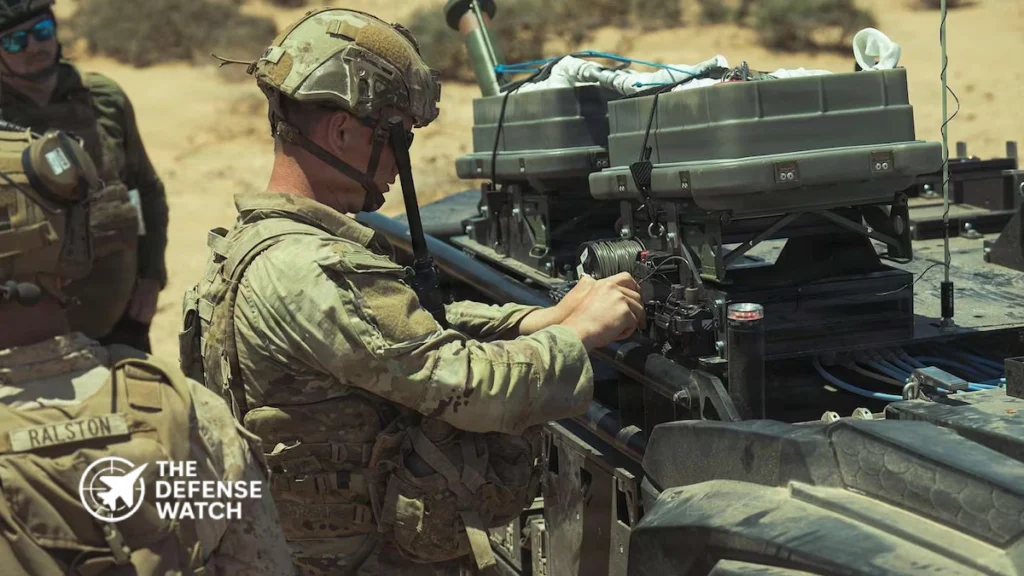
That flexibility could matter as counter-drone technology evolves. A force may need to combine sensors from one supplier with electronic warfare equipment or interceptors from another, while retaining the ability to replace individual components as threats change.
The challenge is ensuring that interoperability works in practice. Different systems must exchange useful data, follow compatible procedures and meet security and reliability requirements. A procurement framework that offers multiple products does not automatically guarantee that they will operate together effectively.
The cost and scale problem remains
The growing use of relatively inexpensive unmanned aircraft creates a difficult procurement problem for military forces. Defending against a drone with a costly missile may be justified when the target poses a serious threat, but repeating that approach against large numbers of low-cost aircraft can quickly consume limited interceptor stocks and budgets.
A layered defense can distribute the burden across different systems. Electronic warfare may disrupt some drones, guns or specialized interceptors may engage others, and longer-range air defense systems can be reserved for threats that warrant their use. The appropriate response depends on the aircraft, its guidance method, the surrounding environment and the defender’s rules of engagement.
The Army’s acquisition efforts therefore need to consider more than the ability to defeat an individual target. Procurement officials must also assess operating costs, ammunition availability, maintenance demands, training requirements and the time needed to replenish equipment.
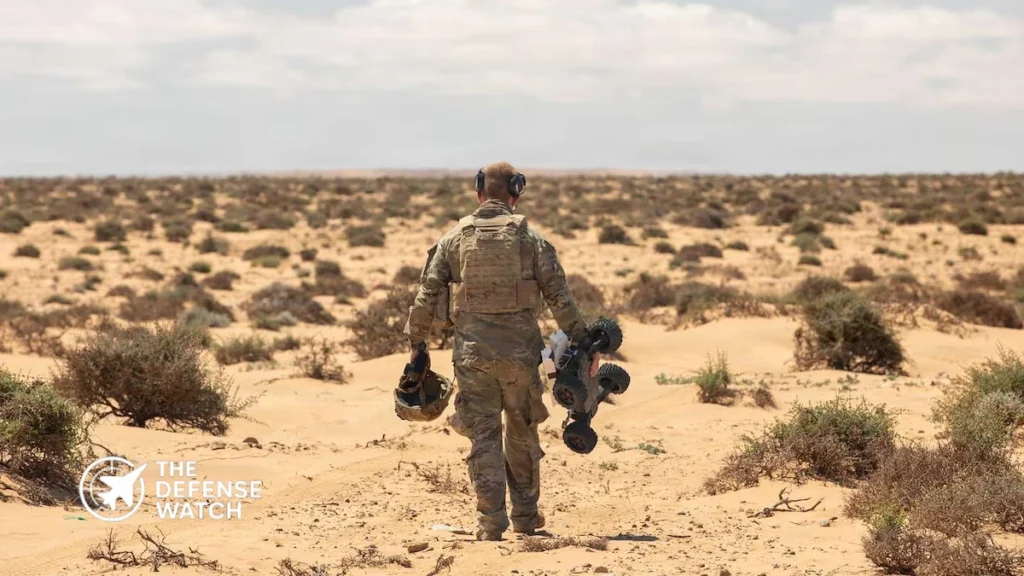
The available public information does not establish a single cost-per-engagement target for the latest partnership. Nor does it show how much the new arrangement will reduce procurement timelines compared with previous acquisition methods.
What will determine the partnership’s impact?
The key measure will be whether the Army can translate operational requirements into equipment that units can use, maintain and integrate with existing defenses.
Three areas will be particularly important:
- Testing and validation: Systems need to demonstrate performance against representative threats, not just manufacturer-defined scenarios.
- Integration: Sensors, command networks and defeat systems must exchange information reliably, including when several drones approach at once.
- Sustained procurement: Contracts must lead to available equipment, trained operators, maintenance support and adequate supplies of consumables.
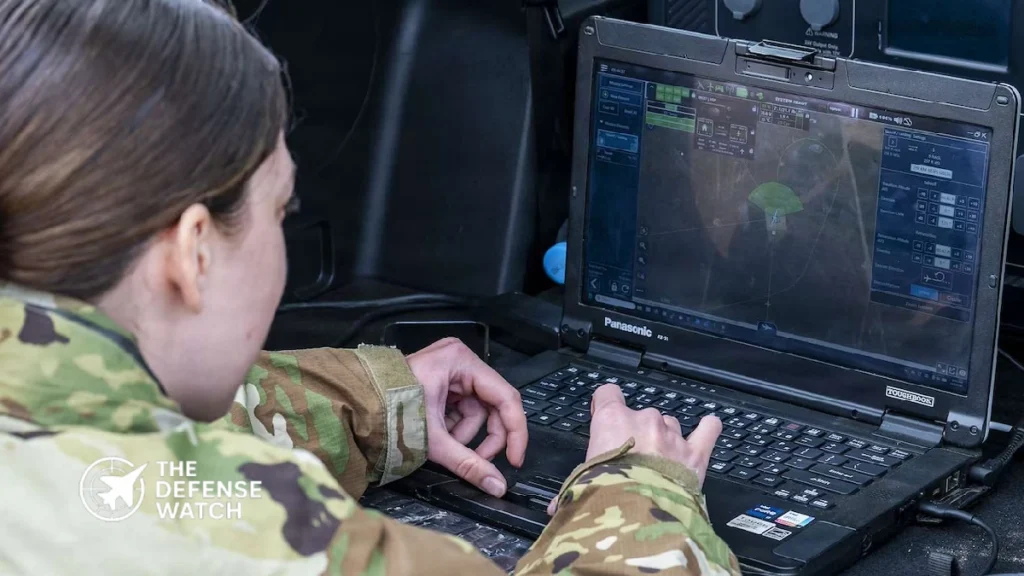
The Army’s September test and Domestic Shield awards provide evidence of parallel efforts to evaluate counter-drone systems and expand procurement access. They do not, by themselves, establish how much faster the latest partnership will deliver operational capability.
For now, the significance of the acquisition initiative rests on its ability to close the gap between identifying a counter-drone requirement and equipping the personnel responsible for meeting it. The results will depend on validated performance, integration and delivery, rather than the number of systems considered or contract awards announced.