Hegseth Visits Knoxville to Thank New U.S. Military Recruits
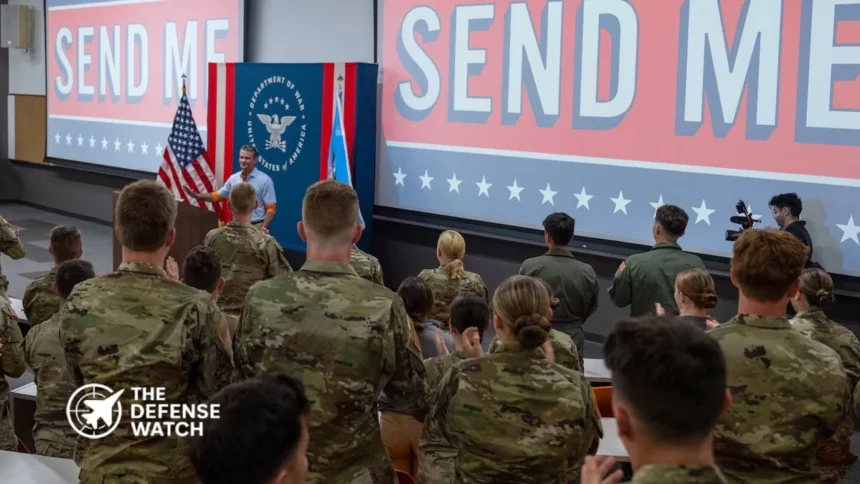
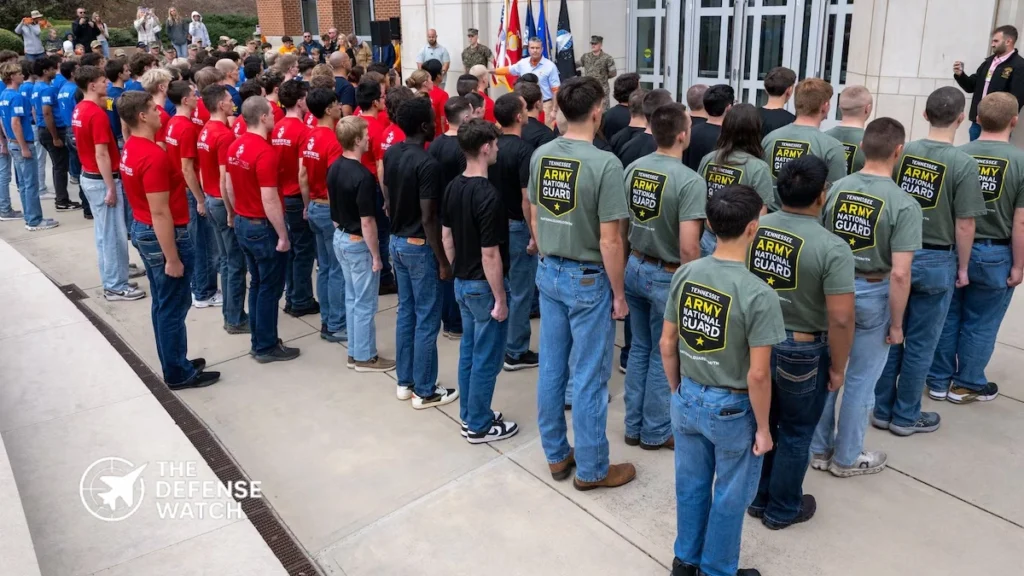
KNOXVILLE, Tennessee, October 19, 2026: U.S. Secretary of War Pete Hegseth administered the military oath of enlistment to new recruits and addressed Reserve Officers’ Training Corps (ROTC) cadets at the University of Tennessee on October 17, using the visit to emphasize military readiness, discipline, leadership and the responsibilities of service.
The visit formed part of Hegseth’s Send Me Tour, an outreach initiative intended to connect the department’s leadership with prospective service members, military units and ROTC programs. Hegseth also attended the University of Tennessee’s football game against the University of Alabama.
According to the War Department’s October 2026 report, Hegseth told the audience that the military must provide personnel with the preparation, discipline and equipment needed to perform their duties effectively. His remarks focused on the relationship between leadership, military standards and operational readiness.
Training and readiness at the center of Hegseth’s message
Hegseth described restoring what he calls the military’s warrior ethos as a priority. He identified standards, discipline, readiness, training and lethality as central elements of that approach.
He also argued that military effectiveness depends on consistent accountability and merit-based standards. These remarks reflect his stated leadership priorities, rather than an announcement of a new training program or a change to military recruitment policy.
The distinction matters because military readiness is broader than recruitment numbers. New personnel must complete initial training, develop job-specific skills and become proficient in the equipment and procedures required for their assignments. ROTC cadets must also complete their commissioning requirements before entering the officer corps.
Hegseth’s comments placed responsibility on military leadership to prepare service members for those demands.
Hegseth links leadership to trust and accountability
Hegseth also discussed the responsibility military leaders have toward the personnel under their command. He described a leadership principle he called the golden rule, arguing that commanders should treat service members in the same way they would want their own sons or daughters to be treated.
He connected that principle to the obligation to provide proper training, preparation and support. The message addressed both operational effectiveness and the trust between military personnel, their commanders and the families who send them into service.
That relationship can affect unit performance. Personnel need confidence that their leaders will enforce standards consistently, make sound decisions and provide the resources needed to accomplish assigned missions.
Hegseth said military leaders should focus on shared purpose, commitment to the Constitution and teamwork rather than divisions within the force.
Equipment and procurement remain part of the readiness challenge
Hegseth’s pledge to provide troops with the tools they need to be effective also touches on a wider defense management issue: translating procurement decisions into usable capabilities at the unit level.
Modern military readiness depends on more than purchasing equipment. Services must also provide ammunition, spare parts, maintenance support, qualified instructors and recurring training. Equipment that arrives late or lacks adequate logistical support may not deliver its intended operational value.
However, the Knoxville visit did not establish a new procurement commitment, identify a specific weapons system or disclose additional defense spending. The available reporting describes a leadership and recruitment engagement, not a contract announcement or acquisition policy change.
That distinction is important when assessing the practical effect of the secretary’s remarks. His stated priorities indicate the outcomes he expects from military leadership, but the visit alone does not demonstrate that readiness levels or equipment availability have changed.
What the visit says about military recruitment
The appearance also served as a public recognition of young Americans choosing military service. Events involving recruits and ROTC cadets allow senior officials to communicate the expectations associated with military careers and reinforce the importance of service.
For the armed forces, attracting recruits is only one part of maintaining force strength. Retaining trained personnel, developing experienced leaders and ensuring that units can deploy when required are equally important to long-term readiness.
Hegseth’s message in Knoxville emphasized the commitment expected from new service members and the responsibility of senior leaders to prepare them for their duties.
The measurable impact of that message will depend on how consistently the stated priorities are reflected in training, leadership practices, equipment delivery and support for the force.