
- ► Seven governments and the United States jointly condemn Iran missile and drone attacks across multiple Middle East states.
- ► Strikes reportedly targeted sovereign territory in Bahrain, Iraq including the Kurdistan Region, Jordan, Kuwait, Oman, Qatar, Saudi Arabia, and the UAE.
- ► Governments cite violations of sovereignty and risks to civilians and civilian infrastructure.
- ► Air and missile defense cooperation credited with limiting casualties and physical damage.
- ► Signatories reaffirm right to self defense and commitment to regional security.
Iran Missile And Drone Attacks Condemned By US And Regional Allies
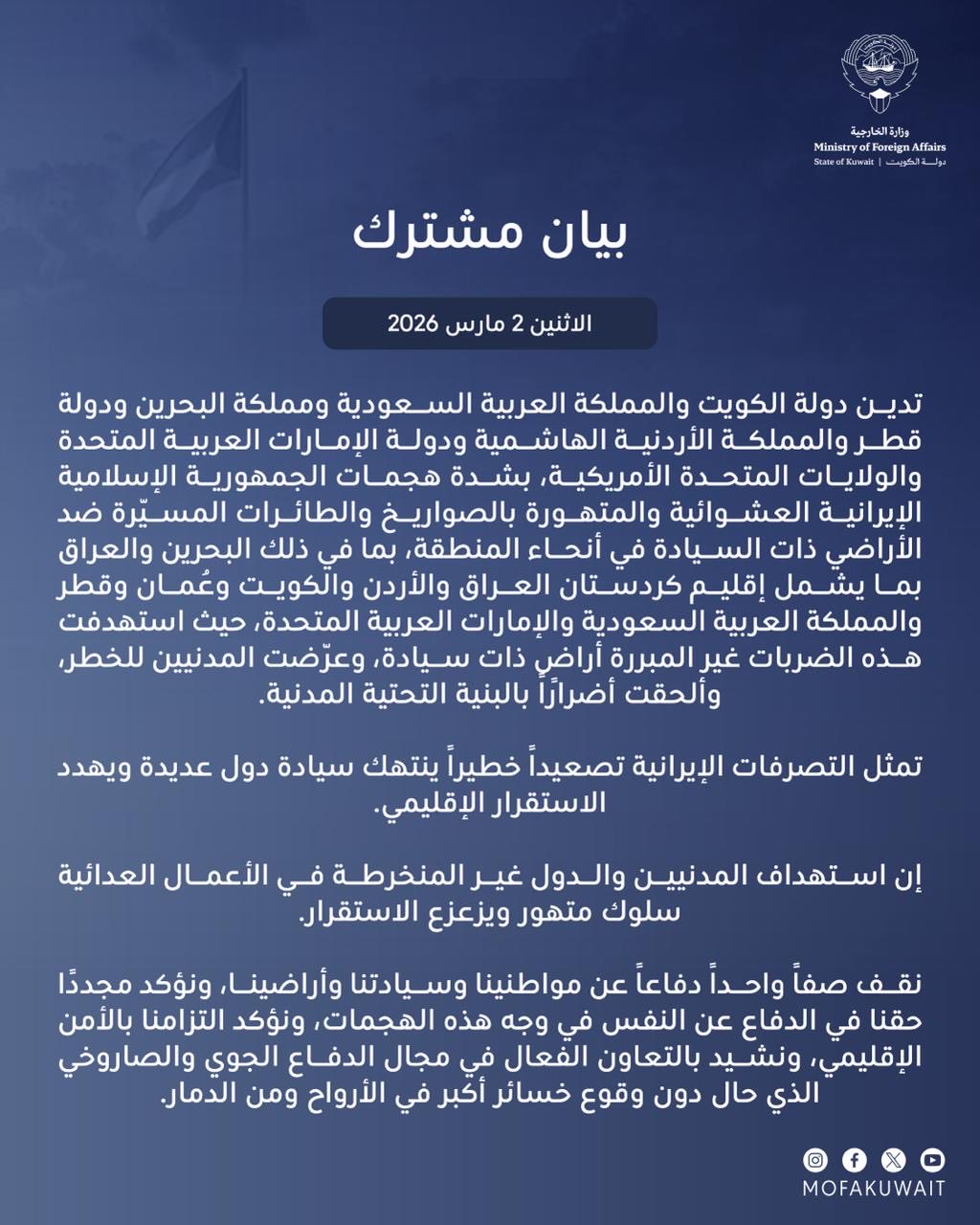
Iran missile and drone attacks across the Middle East drew a coordinated diplomatic response Monday, as the United States of America and six Arab states issued a joint statement condemning what they described as indiscriminate strikes against sovereign territory.
The statement was released by the State of Kuwait, the Kingdom of Saudi Arabia, the Kingdom of Bahrain, the State of Qatar, the Hashemite Kingdom of Jordan, the United Arab Emirates, and Washington.
The governments said missiles and drones launched by the Islamic Republic of Iran struck or targeted Bahrain, Iraq including the Kurdistan Region, Jordan, Kuwait, Oman, Qatar, Saudi Arabia, and the UAE. They described the attacks as unjustified and warned that such actions threaten regional stability.
The joint statement emphasized the right to self defense and praised coordinated air and missile defense efforts that officials say prevented wider casualties and infrastructure damage.
Coordinated Diplomatic And Military Messaging
The Iran missile and drone attacks mark one of the broadest multi state condemnations in recent years. By issuing a single joint statement, Washington and Gulf partners signaled alignment not only on the legal framing of sovereignty violations but also on practical defense cooperation.
Officials described the strikes as reckless and said they endangered civilians and non combatant states. While casualty figures were not detailed in the statement, the emphasis on civilian infrastructure suggests attempted or actual impacts on energy, transport, or population centers.
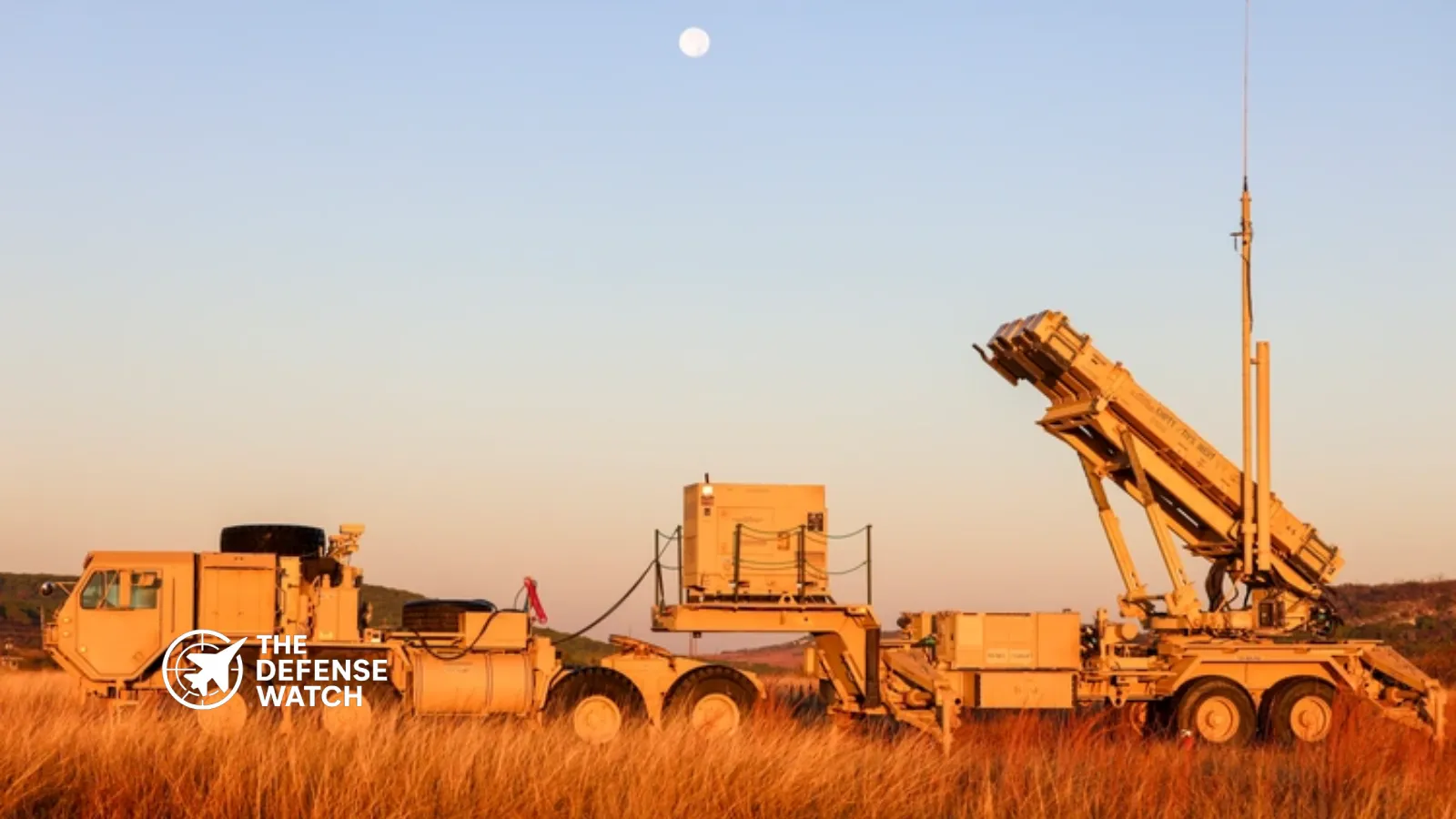
The coordinated response reflects a pattern that has emerged since earlier regional missile crises. Gulf Cooperation Council members have steadily expanded integrated air defense discussions with the United States. According to past reporting by the US Department of Defense and Congressional Research Service, Gulf states operate layered systems that include Patriot and other surface to air interceptors, alongside early warning radars and US provided command and control support.
The reference to effective cooperation in air and missile defense indicates that intercept operations likely occurred across multiple jurisdictions. In previous incidents, US Central Command has confirmed cross border tracking and data sharing among partner nations.
Strategic Implications For Regional Missile Defense
From a military standpoint, the Iran missile and drone attacks underscore the continued relevance of integrated air and missile defense across the Gulf.
Iran maintains a large inventory of ballistic missiles, cruise missiles, and armed unmanned aerial systems, as documented in assessments by the US Defense Intelligence Agency. The use of mixed salvos, combining drones and missiles, is designed to complicate detection and interception.
The joint statement suggests that defensive systems performed as intended in limiting casualties. That outcome reinforces arguments in Washington and Gulf capitals for deeper interoperability, shared radar coverage, and potentially expanded procurement of advanced interceptors.
For regional planners, the key issue is sustainability. Interceptor stocks are finite and expensive. A prolonged exchange would test logistics chains and readiness levels. This reality may accelerate ongoing discussions about burden sharing and regional production partnerships.
Legal Framing And Sovereignty Concerns
The language in the joint statement focuses heavily on sovereignty. By characterizing the strikes as violations of sovereign territory, the signatories frame the Iran missile and drone attacks as breaches of international law, not just bilateral disputes.
This framing has implications for future diplomatic engagement at the United Nations and other multilateral forums. It also reinforces the legal basis for collective self defense under Article 51 of the UN Charter.
Notably, the statement avoids detailing specific counter measures. That restraint keeps escalation options open while maintaining a unified political front.
What Comes Next
The immediate question is whether the Iran missile and drone attacks represent a one time escalation or the start of a sustained campaign.
If attacks continue, expect further integration of air defense networks and potentially visible US force posture adjustments in the Gulf. Past crises have seen rapid deployment of additional fighter aircraft, air defense units, and naval assets to reassure partners and deter follow on strikes.
At the same time, diplomatic channels remain active. Regional governments have historically balanced deterrence with back channel engagement to prevent wider war.
For now, the joint statement signals unity. It also sends a clear message that future attacks will meet coordinated political and military responses.
Get real time update about this post category directly on your device, subscribe now.
