US Warns It Could Send Fighter Jets Into Canadian Airspace if F-35 Deal Collapses
The United States has warned Canada that it could deploy US fighter jets into Canadian airspace if Ottawa reduces or abandons its planned purchase of F-35 fighter aircraft, a move that could reshape how North American air defense is carried out under NORAD.
The warning was delivered publicly by the US ambassador to Canada and reflects growing concern in Washington that a scaled-back Canadian fighter fleet would leave gaps in continental air defense coverage that the United States would need to fill.
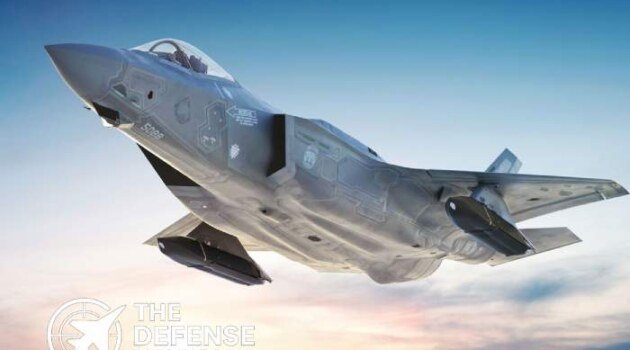
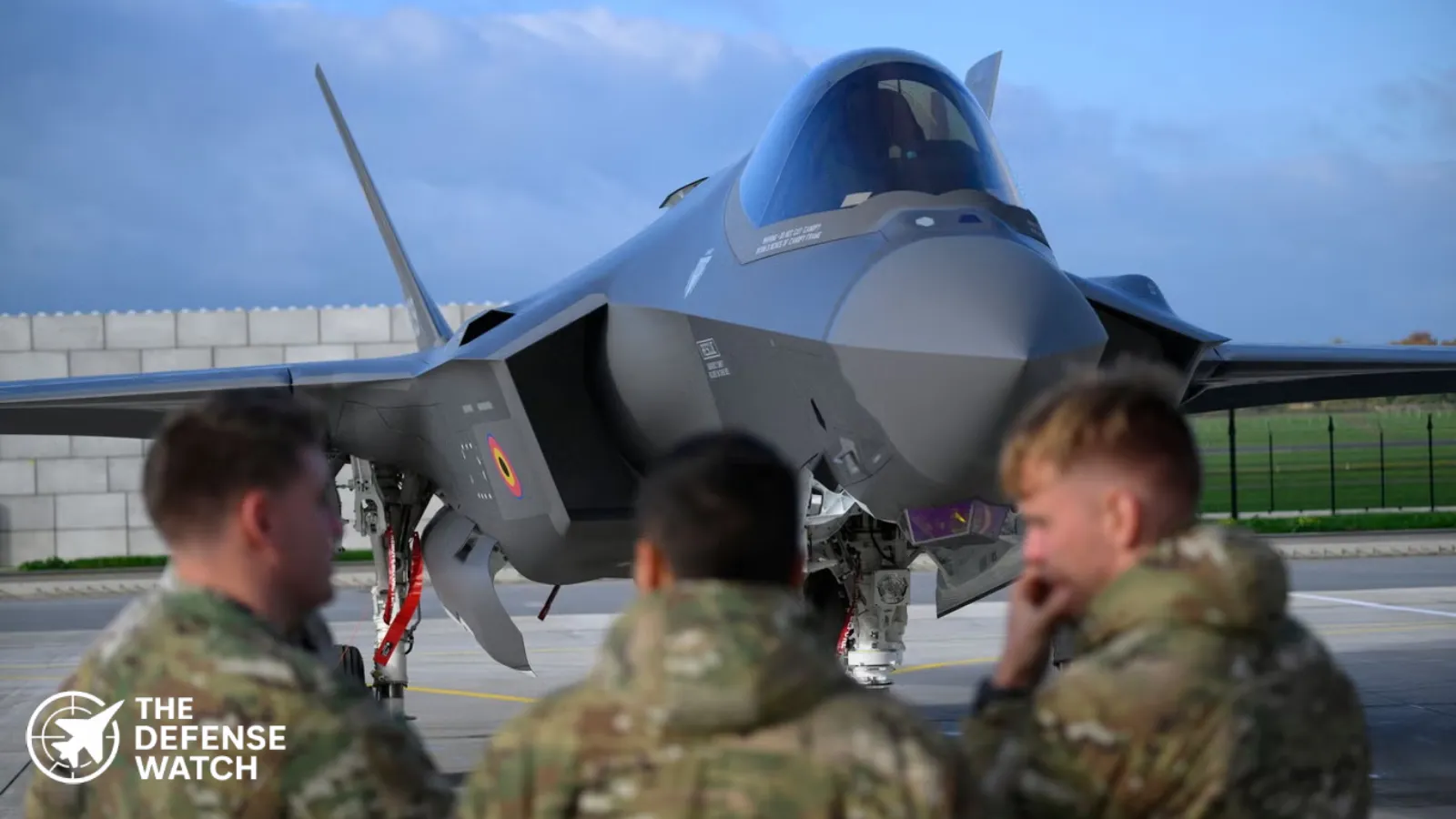
The issue centers on Canada’s commitment to buy 88 F-35A stealth fighters to replace its aging CF-18 Hornet fleet. That purchase is a cornerstone of Canada’s role in the North American Aerospace Defense Command, the joint US-Canada command responsible for monitoring and defending the continent’s airspace.
US Message Tied to NORAD Obligations
US Ambassador to Canada Pete Hoekstra said that if Canada does not follow through on the full F-35 purchase, the United States would need to reconsider how NORAD missions are carried out.
Hoekstra stated that a reduced Canadian fighter capability would force the US to step in more often to meet shared air defense responsibilities, including flying US aircraft in Canadian airspace when required.
Under NORAD, both countries already operate across national boundaries during air defense missions, but the ambassador’s comments point to a more routine and expanded US role if Canada lacks sufficient modern fighters.
US officials stressed that the issue is not sovereignty, but capability. NORAD relies on both partners fielding compatible, high-readiness aircraft that can respond quickly to long-range threats approaching North America.
Canada’s F-35 Review Raises Concerns in Washington
Canada signed an agreement in 2023 to acquire 88 F-35A fighters, joining a large group of US allies operating the aircraft. However, rising program costs and long-term sustainment expenses have prompted Ottawa to reexamine the scale of the purchase.
Canadian officials have confirmed they are reviewing whether the full number of aircraft is affordable, though no final decision has been announced.
According to Canadian government estimates cited in public reporting, the lifetime cost of the F-35 program has increased significantly compared to earlier projections, driven by inflation, sustainment, and infrastructure requirements.
The US view is that cutting the fleet size would directly affect Canada’s ability to meet its NORAD commitments, particularly in the Arctic, where distances are vast and response times are critical.
Why the F-35 Matters to NORAD
The F-35 is not just a replacement fighter. It is a networked sensor platform designed to share data seamlessly with US forces, ground-based radars, and command centers.
US officials argue that alternative aircraft would not offer the same level of interoperability, especially for detecting and tracking modern threats such as cruise missiles and advanced bombers operating at long range.
NORAD’s mission has grown more demanding in recent years as Russian military aircraft have increased activity near North American airspace, particularly in the Arctic and near Alaska. Chinese aircraft have also conducted joint patrols with Russia in the region.
US defense officials have repeatedly emphasized that future air defense depends on integrated sensors, stealth aircraft, and rapid data sharing, areas where the F-35 is seen as central.
What Increased US Fighter Presence Would Mean
If Canada reduces its F-35 purchase, US officials say the likely outcome would be more frequent US fighter deployments to cover Canadian airspace as part of NORAD operations.
That could include US aircraft launching from American bases to intercept unidentified or hostile aircraft approaching Canada, as well as increased joint patrols where US fighters take the lead role.
Such operations would remain under the NORAD framework, but they would shift the operational balance toward the United States.
The ambassador made clear that the US preference is for Canada to maintain a strong, independent fighter capability rather than rely more heavily on American aircraft.
Political and Strategic Implications
The warning highlights the pressure the United States is placing on allies to maintain high-end military capabilities as threat environments evolve.
For Canada, the issue is politically sensitive. Fighter procurement has long been controversial, with debates over cost, industrial benefits, and defense priorities.
For Washington, the concern is strategic. A weakened Canadian air combat capability would affect the defense of the entire continent, not just one country.
US officials have framed the issue as a practical reality of shared defense rather than a political dispute, but the message is clear. If Canada cannot field enough modern fighters, the United States will act to ensure airspace security.
NORAD at a Turning Point
NORAD is undergoing its most significant modernization in decades, with major investments planned in Arctic sensors, over-the-horizon radar, and command systems.
Fighter aircraft remain a critical last line of defense. US officials argue that modernization efforts depend on both partners contributing advanced aircraft in sufficient numbers.
The ambassador’s warning underscores that Canada’s fighter decision will have direct operational consequences, not just budgetary ones.
As Canada continues its review, US officials are signaling that the outcome will shape how North American air defense is carried out for years to come.
Get real time update about this post category directly on your device, subscribe now.