Golden Dome Moves From Concept to Contract
The Golden Dome missile defense program cleared a critical credibility threshold on April 23, when senior Pentagon leaders publicly confirmed three concrete milestones for the first time: a completed architecture blueprint, a functioning Command-and-Control Consortium, and active procurement contracts for system components. The event at Joint Expeditionary Base Little Creek-Fort Story in Virginia marked the Defense Department’s most substantive public update on the program since President Trump signed the founding executive order in January 2025.
- Senior Pentagon and defense industry leaders gathered at Joint Expeditionary Base Little Creek-Fort Story on April 23, 2026, for a formal Golden Dome for America (GDA) progress update — the program’s most substantive public showcase to date.
- Three key milestones confirmed: initial architecture blueprint completed, a Command-and-Control (C2) Consortium established, and active contracts awarded for critical system components.
- GDA is designed as a layered “system of systems” integrating space-based persistent sensors, advanced interceptors, and AI-enabled automated battle management — targeting ballistic, hypersonic, and cruise missile threats.
- Congress allocated $24.4 billion through the FY2025 reconciliation law, with another $13 billion designated for FY2026 — representing roughly 2.2% of annual federal discretionary spending. Independent cost estimates range from $175 billion (White House) to $3.6 trillion (AEI).
- Despite officials declaring the program “ahead of schedule and on budget,” defense analysts warn that fielding meaningful new interceptor capacity before the end of President Trump’s term in January 2029 is not technically feasible given current production realities.
Speakers included Gen. Mike Guetlein, the Senate-confirmed director of Golden Dome for America; Emil Michael, Under Secretary of War for Research and Engineering and the Department’s Chief Technology Officer; and Maj. Gen. Mark Piper, Deputy Director of Operations at NORAD and NORTHCOM. The audience included representatives from both the U.S. government and the defense industrial base, signaling that the program is entering an active acquisition phase.
The Big Picture: Rethinking Homeland Missile Defense
Golden Dome represents the most ambitious restructuring of U.S. homeland missile defense since the Ground-Based Midcourse Defense (GMD) system was first fielded in 2004. The strategic logic driving the program is a recognized shift in the threat environment. Adversaries including China and Russia have deployed hypersonic glide vehicles, fractional-orbit bombardment systems, and advanced cruise missiles that existing U.S. missile defenses were not designed to counter.
The 44-interceptor GMD system — the current backbone of U.S. homeland defense — is optimized for rogue-state ballistic missile threats. A 2025 report by the American Physical Society noted that the system cannot reliably distinguish between a warhead and its decoys, significantly constraining its operational effectiveness against even limited peer-level strikes. Golden Dome is designed to correct that gap by emphasizing boost-phase intercept, where missiles are still climbing, predictable, and radiating heat — before they can release decoys or maneuvering warheads.
What’s Happening: Three Milestones Confirmed
The April 23 event was structured around three specific programmatic achievements that the Department of War characterized as proof of momentum.
Architecture Blueprint: The initial GDA architecture has been completed. This document defines the system’s layered structure — integrating a persistent space-based sensor network, a portfolio of interceptors operating at multiple engagement altitudes and ranges, and a unified command-and-control layer. The Department stated the architecture would be “socialized” with key stakeholders, though full public disclosure of the classified design remains uncertain.
Command-and-Control Consortium: A multi-contractor C2 Consortium has been formally established. This is a foundational step — effective battle management for a system this complex requires interoperable data links, automated threat discrimination, and machine-speed decision-making across sensors and shooters that may be operated by different services and agencies. The C2 challenge is arguably the most technically complex element of the entire program.
Active Contracts Awarded: The Department confirmed that active contracts for critical system components have been placed with defense industry partners. Specific contractors and values were not disclosed in the public release, but the Army Long-Range Persistent Surveillance (ALPS) terrestrial sensor system — being tested in the Hampton Roads region — was highlighted as a key component feeding data into the broader architecture.
Why It Matters: Automation at Machine Speed
Gen. Guetlein framed the program’s urgency in operational terms. “We are moving with purpose and urgency to forge a shield that is layered, integrated, and automated,” he said at the event. “The progress on display today is tangible proof that this is not a future concept, but a reality we must build now.”
Maj. Gen. Piper of NORAD and NORTHCOM reinforced the battlefield logic. The existing architecture of U.S. air and missile defense — multiple legacy systems that do not share data natively and rely on human decision cycles — cannot operate at the speed required to counter advanced hypersonic threats. A hypersonic glide vehicle traveling at Mach 5 or above compresses decision timelines to seconds. Automated battle management is not optional for this mission — it is a fundamental design requirement.
Under Secretary Michael emphasized the program’s commercial technology integration strategy. We are embracing an open architecture that harnesses the full power of American innovation — from artificial intelligence to the commercial space industry,” he said. This approach matters for cost control and adaptability, allowing the government to compete and upgrade components without lock-in to a single prime contractor’s closed ecosystem.
Strategic Implications: Deterrence, Arms Control, and Alliance Friction
Golden Dome introduces strategic complications that extend well beyond its engineering challenges. The program represents a deliberate departure from the post-2002 U.S. missile defense posture, which was explicitly scoped to counter rogue-state threats — not peer adversaries. By explicitly targeting hypersonic and advanced ballistic threats from “any foe,” GDA sends a clear signal to Moscow and Beijing that the U.S. intends to erode the strategic utility of their nuclear deterrents.
The space-based interceptor layer is particularly consequential. These would be the first offensive-capable U.S. weapons systems in orbit. While the Outer Space Treaty prohibits weapons of mass destruction in space, kinetic interceptors occupy a legal gray zone. Multiple U.N. Security Council permanent members have already raised objections, citing concerns about strategic stability and the spirit of arms control norms.
For U.S. allies, especially in NATO and the Indo-Pacific, a robust Golden Dome could alter extended deterrence calculations. If the homeland becomes more defensible, it potentially strengthens the credibility of U.S. commitments — but it may also create friction if allies perceive the system as shifting Washington’s risk calculus toward retrenchment from forward-deployed commitments.
Competitor View: How Beijing and Moscow Are Reading This
China and Russia have both publicly characterized U.S. missile defense expansion as destabilizing. From their perspective, a homeland shield that can intercept retaliatory strikes reduces the credibility of their nuclear deterrents — and creates an asymmetric incentive to expand offensive arsenals to overwhelm any defensive system. China’s rapid expansion of its ICBM force, including road-mobile missiles and fractional-orbit bombardment systems, tracks directly with this logic.
Russia’s investment in hypersonic systems — the Avangard hypersonic glide vehicle and the Kinzhal air-launched ballistic missile — are explicitly designed to defeat missile defenses. Moscow’s response to Golden Dome will likely include further development of these penetration aids, plus diplomatic pressure in multilateral forums to constrain U.S. space-based interceptor deployment.
Iran, while a less capable adversary, may also accelerate its ballistic missile programs in response, viewing a future Golden Dome capability as reducing the coercive value of its existing missile arsenal against U.S. regional interests and allies.
What To Watch Next: Architecture Release and Acquisition Decisions
The Department of War indicated the full GDA architecture will be “socialized” with stakeholders in the coming months. Whether a meaningful unclassified summary reaches Congress and the public will shape the program’s legislative support and industrial base response.
The critical near-term milestone is the release of acquisition funding to the executing agencies. An industry executive interviewed by National Defense Magazine in April 2026 noted that defense firms are cautiously waiting until they “see the dollars in their wallet” before accelerating investment — meaning the spending plan’s impact on production capacity will lag the policy announcements by months.
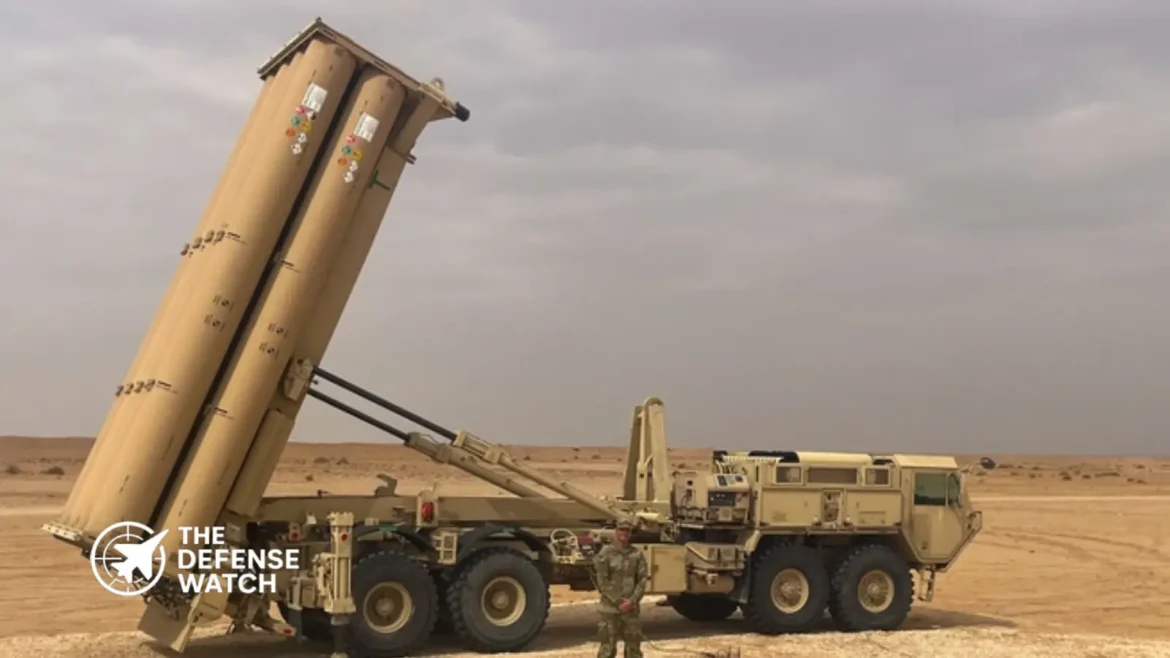
Watch for THAAD, Patriot, and Aegis Ballistic Missile Defense interceptor procurement actions. These represent the fastest available pathway to increasing actual interceptor inventory, but even orders placed today face multi-year production and delivery timelines. Space-based interceptor development and testing milestones will also be key indicators of whether the program’s most ambitious elements are advancing beyond concept.
Capability Gap: What GDA Aims to Fix — and Where the Limits Are
The operational case for Golden Dome is well-founded. Current U.S. homeland defenses have four compounding weaknesses: limited interceptor inventory, poor discrimination against decoys, no credible boost-phase capability, and a sensor architecture that does not provide global persistent tracking. GDA addresses all four.
The boost-phase focus is particularly significant. Destroying a missile during its powered ascent eliminates the warhead before it separates, before decoys are deployed, and when the target is moving slowly and predictably. The challenge is positioning interceptors close enough to adversary launch points — which is geographically impractical from ground-based sites — making space-based interceptors a logical but technically and financially demanding solution.
The program’s realistic limitations are substantial. Independent cost estimates from the American Enterprise Institute place the total program cost at up to $3.6 trillion over 20 years, dwarfing the White House’s $175 billion figure. The Congressional Budget Office estimated that even a limited space-based interceptor system sized only to counter rogue threats would cost more than $500 billion. Historically, major missile defense programs have exceeded both initial cost estimates and scheduled timelines. Critics also note that placing a large interceptor constellation in low Earth orbit creates orbital decay and replenishment costs that compound over time.
Defense analyst Todd Harrison, whose AEI study produced the high-end cost estimate, has stated bluntly that fielding significant new Golden Dome capacity before the end of Trump’s term in January 2029 is not feasible — but that demonstrations and the redeployment of existing assets to visible locations are achievable short-term outcomes.
The Bottom Line
Golden Dome for America has cleared its first programmatic gates — architecture, C2 framework, and initial contracts — but the gap between bureaucratic milestones and operational interceptor capacity is measured in years and hundreds of billions of dollars, making independent verification of progress as important as Pentagon assurances.
NORAD F-35 Defense Role Reassessed Amid Evolving Threats
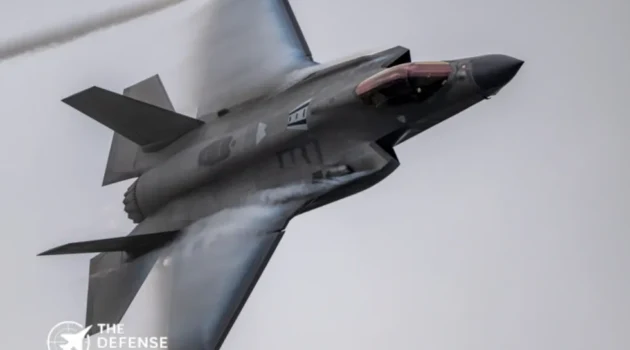
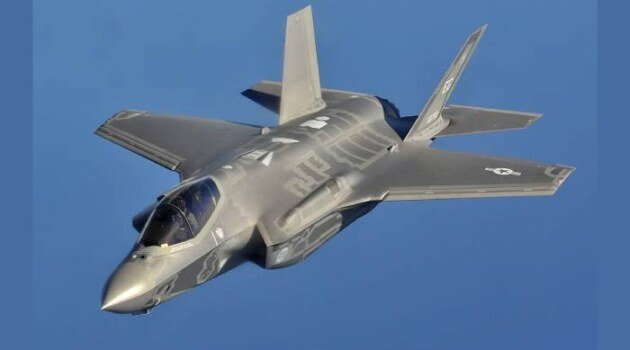
The NORAD F-35 defense role is not considered essential to protecting North America, according to a senior commander, who emphasized that continental defense depends on a broader, layered architecture rather than any single aircraft platform.
The North American Aerospace Defense Command (NORAD) official clarified that while the F-35 remains a highly capable fifth-generation fighter, it is not a critical requirement for homeland defense missions across the United States and Canada.
Instead, NORAD’s strategy prioritizes integrated detection, tracking, and response systems designed to counter a wide range of modern threats, including cruise missiles, hypersonic weapons, and long-range bombers.
¦ KEY FACTS AT A GLANCE- NORAD commander stated that the F-35 is not essential for defending North America.
- Air defense relies on a layered system including radar networks, satellites, and interceptor aircraft.
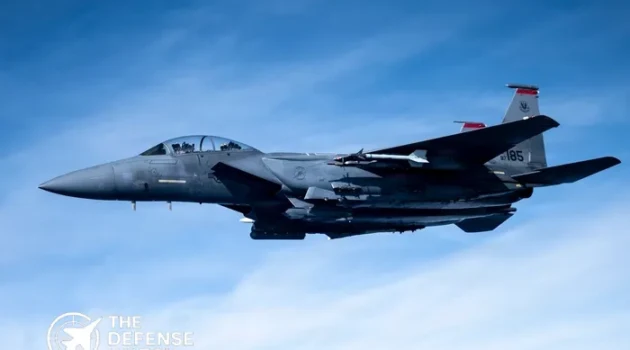
- Existing fighter fleets such as F-15 and F-16 continue to play a critical role in homeland defense missions.
- Modern threats include cruise missiles, hypersonic weapons, and long-range bombers.
- NORAD modernization focuses on early warning systems and domain awareness rather than stealth fighters alone.
Layered Defense Still Central To North American Security
At the core of NORAD’s approach is a layered defense network that combines multiple capabilities across air, space, and ground domains.
This includes early warning radars, satellite-based surveillance, and interceptor aircraft operating in coordination. Legacy fighter platforms such as the F-15 and F-16 continue to perform air sovereignty missions effectively, particularly in intercepting unidentified aircraft approaching North American airspace.
The commander’s remarks reinforce a long-standing principle in air defense planning: detection and response speed matter more than platform sophistication alone.
From an operational perspective, stealth fighters like the F-35 are optimized for penetrating contested airspace and conducting offensive missions. In contrast, NORAD’s primary mission involves detecting and intercepting threats before they reach critical infrastructure or population centers.
Why The F-35 Is Not Central To NORAD Missions
The NORAD F-35 defense role is shaped by mission requirements that differ significantly from expeditionary warfare.
F-35 aircraft are designed for multi-role operations in contested environments, including suppression of enemy air defenses and precision strikes. However, North American defense missions typically involve identifying and intercepting aircraft or missiles approaching from long distances.
In these scenarios, sensor networks and command-and-control systems play a more decisive role than stealth characteristics.
Additionally, NORAD operations often rely on rapid-response alert fighters stationed across the continent. These aircraft must be cost-effective, readily available, and capable of sustained operations, factors that do not necessarily require fifth-generation capabilities.
Rising Threats Driving NORAD Modernization
Despite downplaying the necessity of the F-35, NORAD leadership acknowledges that the threat environment is becoming more complex.
Adversaries such as Russia and China have invested heavily in long-range strike systems, including advanced cruise missiles and hypersonic glide vehicles. These weapons can approach North America at high speeds and low altitudes, making detection more challenging.
As a result, modernization efforts are focused on improving early warning systems, expanding radar coverage in the Arctic, and enhancing data integration across multiple domains.
Programs such as the North Warning System upgrade and investments in over-the-horizon radar technologies are central to this effort. These systems aim to close detection gaps and provide more time for decision-making and response.
Strategic Implications For US And Canadian Defense Policy
The assessment of the NORAD F-35 defense role has broader implications for defense procurement and policy decisions in both the United States and Canada.
While the U.S. continues to expand its F-35 fleet for global operations, Canada has committed to acquiring the aircraft as part of its fighter modernization program. However, the NORAD commander’s comments suggest that such acquisitions are driven more by alliance commitments and expeditionary requirements than by homeland defense needs.
This distinction is important for policymakers evaluating future investments in air defense. It underscores the need to balance high-end combat capabilities with investments in infrastructure, sensors, and command systems that directly support continental defense.
Analysis: A Shift Toward Systems Over Platforms
The evolving NORAD F-35 defense role reflects a broader shift in military thinking, where integrated systems take precedence over individual platforms.
Modern air defense is increasingly defined by networked capabilities that enable faster detection, better situational awareness, and coordinated responses. In this context, the effectiveness of a defense system depends less on the performance of a single aircraft and more on how well different components work together.
This approach aligns with emerging concepts such as Joint All-Domain Command and Control (JADC2), which aim to connect sensors and shooters across services and domains.
By focusing on systems integration, NORAD is adapting to a threat environment where speed, coordination, and resilience are critical.
Danish F-35A Arctic Combat Capability Tested Under NORAD
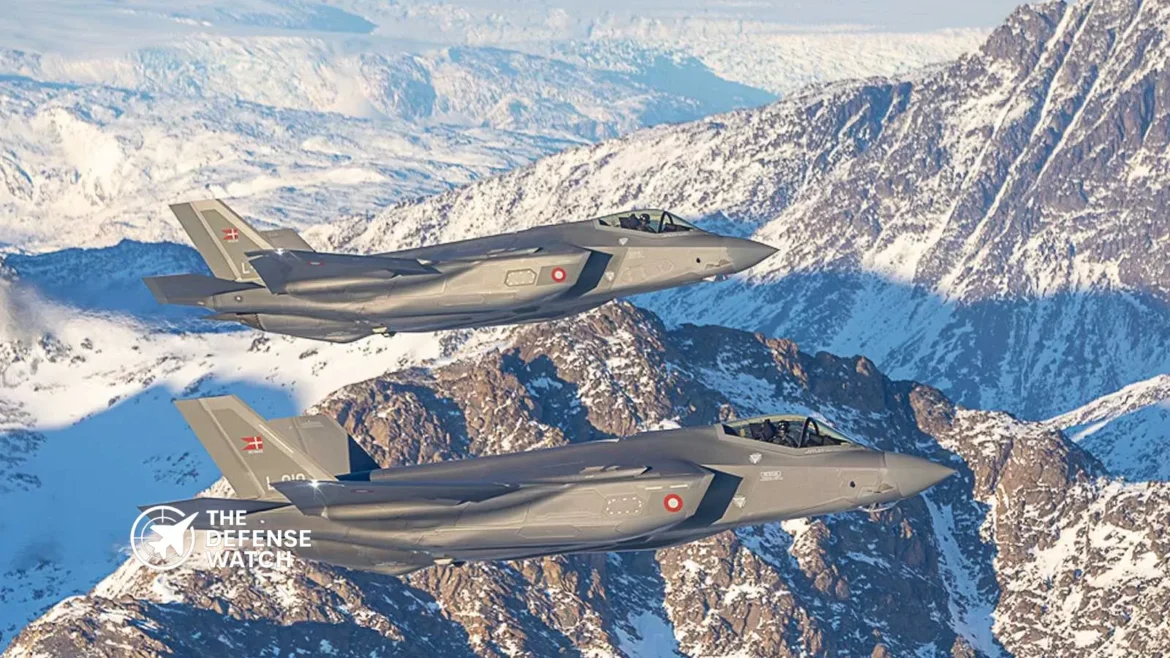
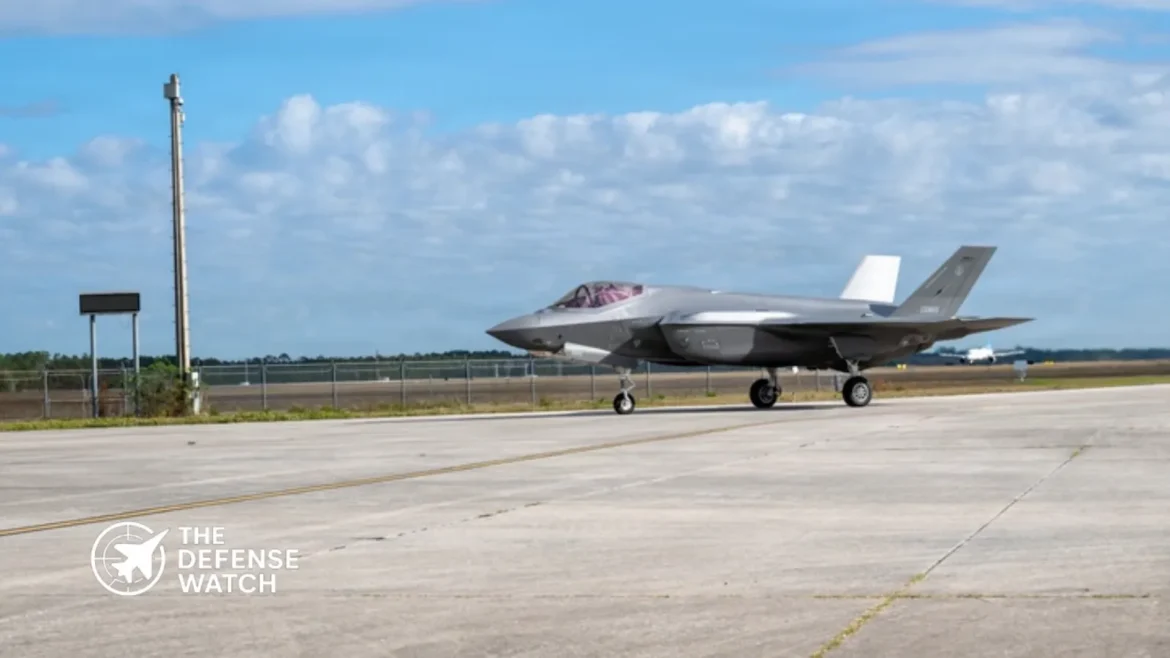
Royal Danish Air Force F-35A Lightning II fighters demonstrated Arctic combat capability in extreme cold during joint air defense missions under North American Aerospace Defense Command (NORAD) control, Danish officials said. The deployment pushed fifth-generation aircraft and support systems into demanding northern environments, validating interoperability and endurance with allied forces.
Nordic Jets in High-Latitude Defense Missions
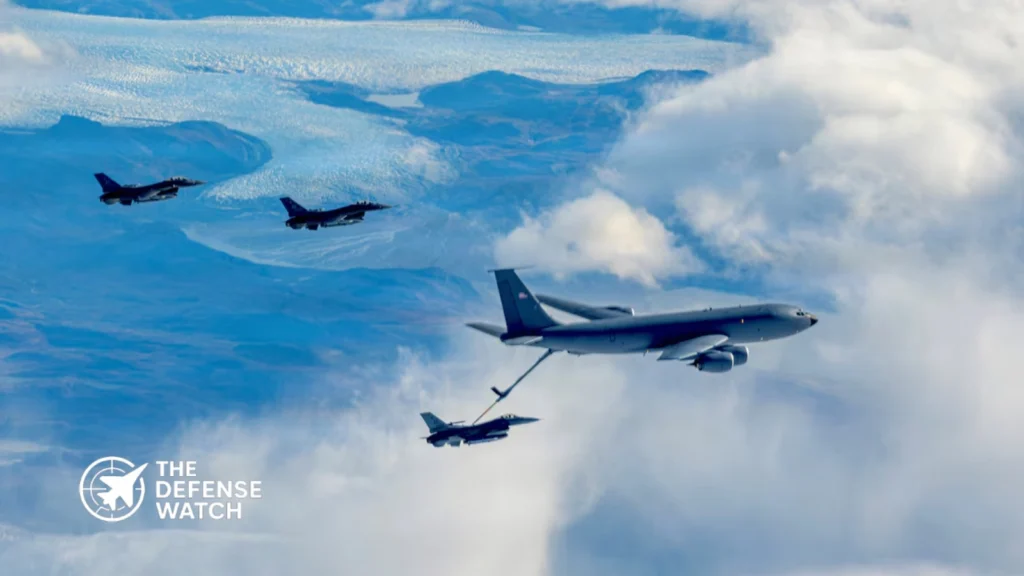
During Operation Noble Defender, Danish F-35As flew alongside U.S. and Canadian fighters with support from a French Air and Space Force Airbus A330 Multi-Role Tanker Transport for aerial refueling. The missions spanned across Icelandic and southeastern Greenland airspace, where severe temperatures, limited infrastructure, and long-range sortie demands tested aircraft and crews alike.
Operating under NORAD’s integrated U.S.-Canada air defense structure, the Danish jets conducted air policing and surveillance sorties. Allied commanders emphasized real-time data sharing and secure communications between F-35s and partner aircraft as a key outcome of the exercise.
Environmental Challenges and Platform Performance
Arctic missions expose aircraft and support personnel to extreme cold, rapidly changing weather, and sparse ground support. During Operation Noble Defender, crews routinely operated in sub-zero temperatures, with wind chills well below freezing.
According to analysts, the F-35A’s integrated sensor suite, including its AESA radar and electro-optical systems, helps maintain situational awareness where weather and ice cover can reduce visibility. Sensor fusion was a highlight, providing shared threat pictures across the joint force.
The jet’s Pratt & Whitney F135 engine is reported to deliver reliable cold-start performance, while maintainers used onboard health monitoring tools to track stress and component performance at low temperatures. These data help refine sustainment practices for future Arctic deployments.
Sustained Operations With Allied Support
Supporting long-range sorties over the North Atlantic, aerial refueling was critical. The French MRTT tanker extended F-35A time on station, bridging the significant distances between bases and patrol zones. A Danish Challenger CL-604 transport also contributed to logistical flexibility, moving personnel in challenging conditions.
Search and rescue (SAR) assets were pre-positioned in Greenland to support allied aircraft should missions run into distress. This underlines the inherent risk of high-latitude flight operations where response times to emergencies are long and survival windows narrow.
Strategic and Operational Context
Danish involvement comes as NATO and partner forces increase focus on Arctic security. Greenland’s strategic location has drawn heightened military attention, including regular high-latitude exercises and deployments by allied air and maritime forces.
NORAD’s Operation Noble Defender is a recurring air defense exercise intended to enhance deterrence and readiness for the northern approaches to North America. The Danish F-35A contribution represents one of the most demanding uses of the type in Arctic conditions to date.
What Comes Next
As Denmark continues to integrate the F-35A into frontline roles, Arctic operations remain a priority. The Royal Danish Air Force is expanding its fleet under recent defense budgets and working with NATO partners to refine high-latitude tactics and sustainment practices.
Canada Reviews Major F-35 Purchase as U.S. Relations Deteriorate
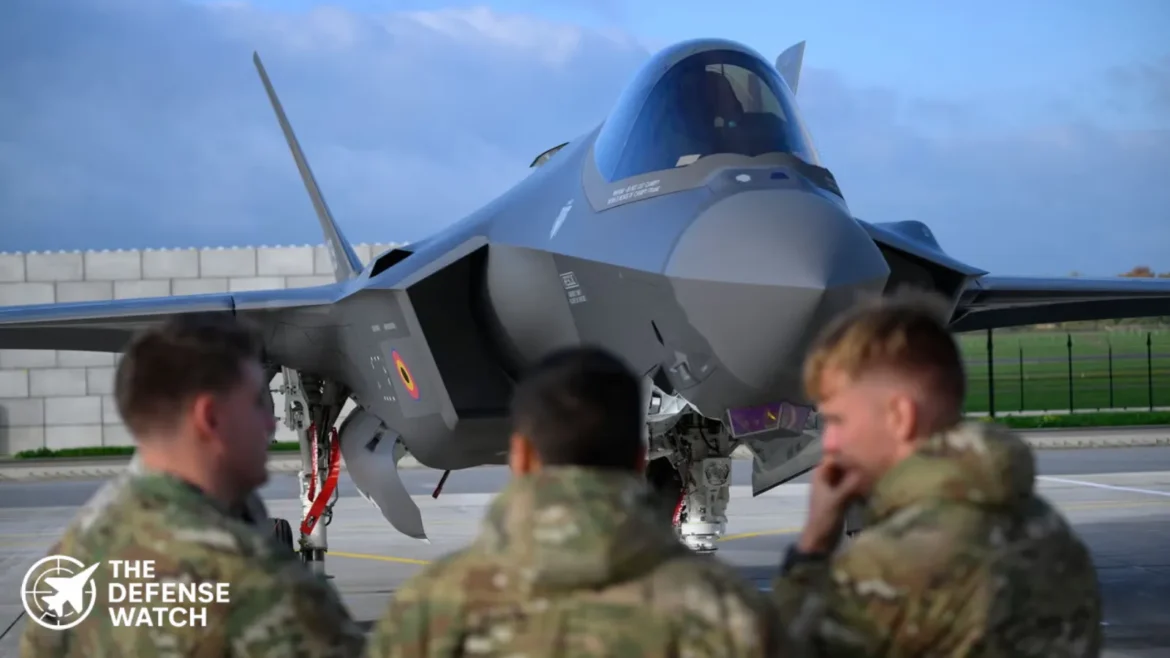
Canada is actively reevaluating its planned purchase of F-35A Lightning II fighters, with officials confirming the government remains legally committed to the first 16 aircraft while reviewing options for the remaining 72 jets. The reassessment comes as trade tensions with Washington escalate under President Trump’s return to office.
Defence Minister Bill Blair confirmed that while the contract for the first 16 F-35s remains in place, Prime Minister Mark Carney has directed the Canadian Armed Forces to determine whether the existing agreement represents the best investment for Canada’s defense needs in the current geopolitical environment.
The review marks the latest chapter in Canada’s decades-long effort to replace its aging CF-18 Hornet fleet, a procurement process that has become one of the most politically contentious defense decisions in Canadian history.
Contract Status and Financial Implications
Canada initially signed a contract valued at CAD 19 billion (USD 14.2 billion at signing) in 2023 for 88 F-35A aircraft. The first stealth fighters under this order are scheduled for delivery in 2026, with initial aircraft arriving at Luke Air Force Base in Arizona for pilot training.
However, total program costs have exceeded CAD 27 billion when including delivery delays and full operational capability requirements. The U.S. Government Accountability Office revealed in September 2025 that the Block 4 upgrade—the version Canada intends to acquire—is now USD 6 billion over budget and five years behind schedule.
Only funding for the initial 16 aircraft has been legally committed, leaving the remaining 72 jets subject to ongoing government review.
Swedish Alternative Gains Momentum
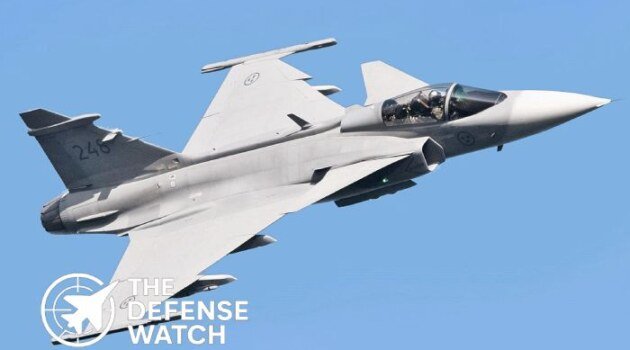
Sweden’s Saab has intensified its campaign to offer Canada an alternative procurement path. Saab submitted a bid for 72 JAS 39 Gripen multirole fighters paired with six GlobalEye airborne surveillance aircraft, positioning the package as an industrial benefits opportunity.
Saab claims the Gripen package would create 10,000 jobs in Canada through domestic assembly and sustainment partnerships, leveraging Canadian aerospace manufacturing capabilities. The Swedish proposal emphasizes local production, intellectual property transfer, and reduced dependence on U.S. supply chains for maintenance and upgrades.
Under Saab’s proposal, final assembly would occur in Canada, with maintenance performed domestically rather than requiring aircraft to return to U.S. facilities for major overhauls—a requirement of the F-35 program.
Capability Assessment and Operational Considerations
Despite the political momentum behind alternative options, leaked Canadian military evaluation documents show the F-35 significantly outperformed the Gripen E across all assessment categories. The F-35 achieved an average score of 95 percent compared to the Gripen E’s 33 percent, with particularly low marks for the Swedish fighter in mission performance and upgradability.
The Royal Canadian Air Force’s technical assessment underscored the F-35’s advantages in stealth, sensor fusion, network-centric warfare capabilities, and Arctic operations—critical factors for Canada’s vast northern territories and NORAD responsibilities.
Canadian NORAD commanders have stated they need pilots to have overmatch against high-end threats, emphasizing capability requirements over political considerations. However, they have also clarified that fighter procurement decisions remain with the civilian government.
NORAD and U.S. Pressure
U.S. Ambassador to Canada Pete Hoekstra warned that if Ottawa does not proceed with the full F-35 complement, NORAD would need to be altered. Hoekstra indicated the United States might need to fly its own F-35s more frequently into Canadian airspace to fill capability gaps.
The ambassador’s comments have drawn criticism from Canadian defense analysts who argue such pressure tactics may backfire. Andrea Charron, director of the Centre for Defence and Security Studies at the University of Manitoba, suggested the approach achieves the opposite of its intended effect.
NORAD has historically operated with different aircraft types on both sides of the border, though current integration levels favor interoperable platforms. The binational aerospace defense agreement relies on shared sensors, communication systems, and coordinated response capabilities to defend North American airspace.
Mixed Fleet Considerations
Canadian defense planners are reportedly considering a mixed fighter fleet consisting of no more than 40 F-35A stealth jets paired with up to 80 Gripen E fighters, according to recent reporting citing unnamed defense sources.
Such an approach would address political pressure to diversify defense partnerships while maintaining some fifth-generation capability. However, operating multiple platforms creates logistical strains, requiring separate mechanical expertise, distinct supply chains, and parallel training programs.
The Royal Canadian Air Force has historically resisted mixed fleet operations due to cost and complexity concerns, though it did operate multiple fighter types until the 1980s CF-18 consolidation.
Industrial Benefits and Economic Factors
Canadian companies have received contracts valued at USD 490 million from 2002 to 2012 through F-35 program participation, with total potential estimated value ranging from USD 4.8 billion to USD 6.8 billion through supply chain participation.
This existing industrial relationship complicates any decision to shift toward alternative aircraft. Canada’s participation in the F-35 program provides domestic companies opportunities to bid for international F-35 contracts, though these benefits are not guaranteed.
Saab’s offer includes guaranteed economic benefits for Canadian industry, potentially addressing concerns about industrial sovereignty and domestic aerospace sector development.
Geopolitical Context
The F-35 reassessment stems directly from rapidly deteriorating relations between Washington and Ottawa following President Trump’s renewed tariff threats and contentious trade negotiations.
Vincent Rigby, former national security adviser to the Trudeau government, stated that U.S. rhetoric has forced Canadian policymakers to rethink defense ties. The review reflects broader Canadian concerns about Washington’s reliability as a security partner under the Trump administration.
Prime Minister Carney has indicated he held discussions with French and British officials about potential F-35 alternatives signaling willingness to explore European defense partnerships as part of Canada’s strategic hedging approach.
Timeline and Decision Process
The formal review was initially expected to conclude by late September 2025, but no decision has been announced. Department of National Defence officials declined to provide a specific timeline for completion, stating only that the review is progressing in a timely manner.
Canadian Armed Forces personnel attended a ceremony at Lockheed Martin’s Texas facility in early February 2026 to mark the imminent delivery of the first F-35, indicating continued program momentum despite the ongoing political review.
Canada’s first F-35s are scheduled for delivery to Luke Air Force Base in 2026, with the first 10 pilots beginning training this year. Initial aircraft would arrive in Canada by late 2028, operating from temporary facilities while permanent infrastructure is completed by 2030-2031.
Strategic Implications
The Canadian review represents a potential inflection point for international F-35 partnerships. Canada is officially the first customer to openly reevaluate its F-35 order in the Trump era, raising questions about whether other nations may follow suit.
Any decision to reduce F-35 orders would send a significant foreign policy signal regarding Canada’s defense alignment and willingness to diversify security partnerships beyond traditional U.S. dependence.
However, the technical capabilities gap between fourth and fifth-generation fighters, combined with existing Canadian industrial participation in the F-35 program, creates substantial pressure to maintain the original procurement plan despite political considerations.
The outcome of Canada’s F-35 review will likely shape North American defense cooperation and bilateral relations for decades, setting precedents for how middle-power allies navigate defense procurement amid great power competition and alliance uncertainty.
US Warns It Could Send Fighter Jets Into Canadian Airspace if F-35 Deal Collapses
The United States has warned Canada that it could deploy US fighter jets into Canadian airspace if Ottawa reduces or abandons its planned purchase of F-35 fighter aircraft, a move that could reshape how North American air defense is carried out under NORAD.
The warning was delivered publicly by the US ambassador to Canada and reflects growing concern in Washington that a scaled-back Canadian fighter fleet would leave gaps in continental air defense coverage that the United States would need to fill.
The issue centers on Canada’s commitment to buy 88 F-35A stealth fighters to replace its aging CF-18 Hornet fleet. That purchase is a cornerstone of Canada’s role in the North American Aerospace Defense Command, the joint US-Canada command responsible for monitoring and defending the continent’s airspace.
US Message Tied to NORAD Obligations
US Ambassador to Canada Pete Hoekstra said that if Canada does not follow through on the full F-35 purchase, the United States would need to reconsider how NORAD missions are carried out.
Hoekstra stated that a reduced Canadian fighter capability would force the US to step in more often to meet shared air defense responsibilities, including flying US aircraft in Canadian airspace when required.
Under NORAD, both countries already operate across national boundaries during air defense missions, but the ambassador’s comments point to a more routine and expanded US role if Canada lacks sufficient modern fighters.
US officials stressed that the issue is not sovereignty, but capability. NORAD relies on both partners fielding compatible, high-readiness aircraft that can respond quickly to long-range threats approaching North America.
Canada’s F-35 Review Raises Concerns in Washington
Canada signed an agreement in 2023 to acquire 88 F-35A fighters, joining a large group of US allies operating the aircraft. However, rising program costs and long-term sustainment expenses have prompted Ottawa to reexamine the scale of the purchase.
Canadian officials have confirmed they are reviewing whether the full number of aircraft is affordable, though no final decision has been announced.
According to Canadian government estimates cited in public reporting, the lifetime cost of the F-35 program has increased significantly compared to earlier projections, driven by inflation, sustainment, and infrastructure requirements.
The US view is that cutting the fleet size would directly affect Canada’s ability to meet its NORAD commitments, particularly in the Arctic, where distances are vast and response times are critical.
Why the F-35 Matters to NORAD
The F-35 is not just a replacement fighter. It is a networked sensor platform designed to share data seamlessly with US forces, ground-based radars, and command centers.
US officials argue that alternative aircraft would not offer the same level of interoperability, especially for detecting and tracking modern threats such as cruise missiles and advanced bombers operating at long range.
NORAD’s mission has grown more demanding in recent years as Russian military aircraft have increased activity near North American airspace, particularly in the Arctic and near Alaska. Chinese aircraft have also conducted joint patrols with Russia in the region.
US defense officials have repeatedly emphasized that future air defense depends on integrated sensors, stealth aircraft, and rapid data sharing, areas where the F-35 is seen as central.
What Increased US Fighter Presence Would Mean
If Canada reduces its F-35 purchase, US officials say the likely outcome would be more frequent US fighter deployments to cover Canadian airspace as part of NORAD operations.
That could include US aircraft launching from American bases to intercept unidentified or hostile aircraft approaching Canada, as well as increased joint patrols where US fighters take the lead role.
Such operations would remain under the NORAD framework, but they would shift the operational balance toward the United States.
The ambassador made clear that the US preference is for Canada to maintain a strong, independent fighter capability rather than rely more heavily on American aircraft.
Political and Strategic Implications
The warning highlights the pressure the United States is placing on allies to maintain high-end military capabilities as threat environments evolve.
For Canada, the issue is politically sensitive. Fighter procurement has long been controversial, with debates over cost, industrial benefits, and defense priorities.
For Washington, the concern is strategic. A weakened Canadian air combat capability would affect the defense of the entire continent, not just one country.
US officials have framed the issue as a practical reality of shared defense rather than a political dispute, but the message is clear. If Canada cannot field enough modern fighters, the United States will act to ensure airspace security.
NORAD at a Turning Point
NORAD is undergoing its most significant modernization in decades, with major investments planned in Arctic sensors, over-the-horizon radar, and command systems.
Fighter aircraft remain a critical last line of defense. US officials argue that modernization efforts depend on both partners contributing advanced aircraft in sufficient numbers.
The ambassador’s warning underscores that Canada’s fighter decision will have direct operational consequences, not just budgetary ones.
As Canada continues its review, US officials are signaling that the outcome will shape how North American air defense is carried out for years to come.
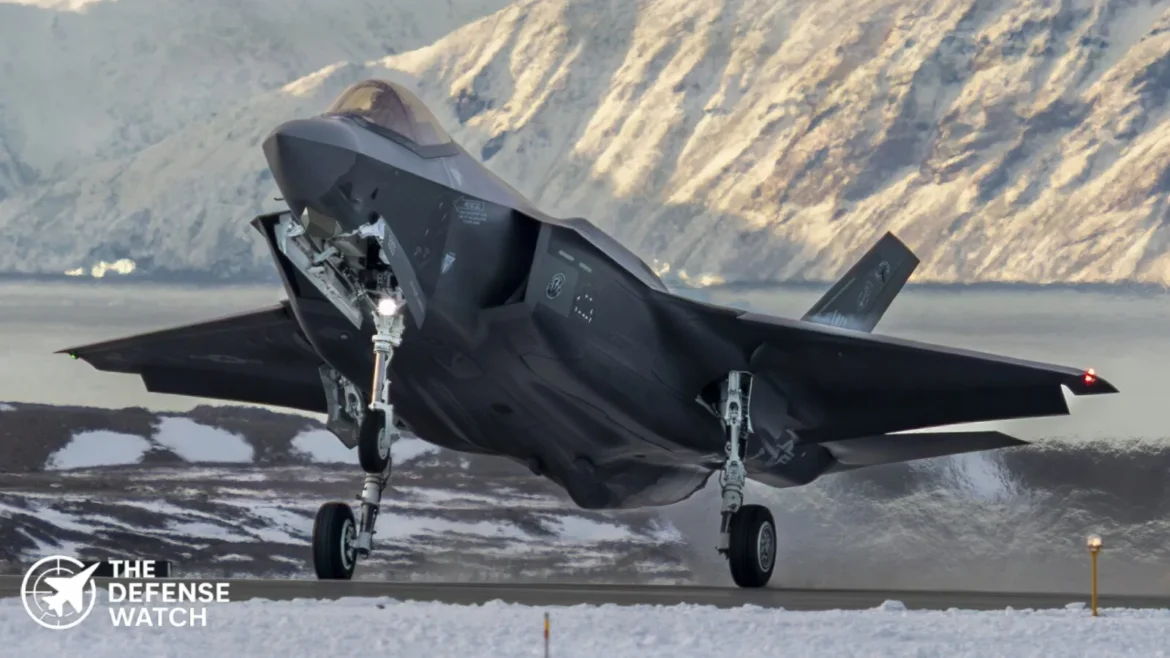
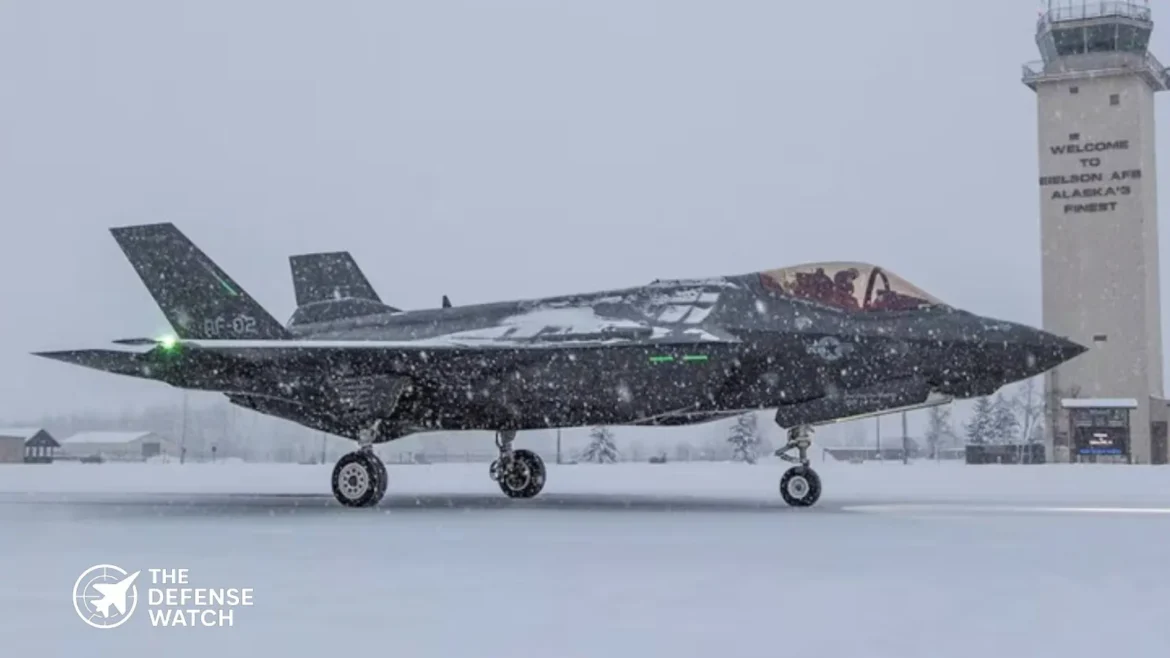
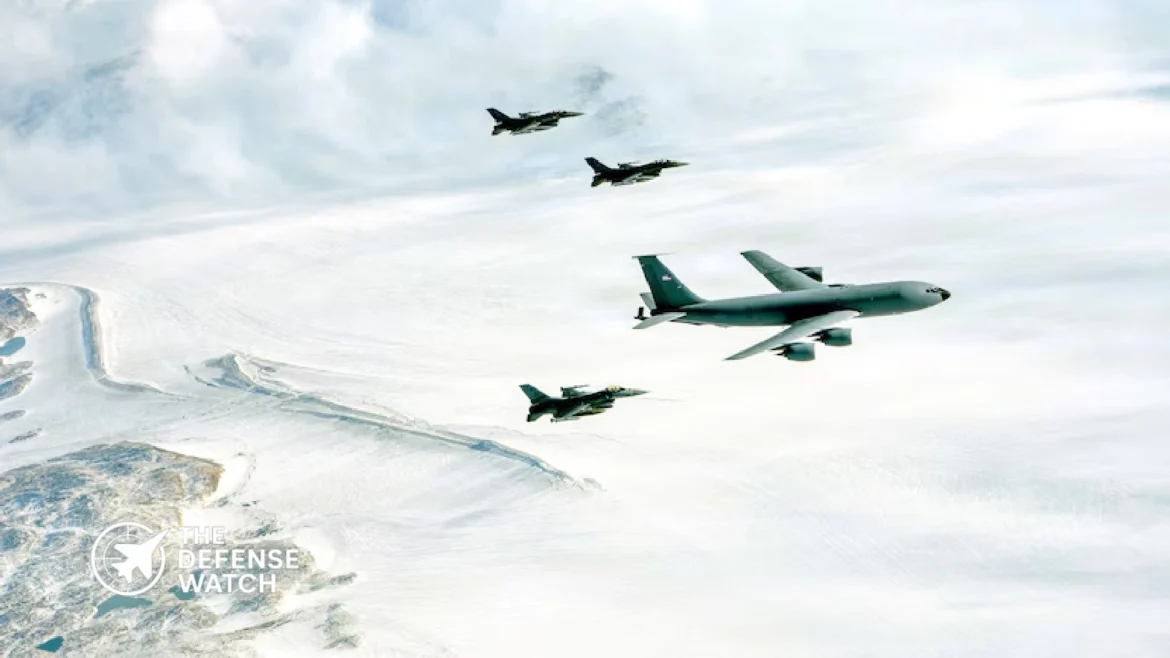
The North American Aerospace Defense Command (NORAD) confirmed on January 19, 2026, the deployment of multiple aircraft to Pituffik Space Base in Greenland. While NORAD maintains the mission is a “routine, long-planned” exercise, the move comes during a period of heightened geopolitical friction regarding the status of the world’s largest island.
Key Takeaways: The January 2026 Deployment
- Official Status: Routine, pre-scheduled activities coordinated with the Kingdom of Denmark.
- Strategic Context: Occurs as the U.S. administration reiterates interest in acquiring Greenland, leading to recent tariff threats against European allies.
- Primary Assets: While specific 2026 aircraft types are undisclosed, previous iterations included F-35 Lightning IIs, F-16s, and KC-135 Stratotankers.
- Base Significance: Pituffik (formerly Thule) is the northernmost U.S. military installation, critical for missile warning and Arctic air defense.
Strategic Shift: Why Pituffik Matters in 2026
Pituffik Space Base serves as the “eyes and ears” of North America’s northern approach. Operated by the U.S. Space Force’s 821st Space Group, the base has seen a surge in investment and strategic reorganization over the past year.
Alignment with U.S. Northern Command (USNORTHCOM)
In 2025, the U.S. Department of Defense shifted the operational responsibility of Greenland from European Command (EUCOM) to Northern Command. This move signals a permanent shift in viewing Greenland not just as a NATO outpost, but as a central pillar of Homeland Defense.
Infrastructure Overhaul
Recent military contracts have initiated massive upgrades to Pituffik’s:
- Runway Lighting: Advanced systems for extreme-weather, 24/7 operations.
- Facility Resilience: Retrofitting aging structures to withstand accelerating Arctic environmental changes.
- Communication Arrays: Enhanced satellite links to support the 41st Air Expeditionary Group.
Routine Exercise vs. Geopolitical Friction
NORAD’s insistence on the “routine” nature of this deployment is likely a diplomatic effort to de-escalate tensions. On the same day as the announcement (January 19), Danish and Greenlandic officials met with NATO Secretary General Mark Rutte in Brussels to discuss Arctic sovereignty.
Expert Insight: “By framing this as a ‘long-planned’ event, NORAD is attempting to maintain operational transparency and avoid misinterpretation by both allies (Denmark) and adversaries (Russia/China) during a volatile diplomatic cycle.”
History of Operations: Operation Noble Defender
The current deployment builds on the success of Operation Noble Defender, a recurring exercise focused on interoperability.
Feb 2025 Noble Defender F-16, CF-18, CC-150 Testing U.S.-Canadian binational integration. Oct 2025 Dynamic Ops F-35, F-16, KC-135 Rapid deployment in extreme Arctic conditions. Jan 2026 Routine Deployment Confidential Sustained Arctic presence and surveillance. FAQ
What is Pituffik Space Base?Pituffik Space Base is the northernmost installation of the U.S. Armed Forces, located 750 miles north of the Arctic Circle in Greenland. It was renamed from Thule Air Base in 2023 to honor the local Greenlandic Inuit heritage.
Why is NORAD in Greenland?Under a 1951 defense treaty between the U.S. and Denmark, the U.S. maintains a military presence in Greenland to provide early warning for ballistic missiles and to control the aerospace of the North American Arctic.
Is the January 2026 deployment related to the “Greenland Purchase” talks?NORAD states the deployment was planned over a year in advance and is strictly operational. However, analysts note that the presence of U.S. fighters reinforces the strategic “value” currently being discussed in Washington and Copenhagen.
Final Thoughts for 2026 Arctic Security
The deployment of aircraft to Pituffik is a clear signal that regardless of political rhetoric, the U.S. military footprint in the Arctic is expanding. For North American defense, Greenland remains the most critical “high ground” in the world.
Canadian Air Defense Commander Lieutenant General Jamie Speiser Blanchet has described the F 35 as vital to Canada’s future air defense mission, tying the fighter directly to NORAD operations and continental security. Speaking in recent remarks reported by Military Watch Magazine, the commander emphasized that the aircraft is not just a replacement fighter, but a core sensor and command node for joint US Canadian defense.
The statement comes as Canada moves forward with its planned purchase of 88 F 35 aircraft to replace the aging CF 18 fleet, with initial deliveries expected later this decade.
Background: Why the F 35 Matters to Canada
Canada’s air defense mission is closely linked to the North American Aerospace Defense Command, the binational US Canada framework responsible for detecting and responding to air and missile threats. Much of this mission focuses on long range surveillance of the Arctic, where geography, distance, and harsh weather place unique demands on aircraft and sensors.
The CF 18 fleet has performed this role for decades, but officials have warned that it is reaching the limits of its service life and combat relevance. New threats, including long range cruise missiles, hypersonic weapons, and advanced Russian bomber patrols, have pushed Canada to seek a platform with stronger sensors, data fusion, and survivability.
In this context, the Canadian Air Force selected the F 35 as its next generation fighter, citing interoperability with the United States, advanced stealth features, and its ability to operate as part of a wider air defense network.
Details: What the Commander Said
According to Military Watch Magazine, Lieutenant General Speiser Blanchet stated that the F 35 is essential to how Canada will defend its airspace alongside the United States. She highlighted that modern air defense is no longer just about intercepting aircraft, but about detecting, tracking, and sharing data across domains.

The F 35’s sensor suite, including its active electronically scanned array radar and distributed infrared sensors, allows it to detect threats at long range and pass that information to other aircraft, ships, and ground based systems. For NORAD, this means faster warning times and a clearer picture of potential threats approaching North America.
Canadian officials have also stressed that the F 35’s secure data links allow it to integrate seamlessly with US Air Force and US Navy assets, a key requirement for joint operations under NORAD and NATO.
Arctic Operations and Long Range Defense
One of the most demanding aspects of Canada’s air defense mission is the Arctic. Vast distances, limited basing, and extreme weather conditions challenge both aircraft and crews. Canadian defense planners argue that the F 35’s advanced sensors help offset these challenges by reducing reliance on forward deployed radar and increasing situational awareness.
While the F 35 is often discussed in terms of stealth strike missions, Canadian leaders have framed its role more broadly. In Arctic operations, the aircraft is expected to act as an early warning platform, cueing interceptors and supporting ground based air defense systems.
This aligns with broader NORAD modernization efforts, which include upgrades to radar networks and command systems across northern Canada.
Expert and Policy Perspective
Defense analysts note that Canada’s emphasis on the F 35 as an air defense asset reflects a shift in how fighter aircraft are viewed. Rather than operating alone, modern fighters increasingly function as part of a sensor network.
Justin Bronk of the Royal United Services Institute has previously argued that the F 35’s value lies as much in its data fusion as in its weapons load. For Canada, this makes the aircraft particularly relevant to NORAD, where shared awareness between partners is critical.
At the policy level, the F 35 program also reinforces defense ties with the United States. Canada is a long standing industrial partner in the F 35 program, with Canadian firms contributing components to the global supply chain.
Costs, Criticism, and Political Debate
Despite strong support from military leadership, the F 35 purchase has faced political scrutiny in Canada. Critics have raised concerns about acquisition and sustainment costs, as well as the aircraft’s suitability for Canada’s climate and basing infrastructure.
The Canadian government has responded by stating that the F 35 was selected after a competitive evaluation and that long term interoperability and capability outweighed cost concerns. Officials have also pointed to planned investments in infrastructure upgrades to support Arctic and northern operations.
Closing: What to Watch Next
As Canada prepares for the arrival of its first F 35 aircraft, attention will turn to how quickly the Royal Canadian Air Force can integrate the platform into NORAD operations. Training, basing decisions, and data sharing arrangements with the United States will shape how effectively the aircraft supports continental defense.
For Canadian air defense leaders, the message is clear. The F 35 is seen not as an optional upgrade, but as a central element of how Canada plans to defend its airspace in an era of evolving threats.
U.S. Scrambles Jets to Intercept Russian Aircraft Near Alaska
On September 24, 2025, the North American Aerospace Defense Command (NORAD) detected and tracked Russian aircraft in the Alaskan Air Defense Identification Zone (ADIZ). In response, NORAD launched U.S. assets to positively identify and escort the foreign flights.
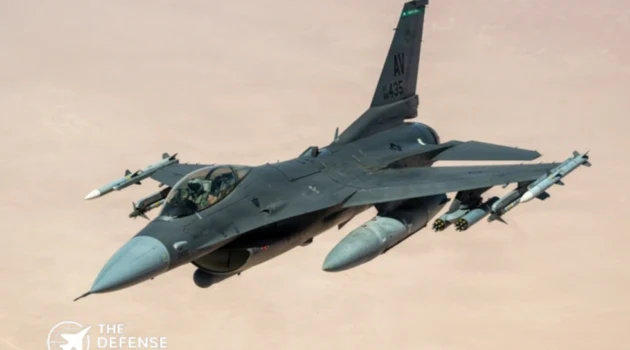
The Russian formation consisted of two Tu-95 “Bear” strategic bombers and two Su-35 “Flanker” fighters. NORAD responded with an E-3 Sentry AWACS, four F-16 fighter jets, and four KC-135 aerial refueling tankers to intercept and monitor the flights.
According to NORAD, the Russian aircraft remained within international airspace and did not cross into U.S. or Canadian sovereign airspace. “This Russian activity in the Alaskan ADIZ occurs regularly and is not seen as a threat,” the statement read.
This marks the ninth Russian ADIZ entry near Alaska in 2025. In recent weeks alone, NORAD has scrambled fighter jets multiple times as Russian surveillance and bomber flights approach the region.
What Is the Alaskan ADIZ, and Why It Matters
The Air Defense Identification Zone (ADIZ) is a region of international airspace extending beyond a country’s sovereign airspace. Within the ADIZ, aircraft are expected to identify themselves and allow monitoring by air defense systems, though unauthorized entry into the zone—not outright violation of sovereign airspace—is the threshold for interception.
In the case of Alaska, the ADIZ extends seaward over the Bering Sea region, an area of strategic sensitivity given proximity to the Russian Far East. Because Russian long-range aviation routinely operates in the Arctic and northern Pacific, ADIZ incursions are viewed by U.S. and Canadian authorities as tactical probes rather than immediate threats—so long as they respect international boundaries.
Still, intercepts serve as a readiness test: can U.S. forces detect, respond to, and safely manage foreign flights approaching North American approaches?
Patterns and Signals: Russian Air Activity Near Alaska
The September 24 intercept is not an anomaly. Earlier in 2025, NORAD dispatched jets to intercept Il-20 reconnaissance aircraft multiple times within Alaska’s ADIZ. In 2024, Russian and Chinese bombers were detected together off Alaska, triggering joint tracking by U.S. defenses.
These repeated incursions suggest a pattern of Russian aerial probing—testing North American responses, gathering intelligence, or demonstrating strategic reach. For the United States, these episodes reinforce the importance of maintaining a layered defense posture in the Arctic and northern Pacific.
Yet, analysts caution against overreaction: as long as flights remain in international airspace and do not violate sovereign boundaries, they fall within legal and historical norms of military signaling.
Strategic Context & Regional Implications
U.S.–Russia Relations and Arctic Competition
The intercept comes in the broader context of heightened U.S.–Russia tensions, driven by the ongoing conflict in Ukraine, NATO–Russia provocations over European airspace, and Arctic resource contestation. In August 2025, President Trump and President Putin held a summit in Alaska, injecting additional diplomatic complexity to the region’s security calculus. Russian long-range patrols near Alaska thus carry both symbolic and strategic significance.
Stress Test for NORAD & Joint Defense
For NORAD and U.S. Northern Command, the repeated interceptions provide opportunities to validate command-and-control, radar coverage, fighter readiness, and joint U.S.–Canadian cooperation. Regular Russian ingress also underscores the necessity of persistent surveillance assets, such as AWACS, aerial tankers, and ground radar. Any disruption in that architecture could blunt future response capabilities.
Looking Ahead
Given the consistent frequency of these intercepts, future Russian flights near Alaska are almost assured. For TheDefenseWatch’s readers, the key questions are:
- Will Russia test the limits by entering sovereign airspace?
- How will U.S. defense posture evolve in response—especially with Arctic basing and sensor upgrades?
- Could such aircraft flights become leverage in diplomacy or wedge issues in broader strategic competition?
FAQs
Did any Russian aircraft cross into U.S. sovereign airspace?No. NORAD’s statement confirms all detected aircraft remained in international airspace and did not violate U.S. or Canadian sovereign airspace.
What types of aircraft were intercepted?The Russian formation included two Tu-95 “Bear” bombers and two Su-35 fighters
What U.S. assets responded?NORAD launched an E-3 Sentry AWACS, four F-16 fighters, and four KC-135 aerial tankers.
How frequent are Russian entries into the Alaska ADIZ?This was the ninth such incident in 2025. Similar intercepts have occurred multiple times throughout the year.
Should these incursions be interpreted as provocations?While generally viewed as normal in defense terms, the pattern suggests strategic signaling by Russia, and U.S. officials treat them as probes of readiness rather than acute threats.