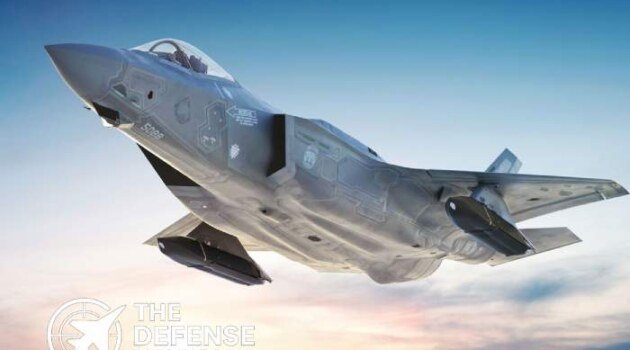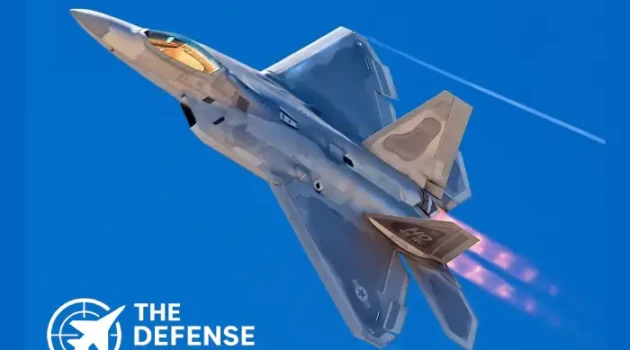
- The United States is sustaining approximately 500 daily air strikes on Iranian targets.
- Operations are transitioning from initial high intensity strikes to a long term campaign.
- The campaign aims to degrade Iran’s military infrastructure and operational capacity.
- The tempo suggests a sustained airpower strategy rather than short duration punitive strikes.
- The shift signals a broader regional and strategic recalibration by the Pentagon.
US Air Strikes On Iran Expand Into Sustained Campaign
US air strikes on Iran have reached a sustained tempo of roughly 500 daily sorties, marking a clear transition from initial strike operations to a long term air campaign, according to reporting from Army Recognition.
The Big Picture
The United States is shifting toward a sustained airpower model that reflects lessons from past campaigns in Iraq, Syria, and Afghanistan. High volume daily strike operations indicate a move beyond short term deterrence toward systematic degradation of an adversary’s military capabilities.
This approach aligns with broader US military doctrine that prioritizes persistent pressure, precision targeting, and operational endurance. It also reflects the Pentagon’s ability to project continuous airpower at scale across long distances.
In the Middle East, such a shift signals that Washington views the conflict not as a limited escalation but as part of a longer strategic contest involving regional stability, deterrence, and force posture.
What’s Happening
The United States is reportedly conducting around 500 air strikes per day against Iranian targets. These operations are no longer limited to initial high intensity phases but are now transitioning into a sustained operational framework.
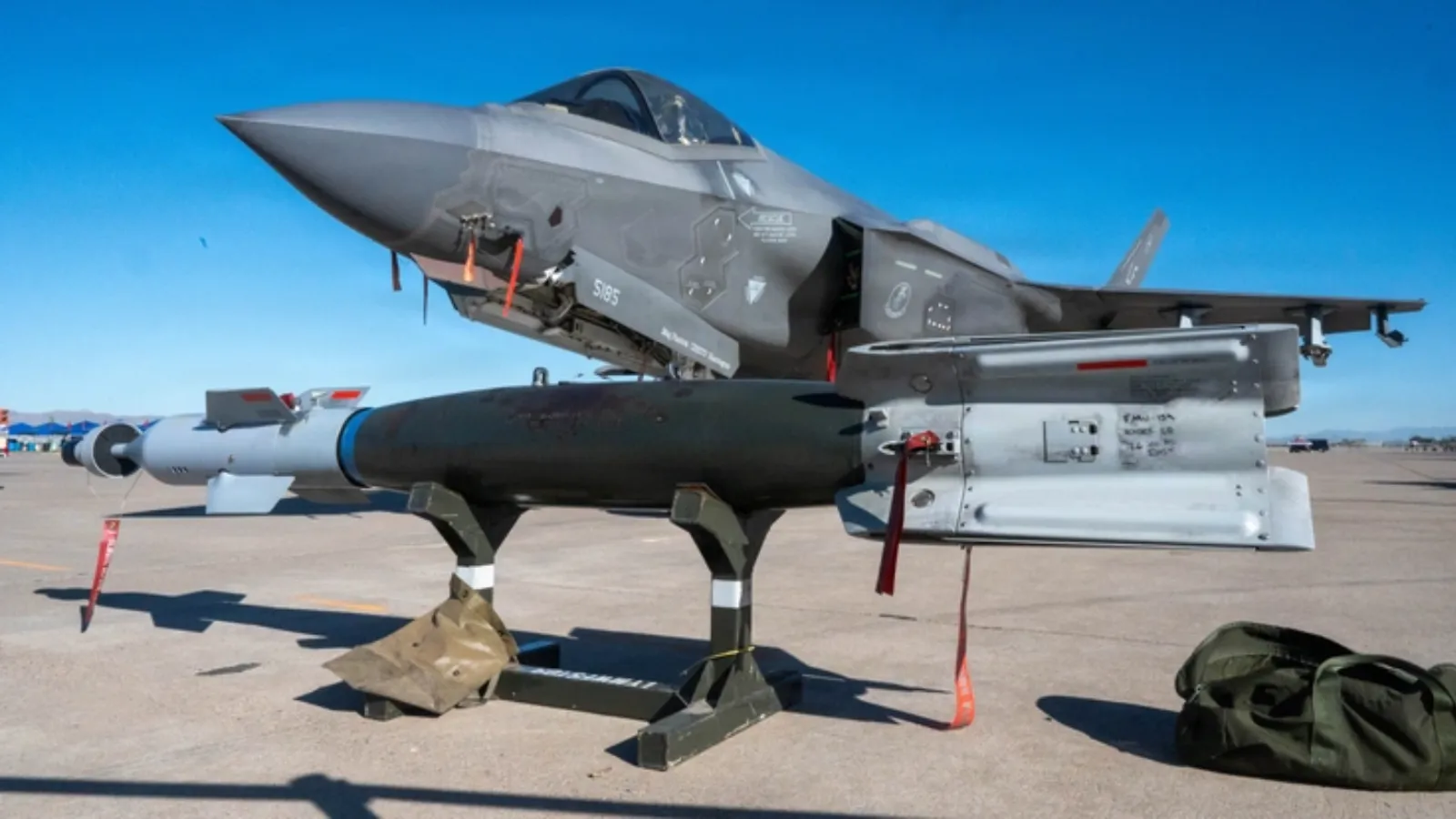
The strikes target a range of military infrastructure, likely including command and control nodes, air defense systems, logistics hubs, and possibly missile-related facilities. The scale of operations suggests the use of multiple platforms, including fighter aircraft, long range bombers, and possibly unmanned systems.
The tempo indicates a coordinated effort involving multiple US combatant commands and forward deployed assets in the region.
Why It Matters
Sustaining 500 daily air strikes on Iran represents a significant operational commitment. It requires robust logistics, aerial refueling, intelligence support, and continuous targeting cycles.
This level of activity suggests that the United States aims to systematically weaken Iran’s ability to sustain military operations. Rather than a one time punitive strike, the campaign appears designed to create cumulative effects over time.
The shift also reflects confidence in US air superiority and the ability to operate in contested environments. Maintaining such a tempo implies that Iranian air defenses have either been degraded or are being effectively suppressed.
Strategic Implications
The sustained air campaign reshapes the regional military balance. Continuous strikes reduce Iran’s operational flexibility and complicate its ability to coordinate responses.
This approach strengthens US deterrence by demonstrating both capability and intent. It signals to regional actors that the United States is willing to commit to prolonged operations when required.
At the same time, maintaining such a high operational tempo places demands on US resources, including munitions stockpiles and platform availability. It also requires sustained political and military coordination.
The campaign could also influence allied and partner nations, reinforcing US security commitments while raising concerns about escalation risks.
Competitor View
Iran is likely to interpret the sustained air strikes as an effort to erode its military infrastructure over time rather than force immediate capitulation. This may lead Tehran to adapt by dispersing assets, increasing reliance on asymmetric tactics, or leveraging proxy forces.
China and Russia may view the campaign as a demonstration of US global strike capability. Both countries closely monitor US operational patterns to assess readiness, logistics capacity, and combat sustainability.
Regional actors will likely assess the campaign in terms of both security assurances and potential spillover risks. Gulf states, in particular, may see increased urgency in strengthening air and missile defense systems.
What To Watch Next
The next phase of operations will likely focus on sustainment. Key indicators include:
- Changes in strike tempo or targeting priorities
- Deployment of additional US air and naval assets
- Evidence of Iranian adaptation or countermeasures
- Statements from the US Department of Defense regarding campaign objectives
Monitoring munitions usage and resupply will also provide insight into how long the United States can maintain this operational pace.
Capability Gap
The sustained air campaign aims to address gaps in suppressing and degrading Iranian military capabilities, particularly in areas such as air defense, missile deployment, and command networks.
By maintaining constant pressure, US forces seek to limit Iran’s ability to regroup, rearm, or coordinate effective responses.
However, air campaigns alone have limitations. They may not fully neutralize dispersed or hardened targets, and they depend heavily on accurate intelligence. Long term success often requires integration with other military and diplomatic tools.
The Bottom Line
The United States has shifted from rapid strikes to a sustained air campaign against Iran, signaling a long term strategy focused on persistent pressure and strategic degradation.
Get real time update about this post category directly on your device, subscribe now.