US F-15 Pilot Rescue After Iran Shootdown Incident
US F-15 pilot rescue operations successfully recovered an American airman after his fighter jet was shot down over Iran, according to US officials. The incident marks a significant escalation in operational risk in the Middle East theater and underscores the importance of rapid combat search and rescue capabilities.
- US forces successfully rescued a downed F-15 pilot after an aircraft loss over Iran.
- The aircraft was reportedly shot down during a high-risk operational mission.
- The incident underscores rising tensions between the United States and Iran.
- Combat search and rescue assets were rapidly deployed to recover the pilot.
- The event highlights both operational risks and US recovery capabilities in contested airspace.
The Big Picture
US air operations in the Middle East continue to operate in increasingly contested environments, particularly in proximity to Iranian air defense networks. The US military has maintained a persistent presence in the region to support deterrence, protect maritime routes, and counter regional threats.
Iran has invested heavily in layered air defense systems, including domestically developed and imported platforms, aimed at denying access to adversary aircraft. This evolving threat environment has forced US forces to adapt tactics, improve survivability, and maintain rapid recovery capabilities.
The F-15 platform, while highly capable, operates within this contested airspace where advanced surface-to-air missile systems pose a credible threat.
What’s Happening
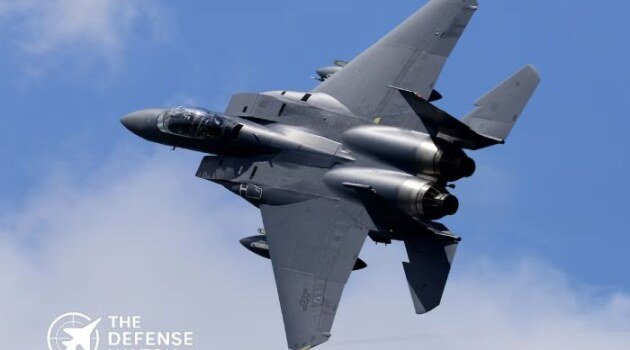
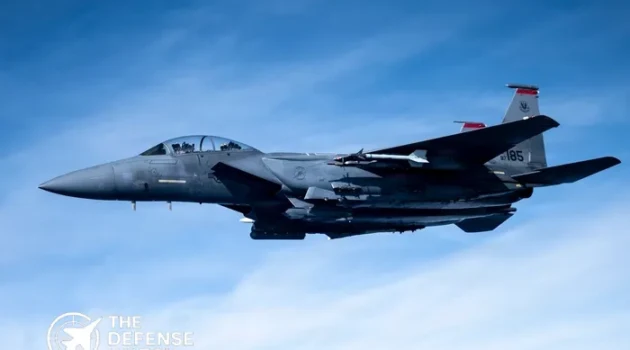
US officials confirmed that an F-15 aircraft was shot down during a mission over or near Iranian territory. The pilot ejected safely and was subsequently recovered by US forces.
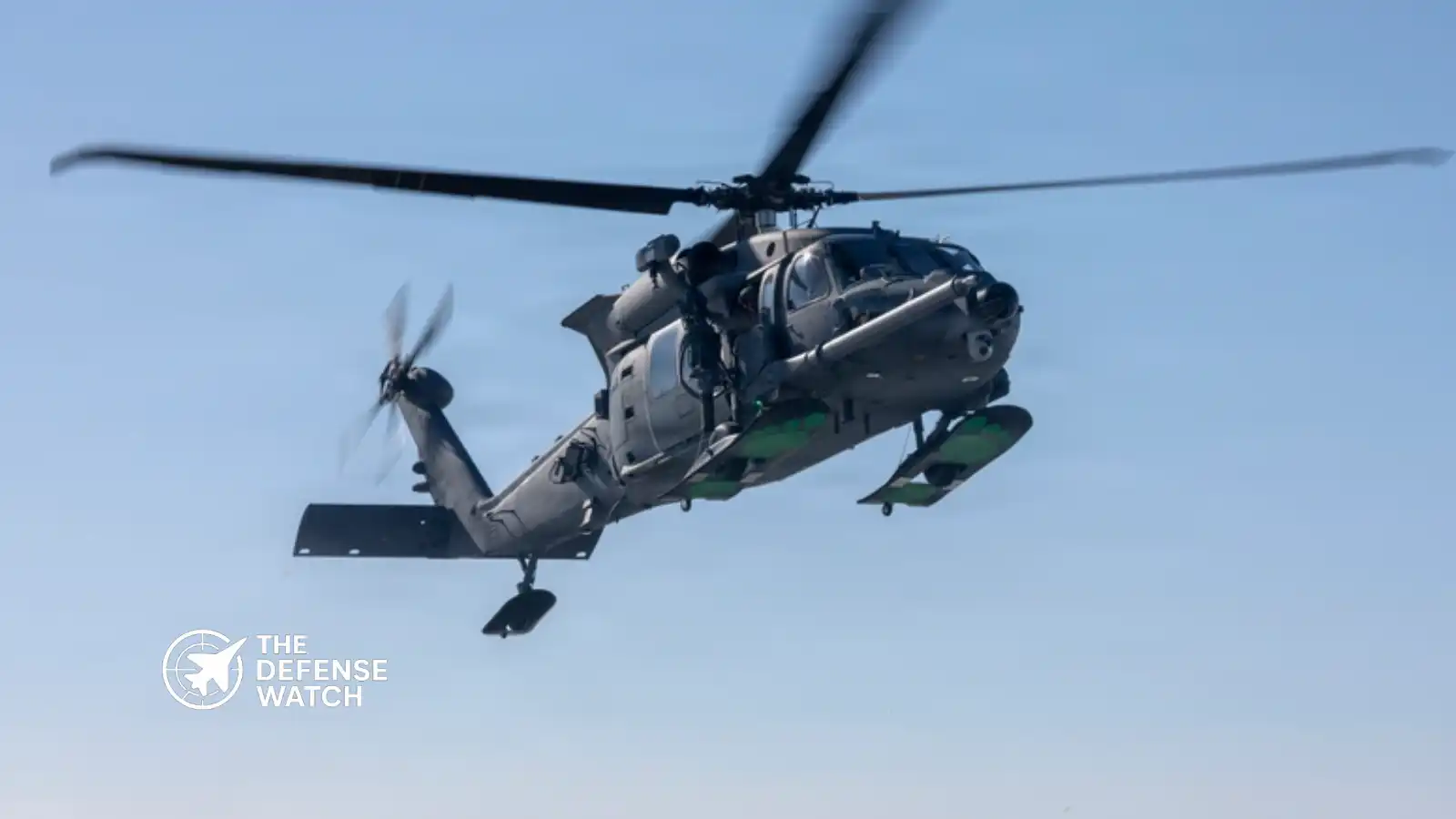
The recovery operation involved combat search and rescue assets, likely including helicopters, special operations forces, and airborne support elements. These missions are designed to retrieve isolated personnel under hostile conditions.
The timeline suggests a rapid response, indicating pre-positioned assets and established contingency planning for such scenarios.
Officials have not publicly detailed the exact circumstances of the shootdown, including the type of Iranian air defense system involved or the mission profile of the aircraft.
Why It Matters
The successful US F-15 pilot rescue demonstrates the operational readiness and effectiveness of US combat search and rescue doctrine. Recovering personnel quickly reduces the risk of capture, exploitation, or escalation.
The incident also highlights the vulnerability of even advanced fourth-generation aircraft when operating in heavily defended airspace. This reinforces the growing importance of stealth platforms, electronic warfare, and stand-off capabilities.
From a force protection perspective, the ability to recover downed aircrew remains a critical component of maintaining pilot confidence and sustaining operational tempo.
Strategic Implications
The shootdown and subsequent rescue could influence US operational planning in the region. Commanders may adjust flight profiles, increase reliance on stand-off weapons, or expand escort and suppression of enemy air defenses missions.
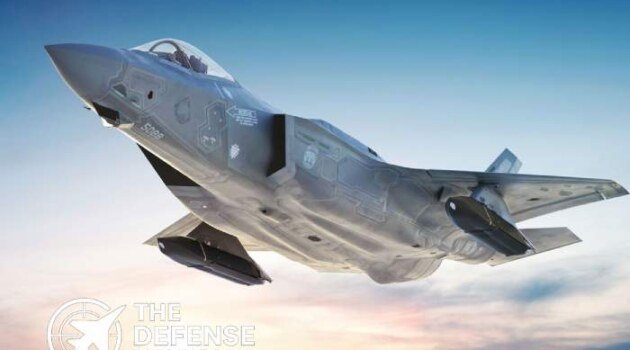
The event may also reinforce the case for deploying fifth-generation aircraft such as the F-35, which offer improved survivability against integrated air defense systems.
At a strategic level, the incident adds pressure to an already tense US-Iran relationship. Even without escalation, such encounters increase the risk of miscalculation.
Competitor View
Iran is likely to view the shootdown as validation of its air defense investments and a demonstration of its ability to challenge US air operations.
From Tehran’s perspective, denying access to its airspace is a core element of its deterrence strategy. Successfully engaging a US aircraft reinforces that narrative domestically and regionally.
Other competitors, including Russia and China, will likely study the incident for insights into US tactics, vulnerabilities, and recovery operations. Both countries prioritize anti-access and area denial strategies similar to Iran’s approach.
What To Watch Next
US officials may release additional details regarding the engagement, including the system used to down the aircraft and the mission context.
Military planners will likely assess whether changes to rules of engagement or operational procedures are required.
Future deployments may include increased electronic warfare support, additional escort aircraft, or expanded use of unmanned systems in high-risk zones.
Congressional oversight could also focus on force protection measures and readiness in contested environments.
Capability Gap
The incident exposes a persistent challenge for non-stealth aircraft operating against modern air defense systems. While the F-15 remains highly capable, it lacks the low observable features that reduce detection and engagement risk.
Combat search and rescue mitigates the consequences of aircraft losses, but it does not eliminate the underlying vulnerability.
The gap lies in survivability within dense air defense networks, an area the US is addressing through stealth aircraft, stand-off weapons, and electronic warfare integration.
The Bottom Line
The US F-15 pilot rescue underscores both the risks of operating in contested airspace and the critical importance of rapid recovery capabilities in maintaining combat effectiveness.
Get real time update about this post category directly on your device, subscribe now.