Executive Summary
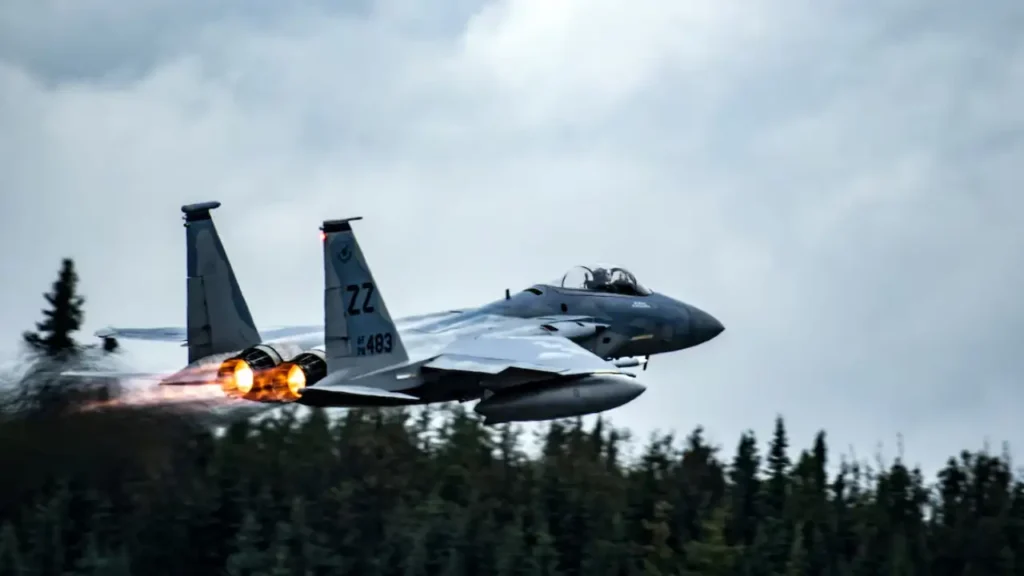
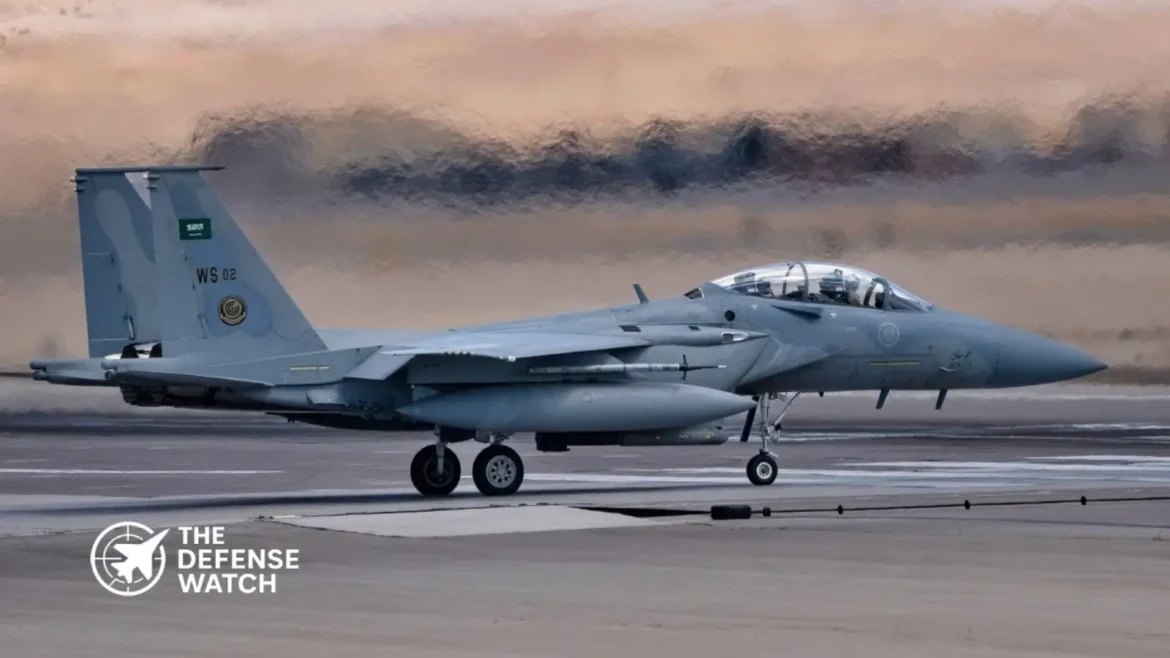
Boeing has received a $37.8 million contract modification to provide logistics support for Saudi Arabia’s F-15 advanced aircrew training systems. The update increases the total contract value to $144.2 million, reinforcing pilot training and operational readiness for the Royal Saudi Air Force. The work supports long-term sustainment of high-end fighter training infrastructure through 2029.
Boeing Expands F-15 Training Support for Saudi Arabia
The U.S. Air Force has awarded Boeing a $37,814,186 firm-fixed-price contract modification under the F-15 Saudi advanced aircrew training device Phase II program. The award, announced on April 29, 2026, raises the total contract value to $144,264,886, up from $106,450,700.
The contract falls under the U.S. Foreign Military Sales (FMS) framework and directly supports the Royal Saudi Air Force (RSAF). Funding for the full modification amount has been obligated at the time of award.
Training Infrastructure at Key Saudi Air Bases
Work will be carried out at two major RSAF installations:
- King Faisal Air Base
- King Khalid Air Base
The program is scheduled for completion by May 31, 2029, ensuring sustained operational capability for Saudi F-15 pilots.
The contracting authority is the Air Force Life Cycle Management Center, based at Wright-Patterson Air Force Base, Ohio.
Role of Advanced Aircrew Training Devices
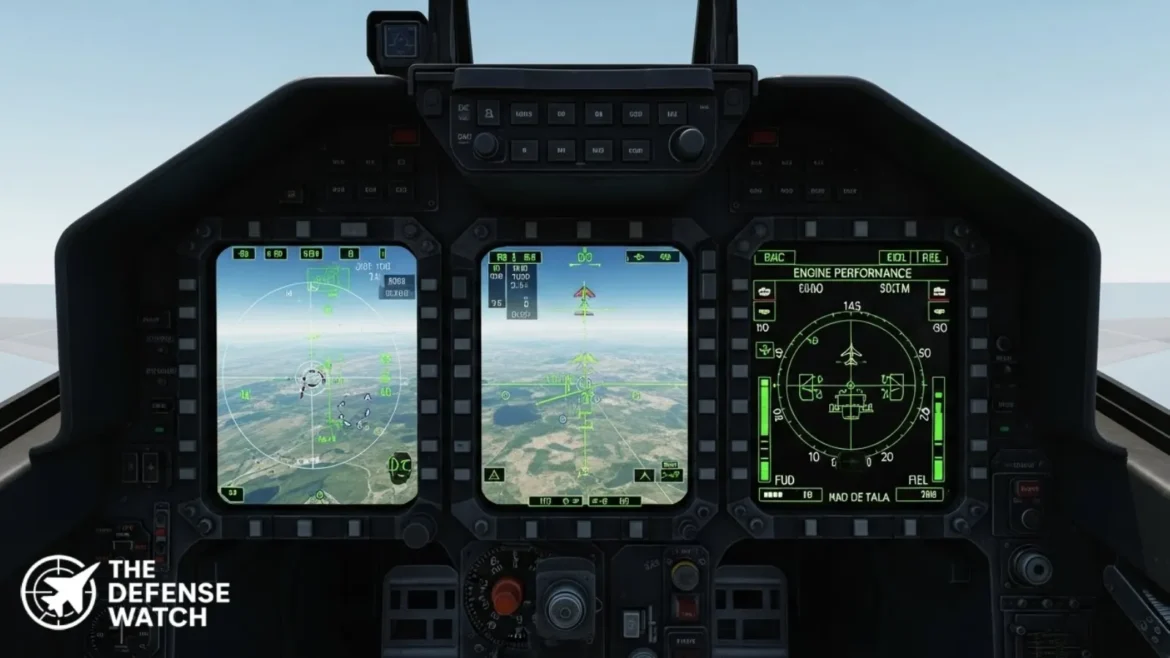
The contract focuses on contractor logistics support for advanced aircrew training devices (AATDs), which simulate real-world combat conditions for F-15 pilots. These systems are critical for:
- High-fidelity mission rehearsal without aircraft deployment
- Reduced operational costs and aircraft wear
- Enhanced pilot proficiency in complex combat scenarios
- Integration of evolving threat environments and tactics
Key Technical Advantages
- Real-time mission simulation with advanced threat modeling
- Networked training environments for multi-aircraft coordination
- Data-driven performance evaluation and feedback
- Continuous software updates aligned with modern combat needs
Comparison: Advanced Training Devices vs Legacy Simulators
CapabilityAdvanced Aircrew Training DevicesLegacy Simulators Range Global mission simulation Limited scenarios Payload Multi-role mission profiles Basic flight ops Status Operational (Phase II expansion) Phasing out Key Technology Networked, high-fidelity systems Standalone analog/digital Strategic Context: Strengthening Gulf Airpower
This contract reflects ongoing U.S.-Saudi defense cooperation and highlights the importance of pilot training in maintaining air superiority in the Middle East. The RSAF operates one of the most advanced F-15 fleets, including the F-15SA variant, which requires sophisticated training ecosystems.
The investment aligns with broader regional dynamics, including:
- Persistent air defense challenges in the Gulf
- The need for rapid-response airpower against asymmetric threats
- Increasing reliance on simulation to offset operational costs
By extending logistics support for training systems, Boeing ensures that Saudi pilots remain mission-ready while reducing dependence on live-flight training.
Long-Term Sustainment and Readiness
The modification underscores a shift toward lifecycle sustainment contracts that integrate training, logistics, and operational readiness into a single framework. This approach supports:
- Predictable long-term maintenance planning
- Continuous capability upgrades
- Improved mission readiness rates
As the contract runs through 2029, it positions the RSAF to maintain a high level of operational preparedness amid evolving regional security demands.
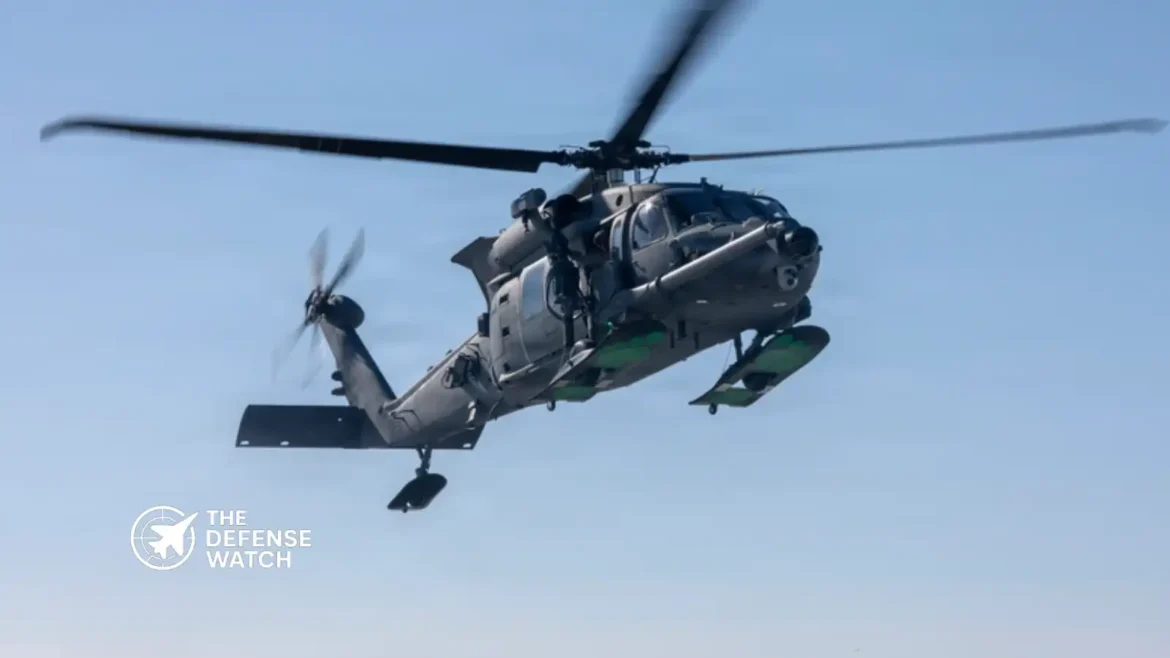
US F-15 Pilot Rescue After Iran Shootdown Incident
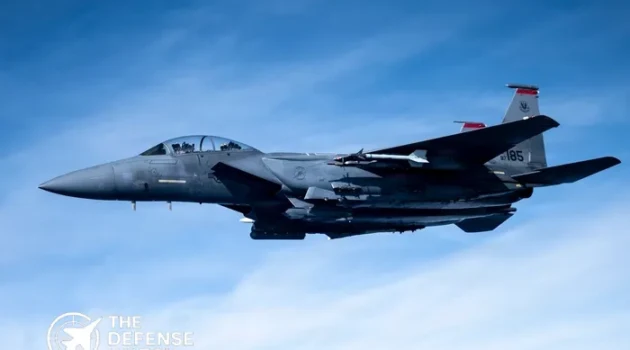
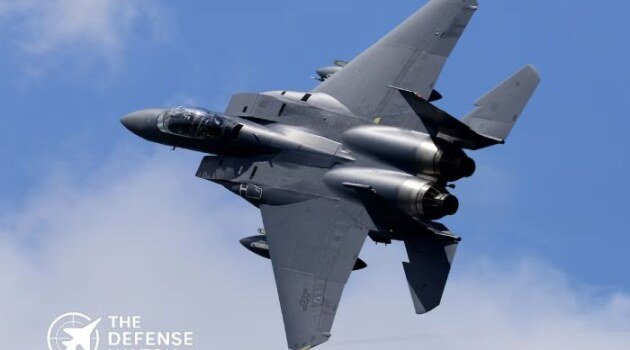
US F-15 pilot rescue operations successfully recovered an American airman after his fighter jet was shot down over Iran, according to US officials. The incident marks a significant escalation in operational risk in the Middle East theater and underscores the importance of rapid combat search and rescue capabilities.
- US forces successfully rescued a downed F-15 pilot after an aircraft loss over Iran.
- The aircraft was reportedly shot down during a high-risk operational mission.
- The incident underscores rising tensions between the United States and Iran.
- Combat search and rescue assets were rapidly deployed to recover the pilot.
- The event highlights both operational risks and US recovery capabilities in contested airspace.
The Big Picture
US air operations in the Middle East continue to operate in increasingly contested environments, particularly in proximity to Iranian air defense networks. The US military has maintained a persistent presence in the region to support deterrence, protect maritime routes, and counter regional threats.
Iran has invested heavily in layered air defense systems, including domestically developed and imported platforms, aimed at denying access to adversary aircraft. This evolving threat environment has forced US forces to adapt tactics, improve survivability, and maintain rapid recovery capabilities.
The F-15 platform, while highly capable, operates within this contested airspace where advanced surface-to-air missile systems pose a credible threat.
What’s Happening
US officials confirmed that an F-15 aircraft was shot down during a mission over or near Iranian territory. The pilot ejected safely and was subsequently recovered by US forces.
The recovery operation involved combat search and rescue assets, likely including helicopters, special operations forces, and airborne support elements. These missions are designed to retrieve isolated personnel under hostile conditions.
The timeline suggests a rapid response, indicating pre-positioned assets and established contingency planning for such scenarios.
Officials have not publicly detailed the exact circumstances of the shootdown, including the type of Iranian air defense system involved or the mission profile of the aircraft.
Why It Matters
The successful US F-15 pilot rescue demonstrates the operational readiness and effectiveness of US combat search and rescue doctrine. Recovering personnel quickly reduces the risk of capture, exploitation, or escalation.
The incident also highlights the vulnerability of even advanced fourth-generation aircraft when operating in heavily defended airspace. This reinforces the growing importance of stealth platforms, electronic warfare, and stand-off capabilities.
From a force protection perspective, the ability to recover downed aircrew remains a critical component of maintaining pilot confidence and sustaining operational tempo.
Strategic Implications
The shootdown and subsequent rescue could influence US operational planning in the region. Commanders may adjust flight profiles, increase reliance on stand-off weapons, or expand escort and suppression of enemy air defenses missions.
The event may also reinforce the case for deploying fifth-generation aircraft such as the F-35, which offer improved survivability against integrated air defense systems.
At a strategic level, the incident adds pressure to an already tense US-Iran relationship. Even without escalation, such encounters increase the risk of miscalculation.
Competitor View
Iran is likely to view the shootdown as validation of its air defense investments and a demonstration of its ability to challenge US air operations.
From Tehran’s perspective, denying access to its airspace is a core element of its deterrence strategy. Successfully engaging a US aircraft reinforces that narrative domestically and regionally.
Other competitors, including Russia and China, will likely study the incident for insights into US tactics, vulnerabilities, and recovery operations. Both countries prioritize anti-access and area denial strategies similar to Iran’s approach.
What To Watch Next
US officials may release additional details regarding the engagement, including the system used to down the aircraft and the mission context.
Military planners will likely assess whether changes to rules of engagement or operational procedures are required.
Future deployments may include increased electronic warfare support, additional escort aircraft, or expanded use of unmanned systems in high-risk zones.
Congressional oversight could also focus on force protection measures and readiness in contested environments.
Capability Gap
The incident exposes a persistent challenge for non-stealth aircraft operating against modern air defense systems. While the F-15 remains highly capable, it lacks the low observable features that reduce detection and engagement risk.
Combat search and rescue mitigates the consequences of aircraft losses, but it does not eliminate the underlying vulnerability.
The gap lies in survivability within dense air defense networks, an area the US is addressing through stealth aircraft, stand-off weapons, and electronic warfare integration.
The Bottom Line
The US F-15 pilot rescue underscores both the risks of operating in contested airspace and the critical importance of rapid recovery capabilities in maintaining combat effectiveness.

What It Is
South Korea’s Hanwha Systems has been selected by Boeing to supply the Eagle Large Area Display (ELAD) for South Korea’s F-15K and the U.S. Air Force’s F-15EX Eagle II fighters. This marks Hanwha’s first export of digital avionics and highlights growing defense collaboration between the U.S. and South Korea.
The ELAD integrates multiple cockpit screens into a single, large, touch-sensitive display. Pilots can access critical flight and mission information more intuitively, streamlining command inputs to the mission computer.
How It Works
The ELAD combines data from different avionics systems, presenting it on one interface. Pilots can control mission systems through touch inputs, reducing reliance on multiple smaller screens and physical controls. The concept mirrors similar large-area displays used in modern fighter jets, including the F-35’s touchscreen interfaces, which improve situational awareness and reduce pilot workload.
Why It Matters
Upgrading F-15 cockpits with modern digital displays enhances operational efficiency and interoperability between allied forces. For the U.S., sourcing the ELAD from Hanwha signals a diversification of supply chains in strategic sectors like fighter avionics. For South Korea, it represents a step toward becoming a recognized supplier of advanced military electronics on the global stage.
Strategically, this move strengthens the U.S.-South Korea defense partnership amid regional tensions in East Asia. Competitors like China and Russia continue to advance fighter avionics, making collaboration on next-generation systems critical for maintaining air superiority and technological edge.
Strategic Impact
By equipping F-15K and F-15EX fighters with advanced displays, both countries enhance pilot effectiveness in complex mission environments. Hanwha’s entry into the U.S. defense supply chain may encourage further South Korean participation in international aerospace projects. Long term, this contributes to a more resilient and diversified defense industrial base while reinforcing U.S. alliances in the Indo-Pacific.
Why the F-15 Fighter Jet Still Matters
Few combat aircraft have achieved the reputation of the F-15 fighter jet, a platform that has defined U.S. and allied airpower since the mid-1970s. Developed by McDonnell Douglas (now Boeing), the F-15 was designed as a pure air superiority fighter to ensure the U.S. Air Force could defeat Soviet aircraft during the Cold War.
Half a century later, the aircraft is still in frontline service, upgraded and adapted for new missions ranging from strike to electronic warfare. Its latest variant, the F-15EX Eagle II, represents an effort to extend the aircraft’s relevance into the next generation, balancing payload and survivability against stealth-centric designs like the F-35.

Image courtesy of defense.gov Origins of the F-15 Fighter Jet
The program for the F-15 began in the late 1960s after the U.S. Air Force sought a dedicated air superiority fighter following lessons from Vietnam. McDonnell Douglas won the contract in 1969, and the first flight took place in 1972.
When it entered service in 1976, the F-15 Eagle was revolutionary: twin-engine reliability, a large radar aperture, and a thrust-to-weight ratio greater than 1:1, allowing it to accelerate while climbing vertically.
From the outset, the F-15’s motto was clear: “Not a pound for air-to-ground.” It was built to dominate the skies, a role in which it still boasts a remarkable combat record.
Combat Record and Legacy
The F-15 fighter jet has accumulated one of the most impressive records in aerial combat: over 100 air-to-air kills with zero losses in air-to-air engagements, largely credited to Israeli, Saudi, and U.S. Air Force operations.
- Israel first used the F-15 in combat in 1979, scoring dozens of kills over Syrian aircraft in Lebanon.
- Saudi F-15s achieved kills during the Iran–Iraq War and later in Desert Storm.
- The U.S. Air Force relied heavily on the F-15C for air dominance during Operation Desert Storm (1991), where it achieved the majority of coalition air-to-air kills.
This legacy gave the F-15 a reputation as one of the most successful fighter designs ever fielded.
Evolution of the F-15 Variants
Over time, the F-15 family expanded to meet changing requirements:
- F-15A/B (1970s) – Original single- and two-seat versions for air superiority.
- F-15C/D (1980s) – Improved avionics, conformal fuel tanks, and extended range.
- F-15E Strike Eagle (1988 onward) – A dual-role fighter capable of precision strike and deep interdiction, with two-seat cockpit for pilot and weapons officer.
- F-15SA / F-15QA – Advanced export variants with digital flight controls, modern avionics, and expanded payloads for Saudi Arabia and Qatar.
- F-15EX Eagle II (2020s) – The newest U.S. variant with advanced electronic warfare systems, modern cockpit displays, fly-by-wire controls, and hypersonic weapon compatibility.
The F-15EX: Future of the Eagle
The U.S. Air Force ordered its first F-15EX Eagle II aircraft in 2020 to replace aging F-15C/D fleets.
Key features include:
- Payload capacity: up to 29,500 lbs, the heaviest among U.S. fighters.
- Weapons carriage: 12 AMRAAM-class missiles or a mix of bombs, missiles, and hypersonics.
- EPAWSS electronic warfare suite for survivability in contested airspace.
- Digital backbone enabling faster software updates and integration with unmanned systems.
- Two-seat design adaptable for collaborative combat with drones.
Unlike stealth aircraft, the F-15EX is designed to carry heavy payloads and serve as a “weapons truck,” complementing stealth fighters in large-scale operations.
Image courtesy of defense.gov Global Operators of the F-15 Fighter Jet
The F-15 remains in use across several air forces:
- United States – Operates F-15C/D, F-15E Strike Eagle, and now F-15EX.
- Israel – One of the earliest and most effective operators.
- Saudi Arabia – Fields one of the largest F-15 fleets, including advanced F-15SA.
- Japan – Locally produced under license; now upgrading to F-15JSI standard.
- Qatar – Fields the latest F-15QA variant.
- South Korea & Singapore – Both operate the Strike Eagle variant.
These nations highlight the F-15’s continued relevance, with several investing in modernization programs rather than retiring the type.
Analysis: The F-15’s Place in the Modern Era
Despite its legacy, the F-15 fighter jet competes in an era dominated by stealth, network-centric warfare, and emerging sixth-generation projects. Critics argue that in heavily defended airspace, its non-stealth profile limits survivability.
Yet, the F-15 offers advantages:
- unmatched payload capacity,
- proven range and reliability,
- ability to integrate future weapons like hypersonics.
For the U.S. and allies, the F-15EX provides a cost-effective bridge between legacy fourth-generation aircraft and future sixth-generation systems like NGAD (Next Generation Air Dominance). Its role as a complement — not competitor — to stealth platforms gives air forces flexibility in planning strike packages.
FAQs
What makes the F-15 fighter jet unique?Its combination of speed, power, and payload has made it one of the most successful fighters in history, with an undefeated air-to-air record.
What is the newest version of the F-15?The F-15EX Eagle II, now entering U.S. Air Force service.
How fast is the F-15?The F-15 can reach speeds of Mach 2.5 (around 1,650 mph).
How many countries operate the F-15?At least eight countries, including the U.S., Israel, Japan, Saudi Arabia, South Korea, Qatar, and Singapore.
Will the F-15 remain in service?Yes. With upgrades and new variants like the F-15EX, the fighter is expected to remain operational well into the 2040s.